




White Porcelain Cherub Figure
A white porcelain cherub figure is a sculptural ceramic representation of a winged infant, collected for its delicate modelling and classical decorative appeal.
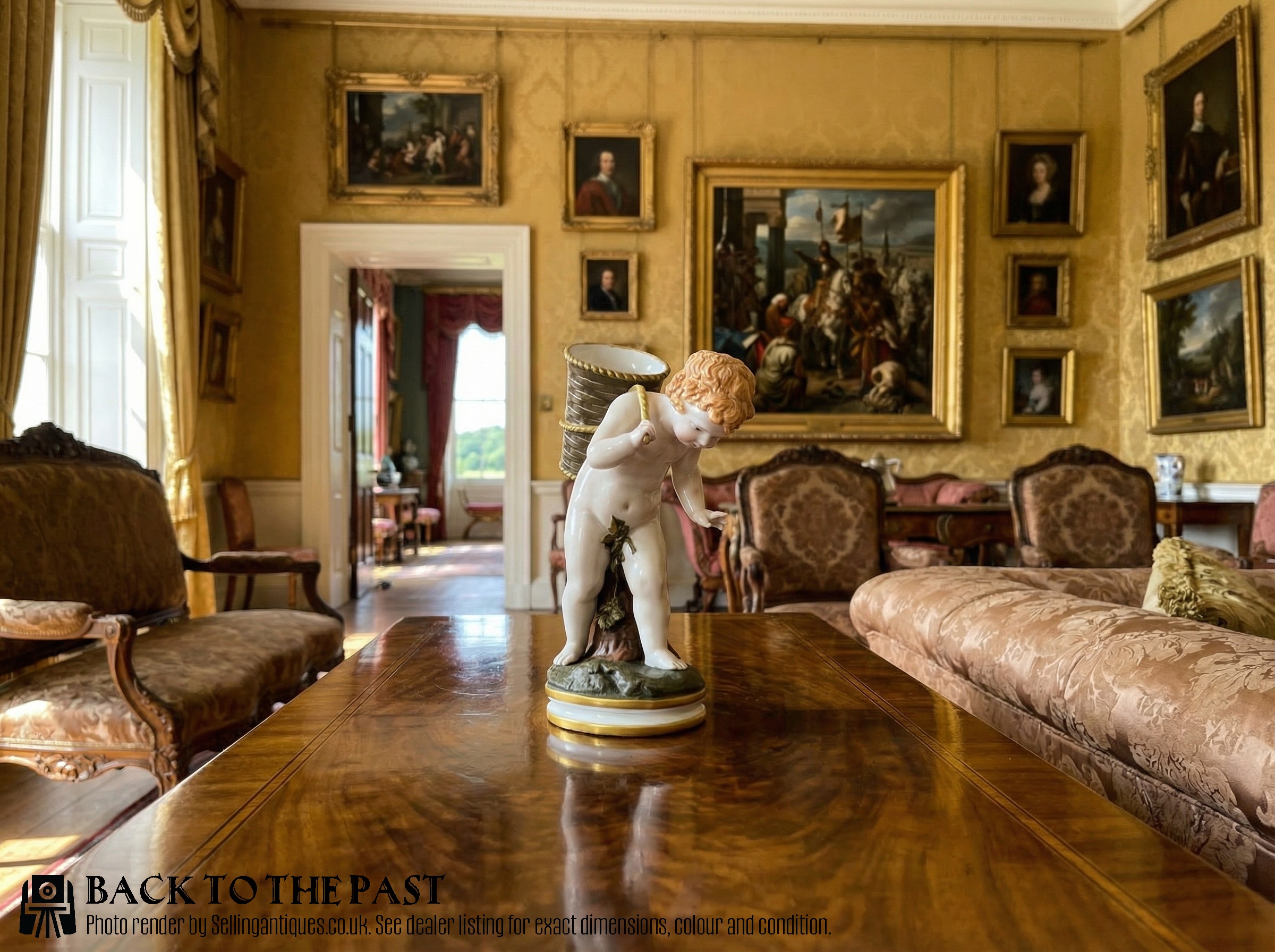
White Porcelain Cherub Figure
When you search for a white porcelain cherub figure, you encounter sculptural works that take the form of putti, amorini, and allegorical infants from various historical eras. The listings here span the eighteenth, nineteenth, and early twentieth centuries, bringing together both English and continental European traditions.
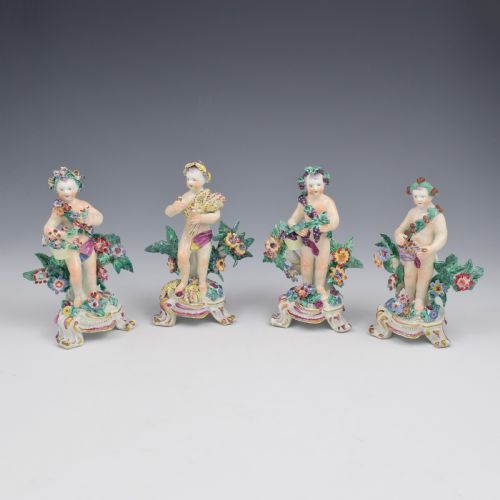
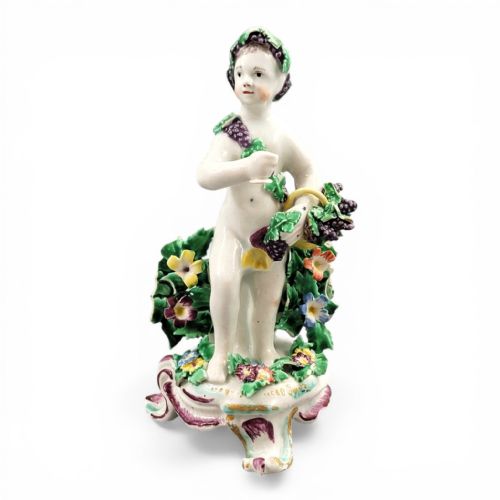
You are most likely to meet figures produced during the Georgian and nineteenth-century periods, often appearing as standalone decorative objects, pairs of candlesticks, or components of larger table centerpieces. These pieces frequently draw upon classical themes such as the seasons or mythological elements.
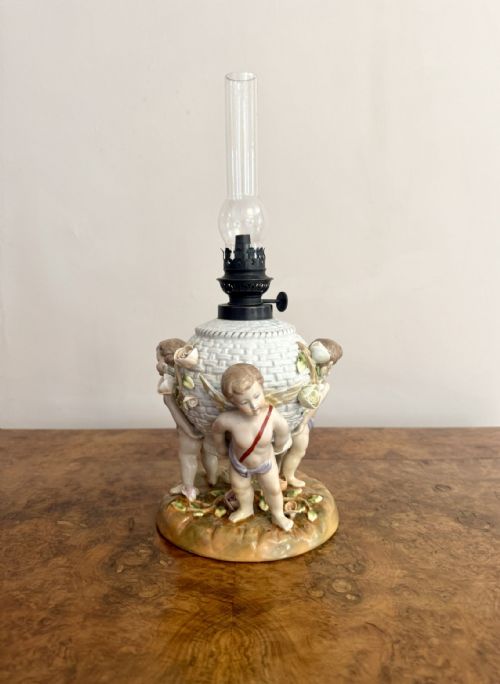
The evidence shows these ceramic infants appearing in diverse functional forms, including oil lamps, sweetmeat dishes, and go-to-bed candlesticks. They range from small cabinet figures to more elaborate multi-figural groups reflecting Rococo and Victorian tastes.
Materials and manufacturing methods
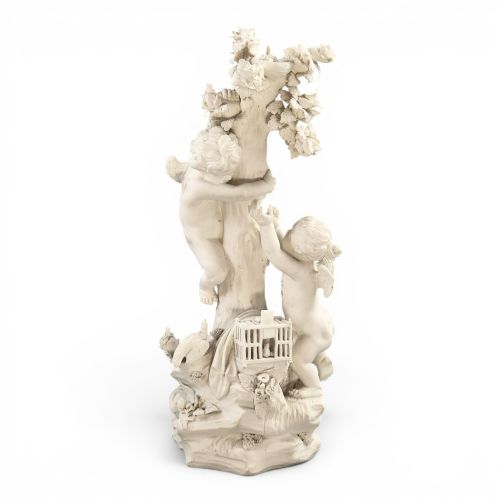
The objects listed on this page utilise porcelain, soft-paste porcelain, and biscuit porcelain, often combined with overglaze enamel, gold leaf, and brass components. Biscuit porcelain provides an unglazed, matte finish that resembles carved marble, while soft-paste porcelain yields a warmer tone typical of eighteenth-century English manufactories.
Moulding and casting techniques shaped these figures, followed by careful hand-modelling of details like wings, hair, and drapery by skilled ceramic artisans. Kiln firing fixed the body and any applied enamel colours or gilding, sometimes requiring multiple firings for overglaze decoration.
White Porcelain Cherub Figure Retail Price Guide 2026
Typical asking prices for white porcelain cherub figure among the pieces listed under this phrase on Sellingantiques today, from the lower quarter to the upper quarter. They describe what is for sale here now, not the wider market.
The material record on this page spans standard porcelain, soft-paste porcelain, and unglazed biscuit porcelain.
Distinguishing quality in these figures
The refinement of the modelling separates superior examples from simpler production pieces, particularly in the expression of the face and the crispness of the feather work on the wings. Finely executed figures display sensitive hand-finishing after removal from the mould, whereas lesser pieces show softer contours and thicker glaze application.
The sophistication of the palette and the integration of secondary materials, such as Ormolu mounts, enamel highlights, or gilt detailing, also mark the upper tier of the range. Complete sets, such as pairs of candlesticks or series representing allegorical themes, hold greater cohesion and sculptural presence.
Sitzendorf·Derby·Bow·Meissen·Paul Scheurich·Edme Samson·Chelsea·Royal Worcester·Minton·Volkstedt
The White Porcelain Cherub Figure Glossary
- Putto
- A representation of a plump, winged toddler, frequently found in Renaissance and later art. These figures often appear in pairs or groups on decorative ceramics.
- Biscuit porcelain
- Unglored ceramic fired to a matte finish that resembles marble. This material was favoured for neoclassical figures and allegorical groups.
- Soft-paste porcelain
- An artificial ceramic paste used in early European factories before the discovery of hard-paste porcelain recipes. It produces a distinctive soft texture and warm glaze.
- Overglaze enamel
- Pigment applied over a previously fired and glazed ceramic surface, then fixed with a lower temperature kiln firing. This technique permits a wide palette of bright surface colours.
- Sweetmeat dish
- A small vessel designed for serving confectionery or dried fruits at table. These dishes often incorporate figural supports such as cherubs or putti.
White Porcelain Cherub Figure: Frequently Asked Questions
What is a putto?
A putto is a motif depicting a small, winged infant, derived from classical art and widely revived during the Rococo and Victorian periods.
In ceramic figures, these characters often personify abstract concepts such as the seasons, elements, or mythological narratives.
How were these figures used?
These ceramic pieces served both decorative and practical functions in historic interiors, appearing as mantel ornaments, table centerpieces, and candleholders.
Some designs integrated candle sockets or shallow dishes for sweets, combining sculptural artistry with domestic utility.
What is biscuit porcelain?
Biscuit porcelain is fired ceramic that has not received a glaze, leaving a matte, white surface texture that resembles carved marble.
This finish allowed makers to highlight fine details in modelling without the obscuring thickness of a glossy glaze layer.
How do I distinguish eighteenth-century pieces?
Eighteenth-century figures often utilise soft-paste porcelain bodies, exhibiting characteristic potting flaws, lighter weight, and hand-mixed enamel palettes.
Stylistic markers such as Rococo scroll bases and early Chelsea or Bow modelling traits help contextualise the period.