

English Baroque Painting
When searching for english baroque painting, you find works capturing seventeenth and early eighteenth century nobility and gentry.
English Baroque Painting
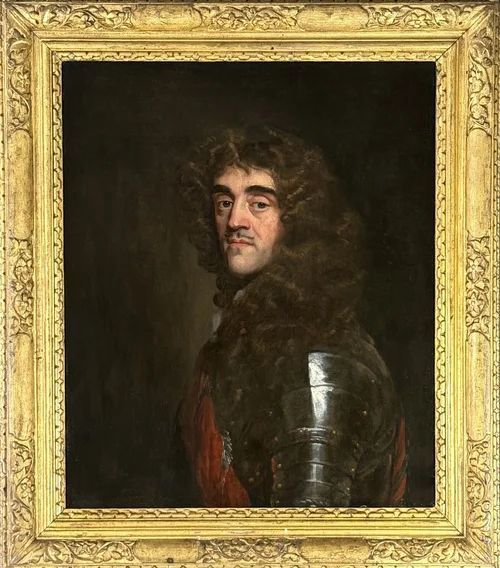
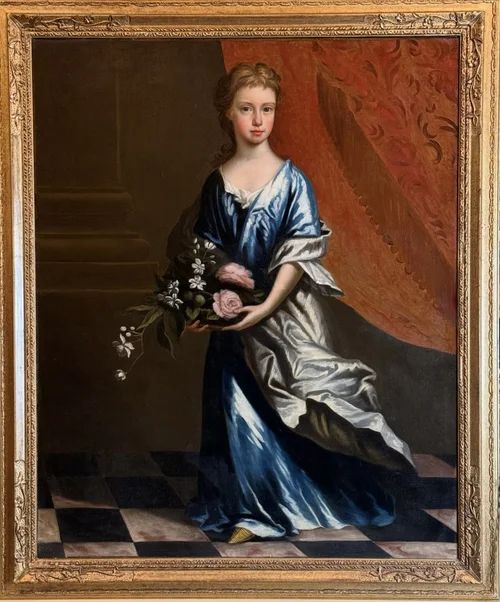
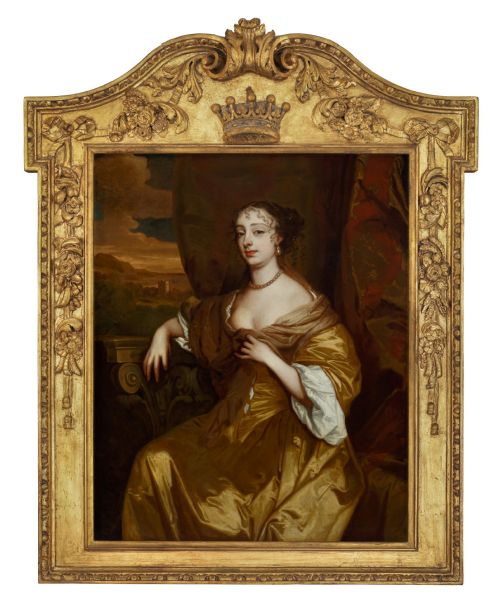
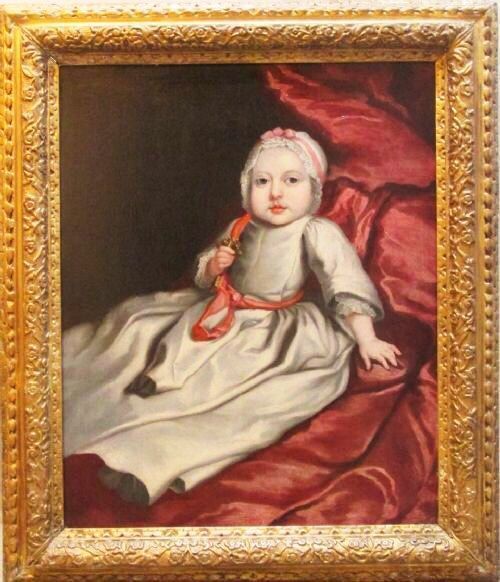
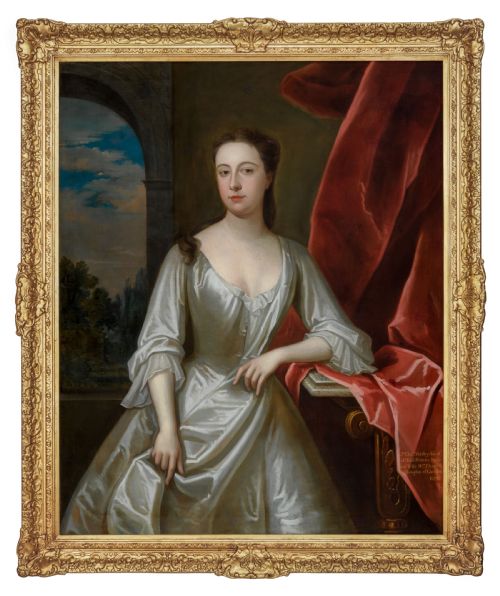
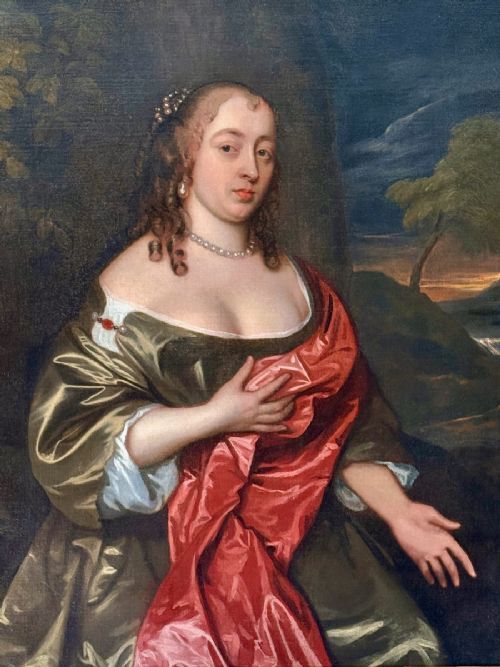
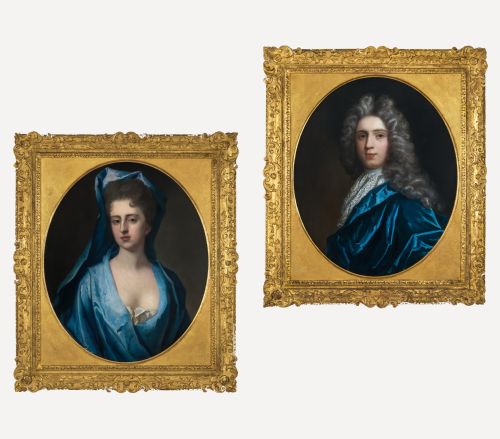
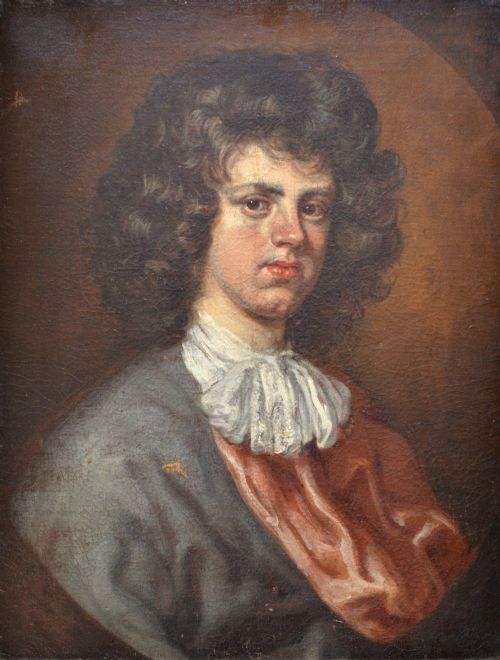
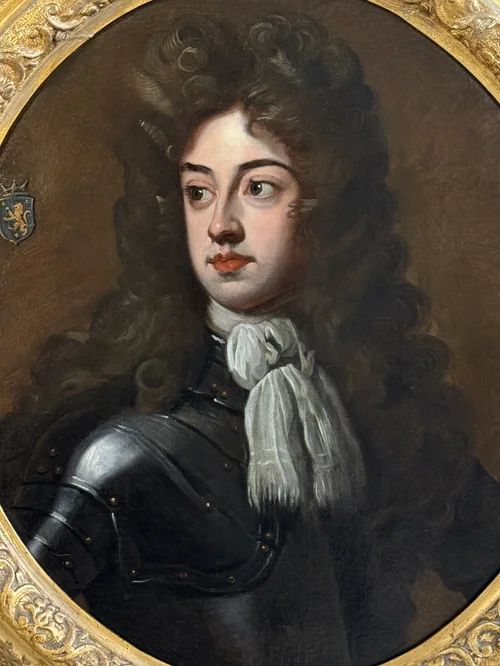
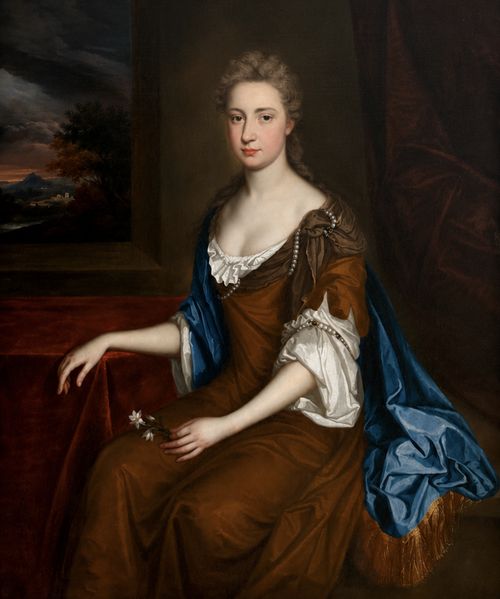
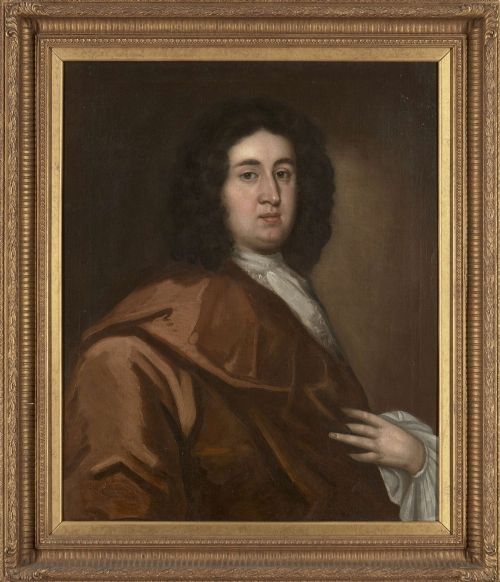
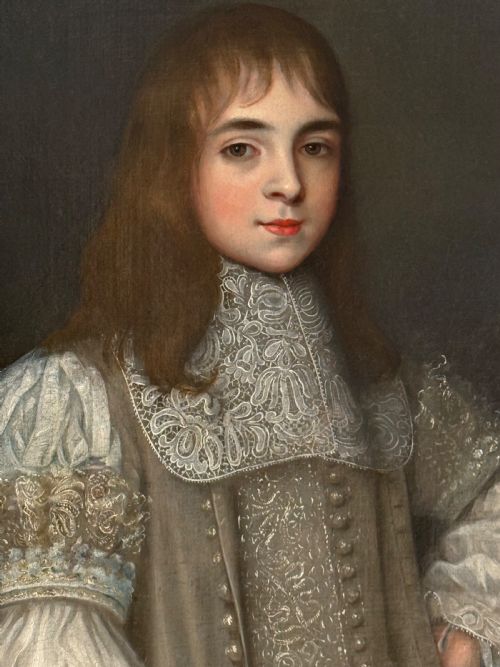
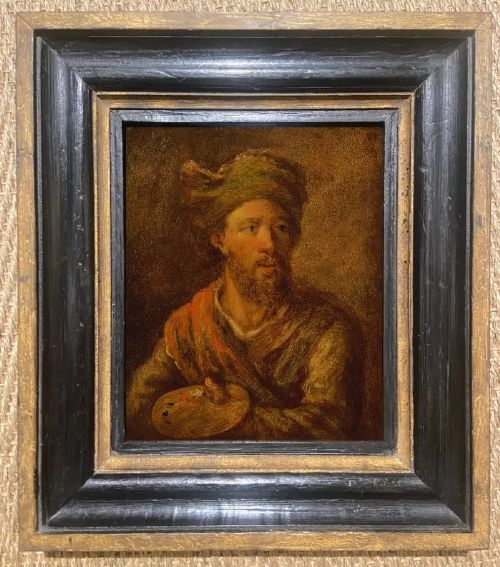
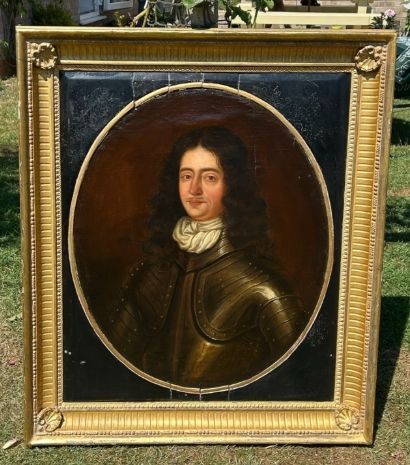
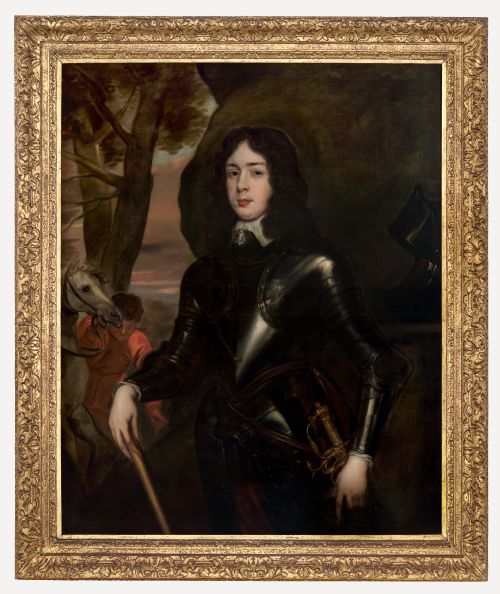
The phrase english baroque painting brings up oil on canvas portraits depicting lords, ladies, noblewomen, and officers from the seventeenth and eighteenth centuries. These works frequently record figures in elaborate costume, armour, or silk gowns, often posed against landscapes or terraces.
Most pieces encountered on this page belong to the seventeenth century and early Georgian periods. They range from direct works by notable portraitists to pieces from the circles or studios of prominent painters active in Britain.
Materials and Technique
Artists painted primarily using oil on canvas, applying pigment to stretched fabric to build deep tones and rich drapery. Some works utilise oil on copper, providing a smooth surface for fine detail.
Surrounding frames often consist of carved wood, gesso, and gilded wood, matching the visual weight of the canvases they enclose.
Listings feature periods spanning from the seventeenth century through the nineteenth century, with a strong focus on seventeenth century oil paintings.
Judging Quality
Quality rests in the handling of facial expression, hands, and textiles, where the confidence of the brushwork defines the piece. Studio output and follower works sit at different price levels compared to fully autographed principal canvases.
The depth of provenance and clarity of historical attribution also influence the standing of an individual portrait within the period.
Sir Godfrey Kneller·Michael Dahl·Sir Peter Lely·John Michael Wright·Mary Beale
The English Baroque Painting Glossary
- Oil on canvas
- A painting medium where pigments bound in oil are applied to a woven canvas support. This combination allows for rich blending of colours and deep shadows typical of the period.
- Giltwood
- Wood carved and covered with a thin layer of gold leaf or gesso. It provides the ornate framing characteristic of the era.
- Circle of
- A term used when a painting is by an unidentified artist working during the same period and closely influenced by a named master's style.
- Studio of
- A work produced by assistants or pupils working under the direct supervision of a master artist in their workshop.
English Baroque Painting: Frequently Asked Questions
What subjects appear in these paintings?
Subjects include nobility, military officers, judges, and family members posing in formal attire. Many portraits record specific figures from the seventeenth and eighteenth centuries.
Commissioned works often highlighted social status, public office, or family lineage through elaborate props like armour, books, or distant estates.
How should I care for an oil painting?
Keep the canvas away from direct sunlight, extreme temperature shifts, and high humidity to prevent the paint layer from cracking. Dust the surface gently with a soft, dry brush.
Avoid using water or cleaning solutions on the paint or the surrounding gilded wood frame.
How are periods told apart?
Clothing styles, hairstyles, and framing details help distinguish seventeenth century works from later eighteenth century pieces. Portraits from the Stuart era often feature distinct armour and stiff collars.
Later Georgian canvases shift towards softer fabrics, relaxed postures, and different approaches to background landscape.
What does attributed mean?
Attribution indicates that experts consider a painting to be the work of a specific artist based on style, technique, and historical context. It is used when documentation is incomplete.
Works labelled as circles or studios point to close associates rather than the primary hand of the master.