

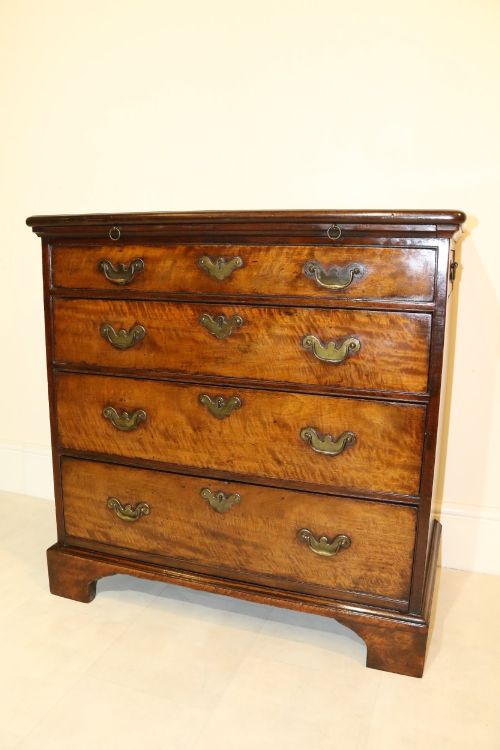
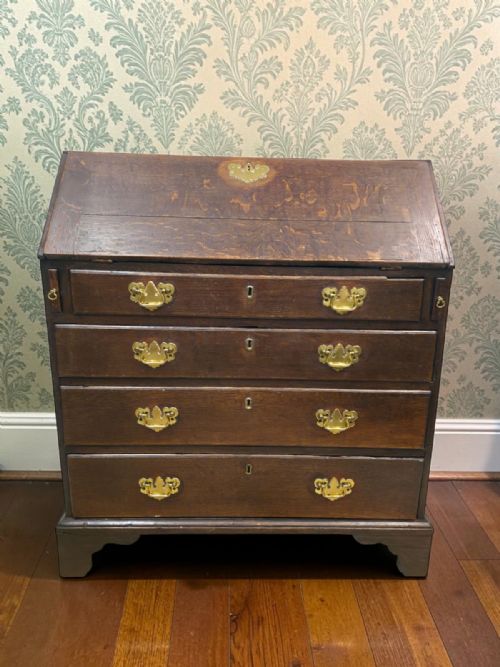
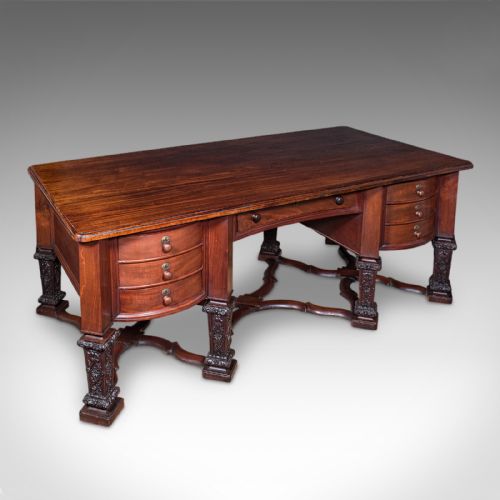
English Bureau
Choosing an english antique bureau brings domestic history into a room with a fitted writing surface and concealed compartments.
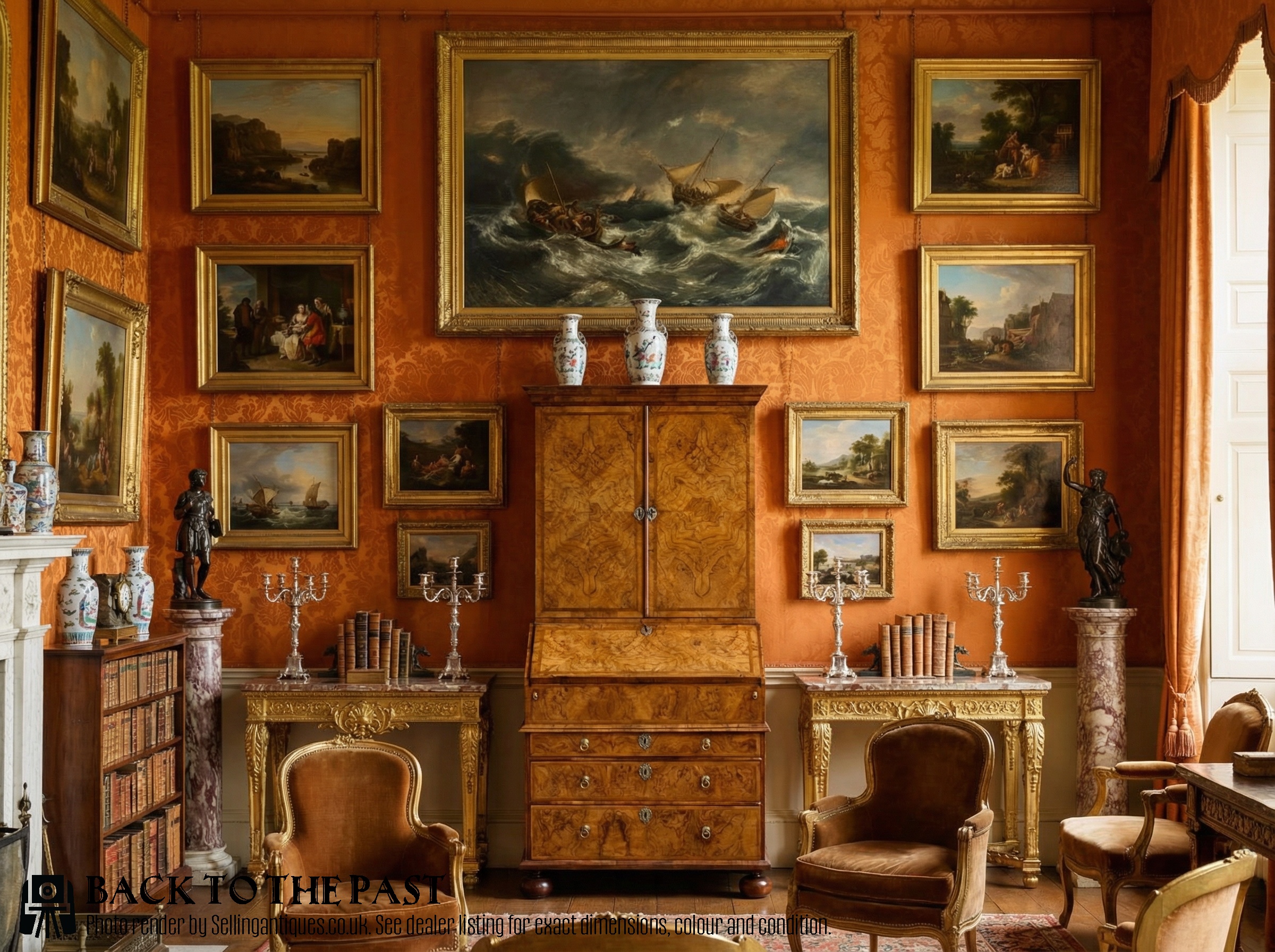
English Bureau
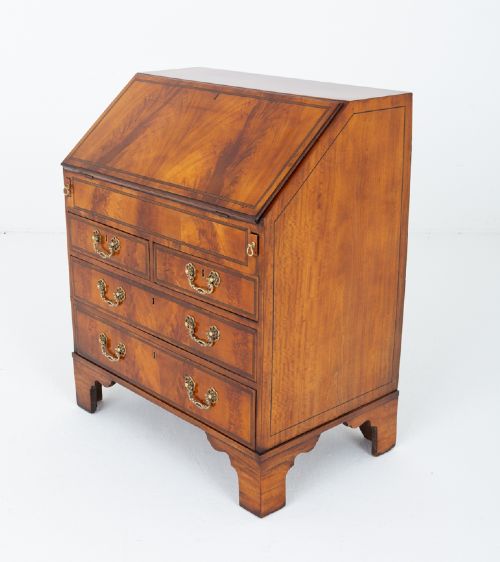
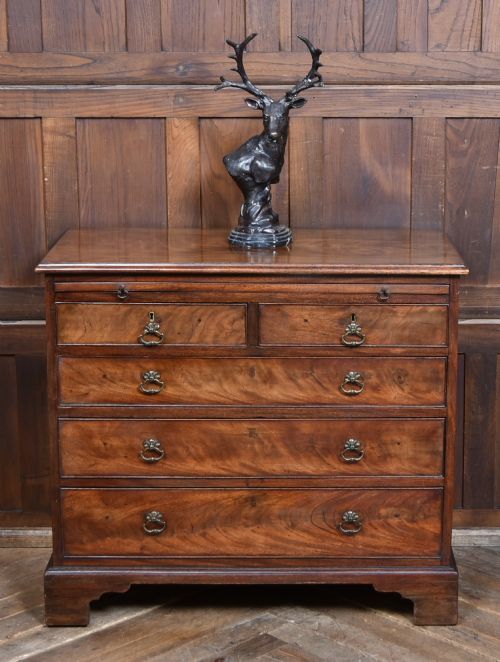
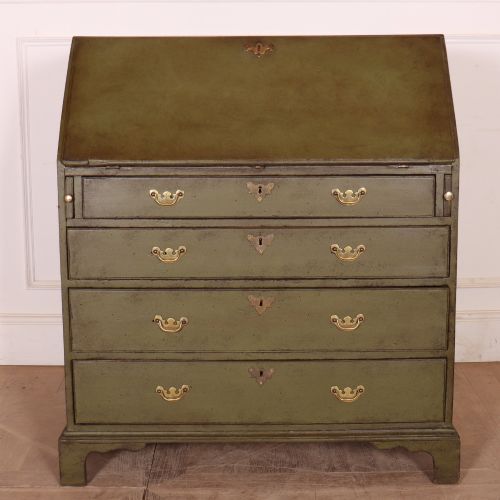
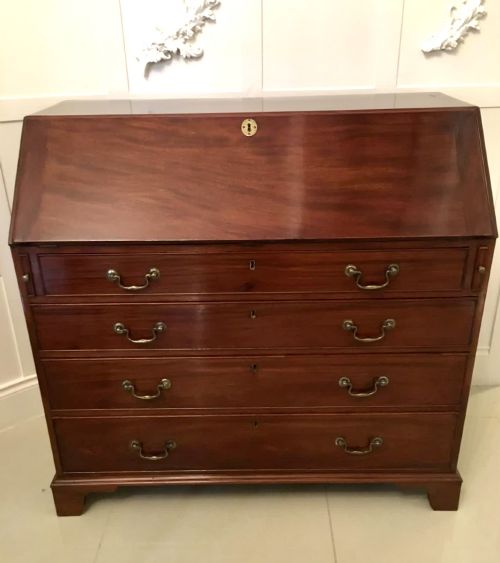
An english antique bureau is primarily a writing cabinet featuring a sloping fall-front flap that opens to reveal an interior arrangement of small drawers, pigeonholes, and secret compartments. Beneath this writing surface, the standard form incorporates a chest of graduated drawers for household storage.
The pieces catalogued here span multiple centuries, originating predominantly from the seventeenth, eighteenth, and nineteenth periods, alongside later twentieth-century interpretations. Walnut and oak dominate the earlier examples, while mahogany becomes prominent through the Georgian era and into the nineteenth century.
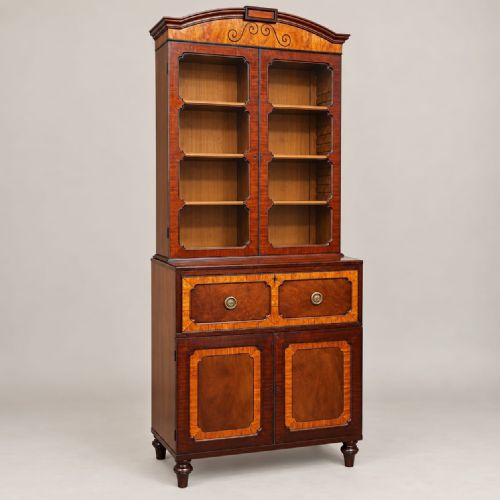
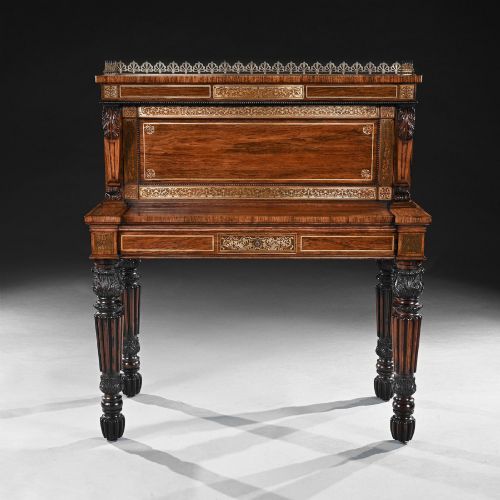
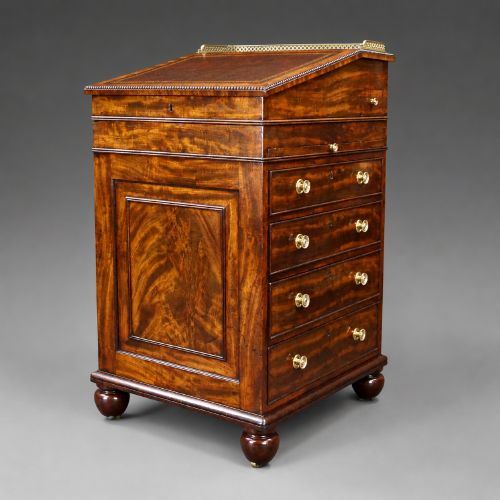
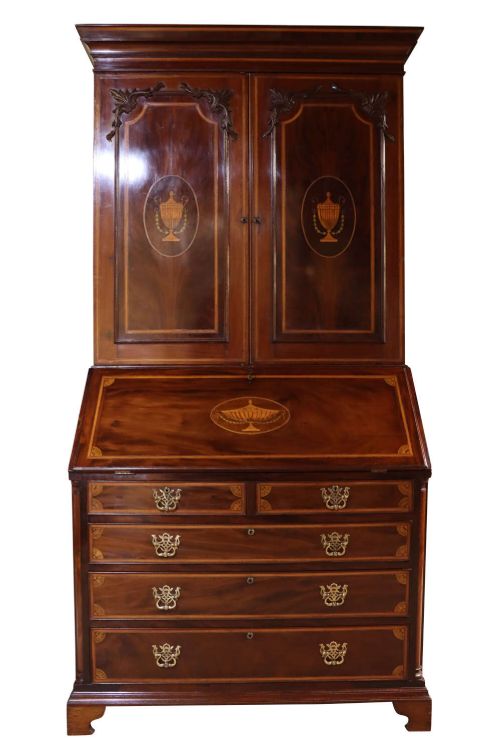
Buyers will encounter variations ranging from compact country oak fall-front desks to large bureau bookcases surmounted by glazed display cabinets. Smaller variants such as bureau mirrors, lady's writing desks, and Davenport forms also appear within the selection.
How they were made
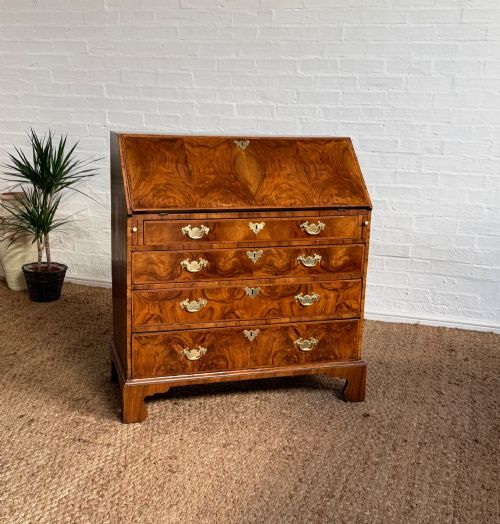
Cabinetmakers utilised solid timbers such as oak, mahogany, and walnut, frequently applying decorative veneers like burr walnut, flame mahogany, and yew wood to the primary display surfaces. Crossbanding and feather banding frequently edge these figured panels to enhance the visual depth of the timber.
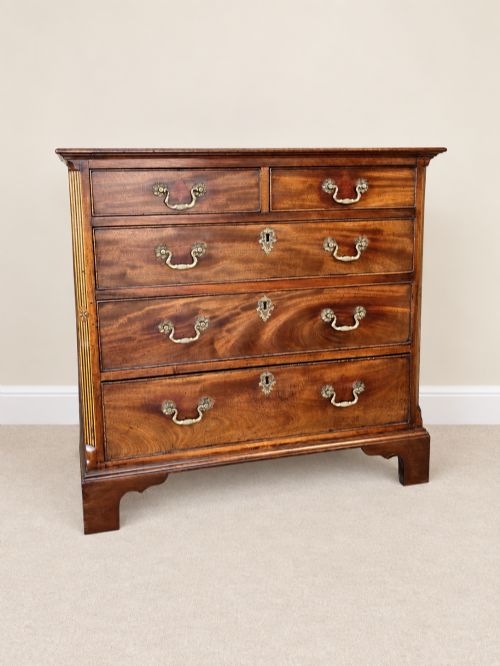
Construction methods relied on traditional joinery techniques, incorporating hand-cut dovetails within drawer construction and panelled backs secured with pegged joints on earlier pieces. Brass hardware, including drop handles and escutcheons, fastened the drawers and fall-fronts.
Listings feature oak, walnut, and mahogany examples spanning from seventeenth-century pieces to twentieth-century Art Deco desks.
What varies in quality
The grade of timber selection dictates much of the visual distinction, separating plain domestic woods from highly figured burr elm, walnut, or flame mahogany veneers matched symmetrically across the fall-front flap and drawer facades.
Internal complexity and secondary detailing define the tier of craftsmanship, marked by intricately shaped pigeonholes, sliding wells, and hidden locking mechanisms within the bureau interior rather than plain partitions.
Originality of surface finish and brass mounts preserves the integrity of the piece, where patinated timber retains its depth and proportion without excessive modern intervention.
Gillows·Stanley Webb Davies
The English Bureau Glossary
- Fall-front
- A hinged writing flap that drops forward to create a horizontal desk surface. When closed, it conceals the interior stationery compartments.
- Bureau bookcase
- A dual-component furniture form combining a writing bureau base with an upper shelving or display cabinet enclosed by doors. These units often feature glazed panels above.
- Feather banding
- A decorative inlay technique utilising thin strips of veneer laid in a herringbone pattern around the borders of drawer fronts and tabletops. It adds a subtle linear contrast to figured wood.
- Kneehole desk
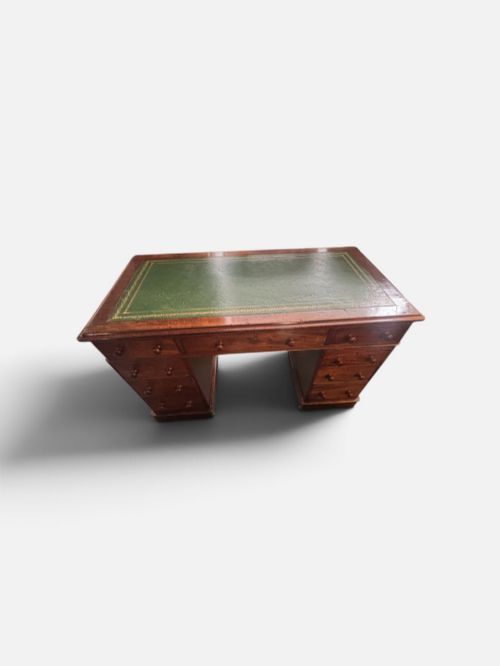
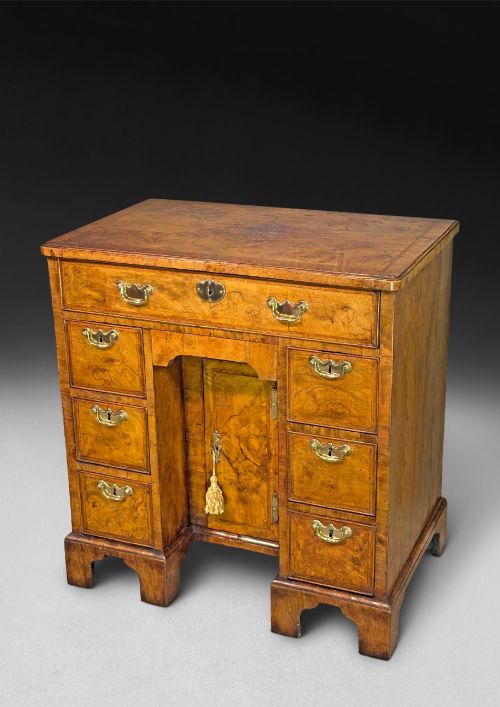
- A compact desk or bureau featuring a central recess for the user's legs, flanked by pedestals of small drawers. They emerged prominently during the walnut period.
- Secret compartment
- A concealed drawer or sliding panel hidden within the pigeonhole structure of a bureau interior. They were designed for storing valuables and sensitive correspondence.
English Bureau: Frequently Asked Questions
What is a fall front bureau?
A fall front bureau is a compact writing desk where the front panel is hinged at the bottom and drops down to form a flat working surface. This action exposes an internal arrangement of small drawers and letter slots.
When closed, the sloped front conceals the contents entirely, presenting a neat cabinet profile above a set of storage drawers.
How do I date an antique bureau?
Dating relies on observing the timber species, construction methods, and hardware styles. Oak and walnut typify seventeenth and early eighteenth-century examples, while mahogany predominates from the mid-eighteenth century onward.
Drawer construction also provides evidence, shifting from hand-cut dovetails and pegged frames in earlier periods to more uniform machine-influenced work in later Victorian and twentieth-century items.
Where were bureau desks used?
Bureaux were originally positioned in private drawing rooms, libraries, or bedchambers where household accounts and personal correspondence were managed. Their lockable fall fronts ensured privacy for documents.
Today, they function as practical writing desks and storage chests in living spaces and home offices.