


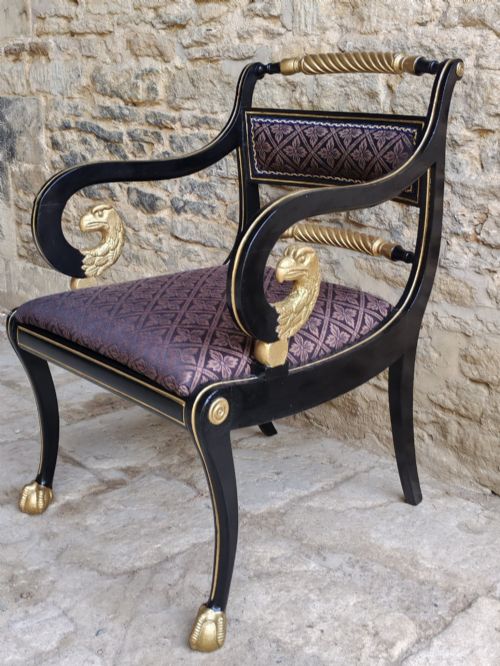
English Armchair
An English antique armchair brings centuries of craftsmanship into a room, offering a supportive seat with deep historical roots.
What they are
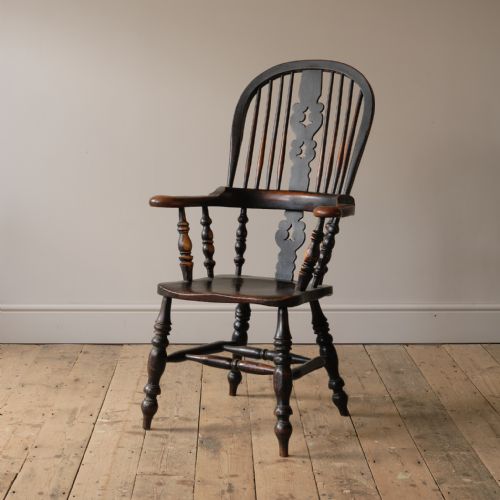
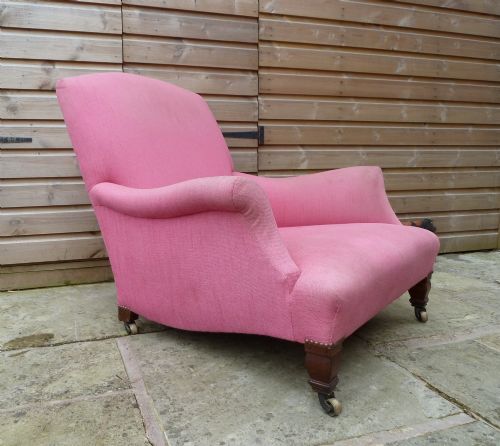
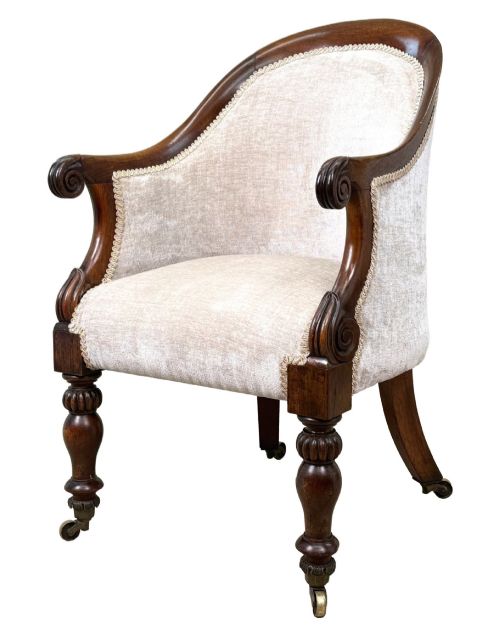
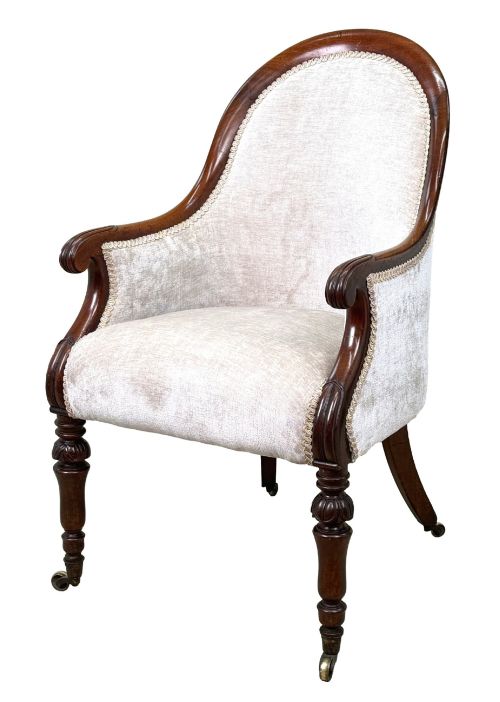
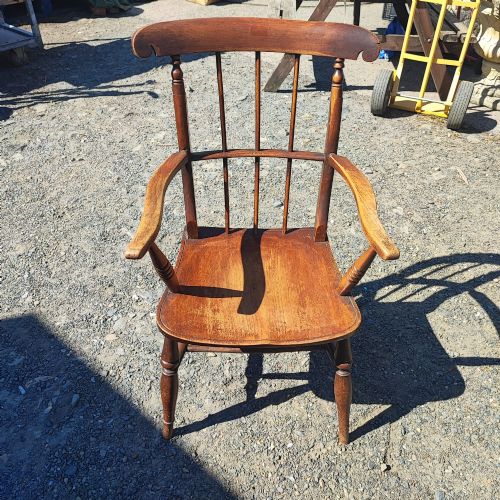
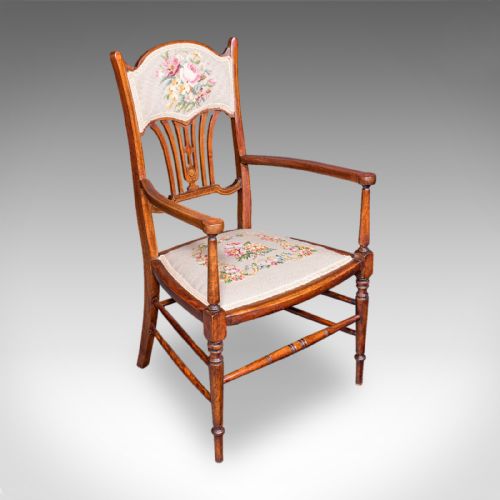
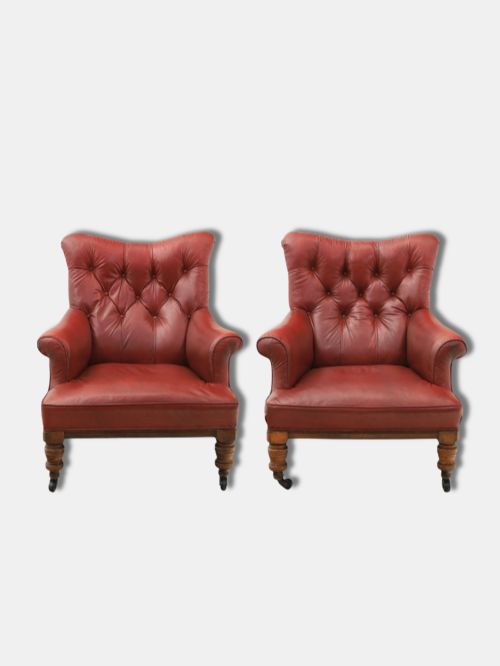
An English antique armchair encompasses seating spanning from early joined oak wainscot forms through to Georgian mahogany carvers, Victorian upholstered reading chairs, and Edwardian styles. The selection frequently includes deep seated upholstered varieties, library chairs, and corner seating.
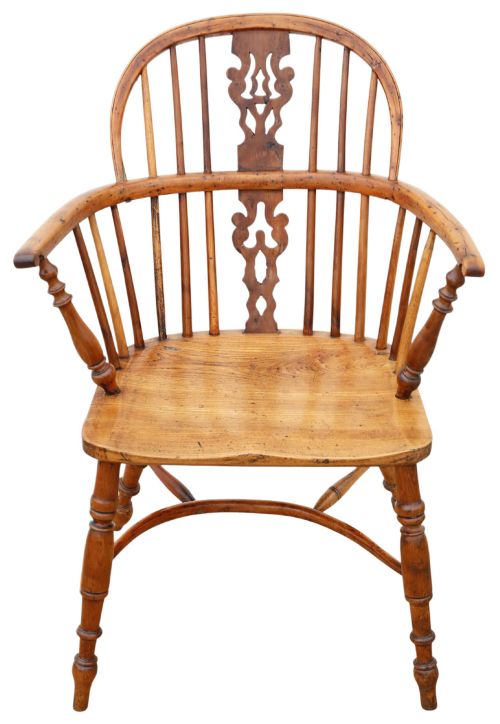
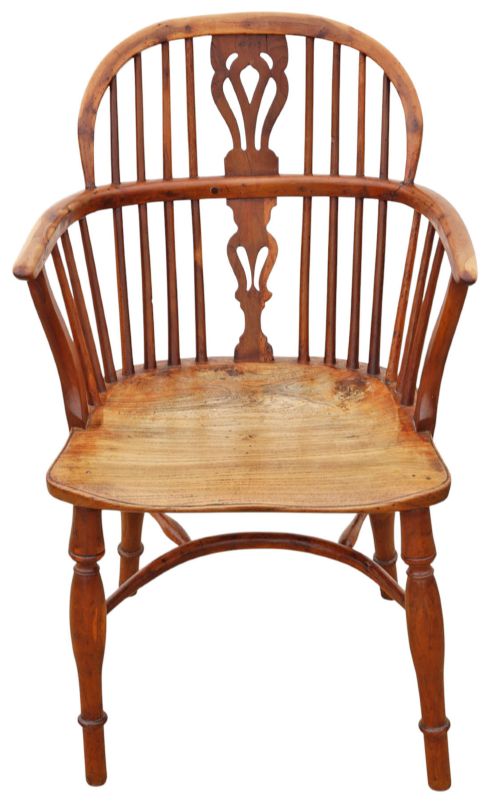
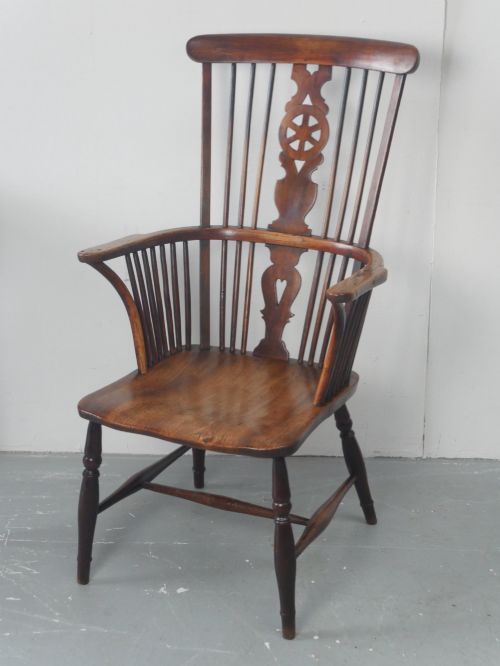
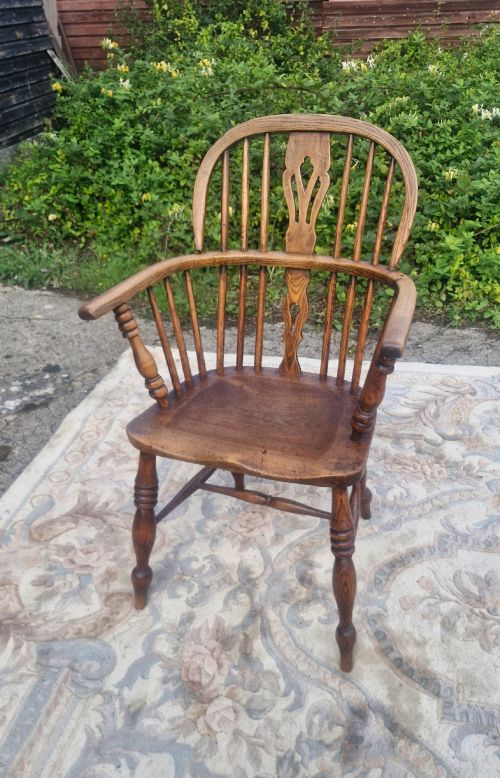
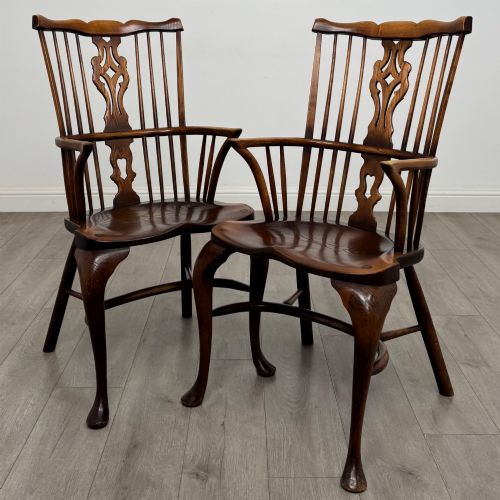
The phrase covers distinct regional and formal traditions, ranging from country elm and ash Windsor chairs to refined salon seating in walnut and mahogany.
Buyers encountering this group will find pieces designed for specific domestic functions, including morning room elbow chairs, fireside wing backs, and revolving office desks.
How they were made
Carpenters and cabinetmakers utilised native and imported hardwoods including oak, mahogany, walnut, fruitwood, elm, and beech, often pairing solid frames with turned, carved, or inlaid decoration.
Upholstered forms incorporated traditional stuffing secured over webbing, finished with calico, leather, or textile covers, whilst structural joints relied on mortise and tenon construction or secure pegging.
Retail Price Guide 2026
Typical UK retail prices for english armchair, calculated from the Sellingantiques database of over a million retail prices indexed since 2003. This retail price guide relies exclusively on Sellingantiques data; no external sources or auction records are used, so the figures do not describe the wider market.
Listings feature walnut, mahogany, oak, brass, and calico upholstery across Victorian, Georgian, and Edwardian periods.
What varies in quality
The standard of an english antique armchair rests on the integrity of its timber frame, the crispness of any hand-carved detailing, and the preservation of original finishes such as early paint or polished patination.
Subtleties in proportion, the balance of turned members like bobbin or spindle work, and the survival of primary upholstery components separate standard regional examples from pieces produced by notable makers.
Howard and Sons·C. Hindley and Sons
The English Armchair Glossary
- Wainscot armchair
- An early heavy wooden armchair constructed with panelled backboards and turned supports, typical of seventeenth-century joinery.
- Carver chair
- A term applied to an armchair, often matching a set of dining chairs, utilised at the head of a table or as an occasional seat.
- Slipper chair
- A low-seated upholstered chair originally designed for use in a bedroom for dressing.
- Windsor chair
- A traditional country chair featuring a solid wooden seat into which bent limbs and spindle backs are wedged.
- Elbow chair
- An alternative historical descriptor for an armchair, highlighting the presence of armrests for resting the arms.
Frequently Asked Questions
How do I date an antique armchair?
Dating relies on examining the timber species, construction methods such as hand-cut joints, and stylistic details characteristic of periods like the Georgian or Victorian eras.
Comparing structural turning, hardware, and upholstery techniques helps narrow the decade of manufacture.
Were these chairs used for dining or lounging?
Usage varied entirely by form, with sturdier mahogany carvers and oak spindle-backs serving at dining tables and desks.
Upholstered barrel backs, slipper chairs, and low library seats were built specifically for relaxation in parlours and morning rooms.
How should I care for leather upholstery?
Historic leather benefits from gentle cleaning and occasional specialist conditioning to maintain suppleness and prevent cracking over time.
Keeping the chair away from direct heat sources preserves both the hide and the underlying wooden frame.