



End Support Table
When you search for end support table, you find a sturdy form designed with strong pedestals or trestle ends to hold heavy timbers.
End Support Table
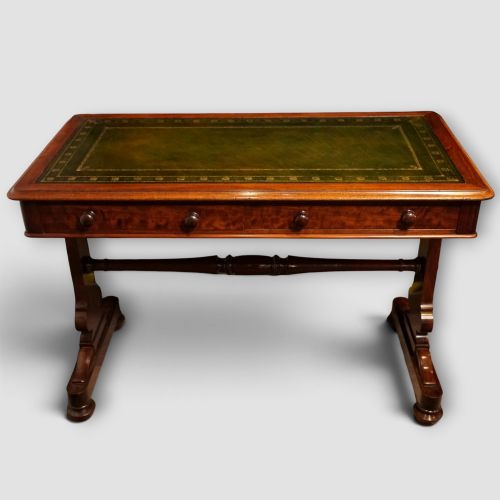
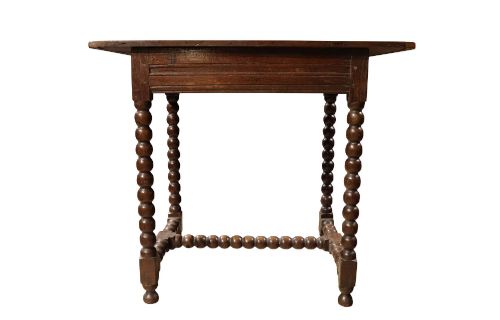
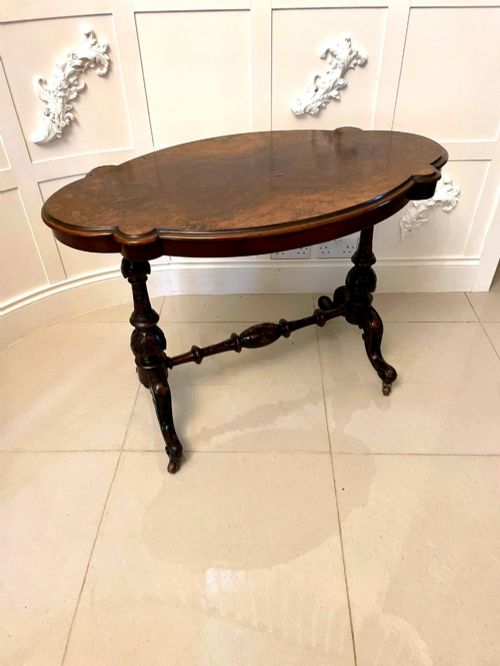
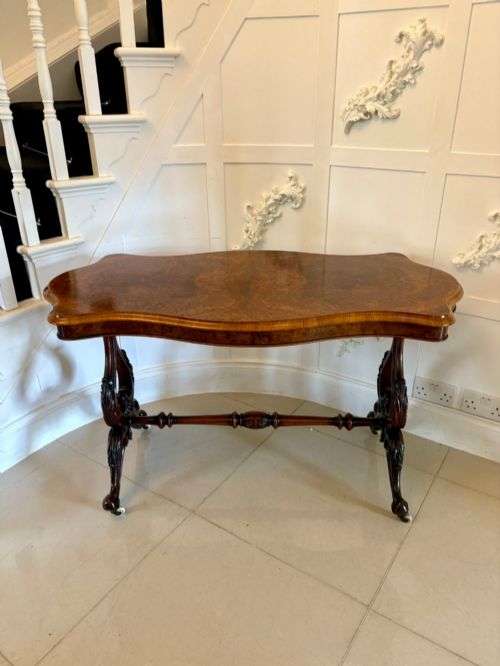
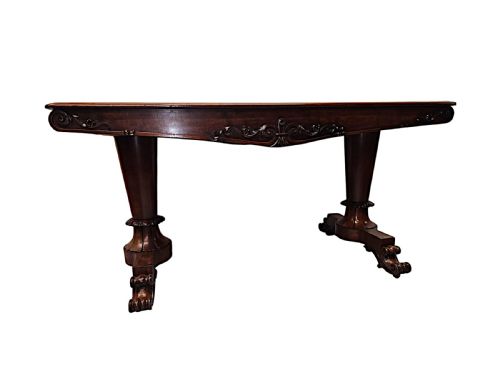
An end support table relies on vertical pillars, lyres, or trestles at each side to hold the top rather than four corner legs. This construction leaves ample space underneath for seating or drawers, making these pieces practical for writing, sewing, and card games. You will frequently meet Regency and William IV examples built in rich timbers.
The evidence shows these forms spanning centre tables, sofa tables, and library writing tables from the nineteenth century. Makers utilised solid mahogany and rosewood to construct robust frames that stood securely in the middle of a room or against a wall. Such designs often incorporate drop flaps, drawers, or fold-over tops to adapt to domestic tasks.
How they were made
Cabinet makers built these tables using dense hardwoods like mahogany, rosewood, and oak, frequently applying burr walnut or satinwood veneers to the primary surfaces. The structural end supports required heavy turning, carving, or reeded splay legs to bear the weight of the top securely.
Many examples feature brass details such as casters, paw feet, or inlay lines that accent the dark timber. Secondary woods support the interior drawer linings, while crossbanding provides a neat border around the rectangular or D-shaped tops.
End Support Table Retail Price Guide 2026
Typical asking prices for end support table among the pieces listed under this phrase on Sellingantiques today, from the lower quarter to the upper quarter. They describe what is for sale here now, not the wider market.
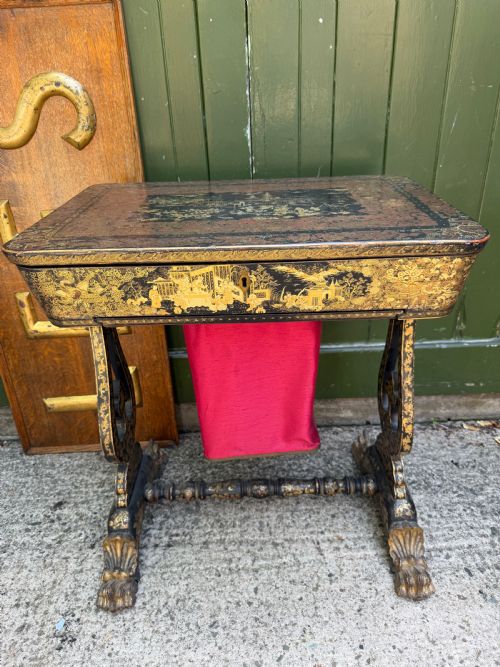
A sewing table comes with hidden compartments for miniature spools.
What varies in quality
Quality rests on the selection of timber figures, such as figured mahogany or burr walnut, and the precision of the joinery on the end supports. Tables bearing maker attribution marks or stamps demonstrate superior workshop execution and command attention from collectors.
The refinement of the carving on the lyres or pedestals distinguishes standard production from exceptional pieces. Attention to detail in the drawer construction and matching veneer grains separates standard domestic furniture from high-end library pieces.
Williams and Gibton·Gillows·Wilkinson, Ludgate Hill
The End Support Table Glossary
- End support
- A form of table construction where vertical pedestals, pillars, or lyres at each end bear the weight instead of standard corner legs. This layout clears floor space around the base.
- Sofa table
- A rectangular occasional table traditionally placed in front of a sofa, equipped with drop leaves on either side and small drawers. These pieces often feature double end supports joined by a stretcher.
- Lyre
- An architectural or furniture support carved in the shape of an ancient Greek stringed musical instrument. Makers utilised this shape extensively on Regency and William IV pedestals.
- Crossbanding
- A border of veneer laid around the perimeter of a table top with the wood grain running perpendicular to the centre panel. This technique frames the primary timber surface.
- Stretcher
- A horizontal wooden bar connecting the vertical end supports to provide structural rigidity. On these tables, the stretcher runs low between the pedestals.
End Support Table: Frequently Asked Questions
What is an end support table?
An end support table is a freestanding piece of nineteenth-century furniture that uses vertical pedestals or lyres at each end rather than four corner legs. This structural design provides clear space beneath the top for seating or integrated drawers.
Craftsmen built these tables primarily as library desks, sofa tables, and centre tables using dense timbers like mahogany and rosewood. The heavy end supports ensure the frame remains stable without needing corner legs.
Where were these tables placed?
These tables stood in principal rooms such as libraries, drawing rooms, and parlours during the Regency and Victorian eras. Centre tables sat in the middle of a room to display books and lamps, while sofa tables stood directly against the backs of seating.
The finished appearance on all sides allowed these pieces to occupy central floor spaces rather than hugging walls. Writing tables often sat near windows to catch natural light for correspondence and paperwork.
How do I date an end support table?
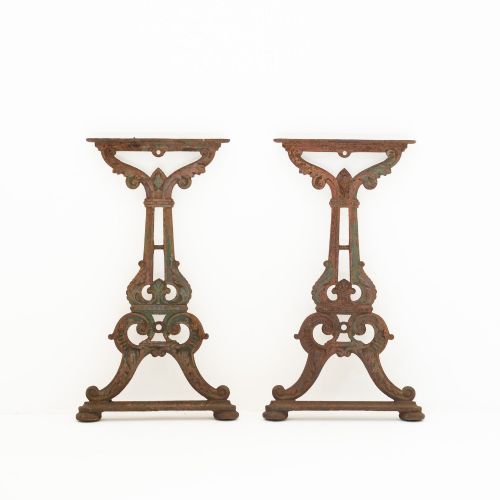
Dating relies on observing the timber choices, turning styles, and structural characteristics recorded across the nineteenth-century periods. Regency and William IV examples frequently feature rosewood with brass inlay and carved lyre supports, while later Victorian pieces often utilise burr walnut or cast iron bases.
Examining secondary woods inside the drawers and the presence of maker stamps helps narrow down the decade of production. Stylistic shifts from delicate reeded legs to heavy architectural pedestals mark the transition through the decades.
How do I care for antique timber?
Care involves keeping these tables away from direct heat sources and sudden humidity changes that cause old veneers to lift. Regular dusting with a dry lint-free cloth preserves the polished finish of mahogany and rosewood surfaces.
Applying occasional appropriate wax feeds the dry nineteenth-century timber without building up heavy residue. Avoiding placement in strong sunlight prevents the rich natural tones of the wood from fading over time.