


End of Bed Sofa
These end of bed sofa pieces provide a practical and decorative seating solution at the foot of a bed, drawing on diverse revival styles and period forms.
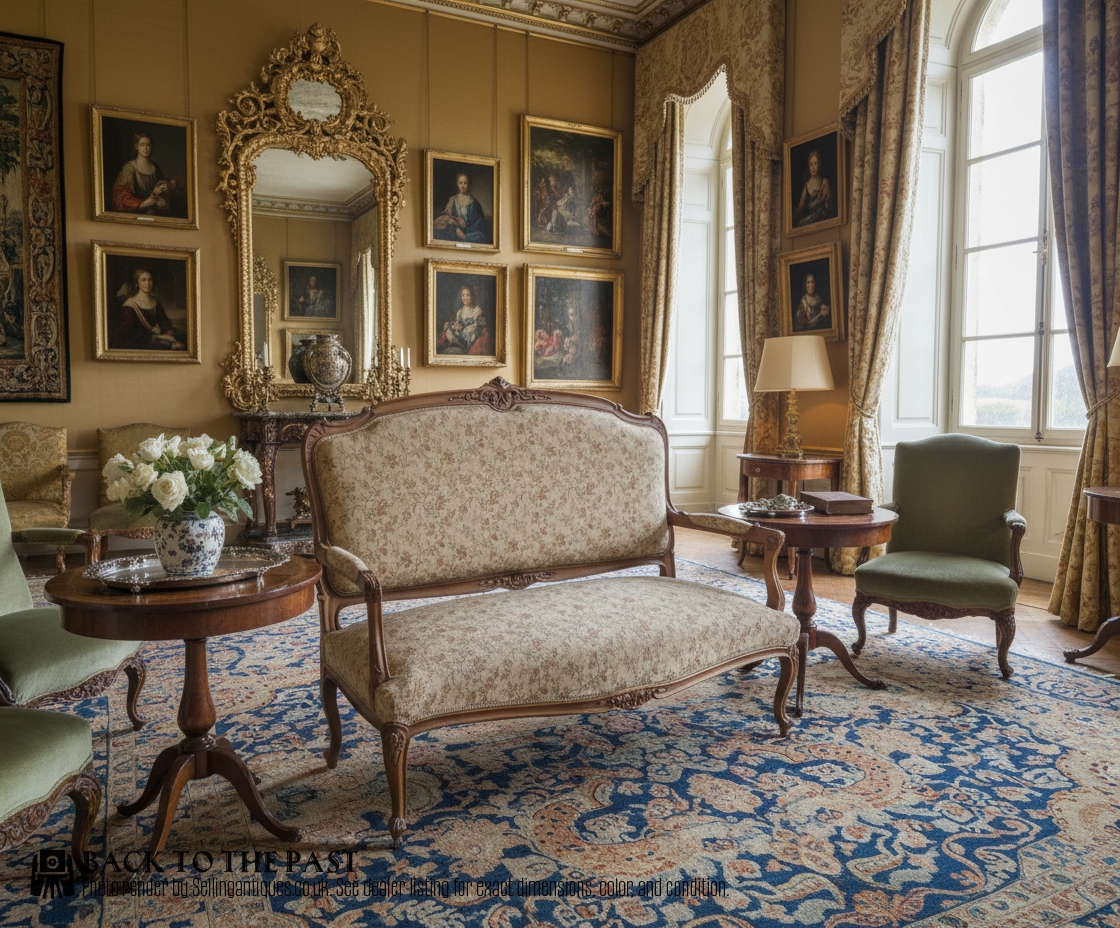
End of Bed Sofa
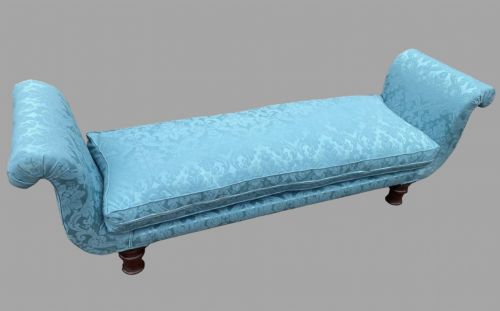
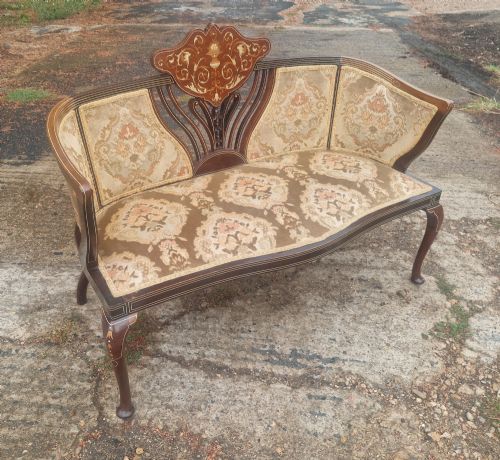
An end of bed sofa serves as a functional and decorative furniture piece designed to sit neatly at the foot of a bed. Buyers searching for an end of bed sofa will encounter various historical forms, most commonly Edwardian inlaid versions and late Victorian upholstered settees.
The selection spans multiple forms including daybeds, window seats, and compact two-seater settees. Many pieces date from the Edwardian era, often featuring mahogany frames and inlaid satinwood or bone details.
Earlier examples from the nineteenth century bring heavier timbers like walnut and mahogany into the category, alongside French Empire and revival styles. Buyers also find daybeds and chaise longue sofa options within this specific furniture group.

How they were made
Construction relies heavily on traditional timber framing, with mahogany, walnut, and general wood being the primary materials used for the structural carcasses. Cabinetmakers utilised techniques such as inlaying satinwood and bone to decorate Edwardian frames.
Upholstery methods varied from simple padded window seats to complex damask upholstery and fabric coverings. Turned and carved wooden supports give stability to the daybeds and settees.
Materials recorded across these pieces include brass, damask upholstery, satinwood, and various timbers such as mahogany and walnut.
What varies in quality
The finesse of the timber framing and the execution of decorative inlays dictate the standard of each piece. Superior examples show crisp carving in the mahogany or walnut woodwork and careful placement of satinwood and bone.
The standard of upholstery and the integrity of the original frame structure separate standard items from finer specimens. Well-preserved fabric and sturdy joinery indicate superior craftsmanship.
The End of Bed Sofa Glossary
- Edwardian
- Pertaining to the reign of King Edward VII, spanning the early twentieth century. Pieces from this period often display lighter proportions and refined inlay work.
- Satinwood
- A durable, yellowish wood used for decorative veneers and inlays. It contrasts sharply with darker timbers like mahogany.
- Damask upholstery
- A reversible figured fabric traditionally used for heavy furnishing. It provides a textured and durable surface for seating.
End of Bed Sofa: Frequently Asked Questions
Where should an end of bed sofa go?
These pieces fit naturally at the foot of a standard bed frame, mirroring its width and providing a comfortable spot for dressing.
They also work well against a bedroom wall or beneath a window when floor space requires a different arrangement.
How do I identify an Edwardian end of bed sofa?
Edwardian examples frequently incorporate lighter woods, delicate mahogany frames, and inlaid satinwood or bone details.
They tend to feel less bulky than their nineteenth century predecessors, reflecting the aesthetic preferences of the early twentieth century.
What is the difference between a daybed and an end of bed sofa?
A daybed generally includes a raised end or back designed for reclining fully during daylight hours.
An end of bed sofa is usually scaled specifically to match the width of a bed base and functions primarily as a seat rather than a lounger.
What materials are common in these sofas?
Mahogany and walnut form the structural basis for the majority of these frames. Upholstery frequently consists of patterned fabrics or damask over traditional padding.
Inlay work often utilises satinwood and bone to add decorative contrast to the timber surfaces.