
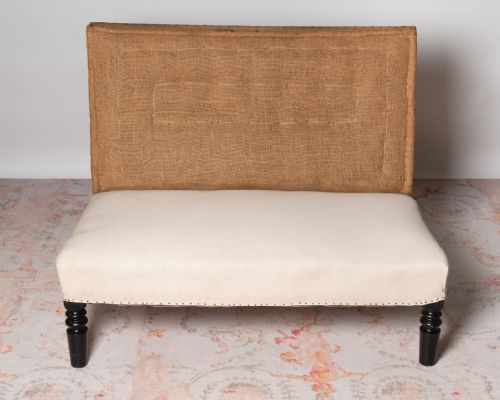
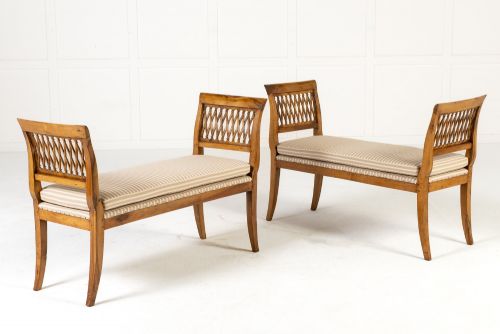
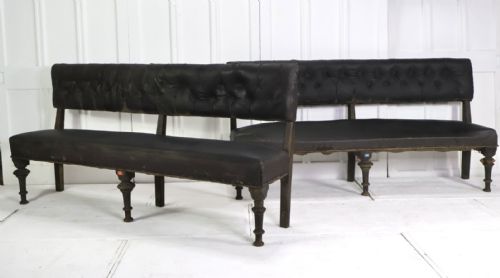


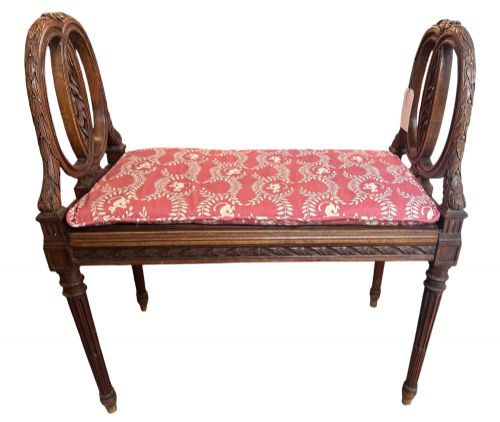


Antique Banquette Seat
An antique banquette seat provides long, linear or corner seating with distinct regional French or country character.
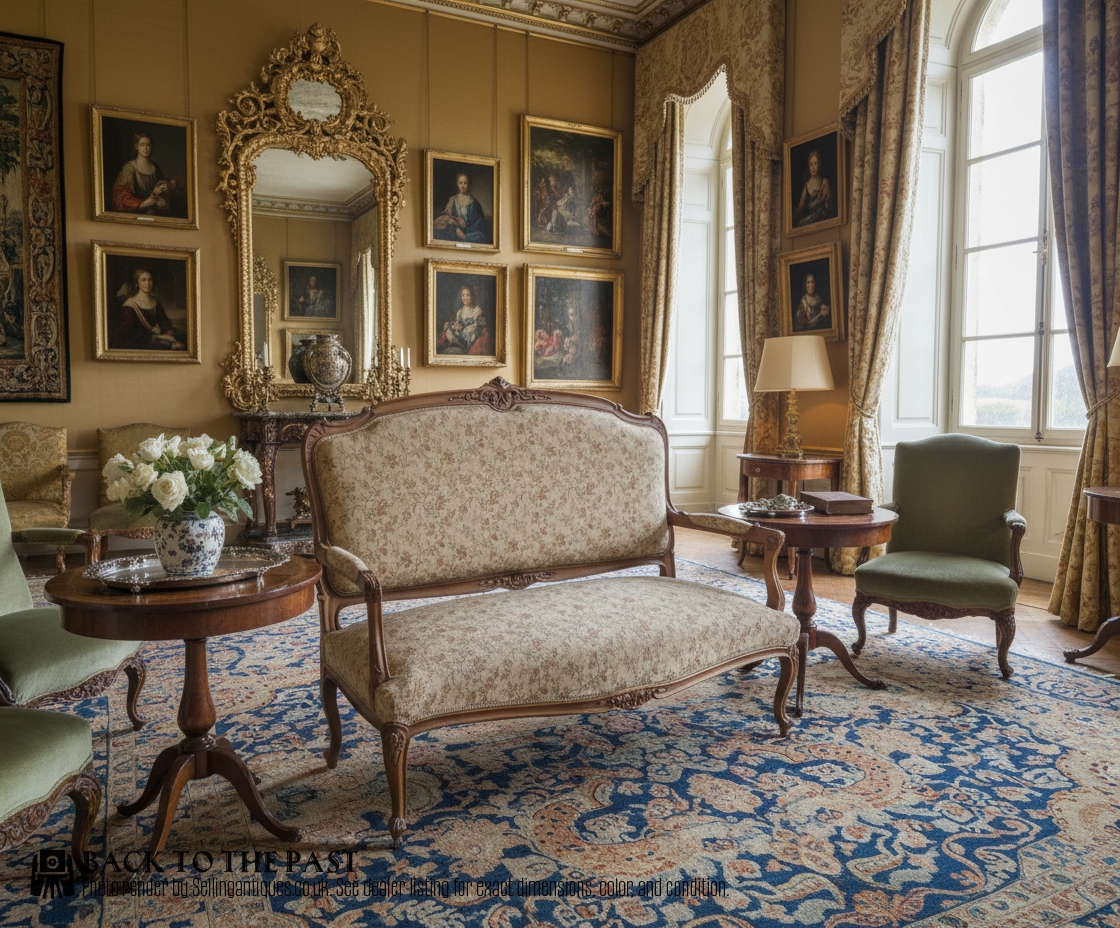
Antique Banquette Seat
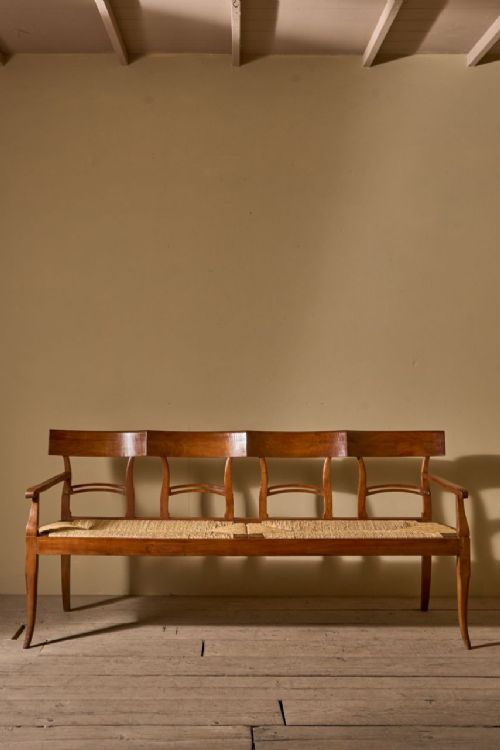
An antique banquette seat serves as an elongated bench, sofa, or window seat designed for communal resting spaces within a room. When exploring this selection, buyers encounter various formats including hall benches, corner sofas, and window seats originating primarily from the nineteenth century.
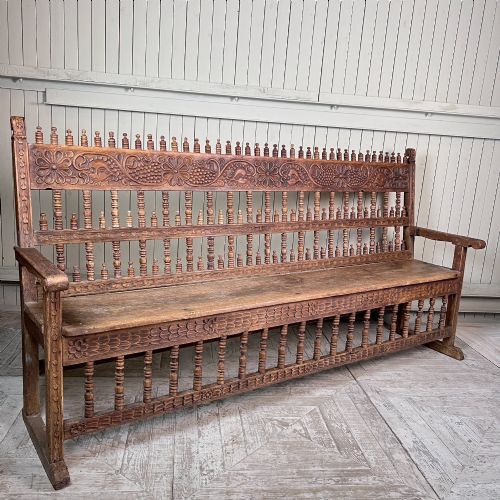
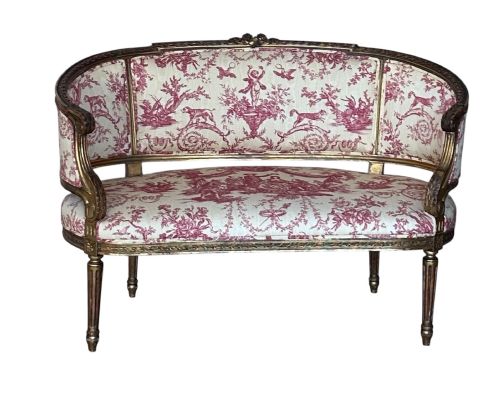
The pieces present distinct stylistic influences such as French Provincial, Louis XV, Louis XVI, and Spanish Colonial designs. Walnut, cherrywood, oak, and beech form the structural framework for these long seating arrangements.
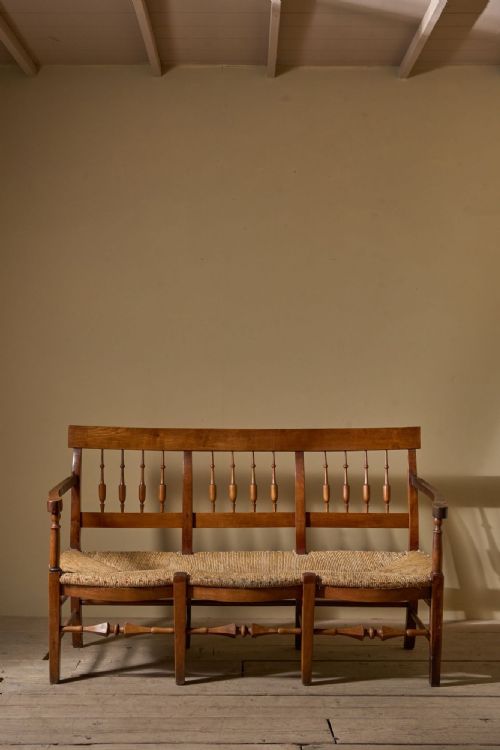
Many examples incorporate rush seating, cane panels, leather button backs, or upholstered fabric finishes. Originating from country houses, chateaux, and regional workshops, these seats bridge the gap between utilitarian benches and decorative parlour sofas.
How they were made
Carpenters and joiners utilised solid hardwoods such as walnut, oak, mahogany, and beech to construct the sturdy frames. Carved detailing adorns the woodwork on many pieces, reflecting regional craftsmanship and specific period aesthetics like the Louis styles.
Seating surfaces often relied on woven natural materials such as rush and cane. Alternatively, makers applied leather, velvet, and various upholstered fabrics over padding, frequently enhanced with button back tufting or decorative trim.
The listings span the eighteenth, nineteenth, and early twentieth centuries, featuring wood, cane, rush, giltwood, and fabric materials.
What varies in quality
The refinement of the carved wooden frame and the choice of primary timber distinguish different tiers of workmanship. Finer examples display intricate hand-carved details in giltwood, walnut, or beech rather than basic joined pine.
The original integrity of woven cane, rush, or traditional upholstery significantly influences the character of each piece. Superior items retain their original painted surfaces, folk art decoration, or high-grade leather without compromising the underlying structural joinery.
Gillows
The Antique Banquette Seat Glossary
- Banquette
- A long upholstered or wooden bench seat designed for seating multiple people along a wall or within a room. These forms frequently appear as window seats or dining benches.
- Canapé
- A traditional French settee or sofa featuring an upholstered back and arms supported by an exposed wooden frame. These pieces often exhibit Louis XV or Louis XVI stylistic traits.
- Caning
- A woven lattice pattern created using strips of rattan or reed stretched across chair or bench frames. This technique provides a resilient yet lightweight seating surface.
- Rush
- A marsh plant material twisted and woven to create durable seats for country benches and chairs. It remains a hallmark of traditional rustic seating construction.
- Settle
- A wooden bench featuring a high back to block draughts, often incorporating enclosed storage beneath the seat. These robust items typically originate from country houses and domestic interiors.
Antique Banquette Seat: Frequently Asked Questions
Where should a banquette seat be placed?
These long seats suit narrow hallways, large bay windows, or the end of a bedroom. Their linear or corner shapes allow them to fit snugly against walls without obstructing pathways.
They also function effectively alongside dining tables or within reception rooms to provide extended informal seating.
How do I care for antique upholstery?
Protect fabric and leather surfaces from direct sunlight to prevent fading and drying over time. Regular gentle dusting preserves woven textiles and delicate velvet trims.
Avoid harsh chemical cleaners on painted or gilded wooden frames to maintain the integrity of the original finish.
How do I identify French regional styles?
French Provincial and country pieces display simpler lines and rustic woods like cherry or bleached oak. Louis XV and Louis XVI designs incorporate curved cabriole legs, carved giltwood, and refined symmetry.
Examining the carving depth and timber choice reveals whether a piece originates from a formal chateau or a rural workshop.