




Enamel Porcelain Fruit Bowl
These enamel porcelain fruit bowl examples bring rich hand-painted colour and diverse global styles straight to the table.
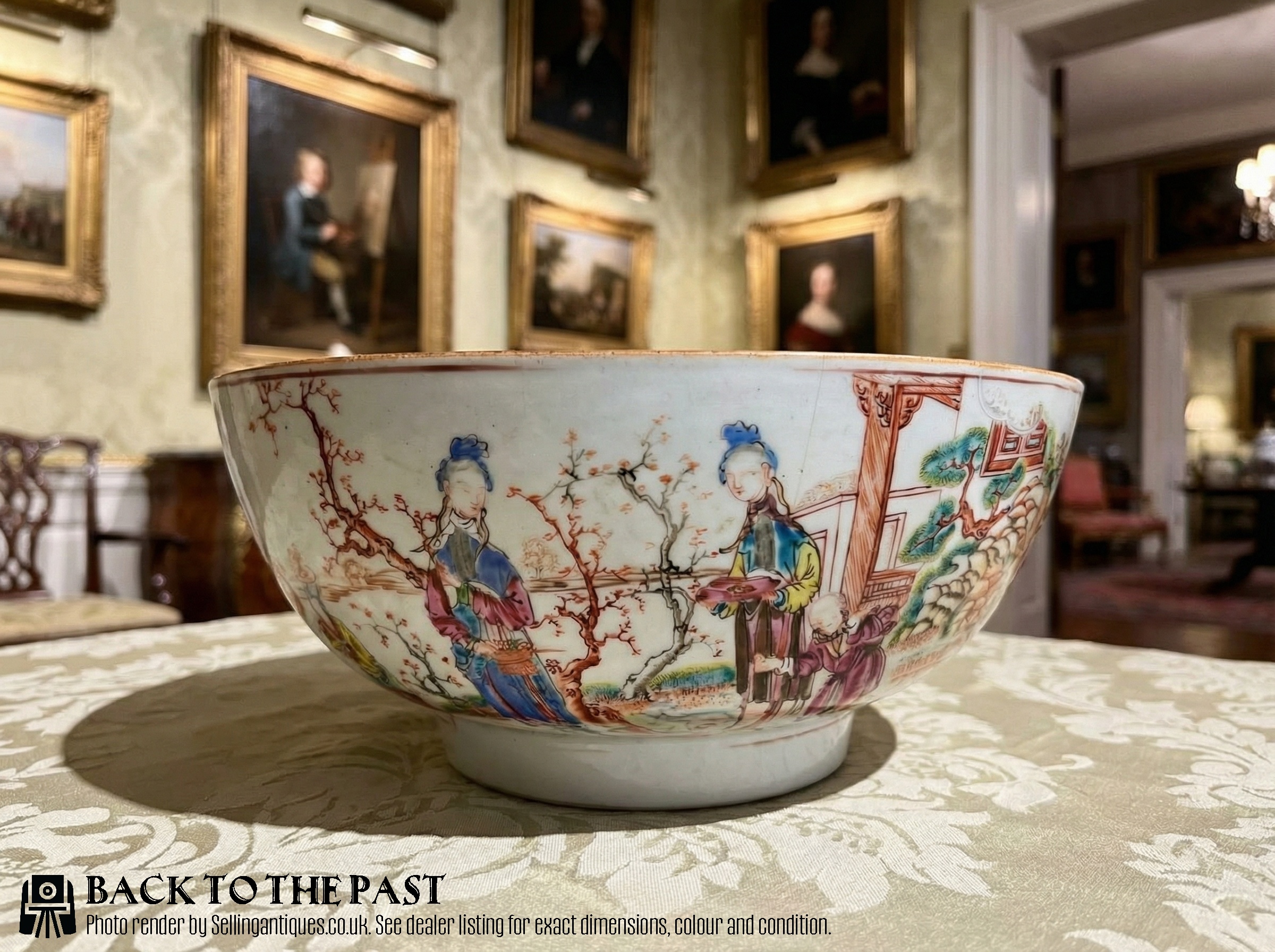
Enamel Porcelain Fruit Bowl
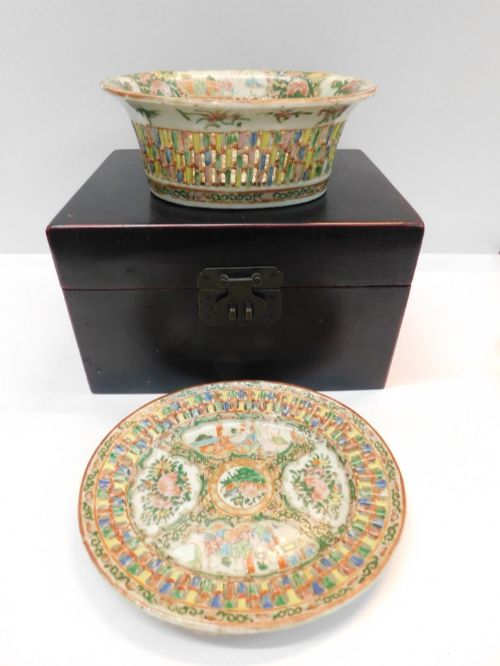
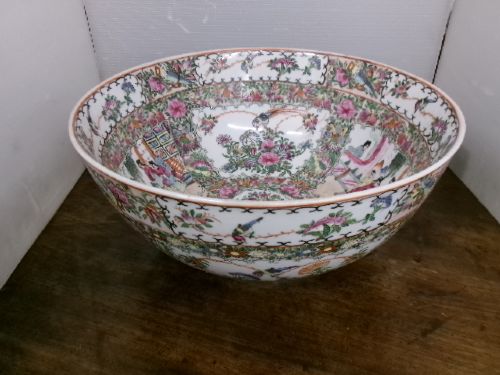
An enamel porcelain fruit bowl represents a broad spectrum of decorative vessels created across different centuries and continents. When searching for this term, collectors encounter various forms ranging from large punch bowls to pedestal dishes and reticulated chestnut baskets.
The pieces on this page span several distinct origins, including Chinese Export, Qing Dynasty, Japanese Meiji period, and 18th-century continental workshops. Such variety means buyers find everything from armorial style porcelain to vibrant hand-painted floral motifs.
Forms often overlap in domestic use, serving equally well as centrepieces or decorative dishes. The materials and periods represented here reflect centuries of skilled ceramic production across Asia and Europe.
How they were made
Makers shaped these vessels from fine porcelain and earthenware before applying detailed enamel decoration by hand. Many examples incorporate cobalt blue motifs, delicate gilding, and gold leaf to highlight intricate surface patterns.
Techniques varied from traditional Chinese Famille Rose palette work to Japanese Satsuma and Imari glazing methods. Some specialised forms, such as chestnut baskets, also feature reticulated or half-pierced galleries created through meticulous cutting before firing.
Some bowls feature half-pierced galleries originally designed to let fruit breathe while looking remarkably ornamental on the sideboard.
What varies in quality
Quality in these bowls rests primarily upon the precision and complexity of the hand-painted enamel work. Pieces featuring finely articulated brushwork and rich gilding stand apart from simpler decorative wares.
The ambition of the form also dictates the tier of the piece, as seen in large punch bowls with intricate armorial designs or pierced galleries. Signatures by notable makers add a layer of distinction to individual items.
Samson Of Paris·Kozan
The Enamel Porcelain Fruit Bowl Glossary
- Famille Rose
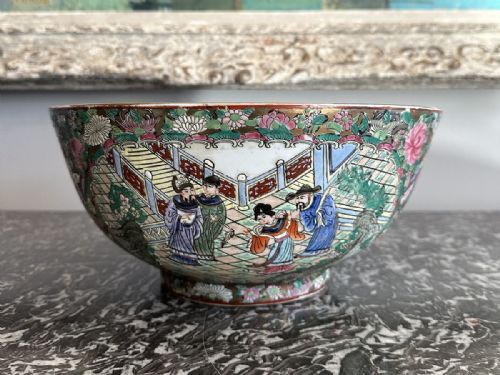
- A prominent palette of opaque enamel colours introduced in Chinese ceramics during the Qing dynasty, dominated by pink and rose shades. This technique allowed for remarkable nuance in floral and figurative painting.
- Imari
- A traditional style of Japanese porcelain featuring a distinct colour scheme of cobalt blue, iron red, and gold. These pieces were extensively produced for export and prized for their bold patterns.
- Reticulated
- Describes ceramic or basketry work featuring an openwork lattice pattern formed by cutting through the clay before firing. This technique requires considerable skill to prevent warping in the kiln.
- Armorial
- Refers to porcelain decorated with specific family crests or coats of arms, often commissioned by European nobility from Chinese export workshops. These bespoke items hold particular historical interest for collectors.
- Satsuma
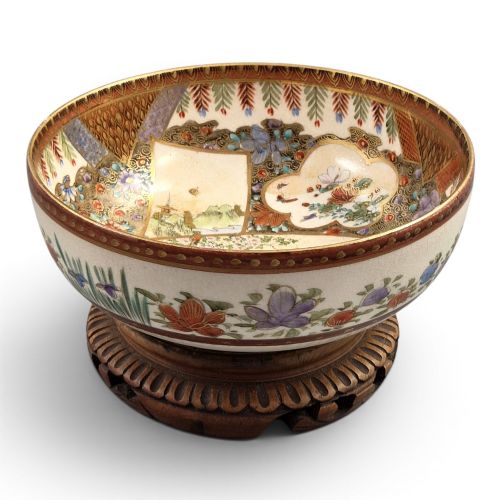
- A type of Japanese earthenware featuring a crackle-glaze finish decorated with polychrome enamels and gold. It gained widespread popularity during the Meiji period for its detailed pictorial scenes.
Enamel Porcelain Fruit Bowl: Frequently Asked Questions
What periods do these bowls come from?
The pieces span multiple eras, primarily featuring items from the eighteenth and nineteenth centuries alongside twentieth-century examples.
Specific listings highlight distinct periods such as the Qing Dynasty and the Meiji period, reflecting diverse historical manufacturing traditions.
How were these bowls originally used?
Many of the larger vessels served as punch bowls for communal gatherings or as decorative display dishes in grand interiors.
Specialised forms like reticulated baskets were designed for serving fruit or chestnuts at the dining table.
Are these pieces hand painted?
The majority of these bowls feature hand-applied enamel decoration, showcasing detailed pictorial scenes, floral motifs, and armorial designs.
Painters used various palettes, including cobalt blue and the Famille Rose range, applied directly onto the porcelain body.
How do I distinguish regional styles?
Regional differences appear clearly in the choice of motifs, glazing techniques, and colour palettes used by the makers.
Chinese export pieces often display Famille Rose or cobalt blue designs, whereas Japanese examples frequently showcase Imari or Satsuma characteristics.
Can I use these bowls for serving food?
While these vessels were historically made for dining and hospitality, many collectors today treat antique porcelain primarily as decorative art.
Careful handling is recommended due to the delicate nature of historic enamels and gold leaf detailing.