

Enamel Painted Porcelain
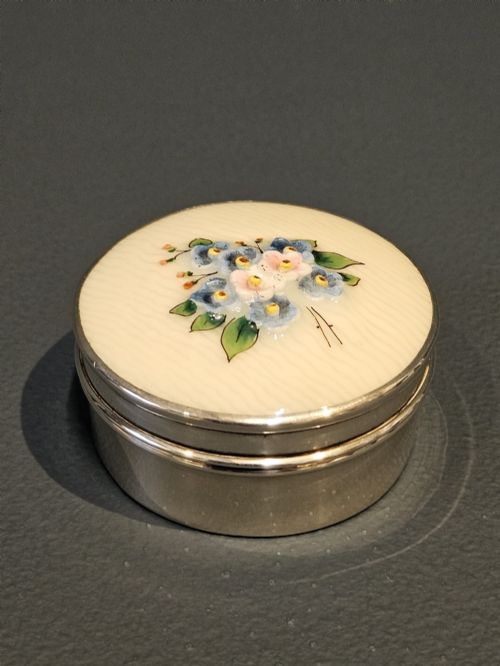
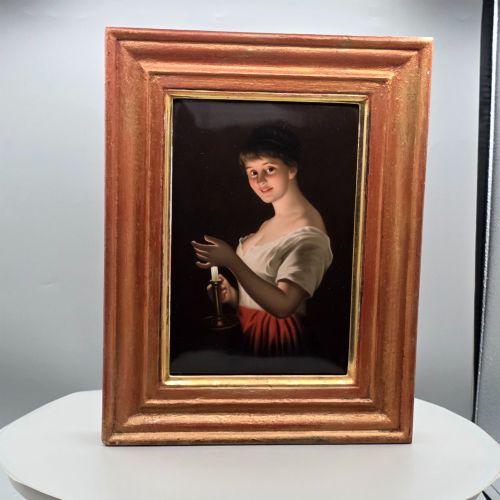
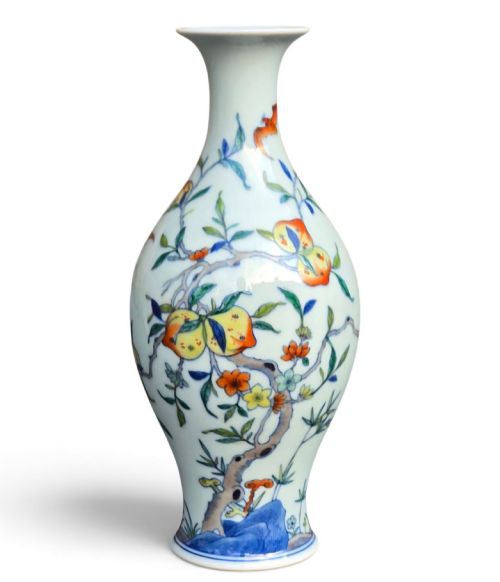
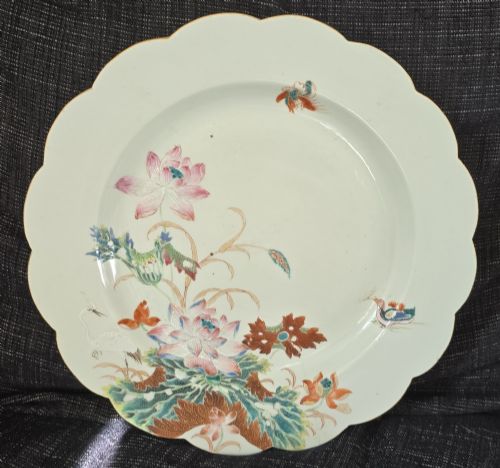
Enamel painted porcelain brings together vibrant mineral pigments and fine ceramic bodies across centuries of global craftsmanship.
Enamel Painted Porcelain
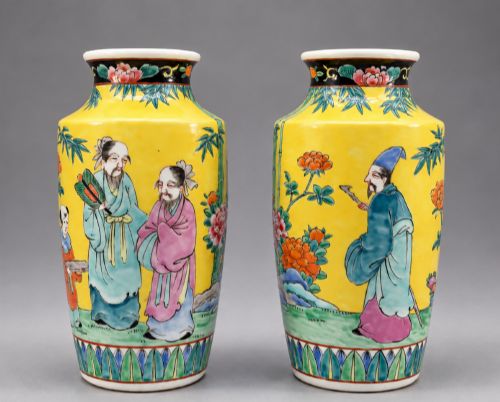
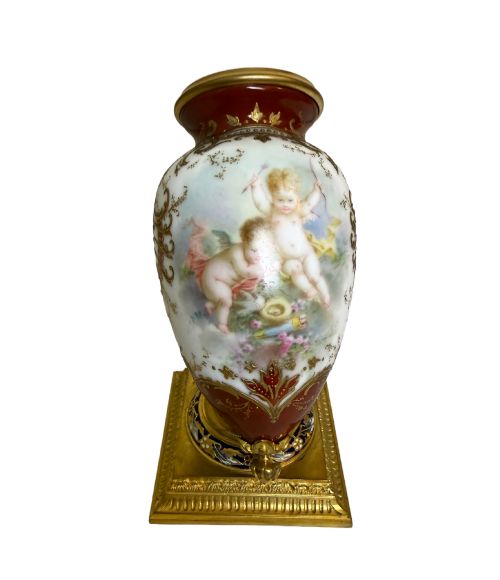
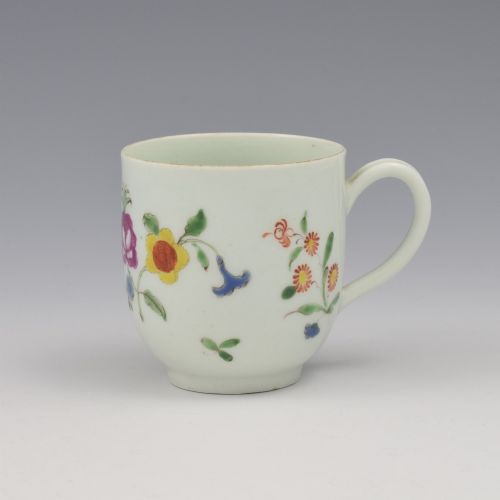
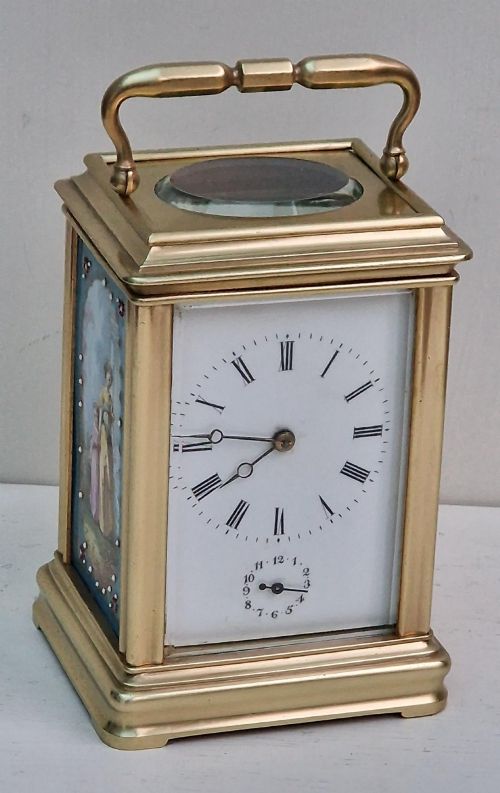
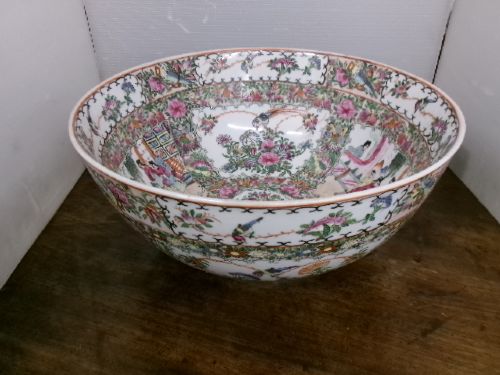
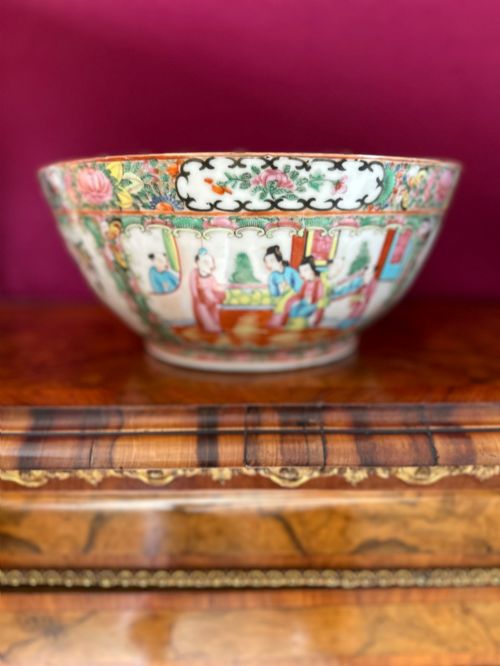
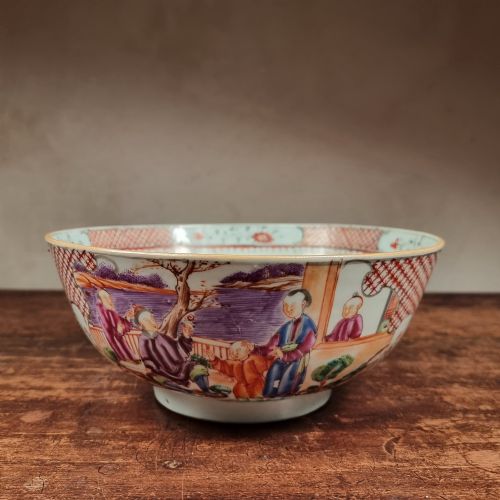
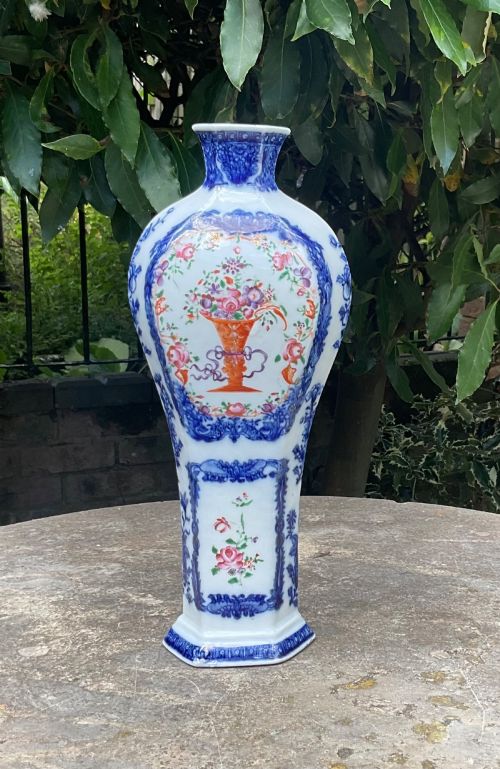
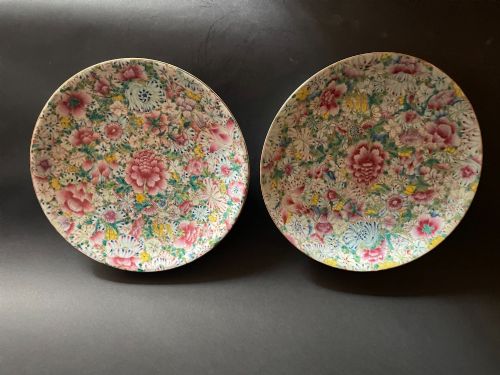
When you search for enamel painted porcelain, you encounter a diverse range of decorative and functional objects spanning the eighteenth to the twentieth centuries. The selection encompasses English soft-paste coffee cups, French gilt-bronze mounted vases, Japanese Kutani chargers, and Chinese export bowls.
Vases, decorative bowls, plates, and figurines dominate the selection, often carrying intricate floral or figurative motifs. Pieces range from small cabinet cups to large jardinières and lidded jars.
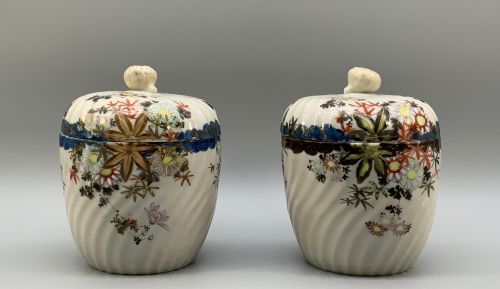
Asian export wares and European factory productions form the core of what is available. English eighteenth-century pieces sit alongside nineteenth-century Chinese Canton wares and Japanese Meiji period Satsuma ceramics.
How they were made
Makers shaped hard-paste or soft-paste porcelain and earthenware bodies before applying initial underglaze or overglaze layers. Firing fixed the foundational ceramic form and glaze prior to detailed surface painting.
Artisans applied enamel colours by hand, frequently incorporating gold leaf and gilt detailing to accentuate panels, borders, and motifs. Subsequent low-temperature firings fused the glass-based enamel pigments to the glazed surface.
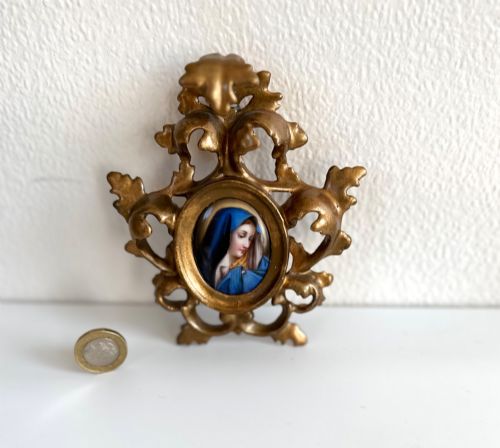
Mounts in gilt bronze or combinations with materials like enamel and hardstone appeared on select European decorative objects such as cassolettes and vases. Hardwood stands sometimes accompanied large Chinese vessels.
Listings feature porcelain forms from the eighteenth, nineteenth, and twentieth centuries, originating from English, French, Chinese, and Japanese traditions.
What varies in quality
The precision and density of the hand-painted brushwork dictate the visual impact of an enamel painted porcelain piece. Superior examples display crisp outlines, nuanced shading, and controlled application of gold leaf.
The sophistication of the ceramic body and the depth of the glaze influence overall desirability. Fine potting, balanced proportions, and well-preserved enamel colours without excessive rubbing distinguish finer specimens.
Porsches and bowls featuring documented factory marks, reign marks, or known artist signatures carry additional historical weight. The integrity of associated elements, such as original hardwood stands or gilt-bronze mounts, affects the standing of an object.
John Bevington·Richard Chaffers·Manpei
The Enamel Painted Porcelain Glossary
- Famille Rose
- A major palette of Chinese ceramic enamels introduced in the eighteenth century, dominated by opaque pink or rose colours. It allowed for subtle tonal gradations in floral and figurative scenes.
- Famille Verte
- A Chinese ceramic palette relying primarily on green enamels, complemented by blue, yellow, and aubergine hues. This style flourished particularly during the Kangxi period and later revivals.
- Soft-paste Porcelain
- An artificial porcelain composition fired at lower temperatures than hard-paste porcelain, developed in Europe to imitate Chinese wares. Early English factories frequently utilised this body.
- Satsuma
- Japanese pottery featuring an ivory-coloured, crackled earthenware glaze decorated with polychrome enamels and gilt. It gained significant popularity for export during the Meiji period.
- Gilt Bronze
- An alloy of copper, zinc, and tin coated with a layer of gold, frequently utilised for mounts on European decorative objects. It provides structural framing for porcelain vases and boxes.
Enamel Painted Porcelain: Frequently Asked Questions
How do I clean enamel painted porcelain?
Dust surfaces gently with a soft, dry brush to prevent accumulation. Avoid abrasive cloths, chemical cleaners, or submerging pieces in water.
Items with gilt detailing or delicate enamel work require particular care. Professional conservation advice is recommended for valuable or fragile items.
What is the difference between Canton and Satsuma wares?
Canton porcelain originates from China, typically featuring vibrant famille rose palettes filled with birds, flowers, and figures. The porcelain body is hard and resonant.
Satsuma ware originates from Japan and consists of a cream-coloured earthenware body with a fine crackle glaze. It relies heavily on dense enamel and gilt decoration.
Can I use these porcelain bowls for food?
Antique enamel painted porcelain is intended primarily for display and decorative use. The overglaze enamels and historic glazes can contain lead or other substances unsuited for modern culinary contact.
Hand-washing and historical wear make these pieces vulnerable to modern detergents and utensils. Enjoy them as visual objects rather than tableware.
How can I tell eighteenth-century porcelain from nineteenth-century copies?
Examine the weight, foot ring, and characteristics of the glaze under magnification. Eighteenth-century pieces often display specific potting flaws, lighter bodies, and hand-mixed pigments characteristic of early factory production.
Nineteenth-century revival wares frequently exhibit heavier potting, brighter standardised enamels, and different gloss levels in the glaze. Comparing known marked examples helps establish baseline characteristics.