






Enamel Painted Porcelain Bowl
An enamel painted porcelain bowl brings centuries of intricate pigment and fired clay together into a single vessel for display or service.
Enamel Painted Porcelain Bowl
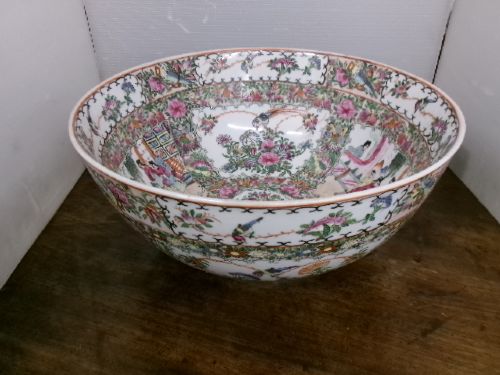
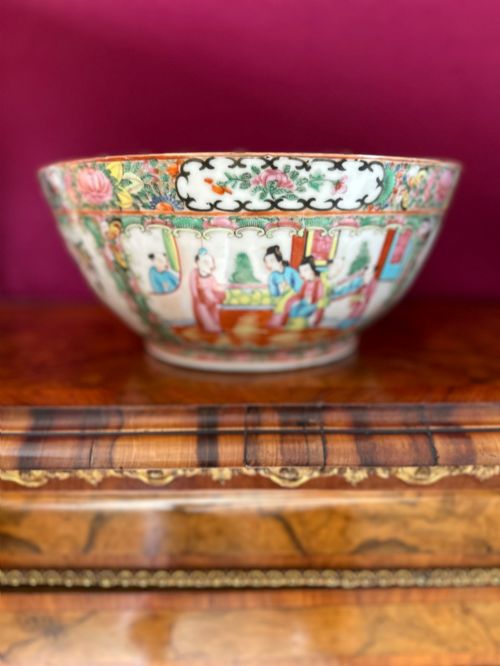
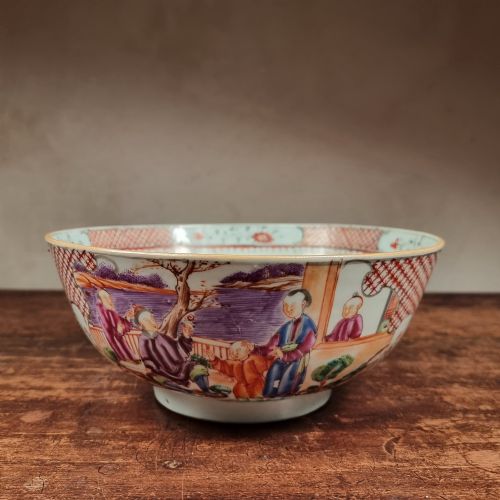
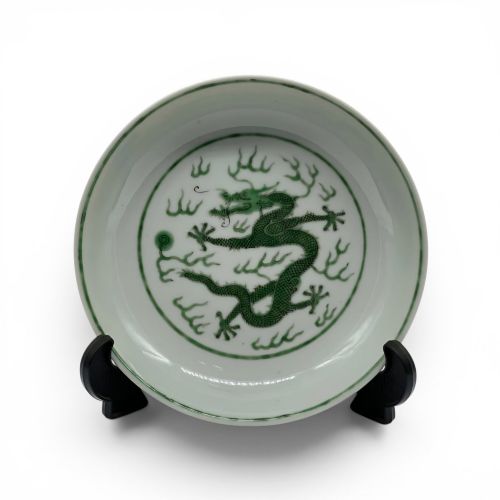
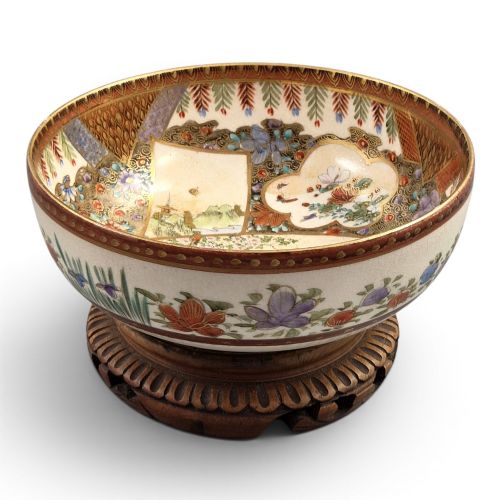
An enamel painted porcelain bowl encompasses a wide variety of forms originating from Asian and European kilns, ranging from deep punch bowls to delicate tea bowls and saucers. When searching for an enamel painted porcelain bowl, buyers frequently encounter pieces created during the Qing Dynasty and the Meiji period, alongside European interpretations.
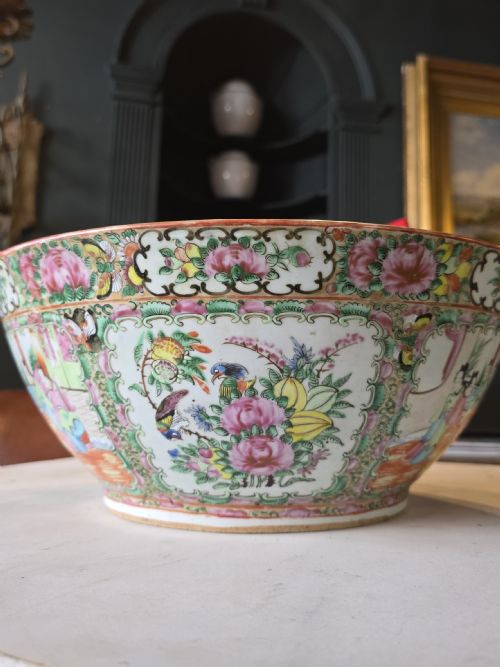
The selection includes large Canton export wares decorated with floral and figural motifs, alongside Japanese Imari, Satsuma, and Kutani pieces. Continental factories such as Worcester, Meissen, and Sèvres also contributed smaller tea vessels and mounted centrepieces to this tradition.
How they were made
Potters shaped fine clay bodies before applying initial underglaze cobalt motifs, followed by firing in high-temperature kilns. Artisans then applied overglaze enamels by hand, often incorporating gold leaf, gilt, and gilding to accentuate the painted scenes.
Certain European vessels integrated these porcelain bodies with gilt bronze mounts or champlevé enamel work. The polychrome pigments required subsequent low-temperature kiln firings to bond the mineral colours to the glazed surface.
Listings feature porcelain bowls spanning the eighteenth and nineteenth centuries, incorporating Chinese export, Japanese Imari, and European factory traditions.
What varies in quality
The refinement of the hand-painted brushwork dictates much of the distinction between standard vessels and exceptional examples. Precise linework in the famille rose or mandarin palettes and the deliberate placement of gold leaf reflect the skill of the painter.
The clarity of the porcelain body and the crispness of the overglaze enamels show the control exercised at the kiln. Signed pieces or those bearing specific reign marks often indicate workshop distinction.
Samson Of Paris·James Giles
The Enamel Painted Porcelain Bowl Glossary
- Famille Rose
- A palette of opaque overglaze enamels dominated by pink or rose colours, introduced during the Qing Dynasty. This technique allowed artists to achieve subtle tonal gradations in floral and figural scenes.
- Imari
- A style of Japanese porcelain decorated in underglaze blue, iron red, and gold. These pieces were largely produced for export from the port of Imari.
- Overglaze Enamel
- Coloured glass powders mixed with an oily medium and painted over a previously fired and glazed porcelain surface. The piece is then fired a second time at a lower temperature to fuse the pigments.
- Punch Bowl
- A large vessel originally designed for mixing and serving alcoholic beverages during social gatherings. They often feature deep basins and expansive painted friezes around the exterior.
- Tea Bowl
- A small, handleless drinking vessel used for tea service. In European and Asian traditions, these were frequently paired with matching saucers.
Enamel Painted Porcelain Bowl: Frequently Asked Questions
How do I care for an enamel painted porcelain bowl?
Wash these vessels by hand using warm water and a mild soap, avoiding abrasive sponges or modern dishwashers that can damage delicate overglaze enamels and gilding. Dry them immediately with a soft cloth to protect the surface.
Display the bowl away from direct sunlight and areas subject to sudden temperature shifts to prevent stress on the antique ceramic body.
What is the difference between Canton and export porcelain?
Canton porcelain refers specifically to items decorated and shipped from the port city of Canton, typically featuring crowded figural scenes, birds, butterflies, and intricate floral borders in vibrant famille rose palettes.
Chinese export porcelain is a broader category that encompasses all wares made in China expressly for Western markets, including armorial designs and European-influenced shapes.
How do I identify a Meiji period Japanese bowl?
Meiji period bowls, spanning from 1868 to 1912, often display dense hand-painted Satsuma earthenware or Kutani porcelain motifs. Look for intricate gold detailing alongside maker signatures or workshop seals painted on the base.
The aesthetic frequently combines traditional Japanese flora and fauna with a decorative intensity driven by the opening of international trade during that era.
Were punch bowls used daily?
Punch bowls served primarily as communal vessels for festive occasions, banquets, and gatherings rather than everyday dining. Their substantial size accommodated large volumes of mixed beverages, often displayed prominently on sideboards when not in use.
Because of this social function, many surviving examples retain well-preserved interior enamel decoration intended to be seen as the liquid was consumed.