

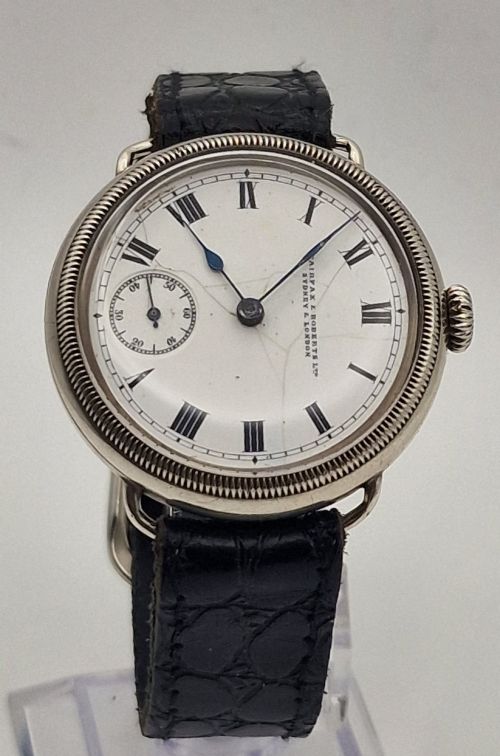
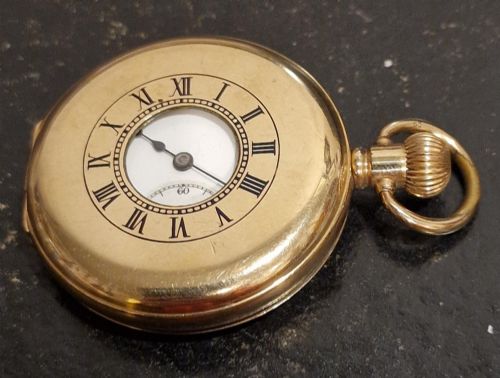
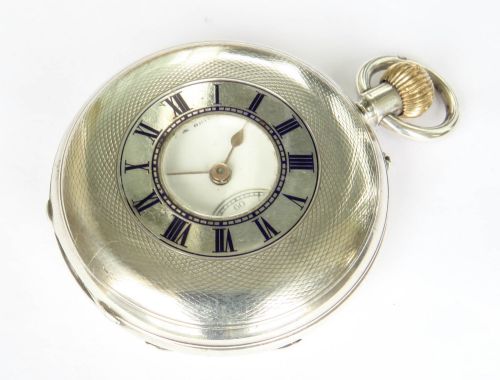
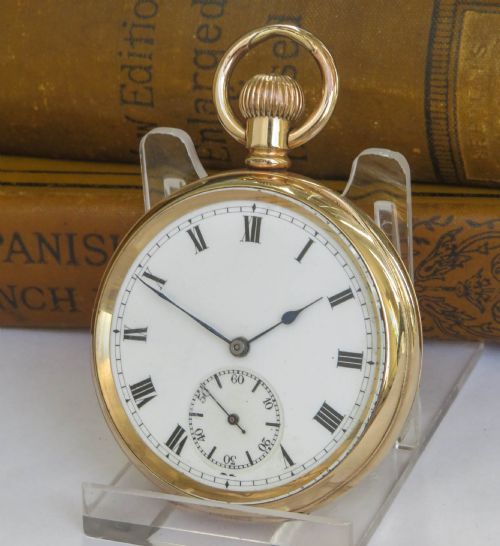
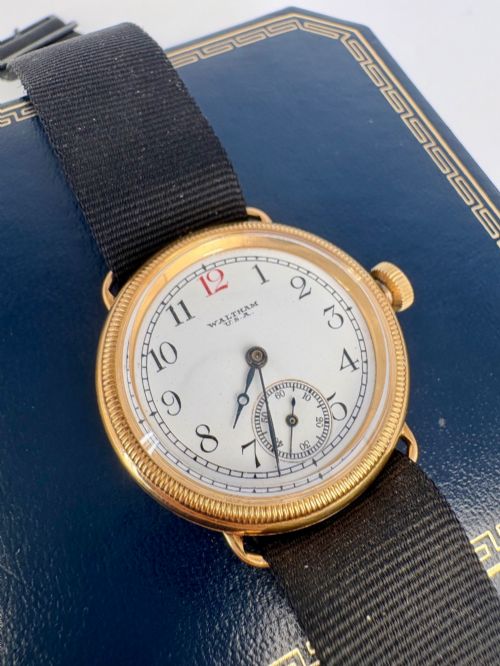
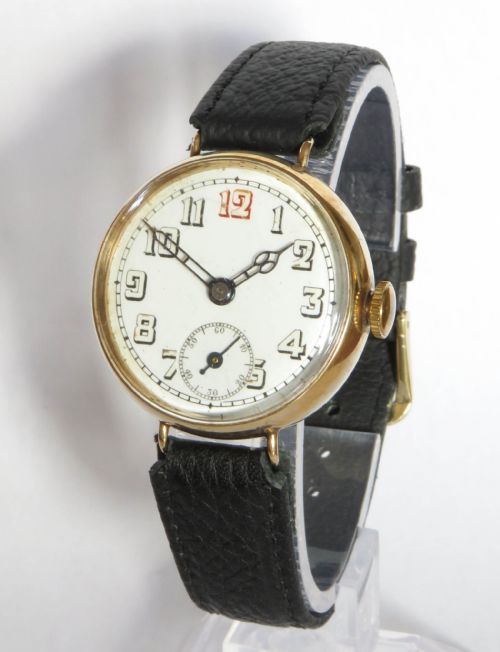
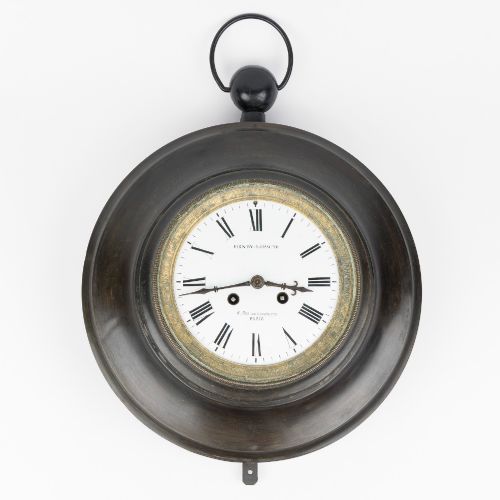
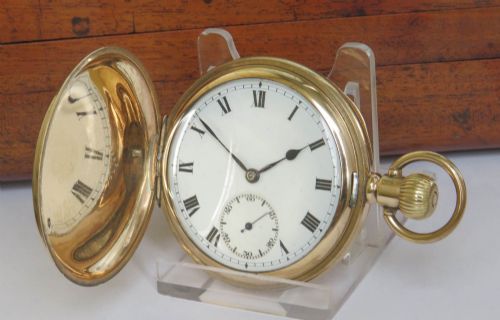
Enamel Dial Watch
An enamel dial watch brings the crisp, bright legibility of fired glass to your pocket or wrist, carrying a century or more of horological craftsmanship.
Enamel Dial Watch
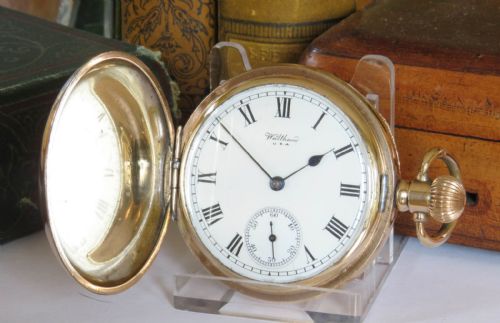
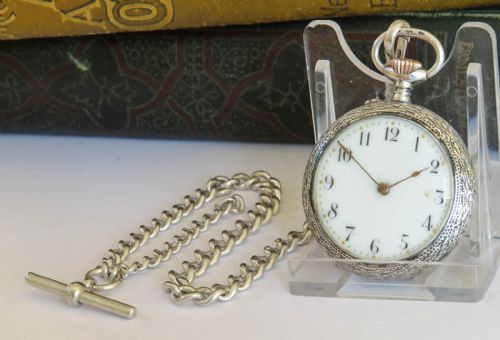
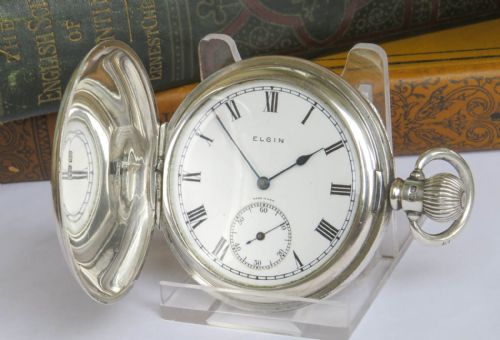
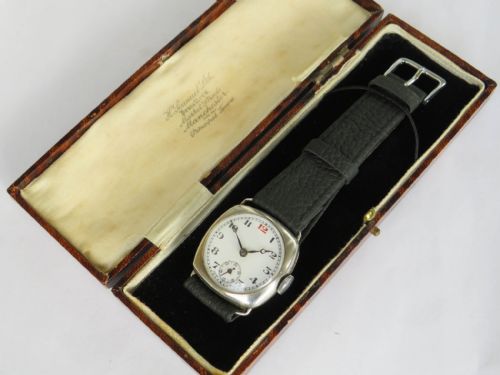
When you search for an enamel dial watch, you are looking at timepieces spanning from the eighteenth century through to the mid-twentieth century. The selection ranges from pocket watches and fob watches to wristwatches, reflecting how timekeeping evolved from the waistcoat pocket to the wrist. Victorian and Edwardian examples sit alongside Art Deco and later twentieth-century designs.
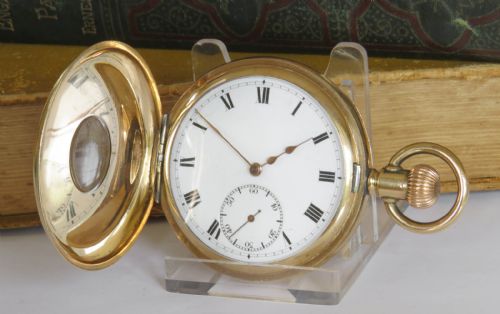
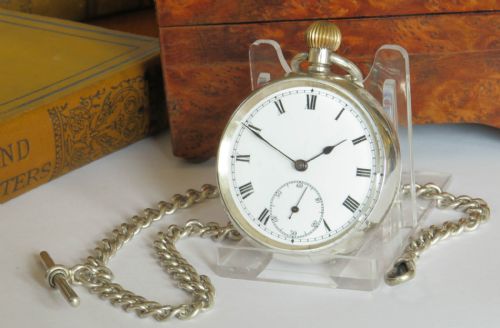
Pocket watches dominate the forms on this page, appearing in full hunter, half hunter, and open-face configurations. You will encounter silver cases, gunmetal, nickel, gold plate, and occasionally horn-backed pair cases. Makers such as Waltham, Elgin, Omega, and Revue provide the mechanical backbone for these durable survivors.
Materials and construction
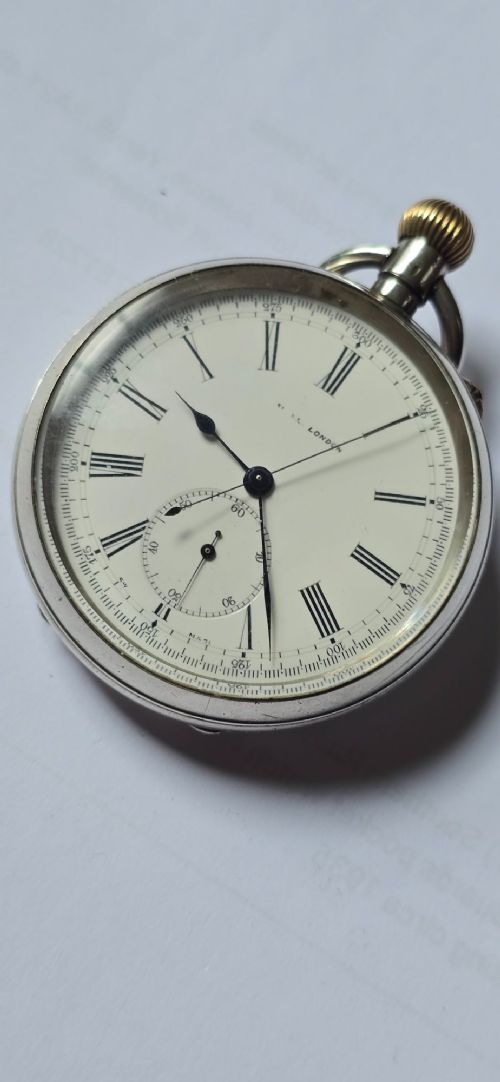
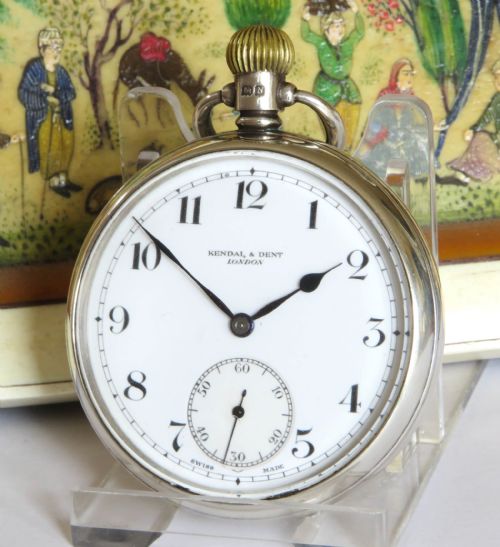
The defining feature of these pieces is the dial, formed by fusing powdered glass to a metal base at high temperatures to create a smooth, glossy surface. Numerals and minute tracks were then painted and fired again to make them permanent. This method produced crisp markings that resist fading over decades of use.
Casings were forged from solid silver, brass, gunmetal, or steel, and fitted with glass crystals to protect the delicate face. Movements were assembled from brass plates, steel gears, and ruby jewel bearings, designed to be serviced and repaired across generations.
Enamel Dial Watch Retail Price Guide 2026
Typical asking prices for enamel dial watch among the pieces listed under this phrase on Sellingantiques today, from the lower quarter to the upper quarter. They describe what is for sale here now, not the wider market.
Materials span traditional enamel, glass, silver, steel, gold plate, brass, nickel, and gunmetal across periods from the eighteenth century to the mid-twentieth century.
Distinguishing quality
The integrity of the fired surface marks the primary division in quality, as hairline cracks and chips significantly alter the visual harmony of the face. Finer dials retain their original gloss and sharp lettering without heavy discoloration around the winding holes or sub-dials. The precision of the movement, indicated by the number of jewel bearings and adjustments, separates standard utility pieces from high-grade chronographs.
Case execution also dictates worth, from simple base metal housings to heavy silver or gold-plated hunter cases featuring detailed engraving or niello work. Original matching components, such as correct hands and signed movements, elevate a piece above those assembled from mixed parts over time.
Lange & Sohne·Elgin·Richardson·Tavannes·Stauffer·Urania·Waltham·Omega·Hebdomas·Record·Meyer & Studeli·Zenith·Nirvana International·Octo
The Enamel Dial Watch Glossary
- Hunter pocket watch
- A pocket watch fitted with a spring-loaded metal cover that protects the glass crystal from scratches. Pressing the crown opens the lid to reveal the dial.
- Half hunter pocket watch
- A variation featuring a cover with a central glass aperture or transparent ring, allowing the wearer to read the hands without opening the case.
- Fob watch
- A smaller watch designed to be worn attached to a short strap, ribbon, or chain known as a fob, historically favoured by women.
- Gunmetal
- An alloy of copper, tin, and zinc with a dark, muted grey finish that gained popularity for pocket watch cases around the turn of the twentieth century.
- Pair cased
- An eighteenth-century construction method where the watch movement sits inside an inner case, which is then enclosed within a second outer case for added protection.
Enamel Dial Watch: Frequently Asked Questions
How do I wind an old pocket watch?
Most pocket watches on this page are wound by turning the crown clockwise until you feel firm resistance. Stop immediately at this point to avoid over-winding and snapping the mainspring.
For nineteenth-century or earlier examples, you may require a small key inserted into the back case or dial to tension the spring and set the time.
Are these watches suitable for daily wear?
While these timepieces were built for daily utility, their age requires a gentler approach than modern accessories. Avoiding drops and moisture will keep the delicate internal mechanics functioning reliably.
Wristwatches and sturdy silver pocket watches can accompany modern attire easily, provided they have been recently serviced by a professional horologist.
What is the difference between silver and gunmetal cases?
Silver cases offer a bright, polished metallic finish that develops a natural dark patina in recessed areas over time. They were the standard choice for mid-to-high-tier pocket watches.
Gunmetal provides a dark, industrial charcoal hue that required little polishing and offered a distinctive aesthetic popular during the Edwardian era.