







Empire Marble Statue
An empire marble statue brings neoclassical grandeur and historical presence into a room through heavy stone and cast metal.

Empire Marble Statue
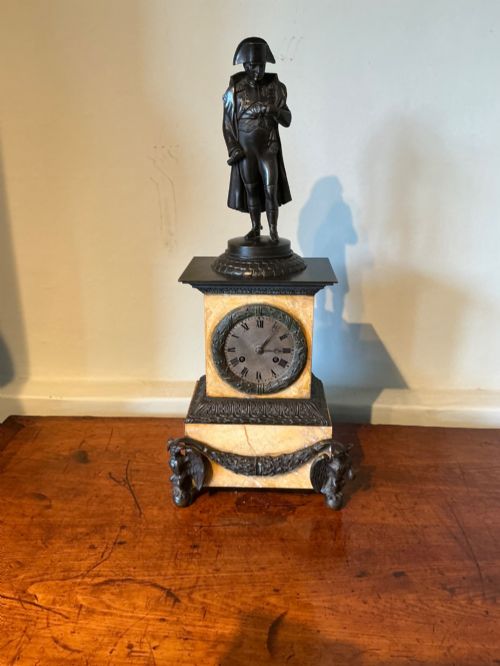
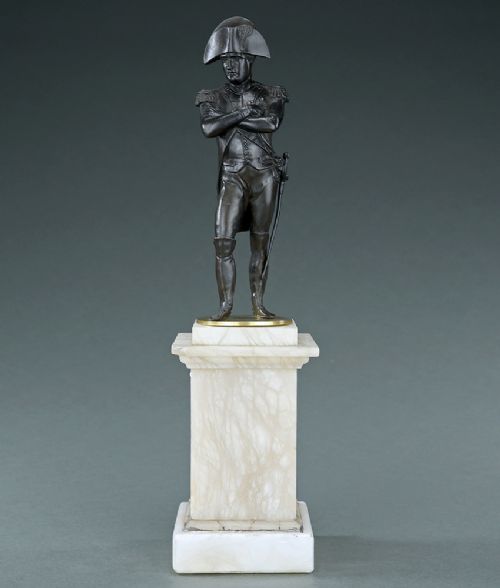
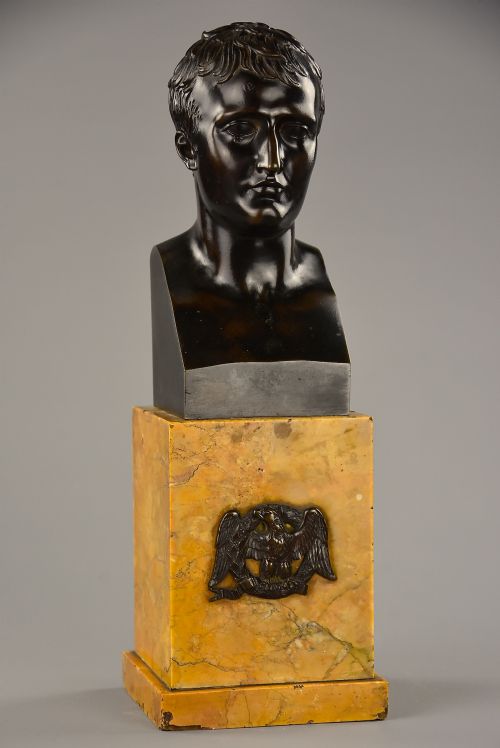
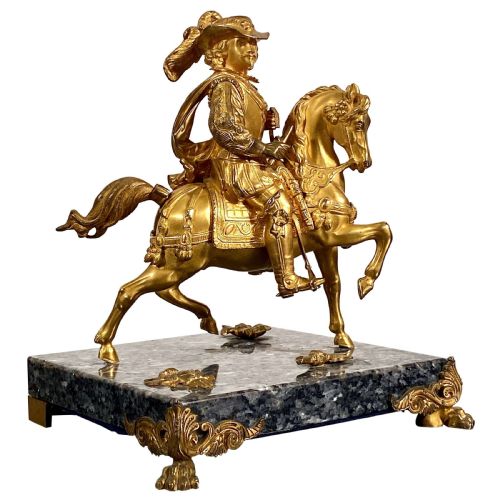
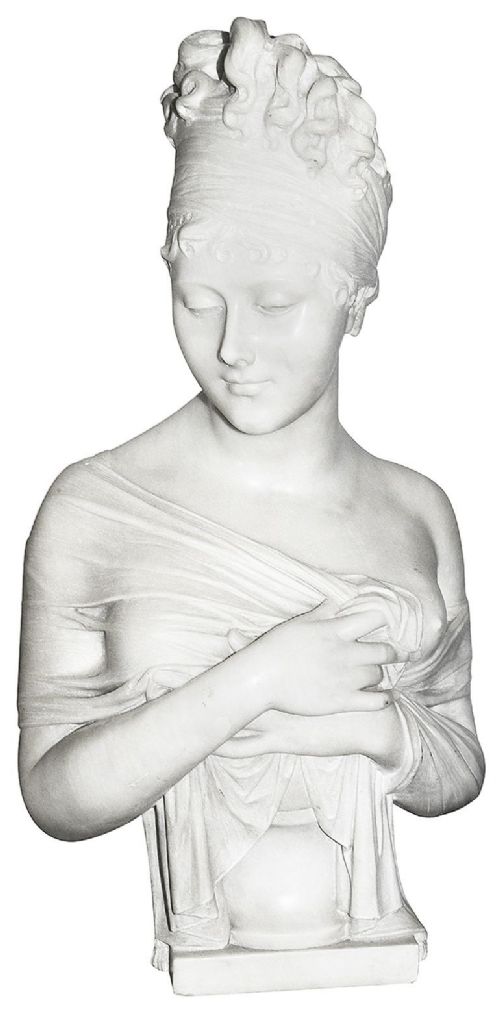
When you search for an empire marble statue, you encounter a selection of nineteenth-century French sculptures, clock sets, busts, and decorative objects mounted on stone bases. These pieces typically combine carved white or carrara marble plinths with cast bronze, gilt bronze, or ormolu figures.
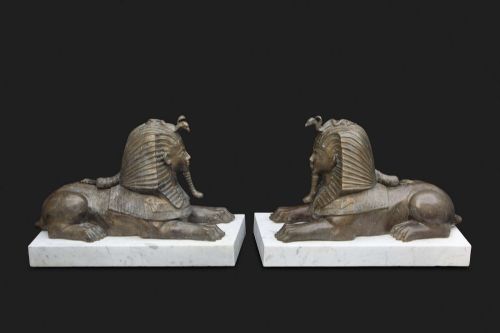
The subjects draw heavily from classical antiquity and imperial history, frequently depicting historical figures such as Napoleon Bonaparte, mythological deities like Apollo, or architectural models like the Vendome column. You also find Egyptian revival sphinxes and regency figural table lamps among the various forms.
Most items originate from nineteenth-century French workshops, spanning the victorian era, the regency period, and the early eighteen hundreds. They function primarily as mantel garnitures, desk accessories, or standalone sculptural centrepieces.
Materials and construction methods
The physical weight of these pieces relies on solid blocks of marble, particularly white and carrara varieties, which are shaped to form supportive plinths, bases, and pedestals for the metalwork. Stonemasons cut and polished these bases to provide a stable, heavy foundation for the sculptures.
Metals including bronze, brass, and gilt ormolu were cast using traditional foundry techniques to create detailed figures, mounts, and decorative elements. Artisans then applied fire gilding or patination to the bronze surfaces to achieve the desired metallic sheen and colour contrast against the pale stone.
Empire Marble Statue Retail Price Guide 2026
Typical asking prices for empire marble statue among the pieces listed under this phrase on Sellingantiques today, from the lower quarter to the upper quarter. They describe what is for sale here now, not the wider market.
A bronze bust of Apollo offered here once resided in the personal collection of fashion designer Gianni Versace.
Factors determining quality
The distinction between standard and superior pieces rests on the crispness of the bronze chasing and the purity of the marble selection. Finer castings exhibit sharp facial expressions, well-defined drapery, and meticulous surface detailing that lesser productions blur or smooth over.
Integration between the stone and the metal also signals superior craftsmanship. High-quality examples feature precisely fitted mounts, secure mechanical attachments, and substantial marble bases free of major structural repairs.
Emile Guillemin·James Pradier
The Empire Marble Statue Glossary
- Ormolu
- A gilded bronze technique utilising a mercury amalgam to apply gold to cast metal objects. This process produces a rich, durable golden finish characteristic of luxury nineteenth-century decorative arts.
- Carrara marble
- A type of white or blue-grey marble quarried in the city of Carrara in the north of Tuscany. It is prized for its fine grain and frequent use in classical sculpture and architectural bases.
- Regency
- A British stylistic period spanning the early nineteenth century defined by neoclassical restraint and influences from ancient Greece, Rome, and Egypt. Pieces from this era emphasise clean architectural lines and archaeological motifs.
- Plinth
- A heavy block of stone or marble serving as the base for a statue, bust, or column. It elevates the sculpture and adds physical stability to the composition.
- Gilt bronze
- Metalwork treated with a gold leaf or gold paint layer to simulate solid gold. The technique highlights decorative reliefs on clocks, candelabras, and sculptural bases.
Empire Marble Statue: Frequently Asked Questions
What periods do these marble and bronze pieces come from?
The listings span the nineteenth century, including specific dates from the eighteen hundreds through the eighteen nineties, alongside victorian and regency eras.
French ateliers produced the majority of these works, drawing upon neoclassical and egyptian revival aesthetics that dominated European design during those decades.
How were these marble and bronze objects used originally?
Many items served dual practical and decorative purposes, such as timekeeping through mantel clocks, illumination via candlesticks and table lamps, or desk organisation using inkstands.
Larger sculptural busts and equestrian figures functioned as grand decorative statements for domestic interiors, libraries, and studies.
How should I clean and care for marble and gilt bronze?
Dust marble surfaces gently with a soft, dry cloth to prevent dirt accumulation within the stone's porous grain. Avoid harsh chemical cleaners that can strip the delicate gilt ormolu finishes from the bronze elements.
Keep the pieces away from direct heat sources and moisture to preserve both the patinated metal and the polished stone base.
How do I identify french empire style features?
French empire style incorporates rigorous neoclassical symmetry, military motifs, and classical references derived from Greek and Roman antiquity. You often see laurel wreaths, classical drapery, and imperial symbols integrated into the design.
The combination of dark patinated bronze with bright gilt ormolu mounts against white marble is a visual hallmark of this aesthetic.