


Embroidered Silk Throw
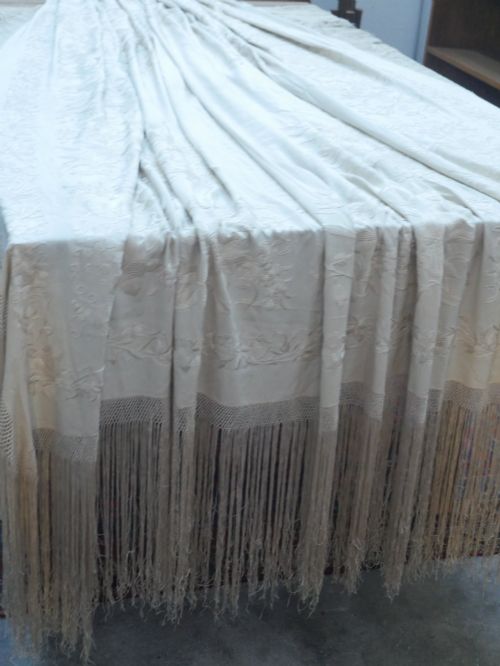
An embroidered silk throw brings vibrant Central Asian and regional South Asian needlework into a room as a textile panel or bed cover.
Embroidered Silk Throw
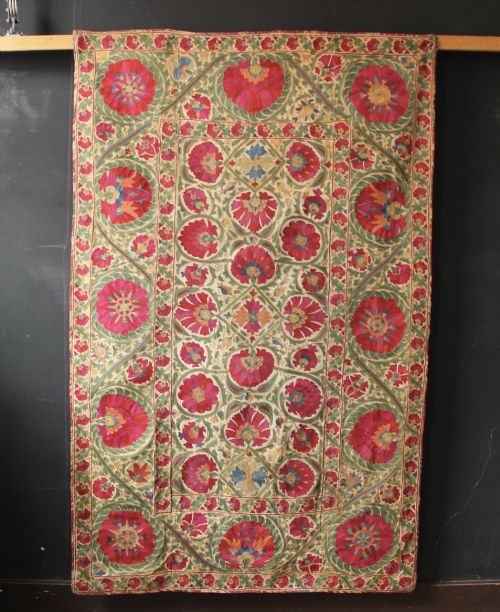
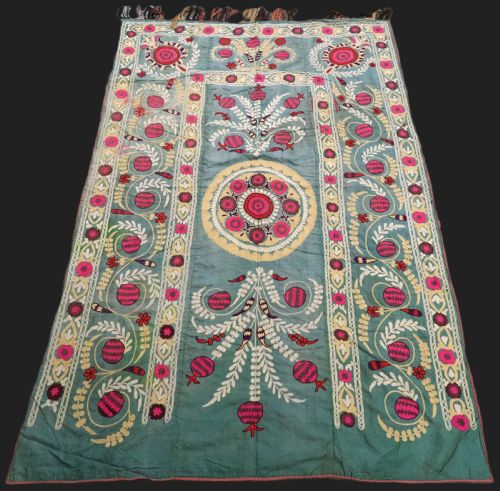
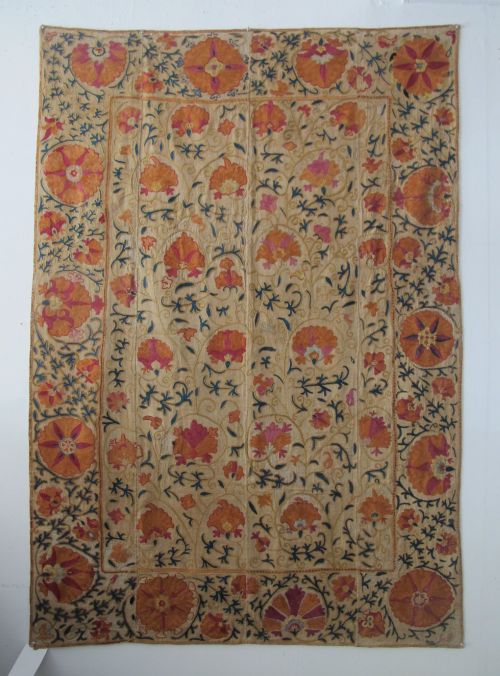
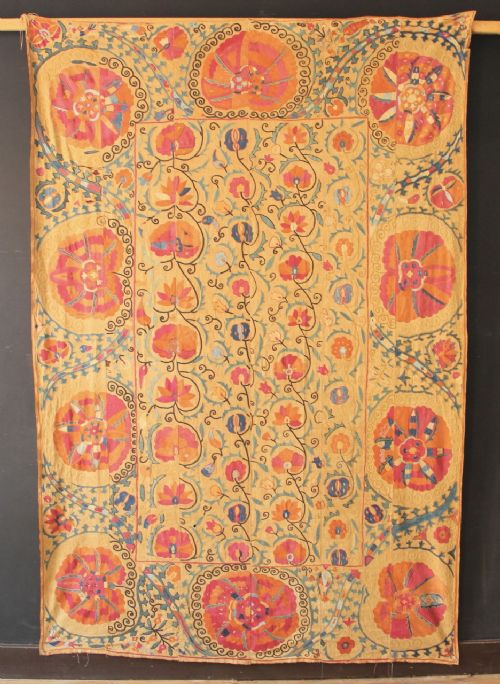
When you search for an embroidered silk throw, you are looking at nineteenth and early twentieth-century Central Asian and Indian textile panels, bed covers, and wall hangings. These pieces range from substantial medallion suzanis to smaller nim suzanis and regional shawls.
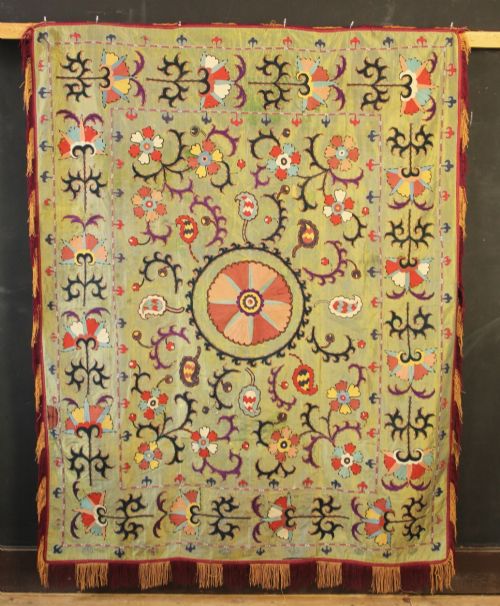
The version you are most likely to meet on this page is the Uzbek suzani, worked in rich silk thread on grounds of cotton, wool, velvet, or adras silk-cotton mix. They originate from centres such as Bokhara, Tashkent, Shahrisabz, and Samarkand.
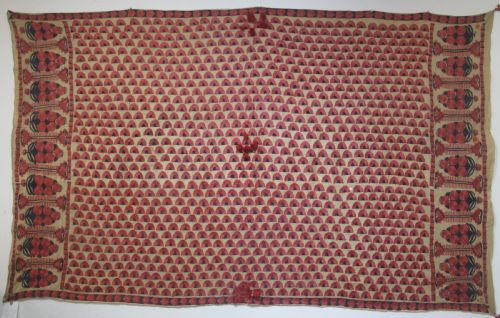
Beyond Central Asian examples, the selection includes traditional South Asian embroidery from Delhi and Sindh. These textiles served as ceremonial covers, wall panels, and domestic throws in their original societies.
Materials and construction
These textiles rely on fine silk thread needlework applied to varied foundation fabrics. Common grounds include plain cotton, local adras weaves, woven wool, and dense green velvet.
Stitching methods vary from partial floral motifs to full work embroidery covering the entire ground. Regional workshops utilised distinct palettes and stitch densities to create medallion, star, and traditional floral layouts.
Geographic origins range across Central Asian centres including Bokhara, Samarkand, and Tashkent, alongside South Asian Sindh and Delhi.
Assessing quality and depth
Quality rests in the density of the silk embroidery and the precision of the needlework. Fully worked palak suzanis and fine Bokhara pieces show a superior coverage compared to lighter, partial designs.
The vibrancy and condition of the dyes, alongside the structural integrity of the ground fabric, define the upper tier of these textiles. Balance in the composition and complexity of the regional floral motifs further separate standard examples from exceptional ones.
The Embroidered Silk Throw Glossary
- Suzani
- A large embroidered textile from Central Asia, traditionally made by brides as part of their dowry. They typically feature bold floral and medallion motifs.
- Nim Suzani
- A smaller variant of the traditional suzani, often measuring around half the scale of a full cover. These were utilised as smaller wall hangings or decorative throws.
- Adras
- A traditional Central Asian mixed fabric woven from silk and cotton warps and wefts. It provides a stable yet lustrous ground for heavy embroidery.
- Palak
- A specific style of suzani characterised by fully embroidered grounds dominated by large central star or medallion designs. The density of the stitching sets these apart.
Embroidered Silk Throw: Frequently Asked Questions
How were suzanis used originally?
These textiles served as dowry pieces, ceremonial bed covers, and wall hangings in Central Asian homes. Families displayed them on special occasions and used them as functional domestic furnishings.
Over time, they transitioned from practical household items into treasured decorative elements valued for their intricate needlework and regional artistry.
How do I care for an antique silk throw?
Protect these antique textiles from direct sunlight to prevent the natural silk dyes from fading over time. Gentle, occasional airing helps maintain the fabric without risking moisture damage.
Mounting them correctly on a padded support allows a wall hanging to distribute its own weight evenly, reducing strain on the historic threads.
How can I tell regions apart?
Different towns and tribes utilised distinct colour palettes, stitch types, and motif arrangements. Tashkent pieces often show large palak star layouts, while Bokhara examples favour refined floral compositions.
Lakai tribal pieces frequently employ bolder, asymmetrical designs on red wool or cotton grounds, distinguishing them from urban workshop output.