




Embroidered Fabric Panel
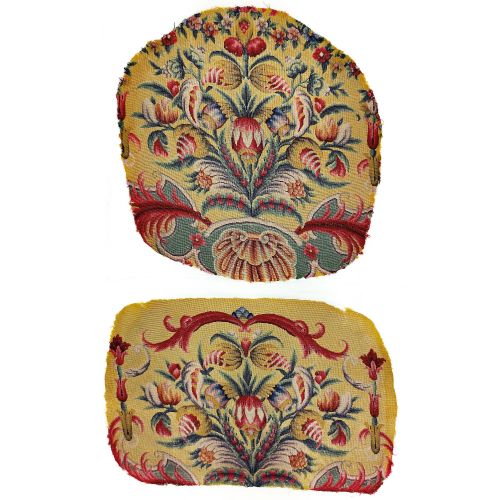
An embroidered fabric panel brings centuries of hand stitch, global trade and domestic artistry straight to a blank wall.
Embroidered Fabric Panel
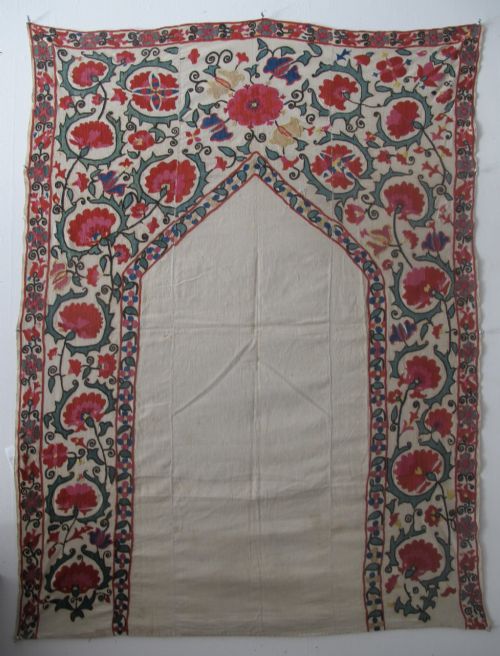
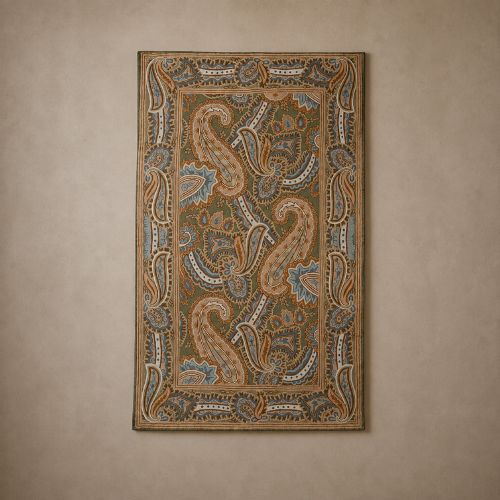
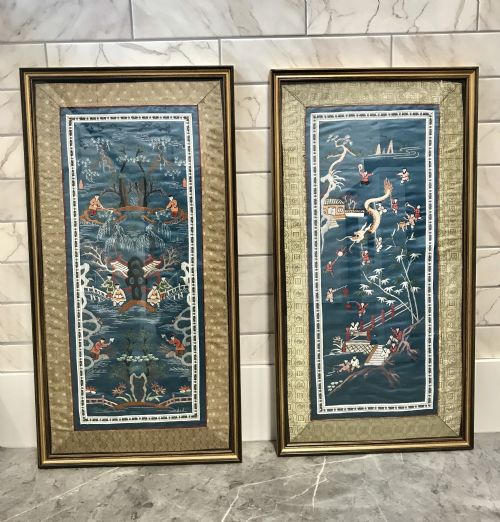
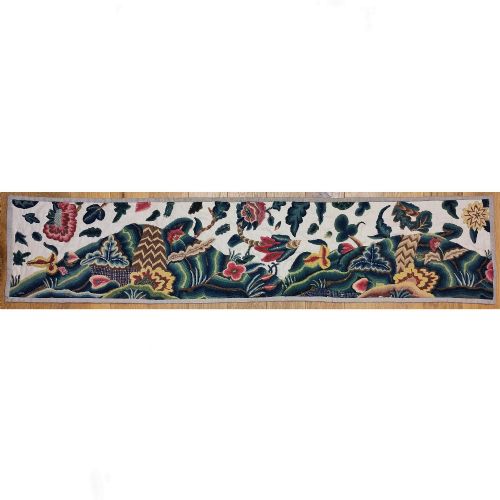
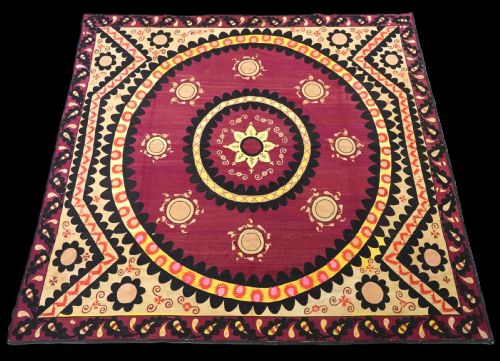
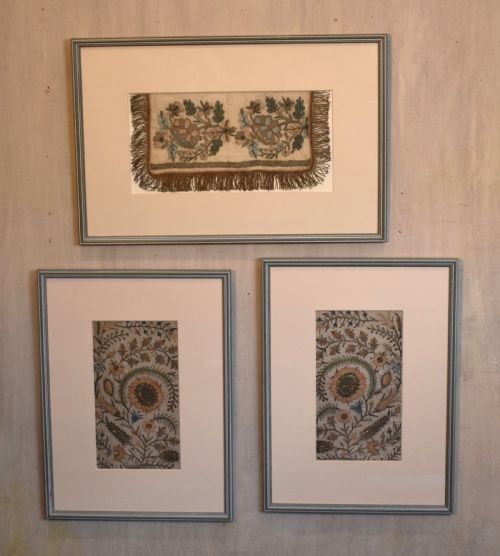
An embroidered fabric panel gathers centuries of textile artistry, ranging from Central Asian Suzani hangings to English crewelwork. Buyers searching for an embroidered fabric panel will encounter wall hangings, folding room screens, framed needleworks and textile art.
The pieces on this page span several distinct periods, including the seventeenth century, the Georgian era, the Edwardian period and the early twentieth century. Styles vary widely from Central Asian tribal designs and Persian revivals to Jacobean revivals and Qing Dynasty aesthetics.
Origins stretch from Uzbekistan and China to Britain, incorporating regional techniques and traditional motifs. Most items function as decorative wall art or room dividers, bringing rich texture and historic narrative into an interior space.
How they were made
Makers utilised natural foundation fabrics such as cotton, linen, silk and wool, often mounting completed needlework within wood frames, under glass or onto brass fixtures. Silk velvet and carved giltwood also appear as structural or decorative elements.
Needlework techniques rely on hand sewing and specialised embroidery methods like crewelwork. Artisans applied silk, wool and cotton threads onto woven grounds to build dense, pictorial or geometric compositions.
Embroidered Fabric Panel Retail Price Guide 2026
Typical asking prices for embroidered fabric panel among the pieces listed under this phrase on Sellingantiques today, from the lower quarter to the upper quarter. They describe what is for sale here now, not the wider market.
Materials recorded across the inventory include silk velvet, brass, glass, cotton, linen, wool and wood.
What varies in quality
Quality rests upon the density of the stitch work and the complexity of the design, with fully embroidered grounds demanding significantly more labour than sparse motifs. The condition of the textile fibres and the integrity of the original foundation cloth also determine the standing of a piece.
Finer examples display careful handling of traditional regional iconography, precise hand sewing and harmonious colour palettes that have survived centuries of use. The craftsmanship of associated elements, such as carved giltwood frames or fitted glass mounts, contributes further distinction to the finished object.
Lord Peter Bauer
The Embroidered Fabric Panel Glossary
- Suzani
- A type of embroidered tribal textile originating from Central Uzbekistan and surrounding regions. These pieces traditionally feature bold floral and pomegranate motifs worked in silk on a cotton or linen ground.
- Crewelwork
- A form of surface embroidery using wool yarn to create heavy, textured designs on a plain woven fabric. This technique is closely associated with Jacobean and English historical needlework.
- Palak
- A fully embroidered Suzani variety where the background fabric is almost entirely covered in dense stitching. This style represents a high degree of hand labour.
- Giltwood
- Wood that has been coated with a thin layer of gold leaf or gilt paint. It frequently frames antique screens and wall panels.
- Needlework
- Any craft that uses a needle to apply thread or yarn to a fabric substrate. It encompasses both functional mending and decorative embroidery.
Embroidered Fabric Panel: Frequently Asked Questions
How do I hang an embroidered fabric panel safely?
Heavy textiles require even weight distribution, often achieved by mounting the piece onto a padded wooden batten or framing it behind protective glass. Direct contact with nails or pins damages historic fibres.
Keep panels away from direct sunlight and damp environments to preserve the natural silk, cotton and wool threads over time.
What is the difference between a Suzani and crewelwork?
Suzanis originate in Central Asia and typically feature vibrant silk chain stitch embroidery arranged in large floral or medallion patterns. Crewelwork is rooted in British tradition and uses wool yarn on linen or cotton grounds.
Both styles offer rich texture but reflect entirely different regional aesthetics and needle techniques.
Can antique textile panels be used as room dividers?
Some panels are constructed specifically as folding room screens, incorporating carved giltwood frames and multiple hinged sections. These items allow textiles to function as architectural furniture.
Flat wall hangings require rigid backing or professional framing before serving any structural purpose in a room.
How can I tell the age of a textile panel?
Dating relies on examining the type of foundation fabric, the dye colours, and the specific hand embroidery techniques employed. Stylistic markers such as Jacobean revival motifs or Qing Dynasty influences also provide chronological clues.
Comparing stitch density and material wear against known historical examples helps establish the likely period.