
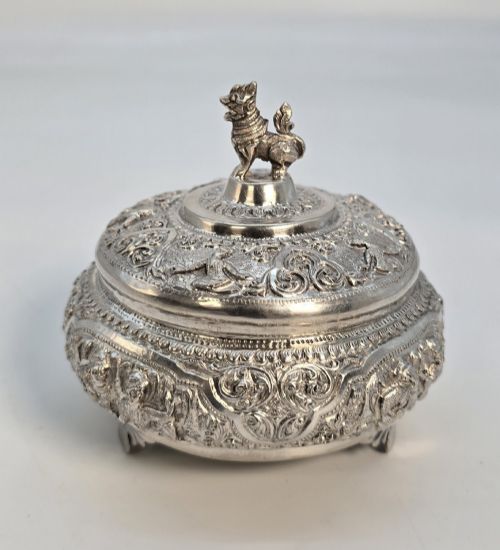


Embossed Silver Jar
An embossed silver jar brings tactile ornament to a dressing table or tea service, offering chased and hammered metalwork alongside glass and plate.
Embossed Silver Jar
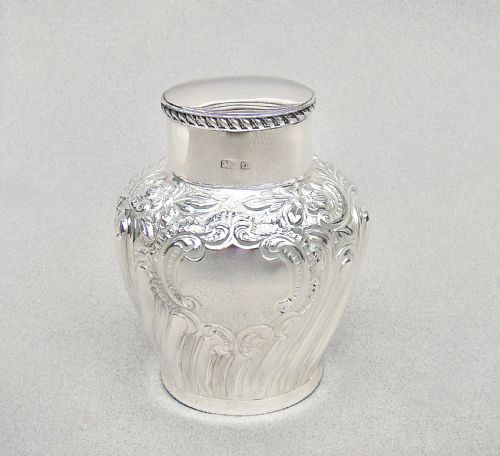
When you search for an embossed silver jar, you encounter a variety of small domestic vessels designed for tea, scent, powder, or keepsakes. The selection spans the Victorian and Edwardian eras, reaching back to Georgian forms and extending into early twentieth-century examples.
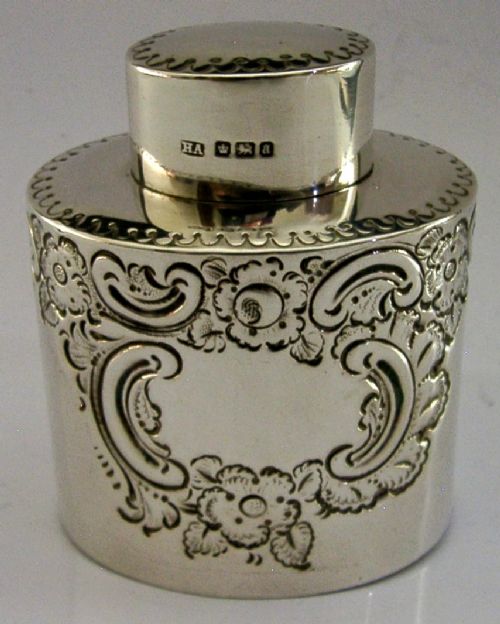
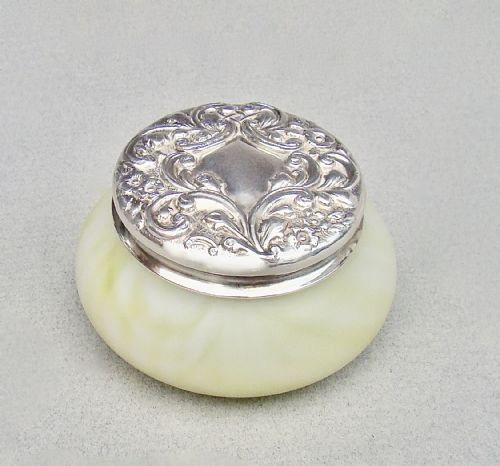
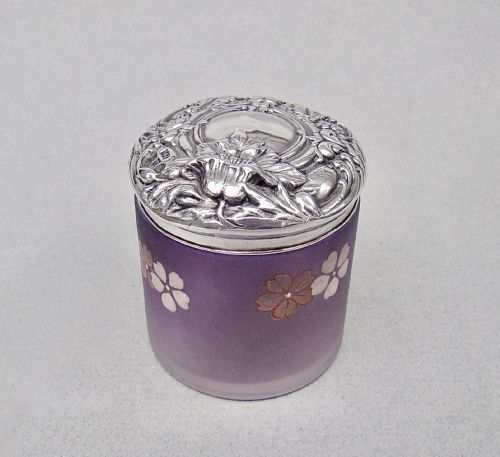
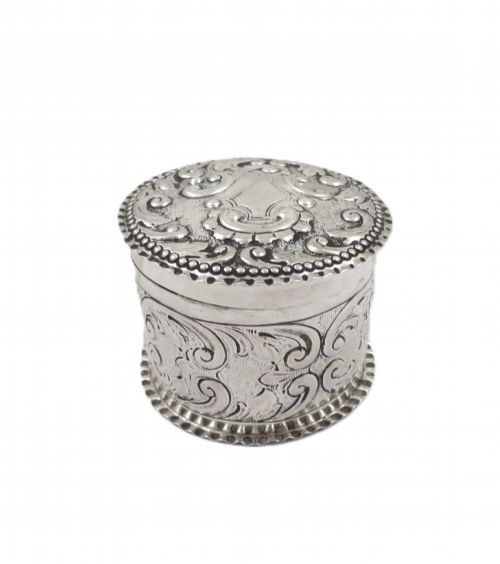
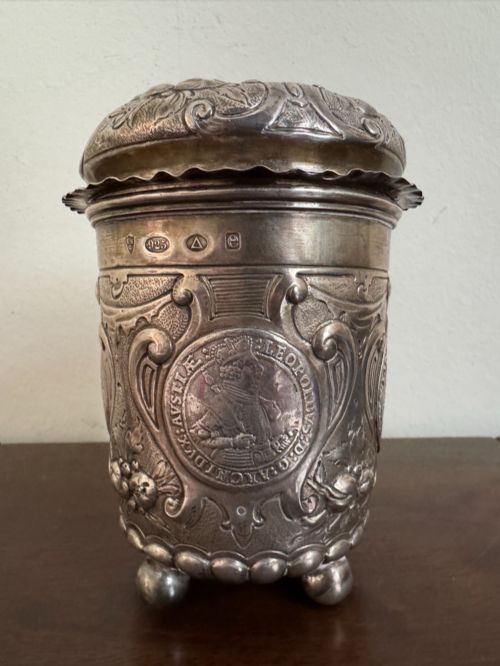
Tea caddies, dressing table jars, trinket boxes, and scent bottles form the core of these listings. Many combine metalwork with cut, frosted, amethyst, or satin glass bodies, while others are formed entirely from sterling silver, silver plate, or continental coin silver.
Regional variations appear alongside standard British hallmarked pieces, including Anglo-Indian and Raj period work from the nineteenth and early twentieth centuries. These diverse origins supply everything from oval tea canisters to heart-shaped glass boxes with embossed lids.
Materials and construction
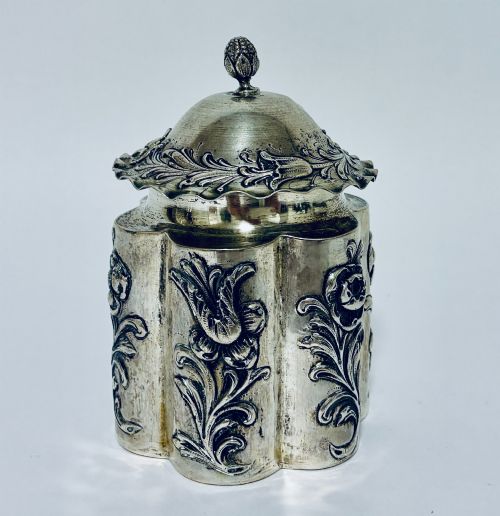
Makers utilise sterling silver, silver plate, and foreign standards such as coin silver, shaping the metal through hammering and embossing. Relief decoration stands out against plain or textured grounds, often depicting floral, scroll, or figurative motifs.
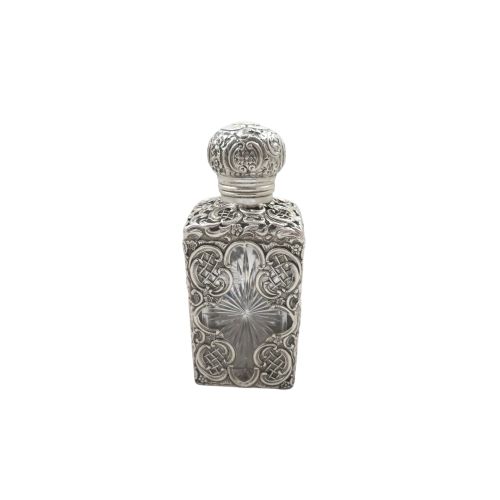
Glass bodies provide contrast to the metal mounts and lids, appearing as heavy cut glass, delicate satin glass, frosted surfaces, or deep amethyst tones. Mounts fit snugly over glass rims, secured by collars or hinged bezels.
Assessing craftsmanship and condition
The crispness of the chased and embossed detail dictates the visual success of the piece, as softer stamping lacks the definition seen in superior hand-hammered work. Deeper relief work retains its sharpness across high points and recessed channels.
The integration between metal mounts and glass bodies reveals the maker's precision, where tight collars and secure hinges indicate careful fitting. Hallmarks and maker marks confirm the provenance and standard of the metal.
A. Bromet & Co·Thomas Hayes
The Embossed Silver Jar Glossary
- Embossing
- Raising a design in relief from the surface of the metal by hammering from the reverse side. This technique creates tactile ornamentation across jar lids and bodies.
- Sterling silver
- A silver alloy containing 92.5 percent pure silver by mass, with the remainder usually copper. British pieces of this standard carry traditional assay office marks.
- Tea caddy
- A small container originally designed to store loose tea leaves securely. Surviving examples often feature lift-off or hinged lids with ornate embossed decoration.
- Scent bottle
- A small glass vessel fitted with a silver cap or collar for holding perfume. Many combine cut or coloured glass with embossed metal mounts.
- Old Sheffield plate
- A composite material made by fusing a thin sheet of silver to a thicker copper base. It predates modern electroplating and appears on older tea caddies.
Embossed Silver Jar: Frequently Asked Questions
How were embossed silver jars used originally?
These vessels served functional roles in domestic routines, holding loose tea leaves, perfumes, and cosmetics. Dressing table items kept powders and pins tidy, while tea caddies preserved precious leaves in dry conditions.
Over time, their decorative embossed surfaces meant they also sat visibly on mantelpieces and sideboards as displays of household refinement.
How do I care for silver and glass jars?
Cleaning requires a soft cloth and mild silver polish, taking care to avoid abrasive materials that flatten embossed details. Glass bodies wash gently in warm soapy water without submerging fragile cement or seals.
Storage in dry environments prevents tarnish accumulation and protects delicate glass rims from chips and fractures.
How can I tell a Victorian jar from an Edwardian one?
Victorian pieces often display heavier, baroque or rococo revival ornamentation with deep, dense floral embossing. Hallmarks stamped inside the lid or on the rim provide exact assay dates and maker marks.
Edwardian designs frequently incorporate lighter lines, art nouveau styling, or sleeker geometric framing alongside glass containers.
What does coin silver mean on a jar?
Coin silver indicates that the vessel was manufactured from melted down coins rather than standard bullion ingots. This material frequently appears in continental or colonial pieces.
Such objects carry distinct alloy proportions and historical weight, often reflecting regional crafting traditions outside standard British assay offices.