
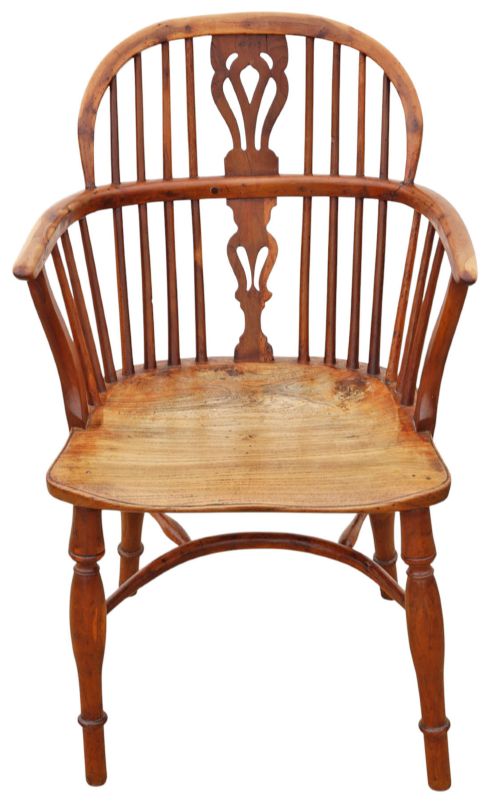
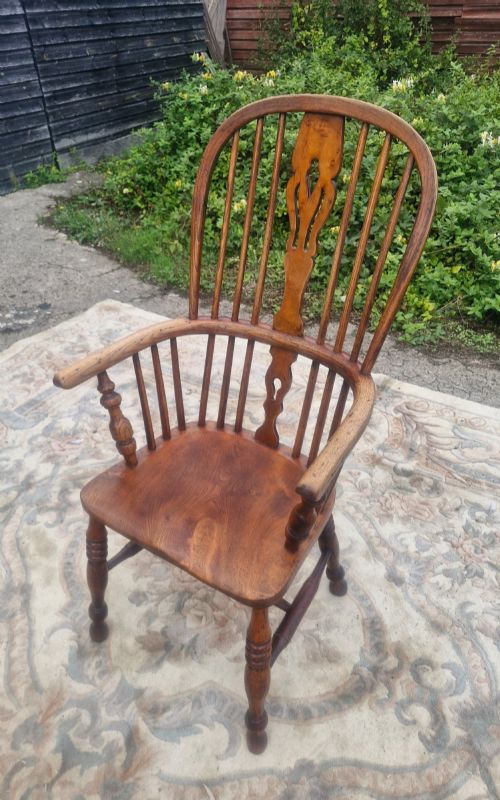
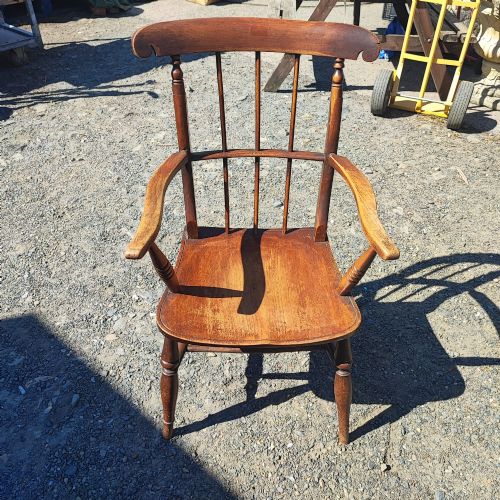

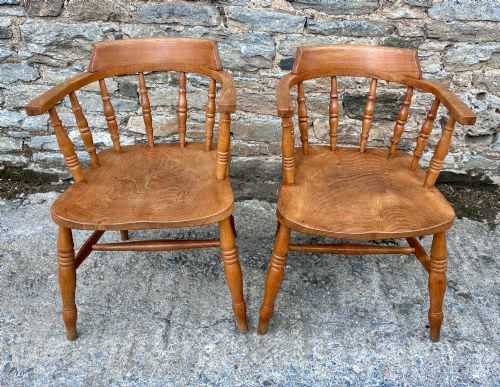
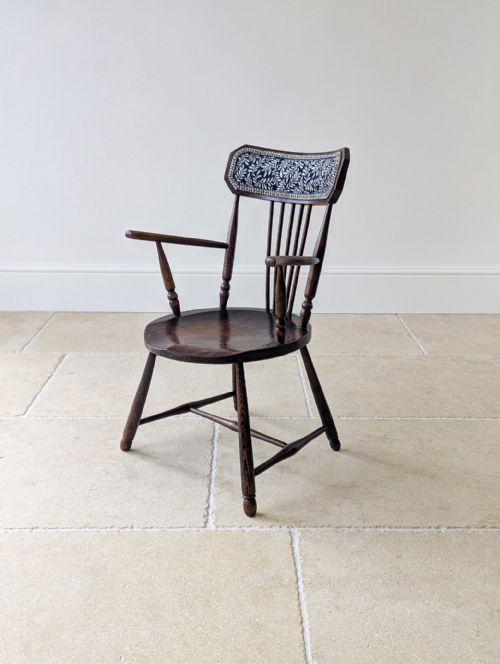
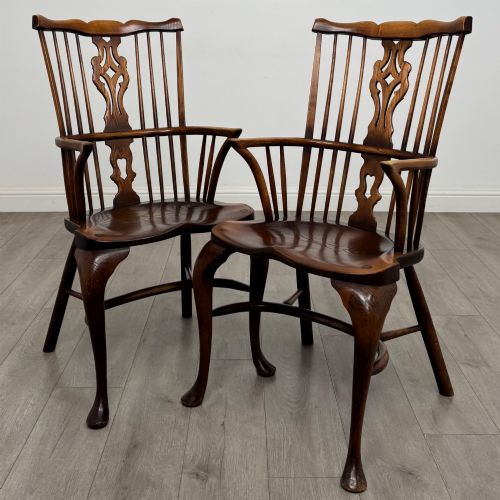
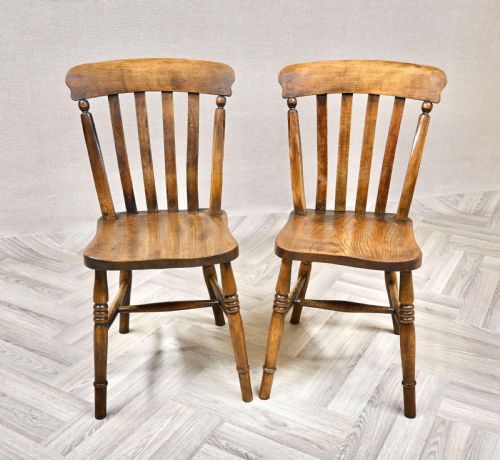
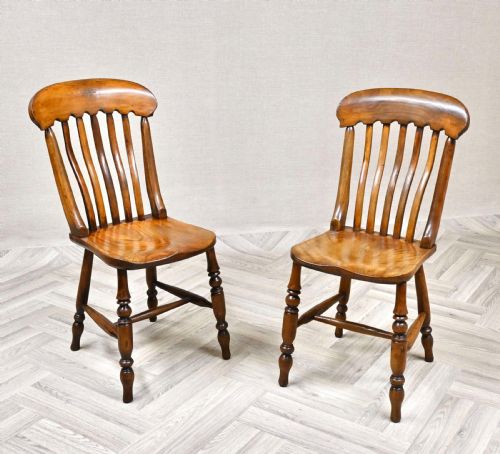
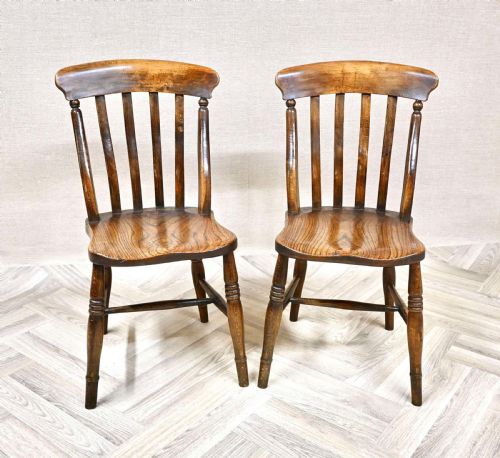
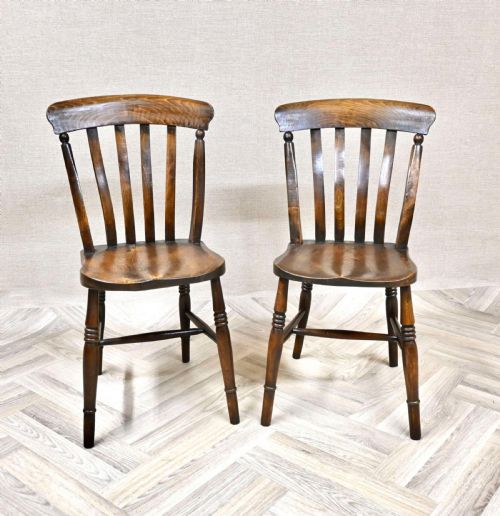
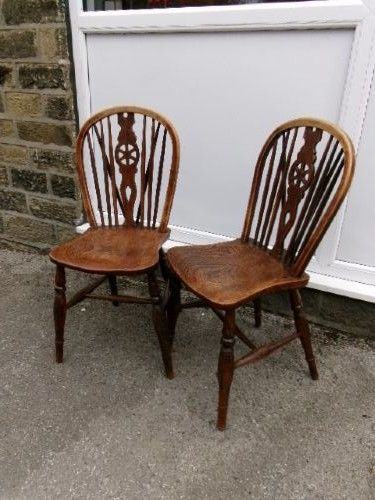
Elm Seated Windsor Chair
An elm seated windsor chair is a traditional wooden seat built for domestic utility, offering sturdy vernacular craftsmanship and comfort for daily use.
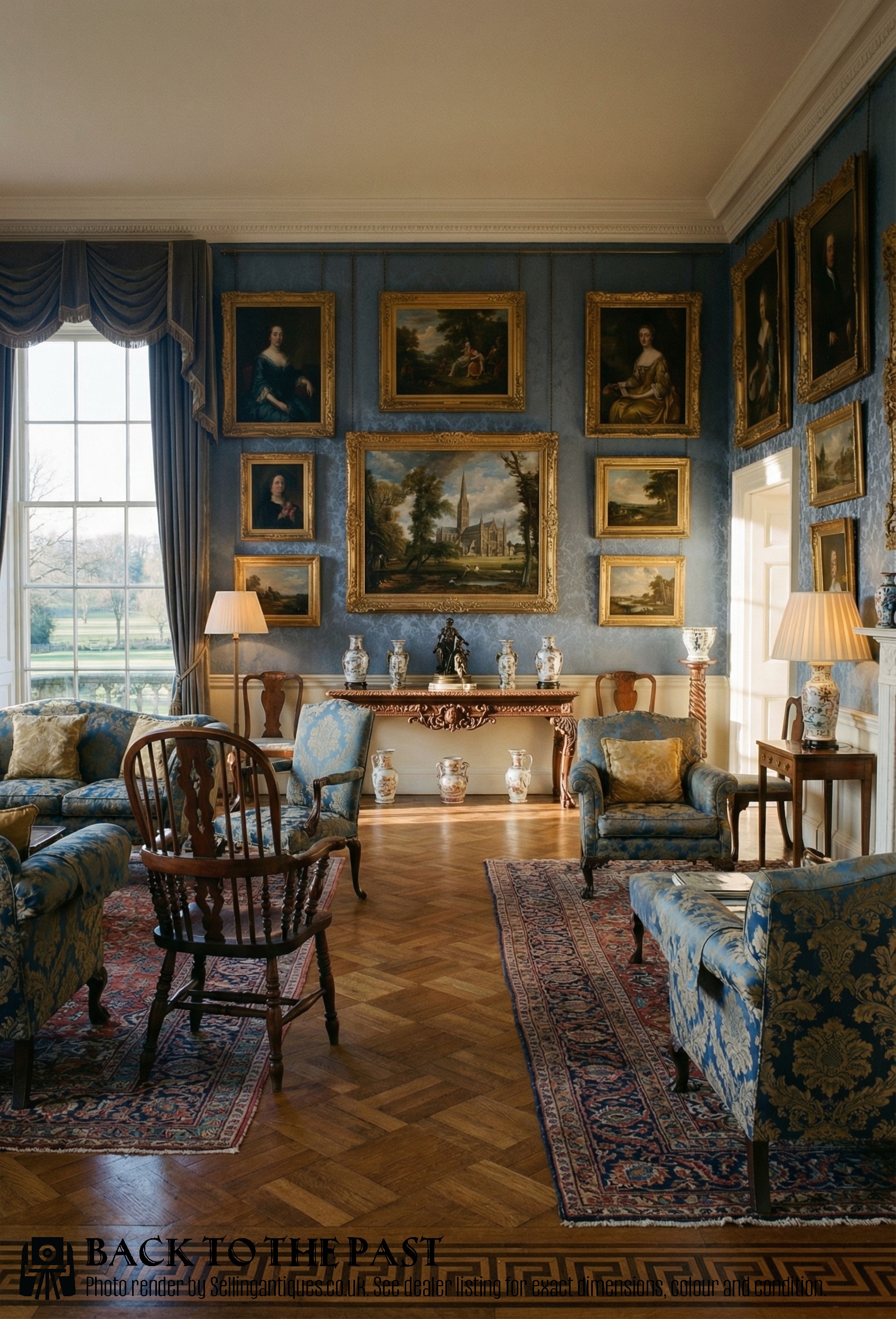
Elm Seated Windsor Chair
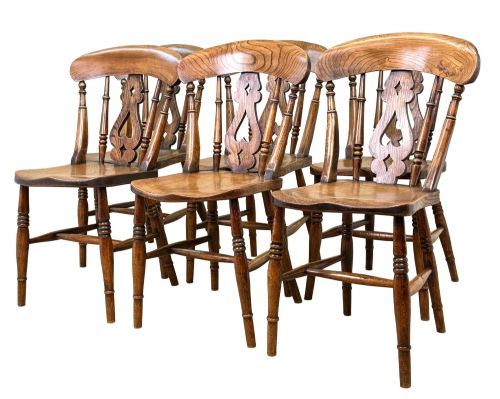
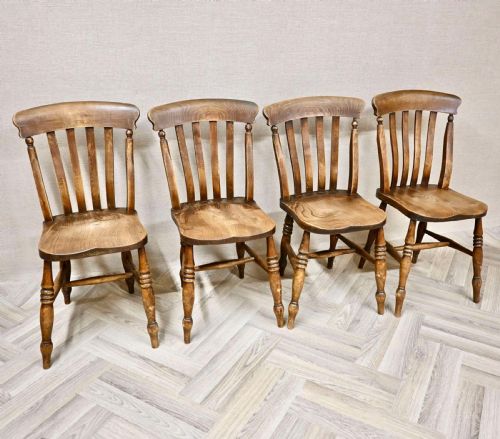
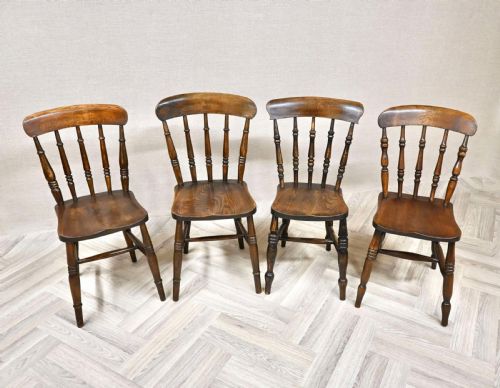
An elm seated windsor chair brings together country utility and regional joinery traditions spanning from the 18th century through the Victorian period and into the 20th century. These pieces appear as armchairs, carvers, dining chairs, and children's chairs designed for kitchens, farmhouses, and vernacular interiors.
The most common examples on this page date from the 19th century and Victorian eras, often taking the form of stick backs, lath backs, or wheel backs constructed for everyday use. Alongside these, buyers find earlier Georgian high-back and comb-back variants alongside later Arts and Crafts and mid-century utility pieces.
How They Were Made
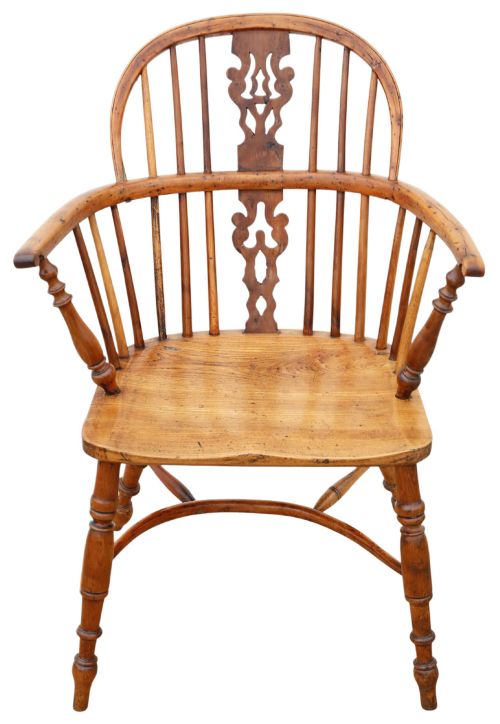
The construction relies on a distinctive combination of timbers, pairing a thick sculpted elm seat with turned beech, ash, or yew for the spindles, legs, and bow frames. Elm provides a durable, splitting-resistant base into which the structural undercarriage and upper back assembly are wedged and pinned.
Makers shaped the components using traditional turning lathes and drawknives, securing splayed legs and curved stretchers to create a rigid, unified framework that absorbs the stresses of regular sitting.
Many an elm seat bears the indented hollows of generations past, faithfully recording the exact posture of long-forgotten diners.
What Varies in Quality
Quality separates along the harmony of proportions, the grain figure of the wood, and the subtlety of the spindle turnings rather than uniform standards. Pieces featuring richly figured yew wood combined with elm command attention for their visual depth and material selection.
Construction integrity determines the upper tiers of the range, visible in the careful tapering of the back hoops, the strength of the crinoline or H-stretchers, and the depth of the saddle-shaped seat carving.
The Elm Seated Windsor Chair Glossary
- Saddle seat
- A solid timber base, typically elm, scooped and carved into a concave shape to fit the contours of the body. This shaping prevents warping and adds ergonomic comfort.
- Bow back
- A continuous upper rail bent from a single piece of wood to form the backrest and arm support. It distributes weight evenly across the vertical spindles.
- Comb back
- A Windsor chair design featuring a low back topped by a horizontal headrest supported by vertical spindles, resembling the teeth of a comb. This form often dates to the 18th century.
- Wheel back
- A chair back incorporating a pierced central splat shaped like a carriage wheel. This decorative motif gained popularity during the 19th century.
- Crindoline stretcher
- A curved metal or wooden brace connecting the legs of an armchair in a loop beneath the seat. It provides lateral stability to splayed leg construction.
Elm Seated Windsor Chair: Frequently Asked Questions
How do I identify an 18th-century windsor chair?
Early examples often display high panel backs, comb backs, or refined vernacular joinery with vernacular details like deep saddle seats and yew wood bows.
Construction methods on older pieces typically show hand-turned components and pegged joints rather than modern mechanical fixings.
What is the difference between an armchair and a carver?
Armchairs feature integrated arm supports attached to the seat and back bow, whereas carvers often denote dining chairs with scaled-down arms designed to sit at the head of a table.
Both types utilise the same fundamental Windsor construction of independent components fitted into a solid wooden seat.
How do I care for an elm seat?
Keep wooden chairs away from direct heat sources and extreme humidity fluctuations to prevent the elm seat from splitting or shrinking.
Apply a microcrystalline wax periodically to nourish the timber and maintain a protective finish without building up heavy residues.
Are these chairs suitable for daily dining use?
These seats were originally built for heavy kitchen and farmhouse service, making them robust enough for regular seating around a dining table.
Checking the stability of the leg joints and the undercarriage stretchers ensures safe everyday use.