



Elm Accent Table
An elm accent table brings sturdy warmth and distinctive grain to a room, offering a practical surface with real historical character.
Elm Accent Table
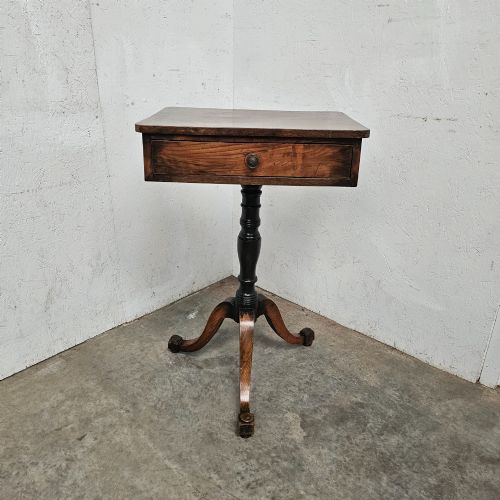
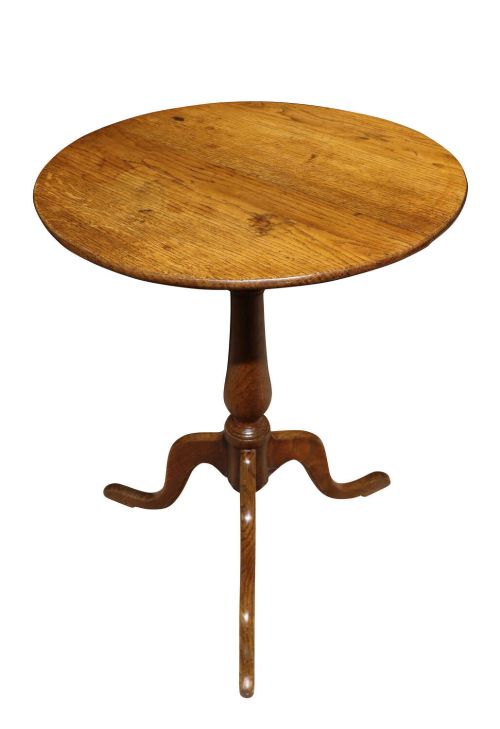
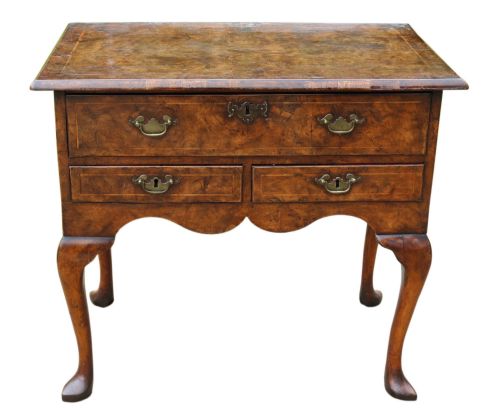
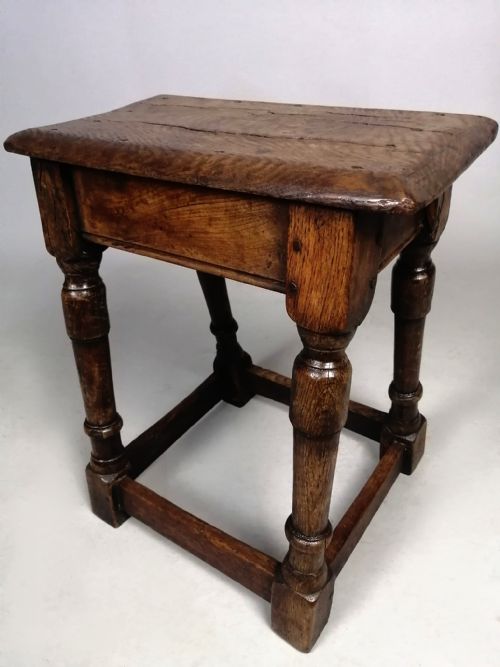
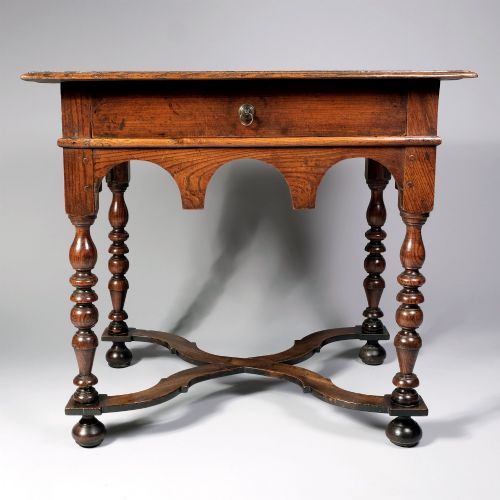
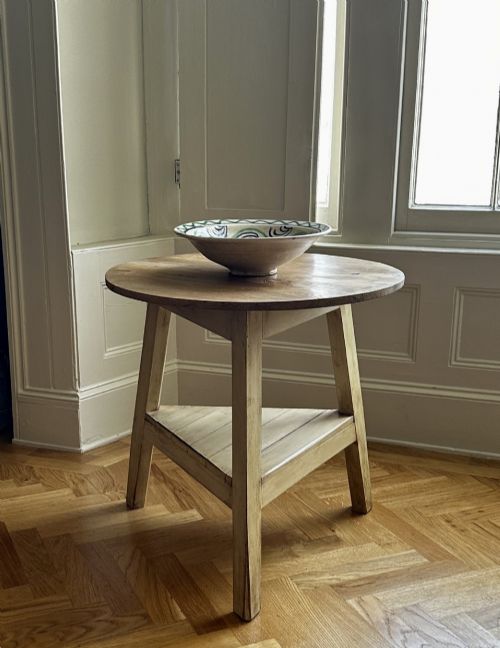
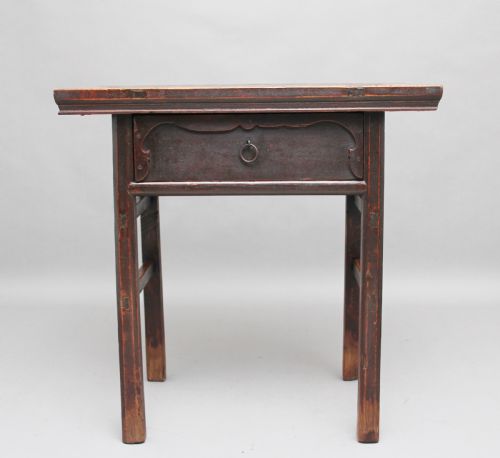
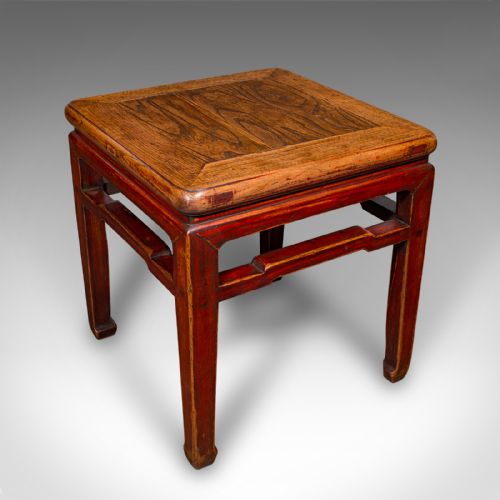
When you search for an elm accent table, you look for versatile occasional pieces built from a famously resilient timber, spanning formats from side tables and lowboys to tripod tables and joint stools. The selection ranges widely across origins, encompassing English vernacular forms, Georgian designs, and Chinese provincial or Qing dynasty pieces.
You are most likely to meet 19th century examples, alongside earlier Georgian and 17th century pieces, often combined with oak, fruitwood, or brass accents. These tables serve multiple domestic uses as lamp tables, wine tables, or low tea tables, functioning reliably in both traditional and contemporary interiors.
Materials and construction
Elm timber provides the primary material, prized for its tough, interlocked grain that resists splitting and takes on rich figuring, particularly in burr elm varieties. Craftsmen often paired elm tops with oak, fruitwood, or hardwood frames to ensure structural stability.
Joinery methods rely on traditional techniques suitable for hardwood construction, sometimes incorporating brass fittings or ebonised details. Surfaces occasionally feature lacquer or polished finishes to highlight the natural patterns of the wood.
Elm wood is notoriously stubborn to split, which explains why old cabinetmakers muttered darkly while fashioning these tables.
Evaluating quality and character
Quality rests in the vibrancy of the wood grain and the integrity of the timber, where burr elm figures and well-matched secondary woods elevate a piece above standard utility items. The proportion and balance of the structure, especially in tripod bases and lowboys, define the visual success of the table.
The sophistication of regional craftsmanship also sets examples apart, distinguishing finely turned Georgian legs or precise Japanese Meiji joinery from heavier provincial work. Original surface patination and minimal structural intervention preserve the integrity expected by collectors.
The Elm Accent Table Glossary
- Burr elm
- A specialised timber growth showing intricate, swirling grain patterns that create highly decorative surfaces on table tops and lowboys. This material is particularly sought after for its distinct visual depth.
- Lowboy
- A small occasional table featuring drawers beneath the surface, commonly produced during the Georgian period. These pieces often combine elm tops with oak or fruitwood framing.
- Tripod table
- A small occasional table supported by a central pillar resting on three legs, prevalent in 18th century design. This configuration provides a stable surface with a compact footprint.
- Joint stool
- An early form of sturdy wooden seating or small support table constructed with mortise and tenon joints. These items represent the earliest domestic woodwork found in the listings.
- Chabudai
- A traditional low dining or tea table associated with Japanese Meiji period craftsmanship. These low tables function as versatile accent surfaces in modern settings.
Elm Accent Table: Frequently Asked Questions
What is an elm accent table?
An elm accent table is a small occasional piece of furniture made primarily from elm wood, functioning as a side table, lamp stand, or low table. These surfaces draw on various historical traditions, including English vernacular and Chinese provincial design.
Buyers choose them for their durable construction, practical size, and the distinct interlocking grain patterns characteristic of elm timber.
How old are these tables?
The pieces span several centuries, with examples originating from the late 17th century through the Georgian era and into the 19th and early 20th centuries. Earlier items often date to the 1700s, while the majority of available pieces reflect 19th century production.
Dating relies on stylistic markers, construction methods, and the combination of woods utilised in the frame and top.
Where do these tables originate?
The inventory includes items from distinct regional traditions, notably English country workshops, Scandinavian makers, and Chinese Qing dynasty or provincial production. Japanese Meiji period examples also appear among the low tables and occasional pieces.
Each region employs specific forms and secondary woods, such as fruitwood or oak, characteristic of local cabinet-making practices.
How do I use one in a room?
These tables function effectively beside seating as lamp stands, drink supports, or display surfaces for decorative objects. Lower formats, such as Japanese tea tables or lowboys, serve well as central accent pieces or low coffee tables.
The durable nature of elm allows these pieces to withstand daily domestic use while adding historical texture to a space.