


Eighteenth Century Wooden Box
An eighteenth century wooden box is a utilitarian survivor of Georgian craft, offering tangible historical depth and practical storage for the modern home.
Eighteenth Century Wooden Box
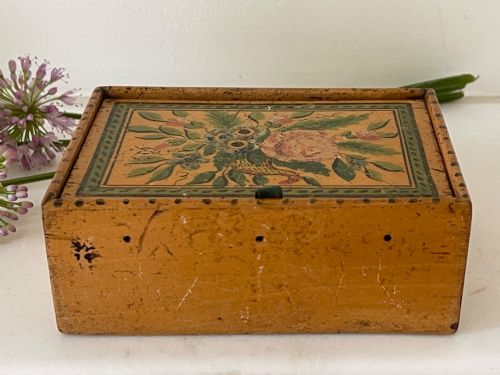
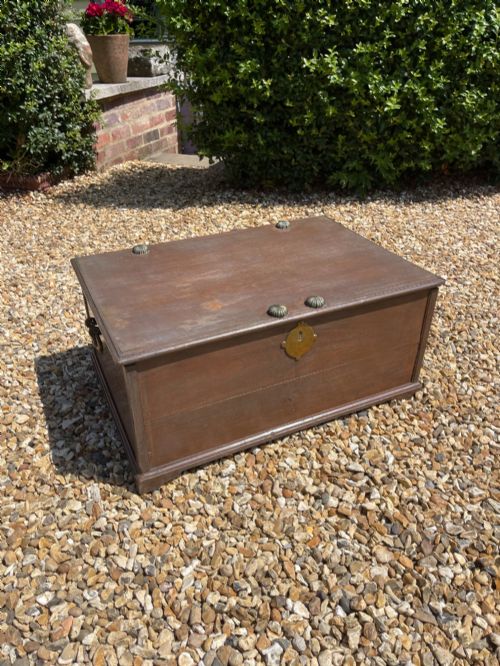
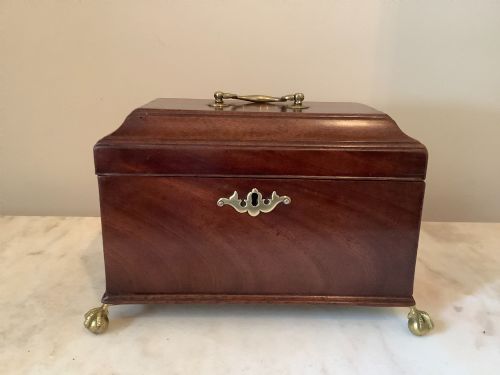
When you search for an eighteenth century wooden box, you encounter a varied selection of tea caddies, caskets, trunks, and small desks. These pieces served domestic and travel purposes in period households, designed to protect valuable commodities like tea, documents, or cutlery.
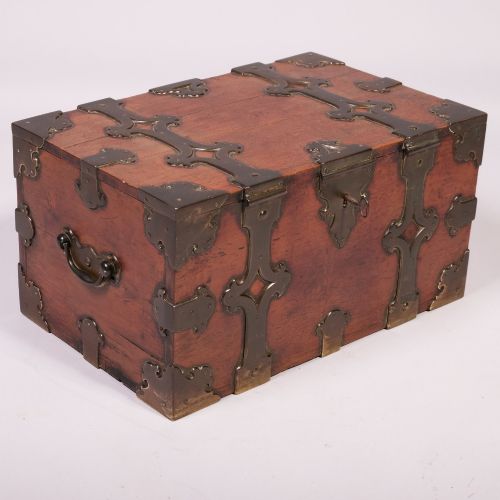
The specimens on this page span the Georgian era and the broader eighteenth century, alongside occasional later retrospective pieces. You will find forms ranging from miniature oak boxes to larger brass-mounted camphor caskets and colonial trunks.
Regional variations emerge clearly across the inventory, including English walnut knife boxes, Continental chestnut chests, and Chinese export lacquer coffers. Each type reflects the specific storage needs and trade connections of its original owner.
Materials and construction methods
Carpenters utilised dense hardwoods such as mahogany, oak, teak, and walnut to construct durable carcases capable of withstanding heavy daily use. Surfaces often received finishes of varnish or paint to protect the timber and enhance its visual depth.
Decorative elements frequently include contrasting wood inlay, satinwood details, and delicate Tunbridge Ware patterning. Metal components such as brass mounts, locks, and iron hinges provided structural reinforcement and secure closures.
Listings feature woods including mahogany, oak, teak, walnut, and chestnut, paired with decorative brass mounts and wood inlay.
Judging quality and craftsmanship
The distinction between standard containers and superior pieces rests on the precision of the joinery and the selection of timber. Finer examples display meticulously fitted interiors, secret drawers, and harmonious grain patterns across all visible surfaces.
Original hardware, working locks, and intact decorative schemes elevate the status of a box. Alterations, replaced feet, or mismatched brasses diminish the integrity of the piece, shifting focus from a pure survival to a restored object.
The Eighteenth Century Wooden Box Glossary
- Tea caddy
- A small lidded box designed to store loose tea leaves securely. These containers frequently featured internal compartments and locking mechanisms to protect expensive tea.
- Casket
- An ornate box or chest traditionally used for holding jewels, documents, or small valuables. Eighteenth century examples often incorporated brass mounts and fine timber construction.
- Inlay
- A decorative technique where pieces of contrasting wood or other materials are inserted into recessed portions of the base timber. This creates flat, patterned surface designs.
- Coffer
- A sturdy chest or box used for storage, often possessing deep proportions and heavy structural reinforcement. They served practical functions in both domestic and maritime settings.
Eighteenth Century Wooden Box: Frequently Asked Questions
What were these boxes used for?
These boxes fulfilled diverse storage requirements in Georgian households, from securing luxury provisions like tea and spices to housing personal letters, cutlery, and valuables.
Larger chests and trunks accommodated clothing and goods during travel, while smaller caskets and desks remained static on tables for daily administrative tasks.
How do I care for antique wood?
Keep wooden boxes away from direct sunlight and steady sources of artificial heat to prevent timber shrinkage and splitting. Maintain a stable room temperature to protect historic polishes and glues.
Apply a light application of appropriate wax polish only when the surface appears dry, avoiding modern liquid cleaners or silicone sprays.
Are interior fittings usually original?
Many boxes retain their original fitted interiors, such as subdivided spaces in tea caddies, cutlery slots in knife boxes, or secret compartments in desks. Replacements or missing dividers do occur due to centuries of domestic adaptation and use.
Examine the secondary woods and interior linings closely to determine whether the components share the age and wear of the outer carcase.
How are different periods identified?
Period attribution relies on a combination of timber choice, construction techniques, hardware styles, and design vocabulary typical of the eighteenth century and the Georgian era. Subtle shifts in furniture fashion guide the dating of each piece.
Comparative study of dovetailing methods, lock types, and decorative motifs helps separate genuine period specimens from later nineteenth-century interpretations.