





Eighteenth Century Walnut Desk
An eighteenth century walnut desk brings warmth and architectural presence to a room, offering fitted drawers and a sloping fall front.
Eighteenth Century Walnut Desk
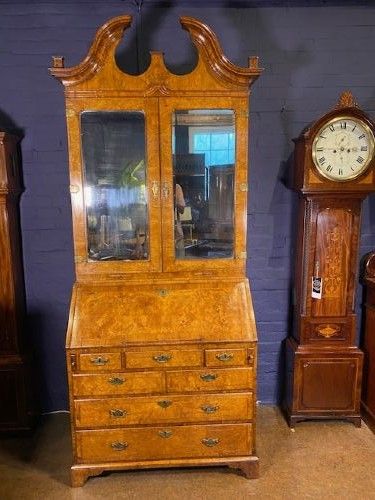
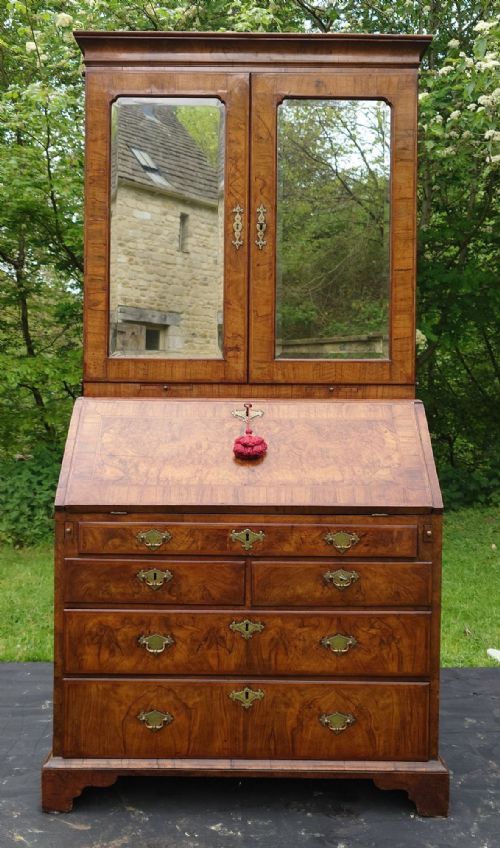
An eighteenth century walnut desk encompasses bureau bookcases, kneehole desks, bureaux, and lowboys spanning the seventeenth to nineteenth centuries. The bureau bookcase is the most substantial form encountered here, combining a sloping writing flap with upper shelving and cabinetry. Buyers also encounter side tables and lowboys utilised for writing or dressing, frequently displaying regional European variations.
The selection ranges from George I and Queen Anne periods through to continental examples executed in Dutch, Italian, and Venetian Rococo styles. Walnut appears in plain, burr, and figured veneers, often augmented by fruitwood inlay, floral marquetry, and ebonised wood details. Oak, pine, and brass hardware provide the structural and decorative backing for these pieces.
How they were made
Cabinetmakers utilised solid walnut and decorative veneers applied to secondary woods such as oak and pine, securing stability across large panels like bureau falls and bookcase doors. Figured and burr walnut veneers were cut to display intricate grain patterns, sometimes enhanced by fruitwood inlay and floral marquetry.
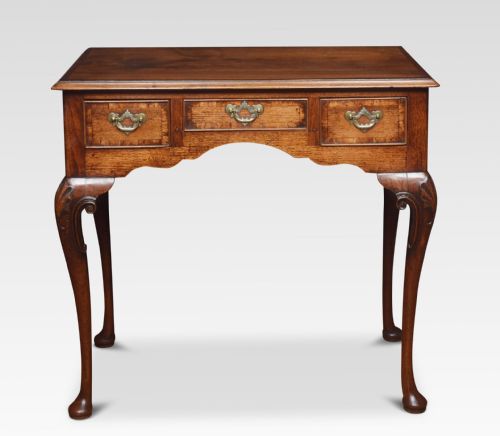
Brass handles, escutcheons, and hinges were fitted to drawers and cabinet doors, providing functional contrast to the dark timber. Structural joints relied on traditional joinery, while carved cabriole legs and trilobe feet supported lowboys and smaller tables.
Listings feature periods spanning the seventeenth, eighteenth, and nineteenth centuries, with particular concentration on Georgian and George I items.
What varies in quality
The sophistication of the veneer selection and marquetry work dictates much of the distinction between examples, with highly figured burr walnut and detailed floral marquetry sitting at the upper end. The integration of architectural elements, such as double dome tops on bureau bookcases, alters the visual weight and ambition of the piece.
Proportion and the preservation of original hardware, including brasses and feet, separate refined survivals from heavily altered items. Regional styles, from English George I pieces to Venetian and Dutch Rococo interpretations, display varying degrees of carving depth and cabinetmaking ambition.
The Eighteenth Century Walnut Desk Glossary
- Bureau
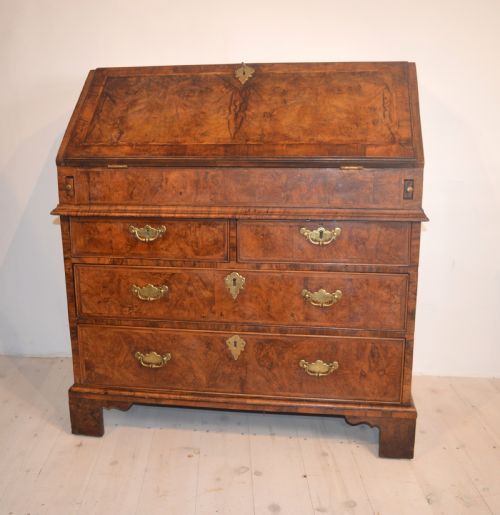
- A writing cabinet featuring a sloping lid that opens to reveal a fitted interior of small drawers and pigeonholes. This form forms the core of many eighteenth century walnut desk listings.
- Lowboy
- A small low table with one or more drawers, often standing on cabriole legs. These served as dressing tables or writing surfaces.
- Burr Walnut
- A veneer taken from the warted growths of walnut trees, yielding highly ornamental swirling grain patterns. It was favoured for high-status cabinet fronts during the eighteenth century.
- Marquetry
- The art of applying pieces of veneer to a structure to form decorative patterns and pictures. Floral designs in fruitwood are typical of Dutch and Venetian examples.
- Kneehole Desk
- A compact desk featuring a central recess for the sitter's legs, flanked by pedestals of small drawers. The George I period produced notable examples in walnut.
Eighteenth Century Walnut Desk: Frequently Asked Questions
What is the difference between a bureau and a bureau bookcase?
A bureau consists of a lower section with a sloping writing flap and internal compartments, standing alone on legs or bracket feet. A bureau bookcase adds an upper enclosed shelving or cabinet structure to this base.
This taller upper section changes the scale and architectural presence of the furniture, often incorporating double dome tops or panelled doors.
How do I identify a George I walnut desk?
George I pieces typically date from the early eighteenth century and display clean architectural lines with figured walnut veneers. They often feature kneehole configurations or fall-front bureaux supported on bracket feet or cabriole legs.
The timber work relies on the natural grain of figured walnut rather than heavy floral marquetry, presenting a restrained aesthetic.
Where were continental walnut desks made?
Continental examples originate from workshops in regions such as Holland, France, and Italy. These pieces frequently showcase distinct regional traits like floral marquetry or carved Rococo flourishes.
Italian and Venetian versions often exhibit elaborate double dome structures and shaped fronts characteristic of southern European cabinetmaking.
How were lowboys used in the eighteenth century?
Lowboys functioned as versatile small tables utilised for writing, grooming, or serving. Their single or multiple drawer configuration provided accessible storage for papers or personal items.
Placed against walls or beneath mirrors, they offered a lighter alternative to large cabinetry while retaining fine walnut veneers and cabriole leg styling.