





Eighteenth Century Figurines
Eighteenth century figurines are delicate ceramic sculptures capturing allegories, traders, and mythological figures from the Georgian era.
Eighteenth Century Figurines
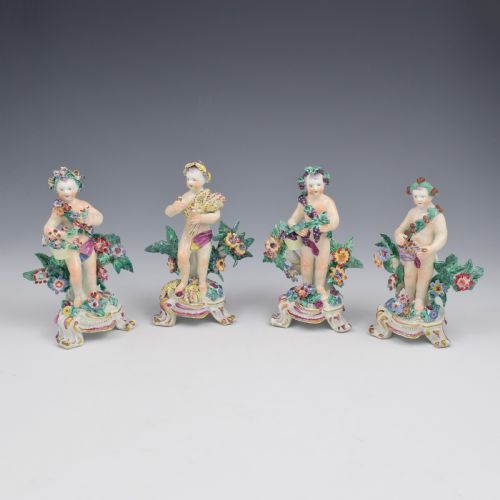
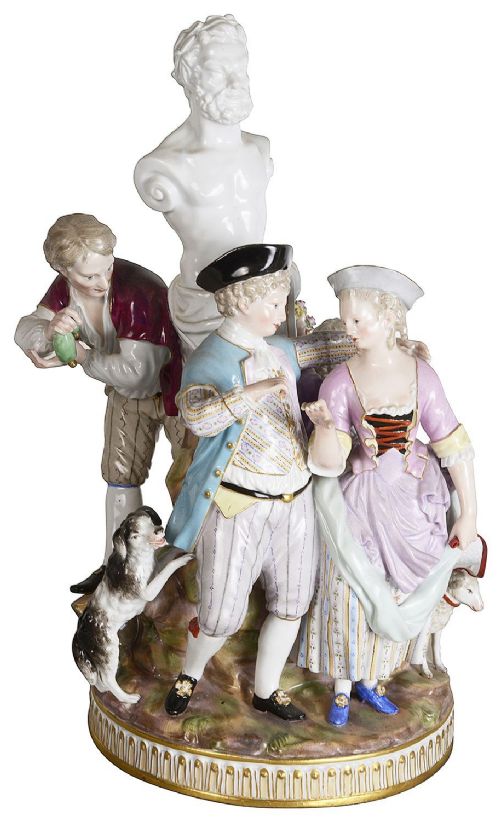
Eighteenth century figurines encompass fragile ceramic sculptures produced across European factories during the Georgian period, often depicting pastoral subjects, allegorical figures, and mythological characters. Buyers searching for eighteenth century figurines encounter delicate porcelain representations of putti, musicians, and street traders modelled with notable sculptural ambition.
The pieces appearing on this page span several key European porcelain centres, with Meissen, Bow, Derby, and Chelsea heavily represented alongside Dutch delftware. Figures range from single subjects like street traders and allegorical representations of seasons to pairs of lovers, musicians with bocage, and elaborate sweet baskets.
While the core of the selection belongs firmly to the seventeen-fifties and seventeen-sixties, later interpretations such as nineteenth-century Samson reproductions and Rococo Revival pieces also appear. Most pieces reflect the sculptural tastes of the mid-eighteenth century, utilising hard-paste porcelain and soft-paste bodies enriched with enamel and gilding.
How they were made
Makers utilised hard-paste and soft-paste porcelain bodies, shaping them through detailed mould-pressing before applying intricate hand-painting in enamel colours. Gilding and gold leaf often highlight garment edges, bases, and decorative accessories.
Glaze provides a smooth, glossy surface across the porcelain figures, sealing the painted details beneath a protective vitreous layer. Background elements such as bocage incorporate applied leafy foliage formed by hand or through specialised piercing techniques.
Several figures hold tricorne hats or hurdy-gurdies, preserving eccentric Georgian musical fashions in miniature ceramic form.
What varies in quality
The crispness of the modelled detail distinguishes superior work, particularly in facial expressions, hair, and the delicate folds of garments. Softer moulding often indicates worn moulds or later reproduction pieces from the nineteenth century.
Painting precision dictates the visual success of each piece, separating master decorator work with refined pastel hues from heavier, less articulate brushwork. The subtlety of the enamel palette and the preservation of original gilding significantly influence the visual balance of the object.
Johann Joachim Kändler·Gotthelf Greiner·Pieter Verburg
The Eighteenth Century Figurines Glossary
- Bocage
- A background of applied ceramic foliage and leaves surrounding a figure. This decorative arbour style was widely used in English porcelain factories.
- Hard-paste porcelain
- A true ceramic composition fired at high temperatures using kaolin and petuntse. It creates a dense, durable white body.
- Putto
- A plump, unwinged male infant figure, often used in allegorical groups. Multiple figures of this type are known as putti.
- Gold anchor mark
- A small painted factory sign used by Chelsea porcelain works during their latter production phase. It denotes a specific period of manufacture.
- Sweetmeat dish
- A small moulded vessel designed for serving confectioneries at the dining table. They frequently incorporate figural supports.
Eighteenth Century Figurines: Frequently Asked Questions
What subjects do eighteenth century figurines show?
These figures depict a wide range of subjects drawn from mythology, pastoral life, and contemporary society. Common themes include allegorical representations of the seasons, musicians, street traders, and courting couples.
Factory modellers also produced classical deities such as Diana the Huntress alongside cherubs and putti. Each subject reflected the decorative tastes and theatrical inclinations of the Georgian period.
How do I identify a period piece?
Identifying the age of a piece requires examining the paste, glaze characteristics, and factory marks beneath the base. Eighteenth-century examples often display early underglaze or painted factory symbols such as anchors or crossed swords.
Handling the ceramic body reveals the specific qualities of eighteenth-century hard-paste or soft-paste porcelain. Comparing the modelling sharpness against documented factory examples further confirms the manufacturing era.
Where were these porcelain figures made?
Production centred on major European ceramic manufactories in Germany, England, and France. Meissen in Germany and Chelsea, Bow, and Derby in England dominated the output.
Other regional factories such as Ludwigsburg, Fürstenberg, and Limbach also contributed significant sculptural works. Dutch workshops produced tin-glazed earthenware alternatives during the same timeframe.
How should I display delicate porcelain?
Delicate porcelain figures require secure placement within enclosed cabinets away from direct sunlight and heavy foot traffic vibrations. Stable shelving prevents accidental tipping of fragile limbs and applied floral bocage.
Maintaining a stable room temperature protects the historic body and surface enamels from thermal stress. Dusting should be undertaken sparingly with a soft, dry brush.