

Eighteenth Century Cabinet
An eighteenth century cabinet brings architectural presence and rich timber figure into a room.
Eighteenth Century Cabinet
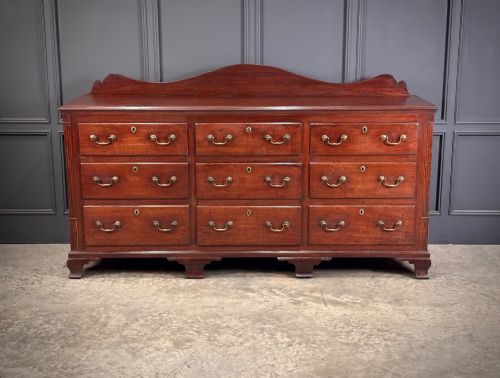
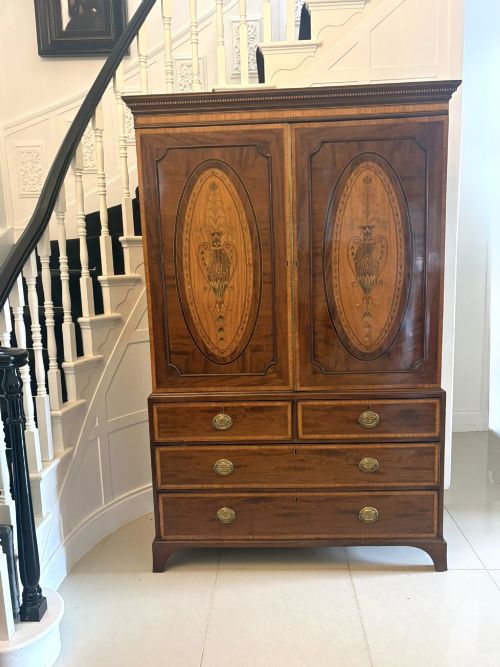
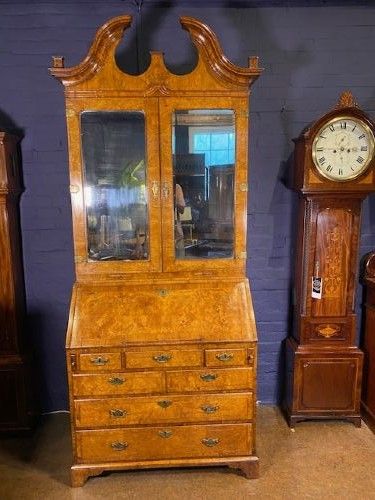
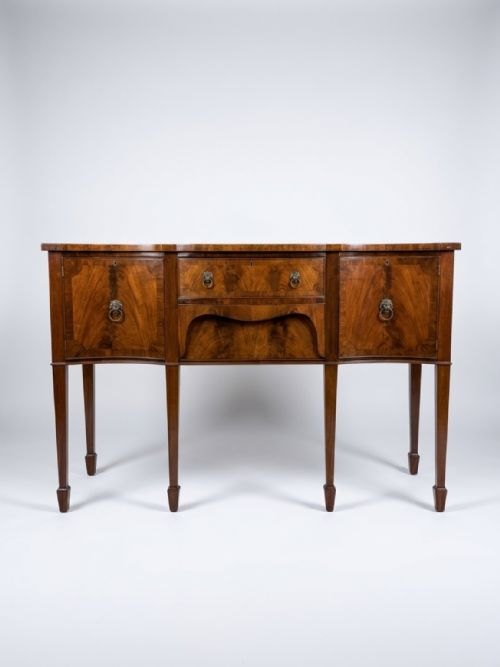
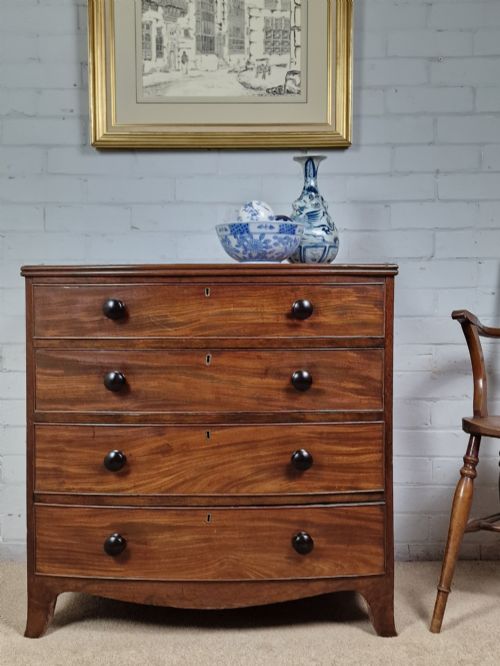
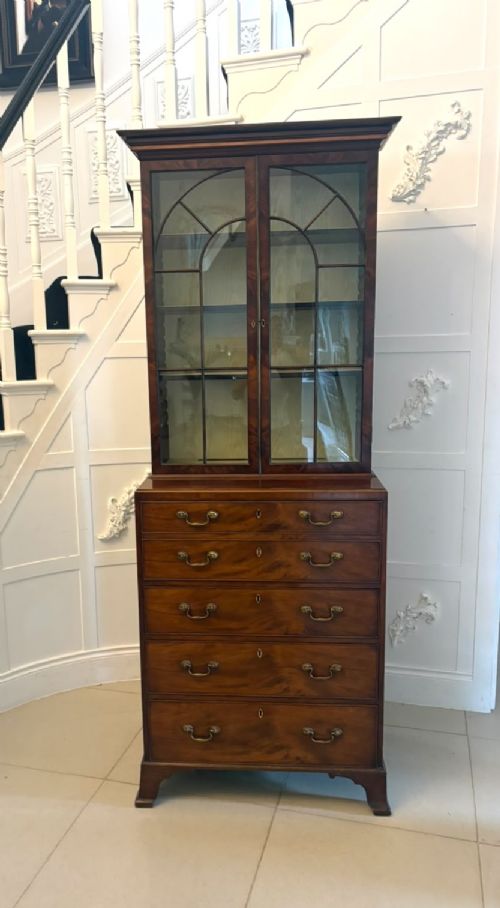
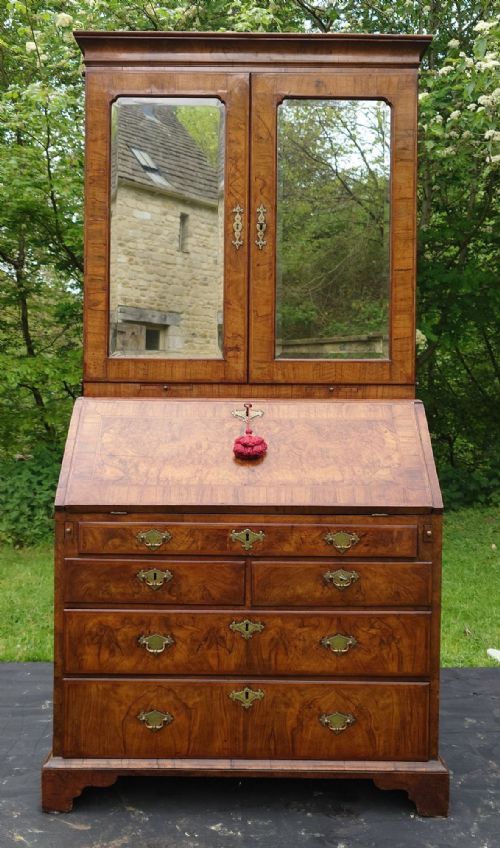
The term eighteenth century cabinet covers substantial case furniture designed for storage, display and writing, spanning bureau bookcases, linen presses and corner cupboards. Buyers pursuing an eighteenth century cabinet frequently encounter vernacular oak pieces alongside formal walnut and mahogany examples from the Georgian period.
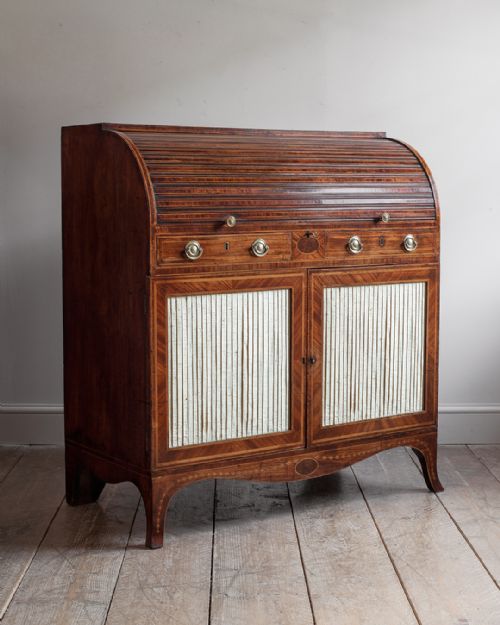
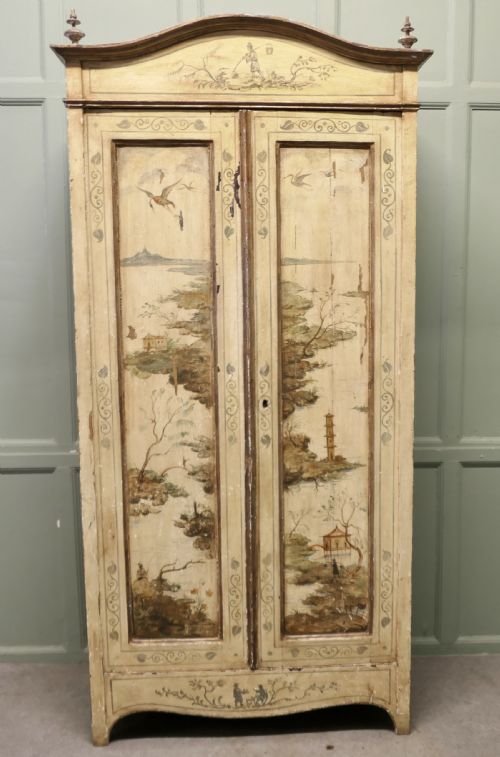
The material palette is dominated by richly figured mahogany and walnut, augmented by oak, ash, elm, and cherrywood in provincial examples. More ornate pieces utilise burr walnut, satinwood inlay, or painted lacquer with Chinoiserie outdoor scenes.
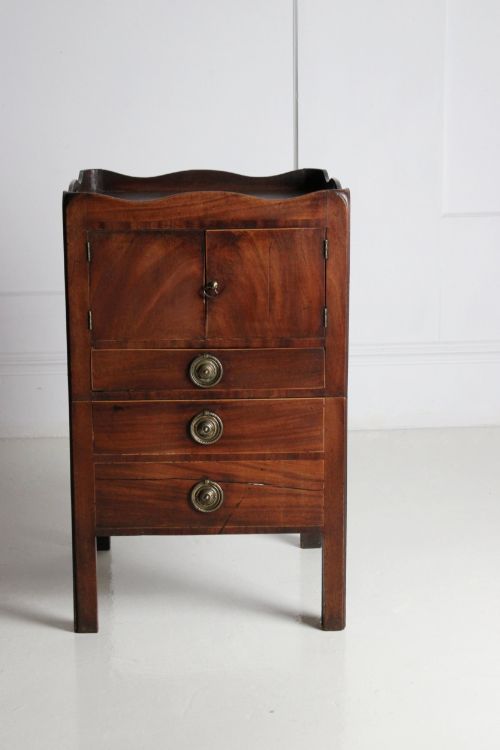
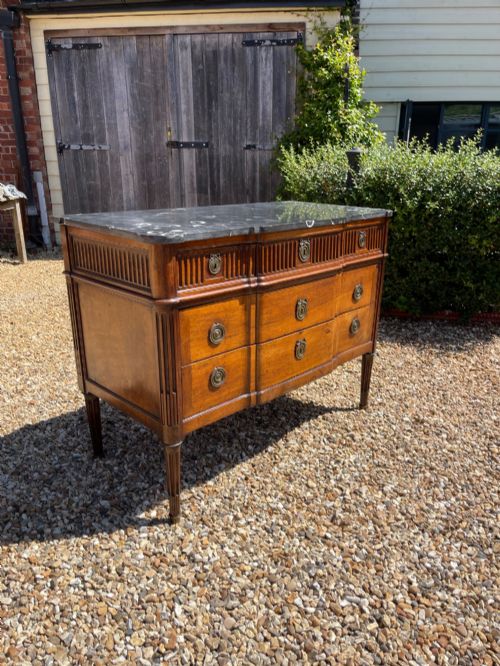
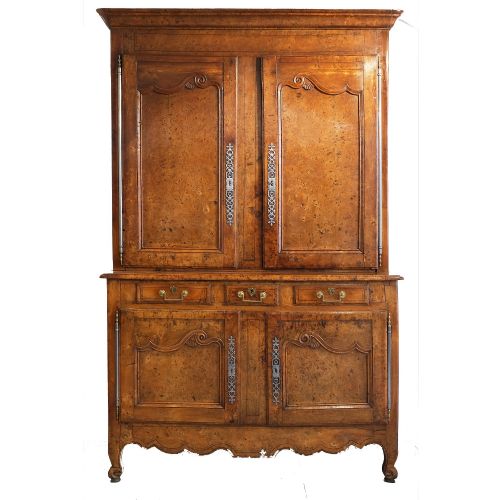
Forms range from tall bureau bookcases and chest on chest configurations down to compact night stands, pot cupboards, and wall-mounted corner cabinets. Regional variations include French provincial commodes and Italian double dome bureau bookcases.
Materials and construction methods
Cabinet makers relied primarily on solid mahogany, walnut, and oak, frequently employing figured veneers over secondary softwood or oak carcases. Drawer linings typically display hand-cut dovetails, while structural joints rely on traditional pegging and mortise and tenon construction.
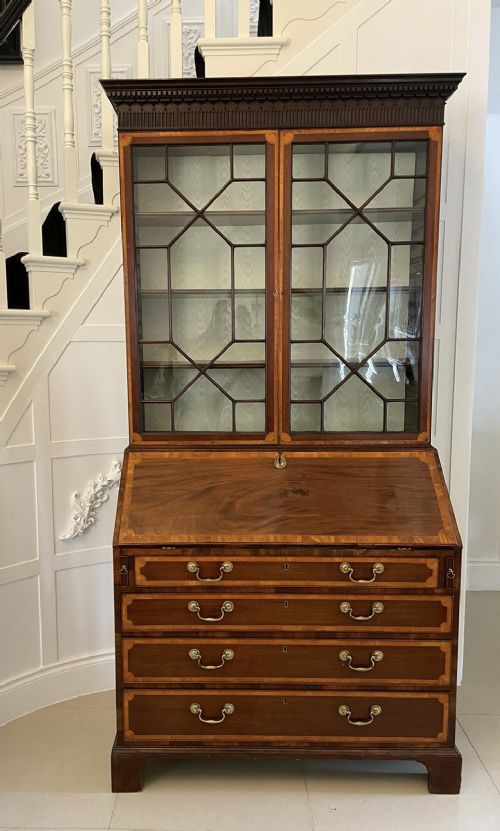
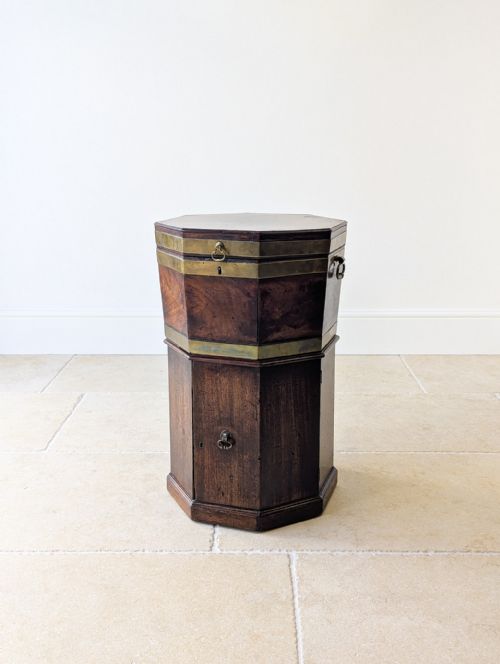
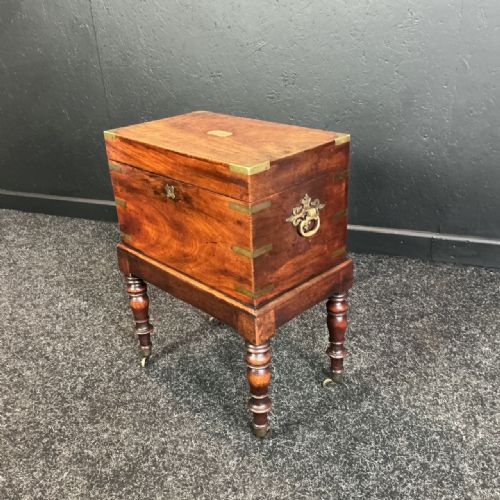
Glazing in upper bookcase sections utilises delicate timber astragal bars framing individual glass panes. Brass hardware, including drop handles, escutcheons, and occasional brass banding on cellarets, provides functional and decorative contrast to the timber surfaces.
Eighteenth Century Cabinet Retail Price Guide 2026
Typical asking prices for eighteenth century cabinet among the pieces listed under this phrase on Sellingantiques today, from the lower quarter to the upper quarter. They describe what is for sale here now, not the wider market.
Current listings feature eighteenth century cabinets in mahogany, walnut, oak, and lacquered finishes, spanning bureau bookcases, linen presses, and cellarets.
Distinctions in craftsmanship and materials
The upper tier of craftsmanship is defined by the selection of highly figured timbers, such as burr walnut or meticulously matched mahogany veneers, paired with precise joinery and sophisticated internal arrangements like secret drawers and fitted pigeonholes. Lower quality or provincial pieces often utilise simpler native woods like ash, elm, or cherrywood with straightforward plank construction.
Proportion and decorative restraint dictate the standing of a piece within the period. Elaborate additions such as hand-painted Chinoiserie decoration, fine satinwood inlay, or complex architectural cornices elevate a cabinet beyond standard utilitarian storage.
Gillows·Druce and Co London
The Eighteenth Century Cabinet Glossary
- Bureau bookcase
- A dual-purpose piece featuring a hinged sloping writing flap over drawers, surmounted by a glazed or panelled bookcase cabinet. It serves both as a writing desk and a library storage unit.
- Cellaret
- A freestanding timber container designed for holding bottles of wine, frequently brass-bound and lined for cooling purposes. These sit beneath sideboards or beside dining tables.
- Linen press
- A tall cupboard featuring upper sliding trays or shelves originally intended for household linens, positioned above a chest of drawers base. They also function today as generous wardrobe spaces.
- Astragal glazed
- A window frame or cabinet door divided into smaller glass panes by thin timber mouldings known as astragals. This technique creates a lighter visual appearance on large bookcase doors.
- Tambour
- A flexible sliding shutter formed from narrow vertical strips of timber glued to a canvas backing. It conceals desk interiors smoothly without requiring outward-swinging doors.
Eighteenth Century Cabinet: Frequently Asked Questions
What is a bureau bookcase?
A bureau bookcase combines a lower writing desk with an upper shelving section enclosed by doors. The sloping writing flap folds down to reveal small drawers and pigeonholes.
Upper sections frequently feature glass doors with astragal bars to display books. These tall pieces were essential furniture for studies and libraries.
How do I identify mahogany from walnut?
Walnut displays a rich brown tone with intricate grain patterns and occasional dark figuring, popular in earlier pieces. Mahogany offers a deeper reddish-brown hue that deepens with age and polish.
Burr walnut exhibits swirling knot formations across the surface, whereas mahogany usually presents straight or flame grain patterns.
Where were corner cabinets placed?
Corner cupboards and cabinets were designed to fit snugly into room angles to utilise unused space. They could be hung on walls or built as tall freestanding floor units.
They typically housed glassware, ceramics, or porcelain collections where they remained visible yet protected.
What is a cellaret used for?
A cellaret functioned as a portable or stationary wine cooler in dining rooms. Interiors often included lead linings or partitioned spaces for holding bottles securely.
Many examples feature robust brass binding and sturdy carrying handles for practical use during meals.