
Eight Day Pendulum Clock
An eight day pendulum clock keeps time for over a week between winds, combining heavy brass movements with fitted wooden cabinetry.
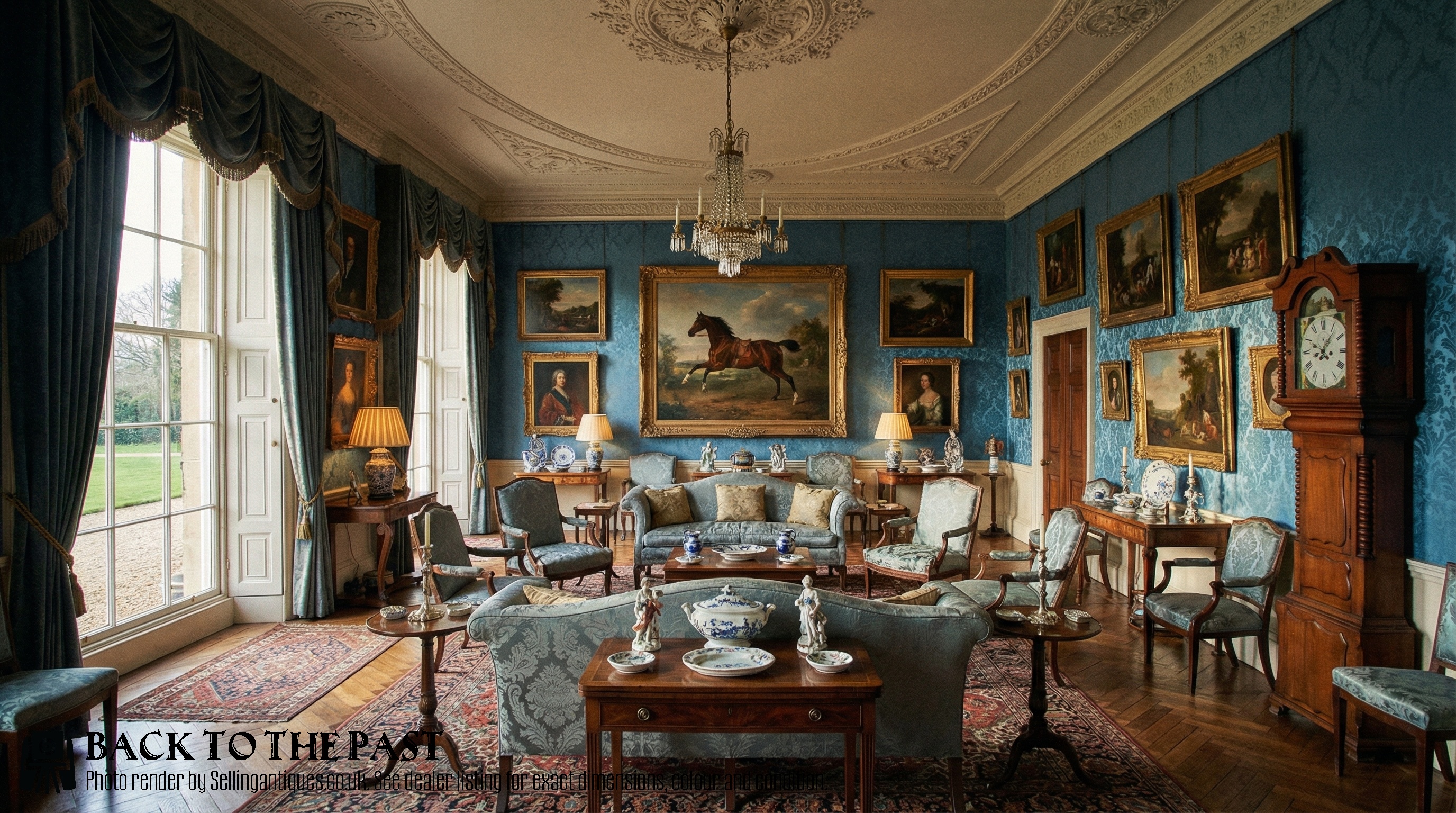
Eight Day Pendulum Clock
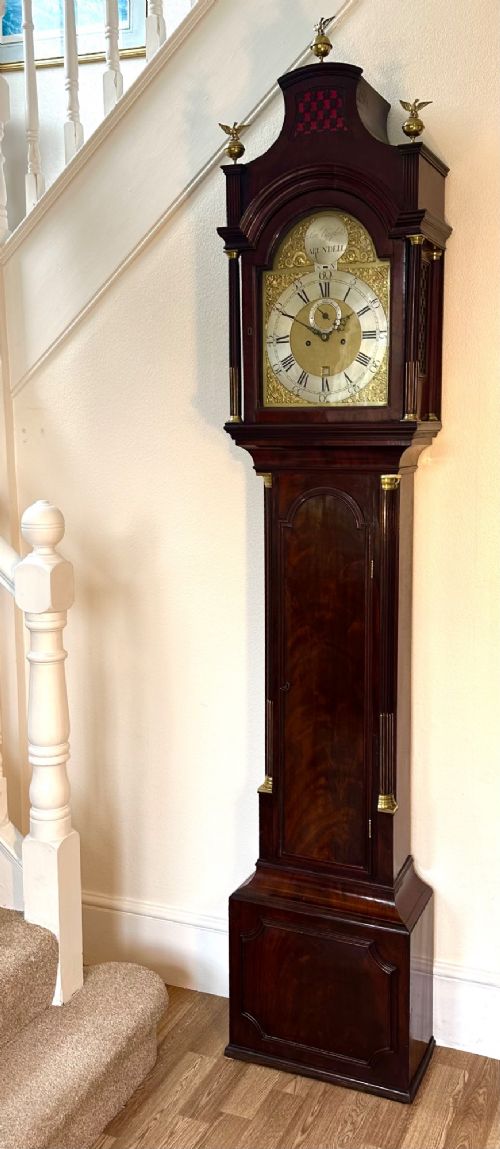
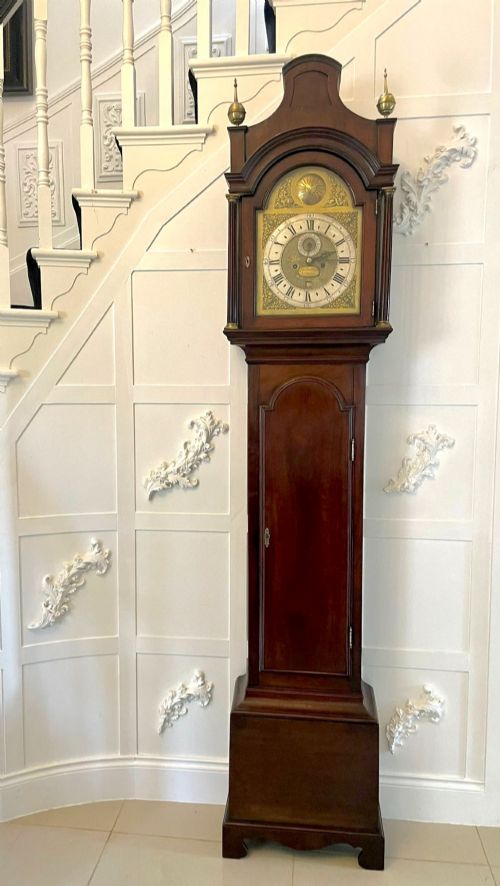
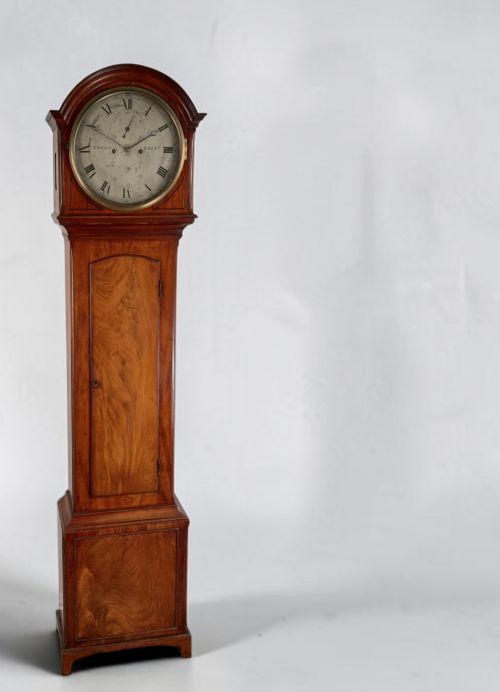
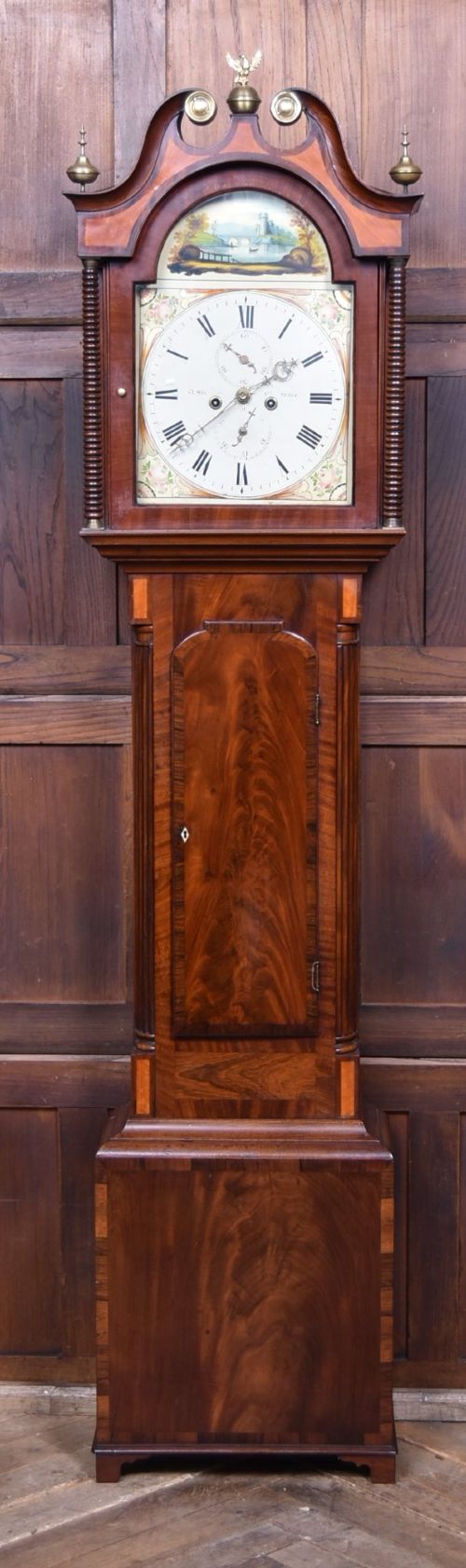
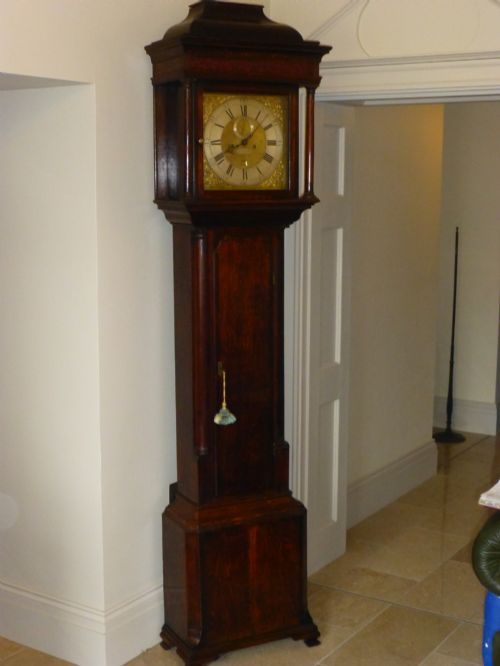
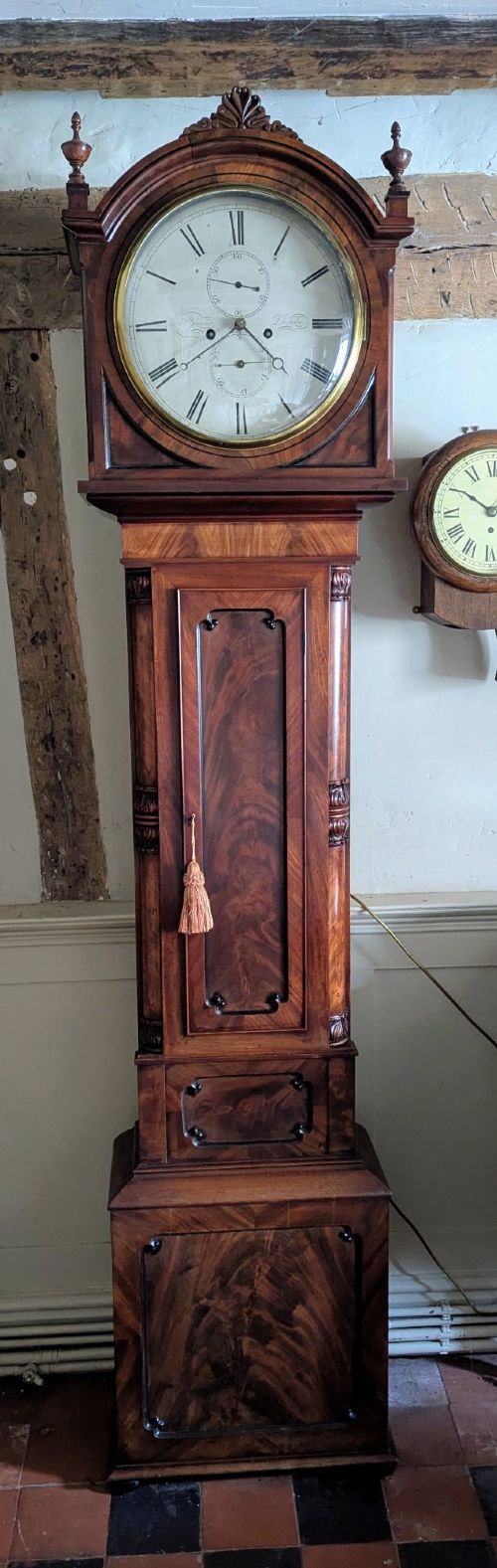
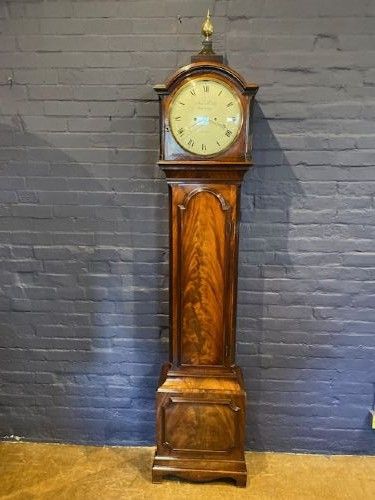
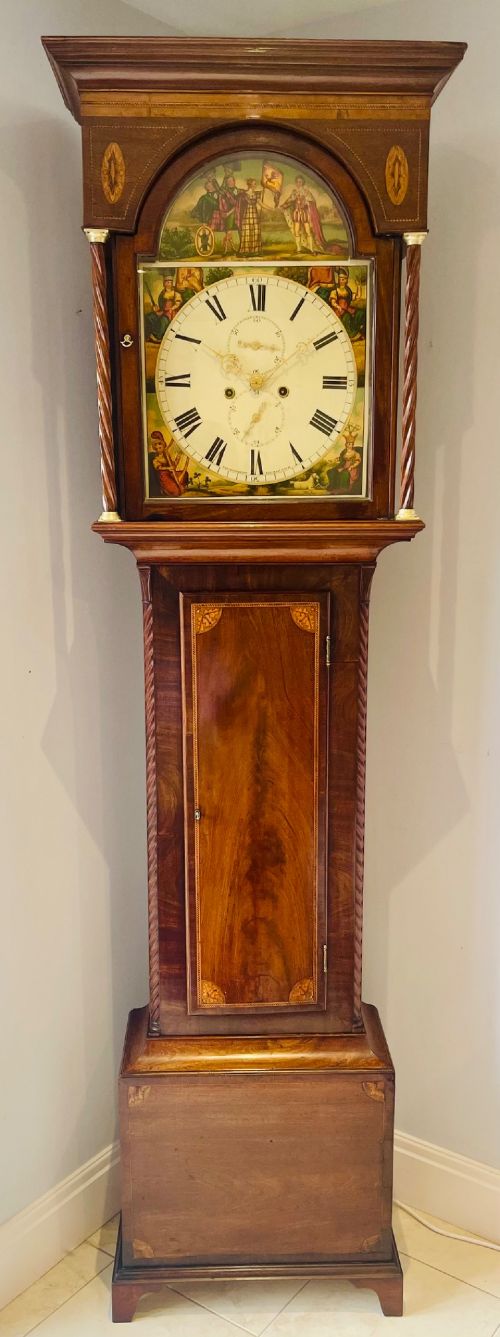
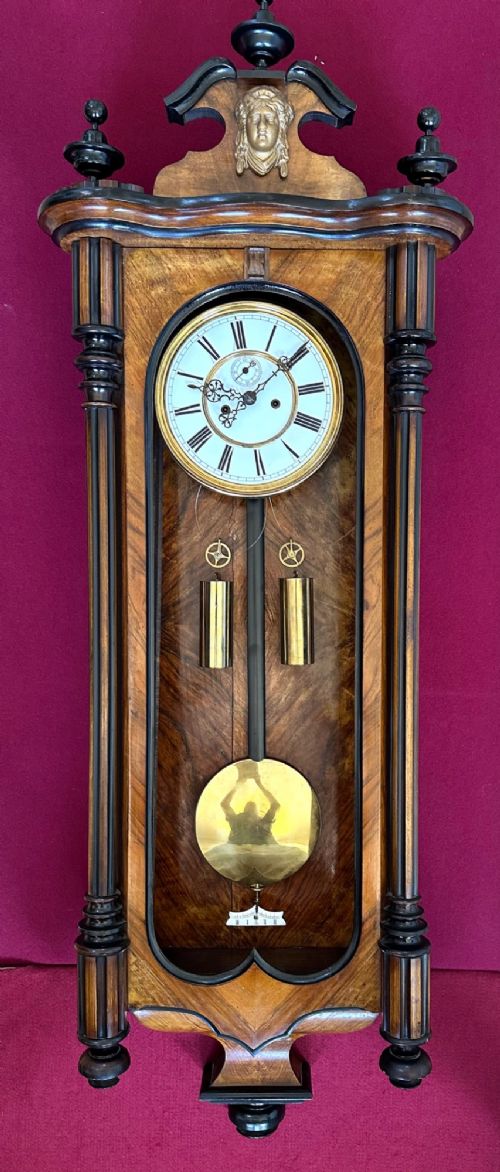
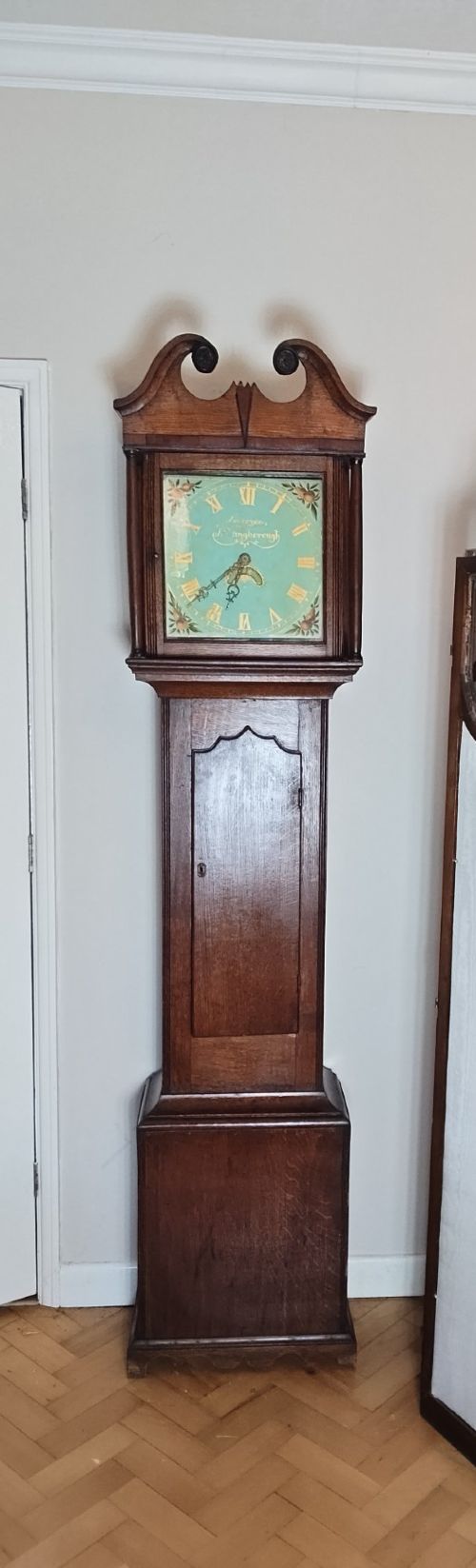
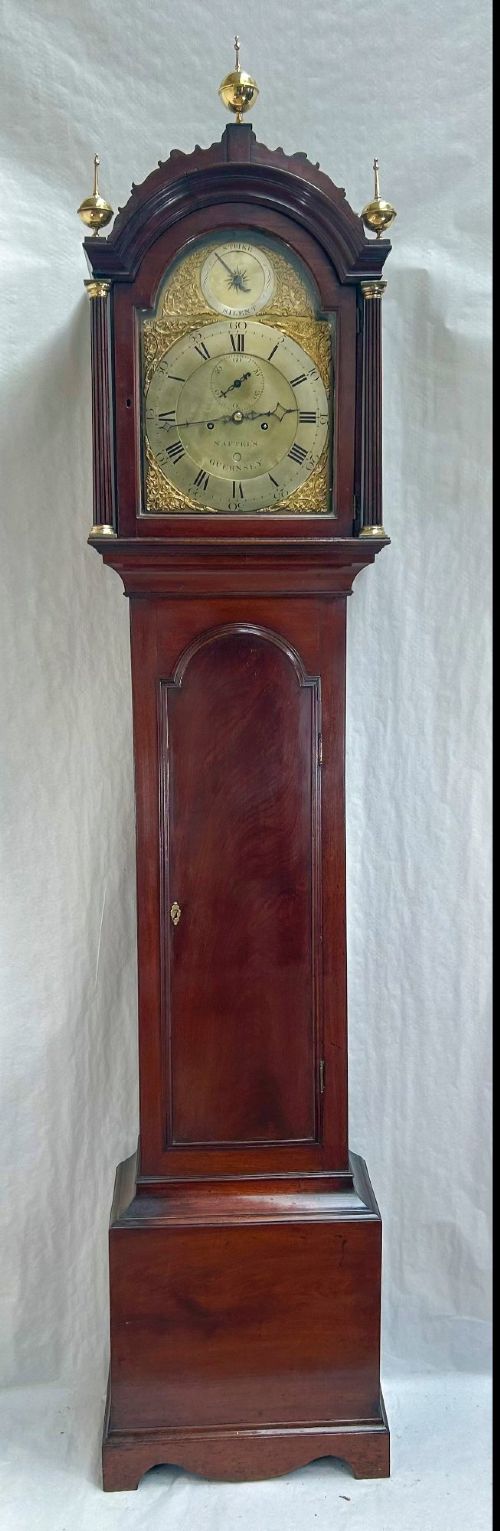
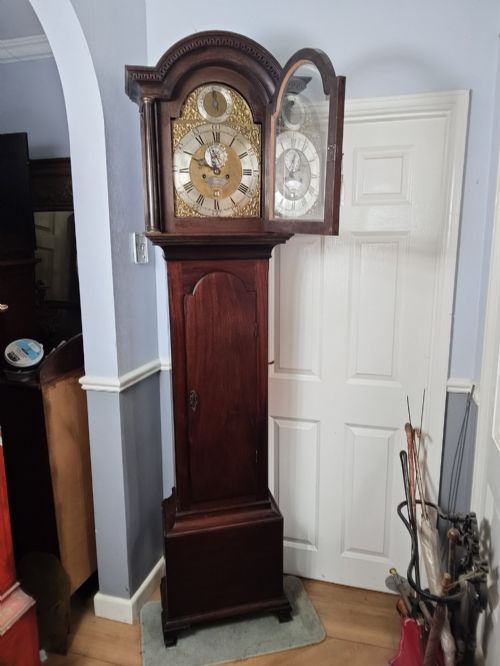
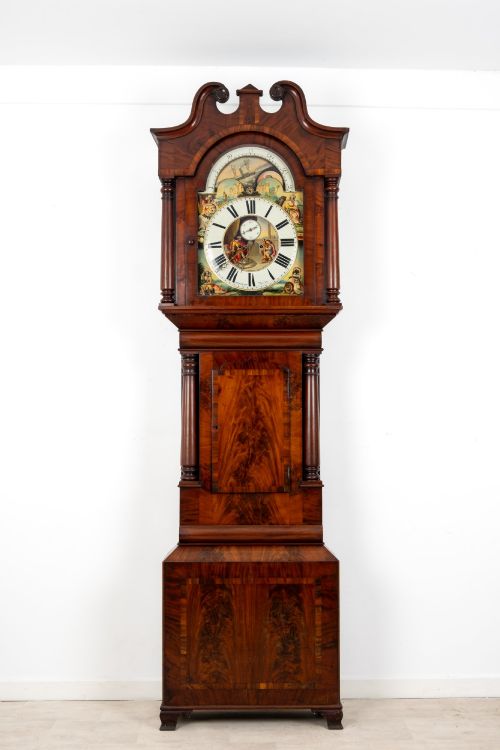
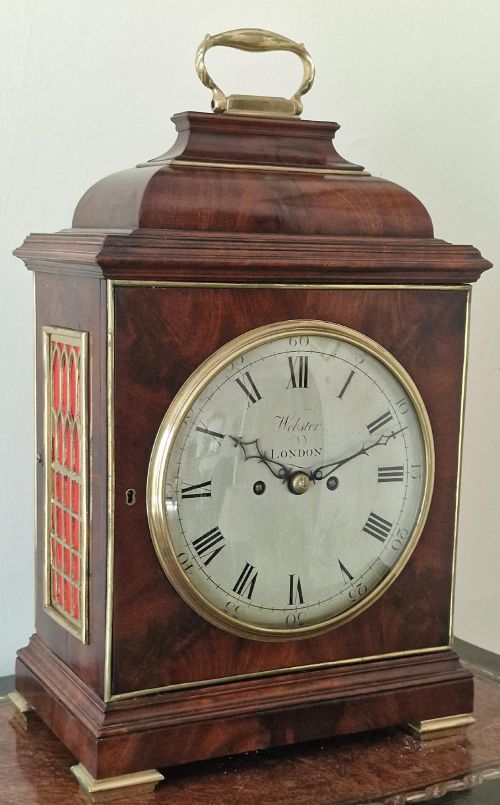
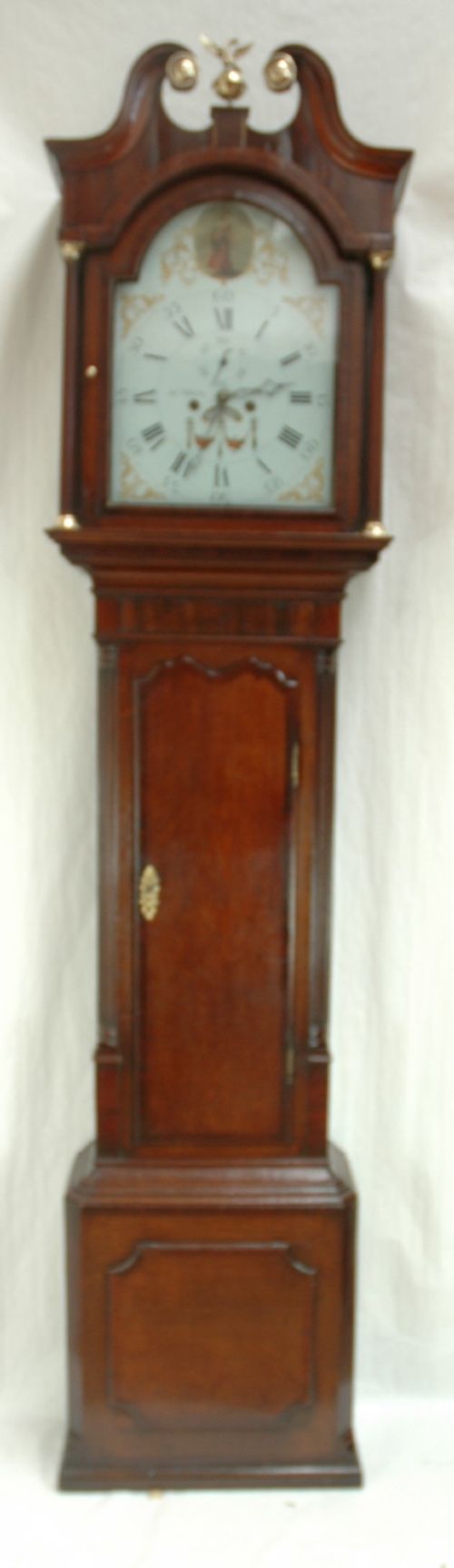
An eight day pendulum clock represents the height of traditional domestic horology, designed to run for slightly more than a week before needing a wind. When searching for an eight day pendulum clock, buyers encounter tall floor-standing longcase examples most frequently, alongside wall and bracket clocks.
The pieces on this page span the 17th century through to the Victorian era and 1900, with Georgian and 19th-century specimens dominating the selection. Cabinets appear in materials like mahogany, oak, and walnut, housing brass or painted iron dials created by makers across England and Scotland.
How they were made
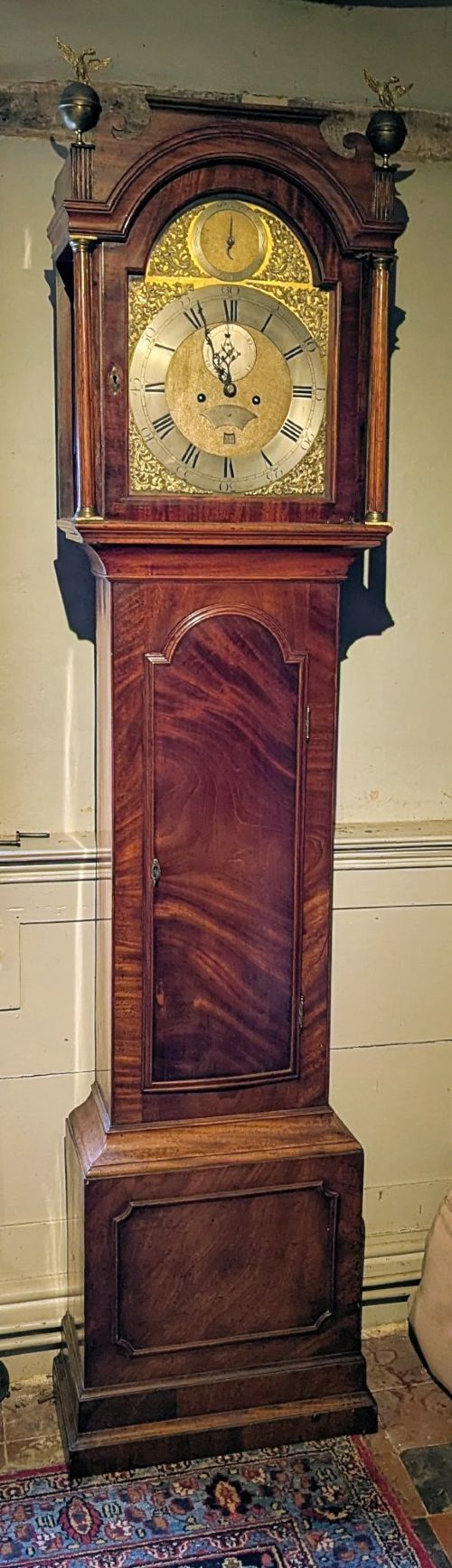
Makers constructed these mechanisms from brass and steel, pairing weight-driven movements with swinging pendulums to regulate time accurately. Cases utilise timber such as mahogany, oak, and walnut, often featuring flame mahogany veneers and brass dial fittings.
Dials display brass or painted iron faces, sometimes incorporating enamel details and moon phases. Cabinetry relies on traditional joinery methods to house the tall or wall-mounted movements securely.
Listings feature movements from Georgian, Regency, and Victorian periods, housed in mahogany, oak, and walnut cases.
What varies in quality
Quality reveals itself in the crispness of the brass engraving on the dial and the depth of figure in the timber case. Superior examples feature well-proportioned cabinetry and movements signed by skilled horologists.
Simpler regional pieces contrast with London-made clocks that often include strike-silent or quarter-striking complications. The integration of complex moon phase dials and refined secondary woods elevates the standing of an individual piece.
Charles Shuckburgh·Richard Corless·Parkinson Bros·Langley Bradley·William Moon
The Eight Day Pendulum Clock Glossary
- Longcase clock
- A tall pendulum clock housed in a wooden floor-standing case, commonly called a grandfather clock. These standing timepieces protect the weights and pendulum behind a glazed or solid door.
- Dial
- The face of the clock where the hours and minutes are shown. Dials are constructed from brass or painted iron and carry the maker signature.
- Strike silent
- A mechanism that allows the striking train to be silenced while the clock continues to keep time. This feature prevents the chime from sounding during the night.
- Moon phase
- A dial mechanism tracking the lunar cycle through a rotating disk behind the face. This complication shows the phases of the moon alongside standard timekeeping.
- Regulator
- A precision pendulum clock designed for high accuracy. These movements typically use deadbeat escapements to minimise friction and error.
Eight Day Pendulum Clock: Frequently Asked Questions
How often do I wind an eight day clock?
These clocks require winding approximately once every week, typically using a key to pull the weights back up.
Consistent winding maintains proper tension on the movement and keeps the pendulum swinging accurately.
Where should I place a longcase clock?
Select a stable, level interior wall away from direct sunlight, strong draughts, and heavy vibrations.
Flooring must remain firm so the pendulum hangs plumb and the beat sounds even.
How do I tell an 18th-century clock apart from a Victorian one?
Eighteenth-century examples often display brass square or arched dials with cast spandrels in the corners, housed in simpler oak or walnut cases.
Victorian pieces frequently utilise painted iron dials and deeper mahogany cabinetry influenced by later revival styles.
What is a strike-silent mechanism?
A strike-silent lever lets the owner disable the hourly chime without stopping the timekeeping movement.
This addition appeared on better quality clocks where nightly noise control was desired.