

Edwardian Wooden Side Cabinet
An edwardian wooden side cabinet offers practical storage and refined period character, combining traditional timber construction with compact proportions suited to modern rooms.
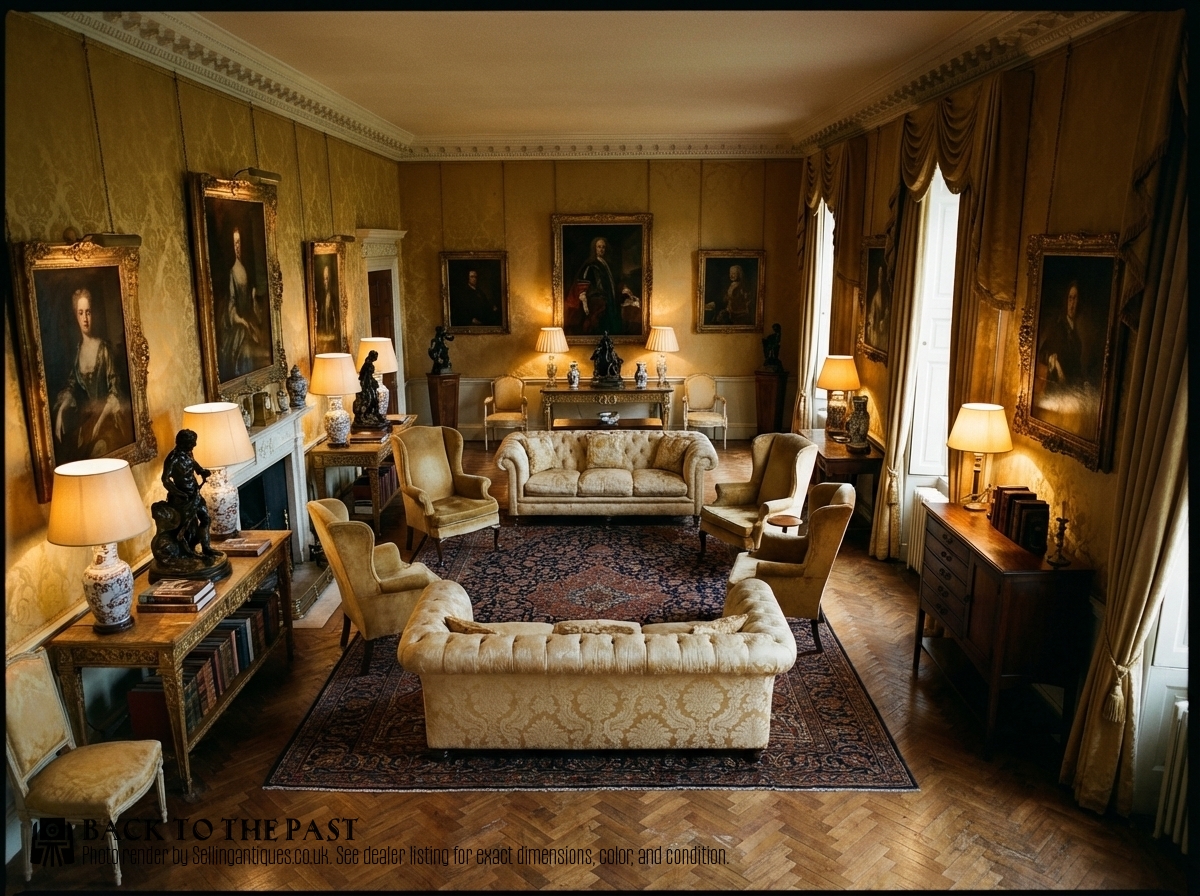
Edwardian Wooden Side Cabinet
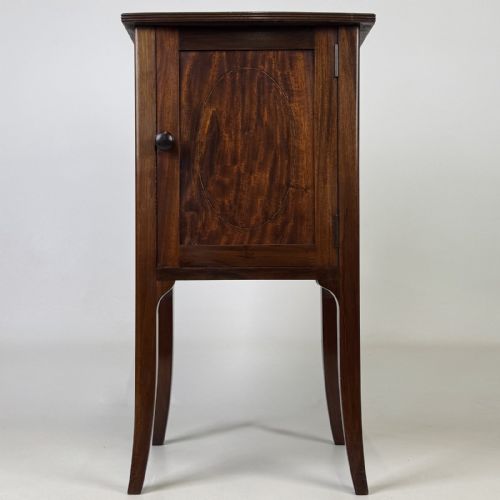
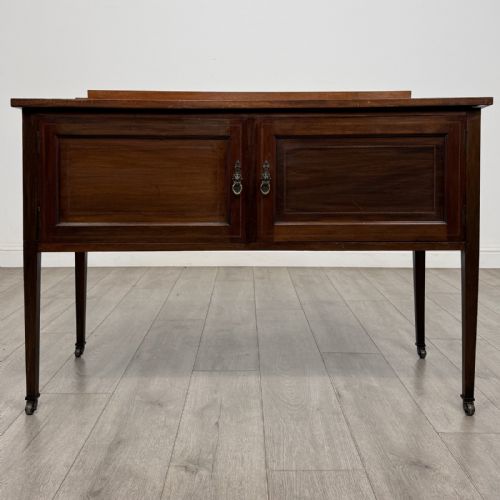
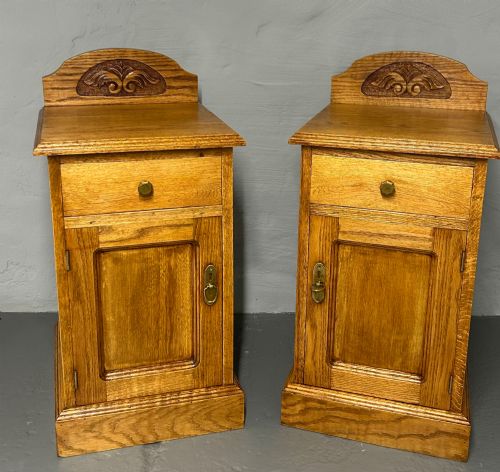
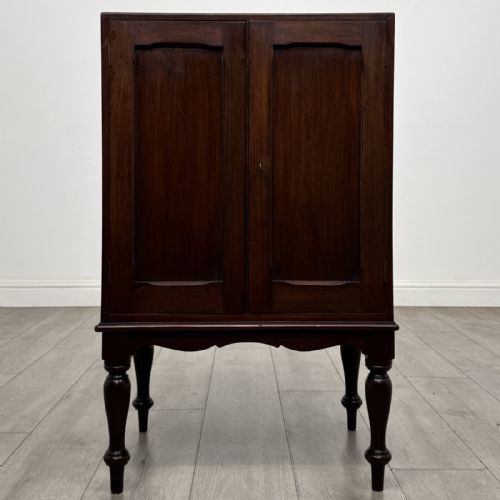
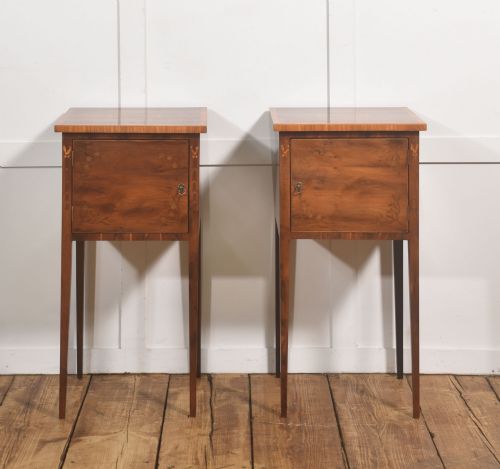
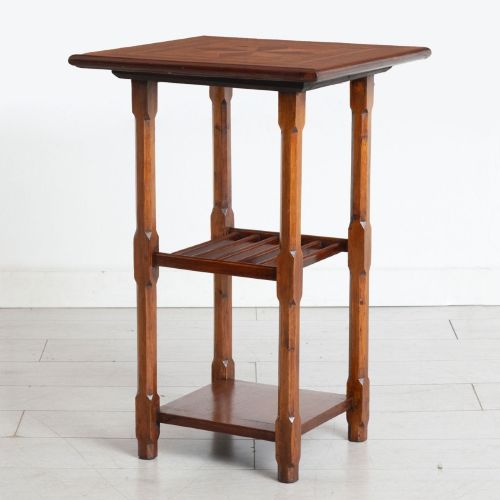
When you search for an edwardian wooden side cabinet, you encounter a variety of compact storage furniture produced around the turn of the twentieth century. These pieces encompass bedside cupboards, small side tables, music cabinets, and low storage units designed for domestic utility.
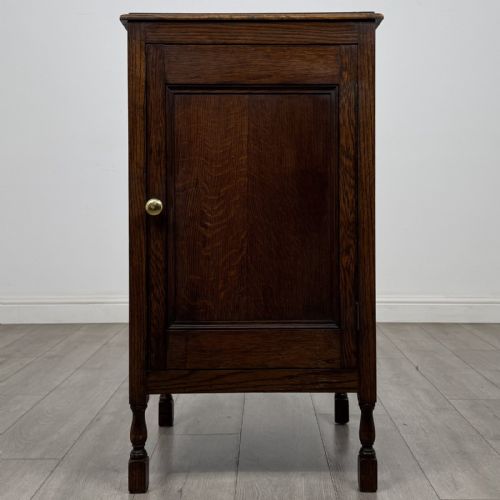
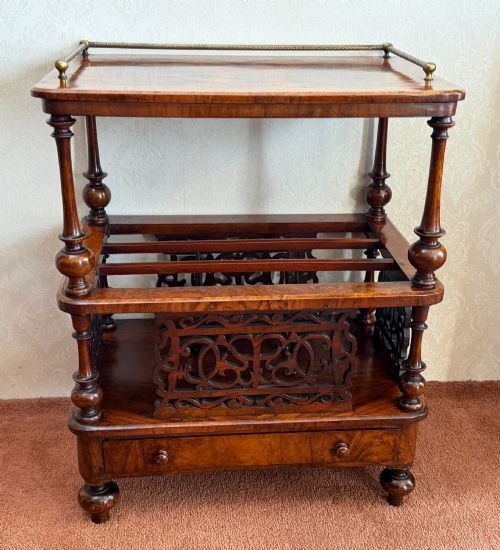
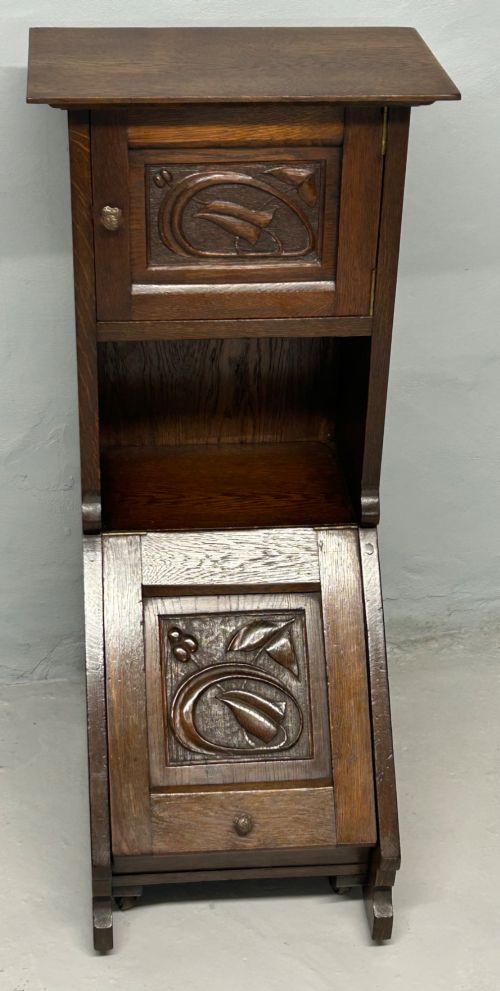
The selection on this page bridges late Victorian tastes and the lighter proportions of the Edwardian era. Alongside formal Edwardian examples in mahogany and satinwood, you find robust oak designs and earlier nineteenth-century prototypes that influenced the style.
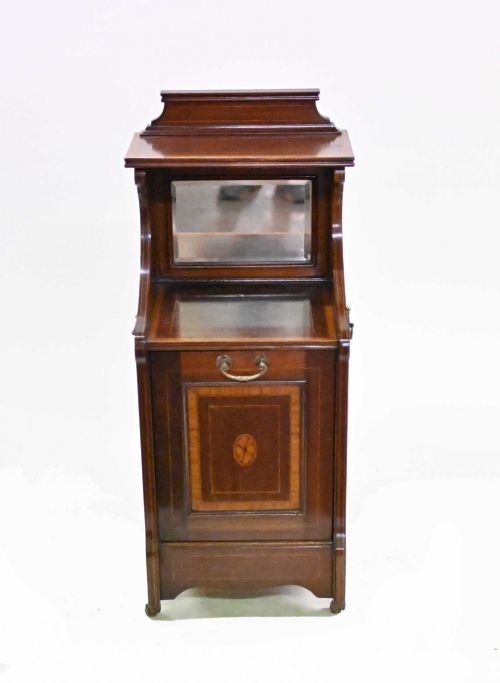
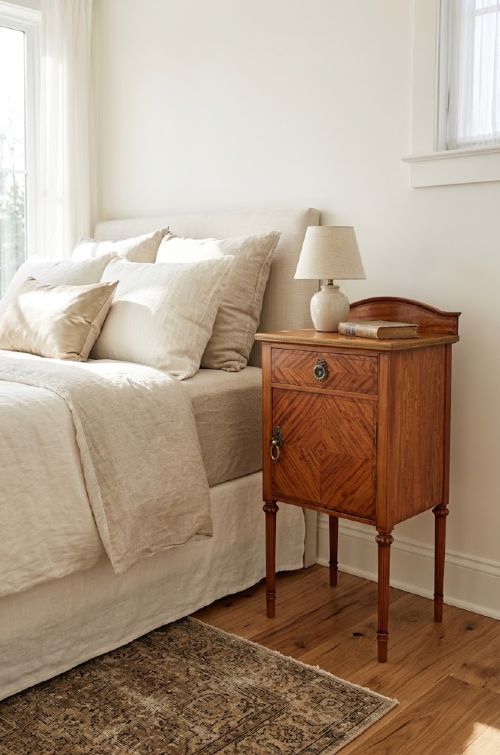
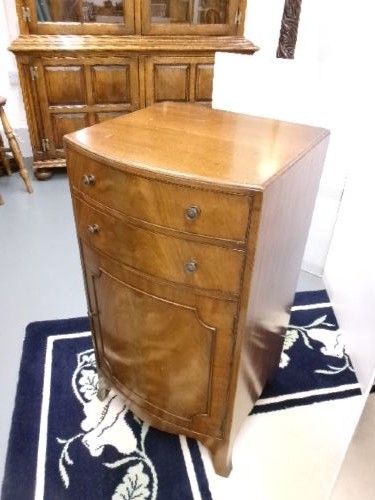
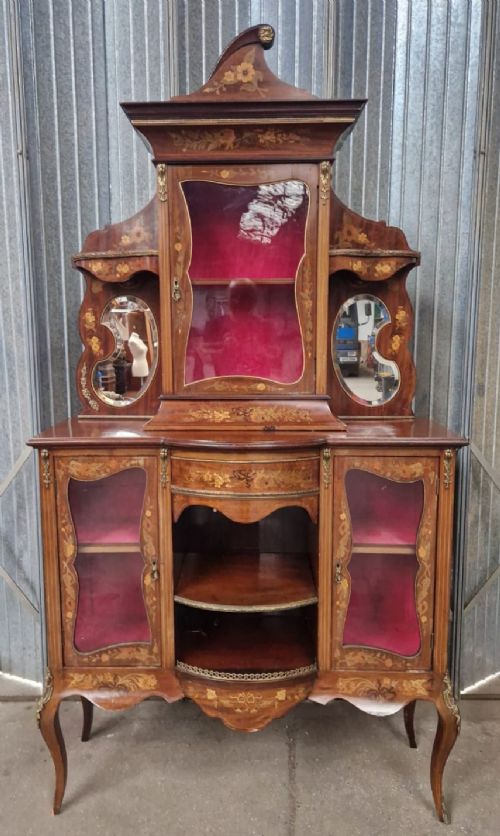
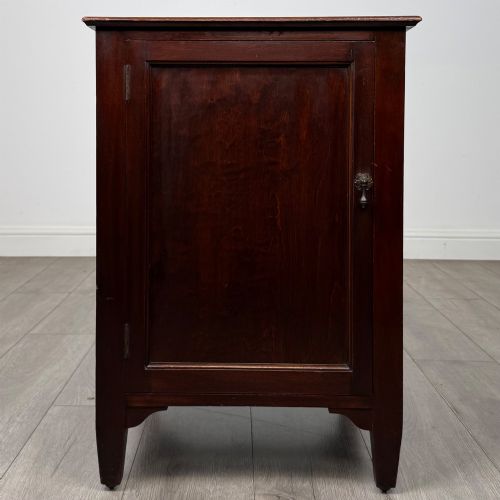
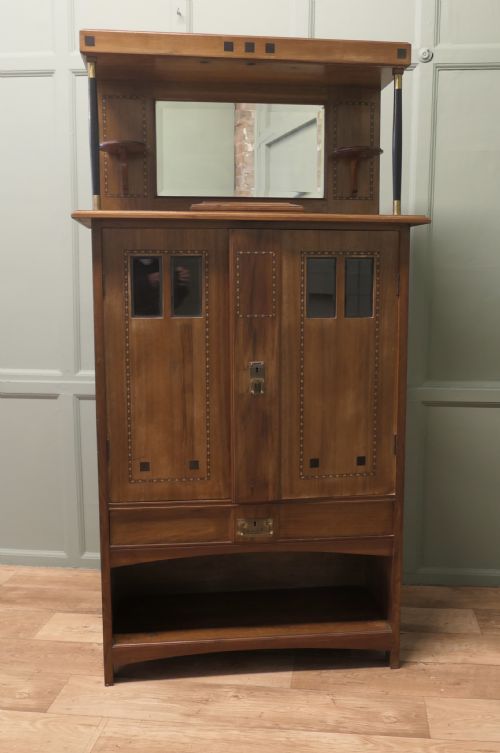
Forms range from simple single-door cupboards to pieces featuring inlaid decoration, drawers, and glazed display sections. Their versatile sizes allow them to function easily as bedside tables or lamp stands in contemporary settings.
How they were made
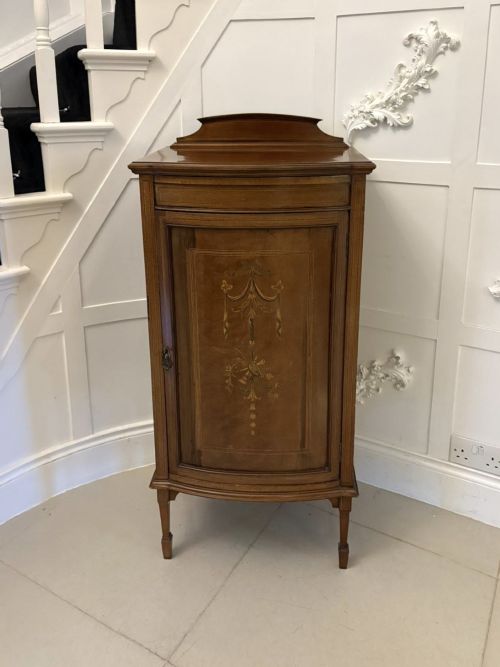
Cabinet makers of this period relied on solid timbers such as mahogany, oak, and walnut, often enhanced with decorative veneers like satinwood, burr walnut, and harewood. Crossbanding, stringing, and marquetry inlay provide surface detail without altering the structural integrity of the carcase.
Brass handles, hinges, and occasional ormolu mounts punctuate the timber surfaces, reflecting traditional hardware assembly methods. Construction techniques balance sturdy joinery with refined decorative finishes, ensuring durable daily use.
Edwardian Wooden Side Cabinet Retail Price Guide 2026
Typical asking prices for edwardian wooden side cabinet among the pieces listed under this phrase on Sellingantiques today, from the lower quarter to the upper quarter. They describe what is for sale here now, not the wider market.
A tea and cake trolley with drop sides waits patiently for guests who appreciate afternoon refreshment on wheels.
What varies in quality
The standard of an edwardian wooden side cabinet depends heavily on the selection of timber and the precision of its decorative veneers. Superior examples display carefully matched grain patterns, crisp marquetry inlay, and harmonious proportions that elevate utilitarian furniture into decorative art.
Internal construction, drawer linings, and the original condition of brass hardware further distinguish workshop standards. Pieces retaining their fitted shelves, smooth drawer actions, and authentic surface finishes hold greater aesthetic weight.
Whytock and Reid·Harris Lebus
The Edwardian Wooden Side Cabinet Glossary
- Crossbanding
- A decorative border of veneer laid around the perimeter of a panel so the grain runs perpendicular to the centre.
- Satinwood
- A luminous, hard timber native to India and Ceylon, prized for its golden sheen and used extensively for inlay and banding.
- Marquetry
- The art of forming decorative patterns using thin pieces of wood veneer applied to a supportive carcase structure.
- Ormolu
- Gilt bronze ornamentation applied to furniture, popular in revival styles referencing French and Regency design traditions.
- Credenza
- A sideboard or low cabinet, often featuring glazed or panelled doors, originating as a serving surface.
Edwardian Wooden Side Cabinet: Frequently Asked Questions
Where should I place an edwardian wooden side cabinet?
These compact cabinets suit bedrooms as bedside tables, living rooms as lamp stands, or hallways for small storage needs.
Their restrained proportions allow them to fit into narrow spaces where larger furniture would overwhelm the room.
How do I care for polished mahogany and walnut?
Dust surfaces regularly with a soft, dry cloth and avoid placing wooden furniture near direct heat sources or strong sunlight.
Applying a traditional beeswax polish occasionally helps nourish the timber and maintain its natural lustre.
Can I use an old music cabinet for modern storage?
Music cabinets with shallow drawers or internal shelving adapt well to organising paperwork, stationery, or small accessories.
Their slender vertical footprint provides useful capacity without occupying significant floor space.