

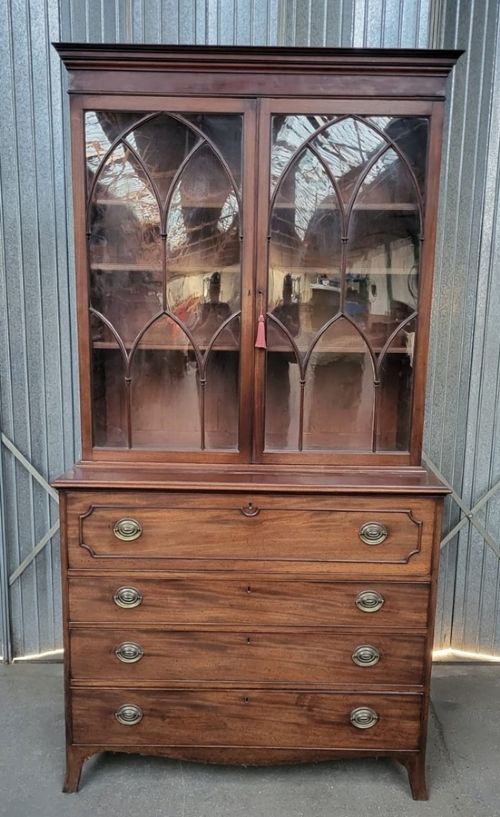
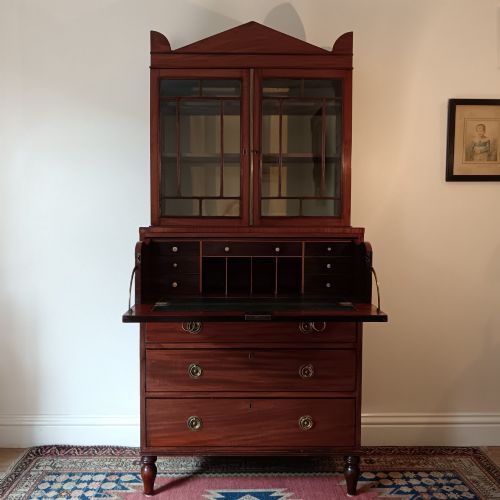
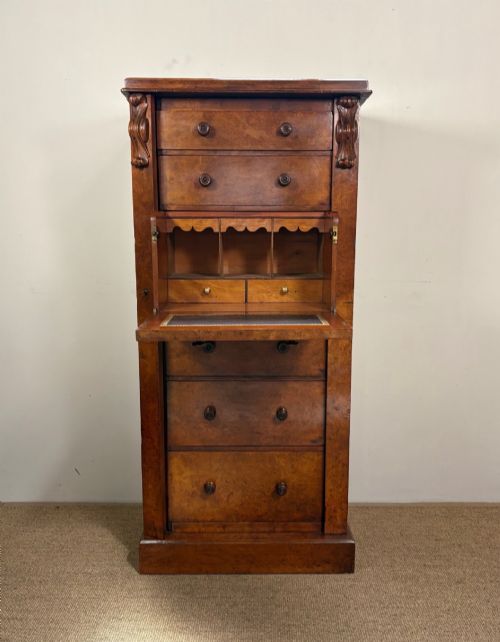

Mahogany Drop Front Chest
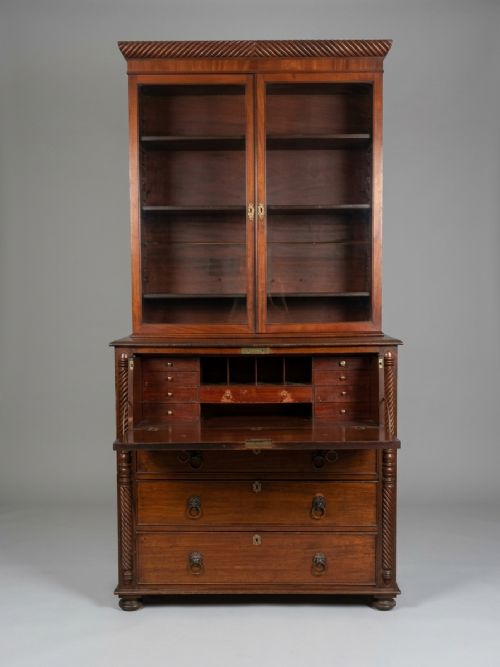
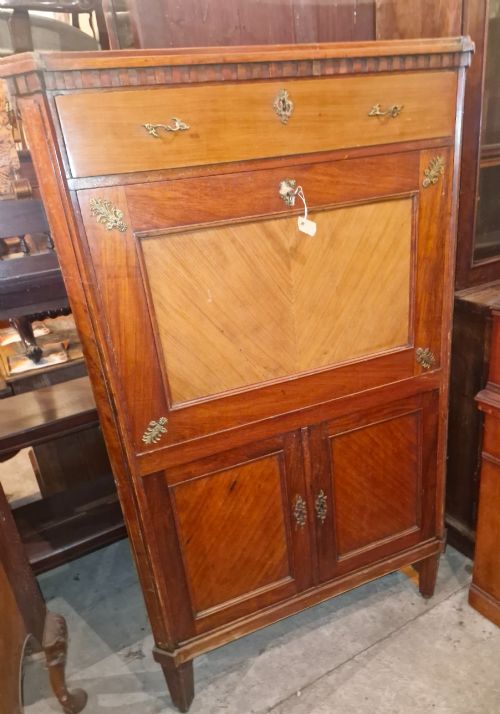
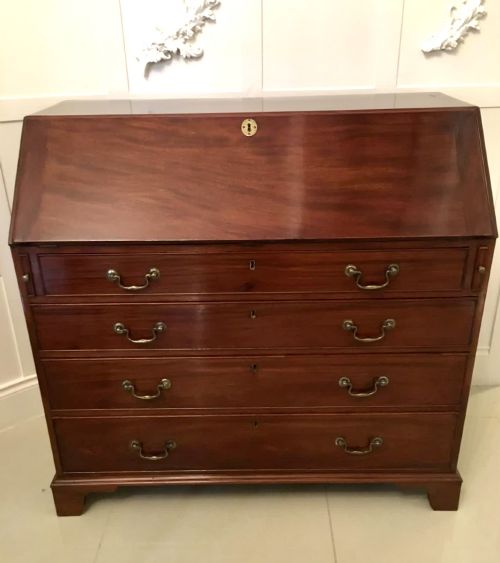
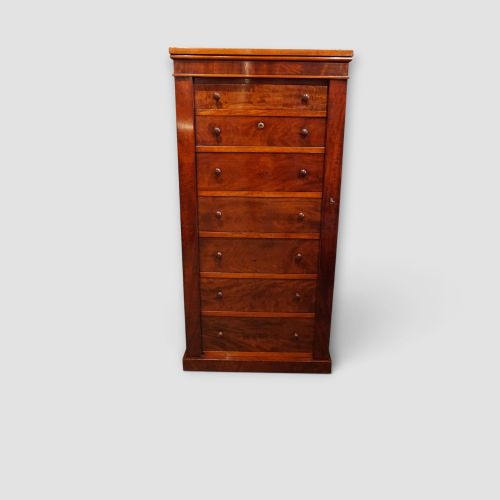
These mahogany drop front chest pieces combine sturdy storage with a concealed writing surface, appealing to collectors who value clever design.
Mahogany Drop Front Chest
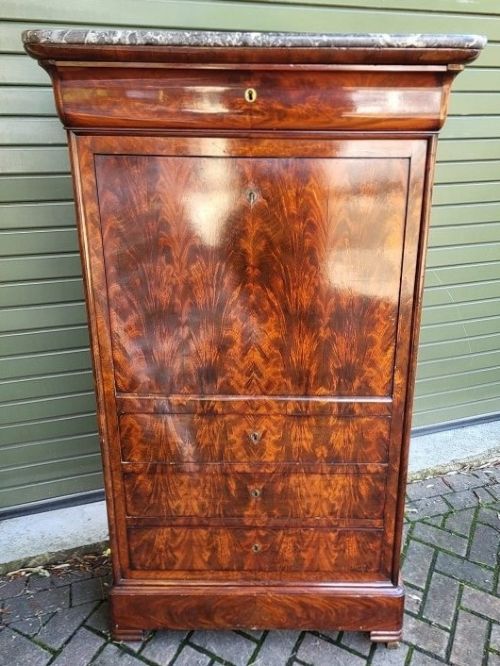
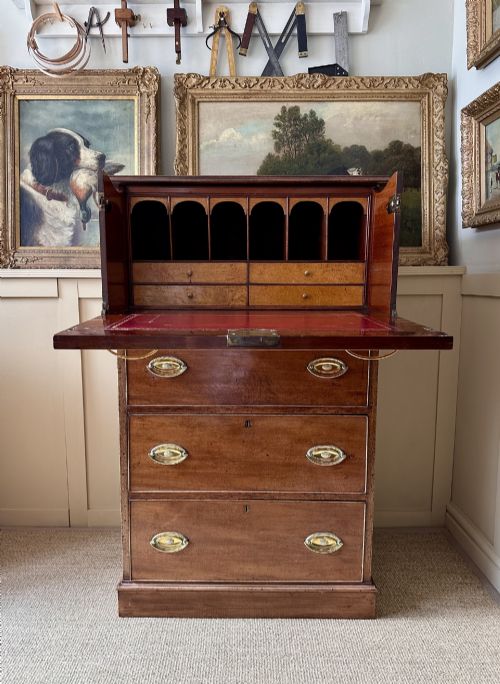
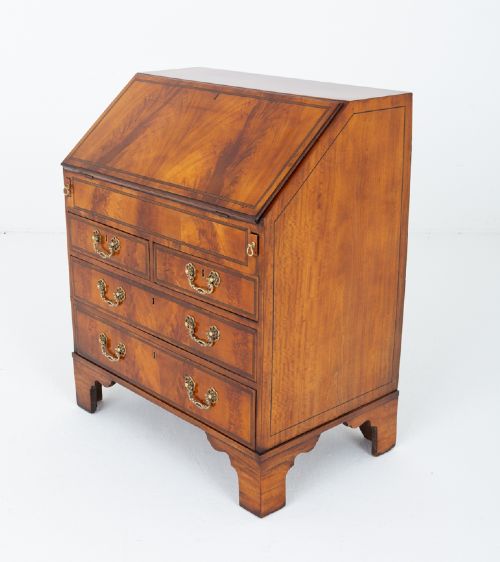
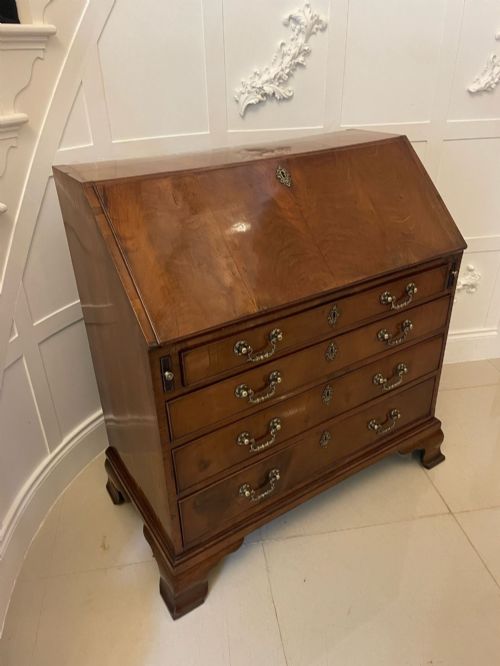
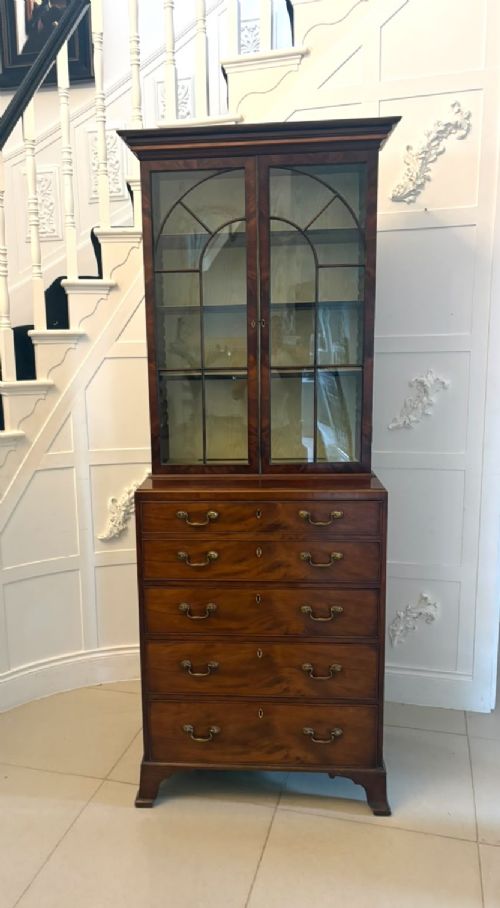
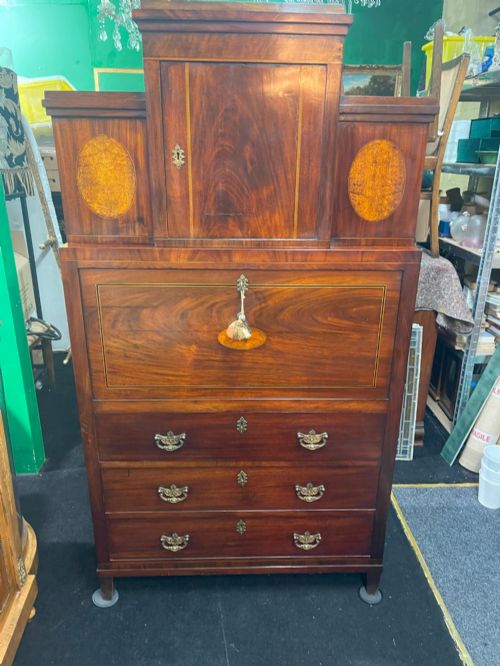
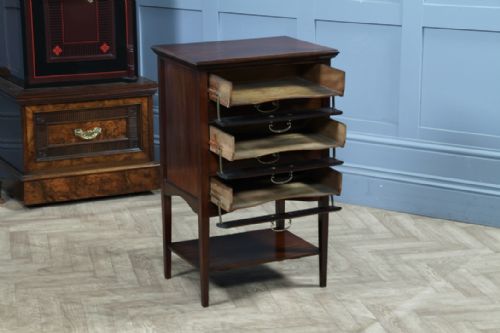
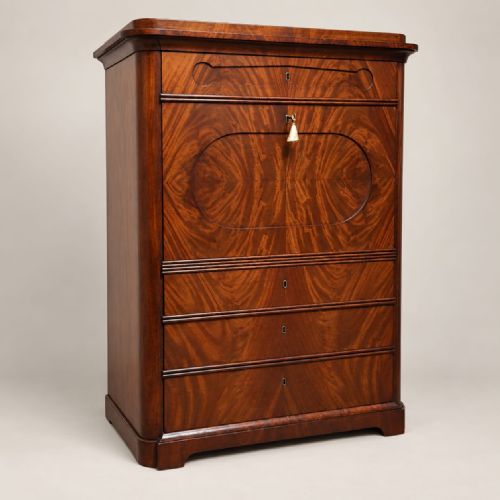
A mahogany drop front chest functions primarily as a storage cabinet or chest of drawers that conceals a fitted writing desk behind a hinged panel. Buyers searching for a mahogany drop front chest encounter various formats, from compact Georgian bureaux and Regency secretaire chests to taller Edwardian music cabinets with drop front drawers.
The pieces span multiple eras, with Georgian and Regency examples appearing alongside Victorian and Edwardian iterations. The core form remains consistent in housing internal pigeonholes and small drawers behind the main fall front mechanism, resting atop standard drawer configurations.
Materials and construction methods
Cabinet makers built these pieces using solid mahogany and flame mahogany veneer over secondary timbers such as oak, often applying satinwood inlay for decorative contrast. Structural stability relied on dense hardwoods, whilst visible surfaces displayed the rich grain of polished mahogany.
Fittings incorporated cast brass handles, glass door panels on bookcase variants, and interior writing surfaces lined in leather or baize. Drawer construction utilised traditional dovetailing, paired with brass drop handles and specialised locking mechanisms for security.
Mahogany Drop Front Chest Retail Price Guide 2026
Typical asking prices for mahogany drop front chest among the pieces listed under this phrase on Sellingantiques today, from the lower quarter to the upper quarter. They describe what is for sale here now, not the wider market.
Pharmacy cabinets occasionally moonlight as secretaire chests, proving that even aspirin once required formal paperwork.
Judging the quality of a piece
Quality rests upon the selection of timber veneers, where highly figured flame mahogany commands greater appreciation than plain boards. The precision of satinwood stringing and the crispness of brass hardware also dictate the standing of an individual piece.
George Oakley·Gregory And Co·Gillows Of Lancaster
The Mahogany Drop Front Chest Glossary
- Bureau
- A desk with a sloping hinged lid that drops down to reveal a writing surface and small drawers. This form provides both surface utility and enclosed storage.
- Secretaire
- A piece of furniture containing a drawer or compartment that pulls down to form a writing desk. It often mimics the appearance of a standard chest of drawers.
- Escritoire
- A writing cabinet or desk, typically featuring a drop front panel. The term often applies to continental pieces or more decorative English variants.
- Flame mahogany
- A veneer cut from timber where the branch meets the trunk, producing a distinctive rippled flame pattern. Cabinet makers used this to create dramatic visual movement on primary drawer fronts.
- Stringing
- A narrow strip of contrasting wood inlaid into the surface of furniture. It creates fine decorative borders around drawer fronts and panels.
Mahogany Drop Front Chest: Frequently Asked Questions
How do I use a drop front desk?
Release the catches or locks to lower the hinged fall front panel into a horizontal position. This creates an immediate writing surface while granting access to the interior pigeonholes.
Close and lock the panel when finished to secure writing materials and maintain a tidy exterior profile.
What is the difference between a bureau and a chest?
A standard chest of drawers provides horizontal storage accessed via pull-out drawers alone. A bureau incorporates a hinged writing flap that opens above the lower drawers.
This drop front mechanism conceals a fitted interior designed specifically for correspondence and paperwork.
Are these pieces suitable for modern laptops?
Many interior writing compartments accommodate modern laptops, provided the depth of the drop front surface is sufficient. Users should check the internal dimensions of the specific cabinet before placing electronic equipment inside.
Standard writing ledges were designed for paper and ink, so weight distribution matters when the flap is fully extended.
How do I date a mahogany secretaire?
Examine the construction methods, secondary timbers, and hardware styles to determine the period. Georgian and Regency pieces often feature hand-cut dovetails and distinct brass handles, while Edwardian examples show different internal layouts.
Secondary woods like oak help confirm earlier construction dates before softer timbers became common in later manufacturing.