



Edwardian Wooden Lamp Table
An Edwardian wooden lamp table brings compact surface space and domestic utility, built in mahogany, oak, and walnut for period interiors.
Edwardian Wooden Lamp Table
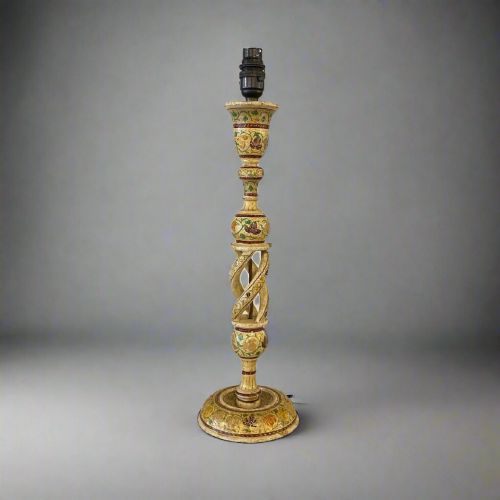
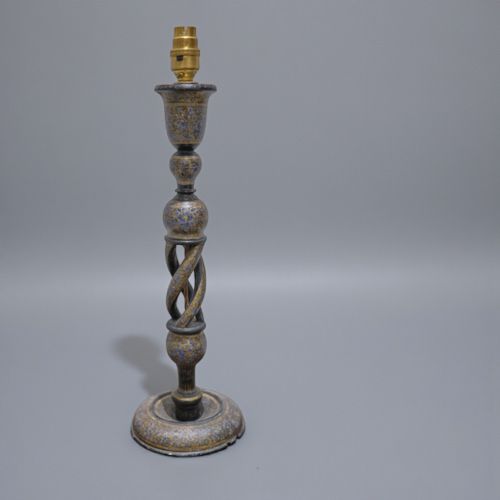
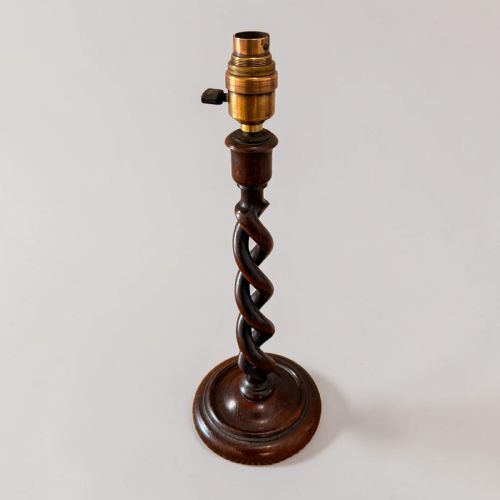
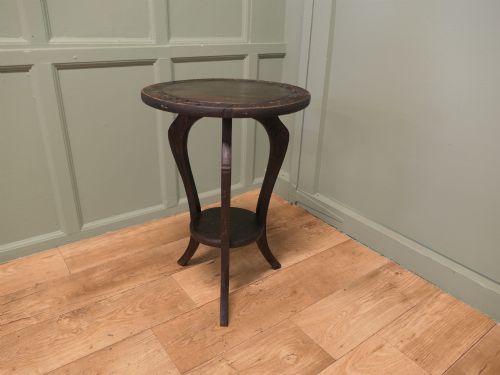
When searching for an Edwardian wooden lamp table, buyers encounter versatile small furniture forms designed for domestic interiors at the turn of the twentieth century. These pieces encompass side tables, occasional tables, nests of tables, wine tables, and bedside cabinets.
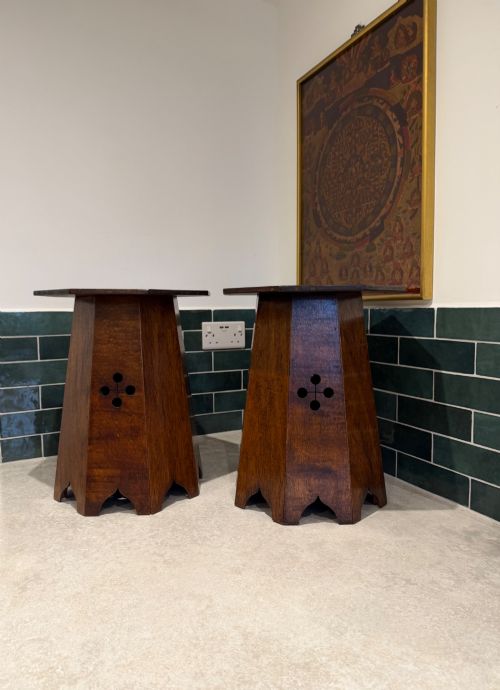
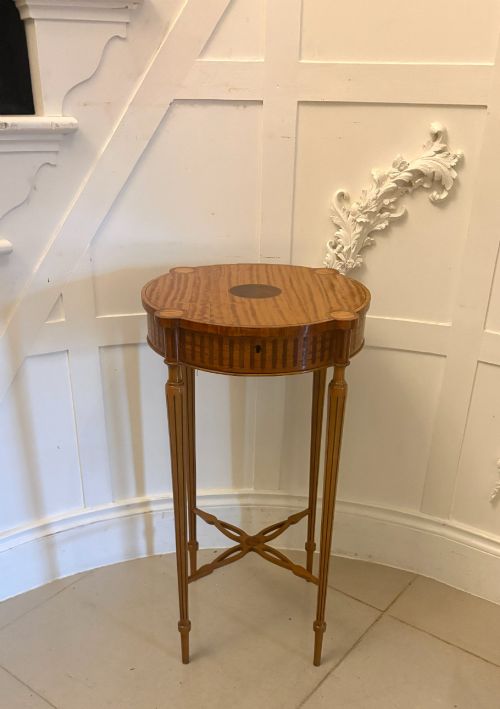
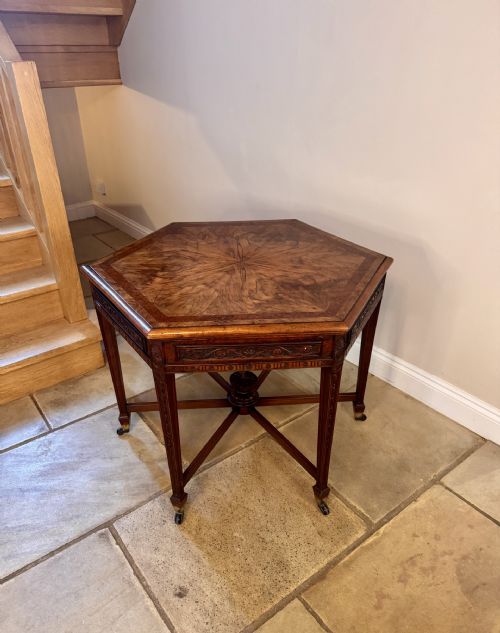
The version most frequently met on this page is the Edwardian mahogany table, often enhanced with inlay or marquetry, alongside sturdy oak and figured walnut variants. Makers constructed these items to hold tabletop lighting or display ornaments beside seating.
The forms span the Edwardian period itself, with overlapping styles from the late Victorian era, the Arts and Crafts movement, and Georgian revival designs. They serve practical functions in modern spaces while retaining the proportions of the original period.
Materials and Construction
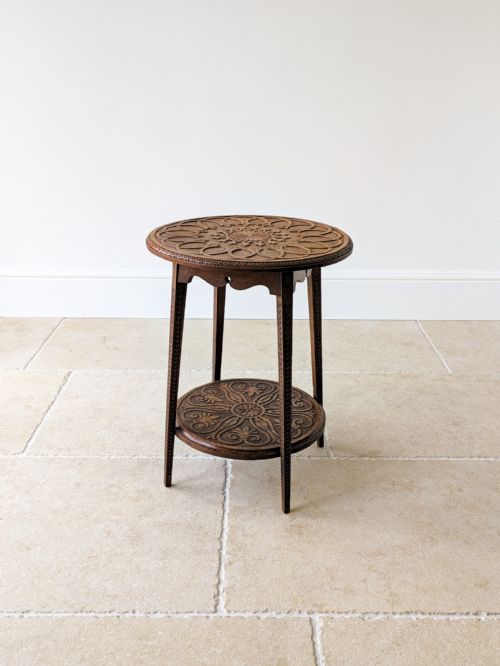
Cabinet makers utilised solid timbers and veneers, predominantly mahogany, oak, and walnut, frequently selecting satinwood and kingwood for decorative contrast. They applied intricate inlay and marquetry work to surfaces, integrating geometric patterns or floral motifs.
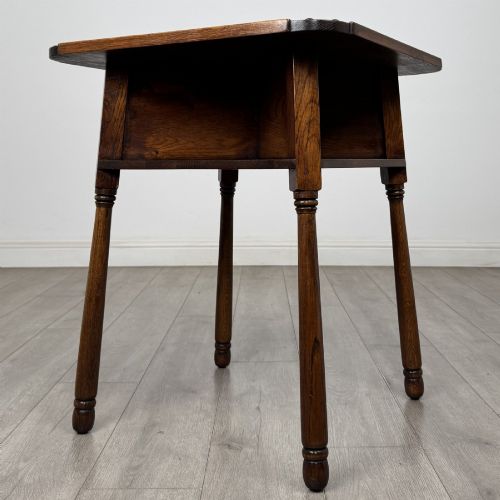
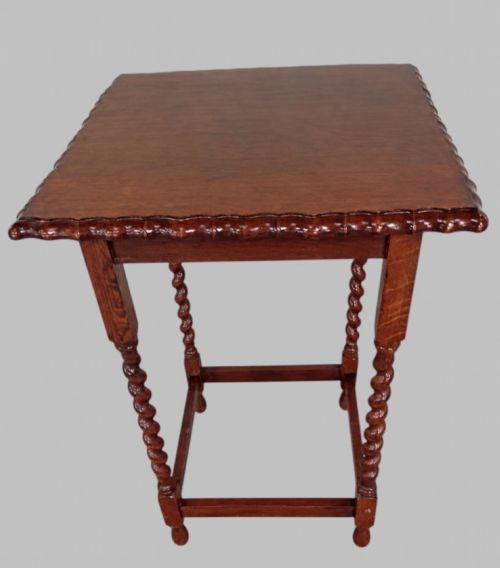
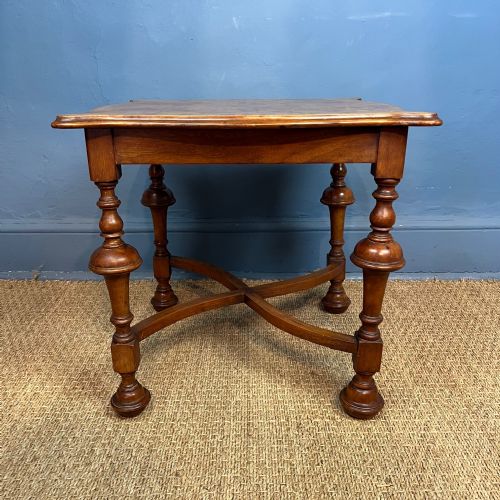
Structural integrity relied on traditional joinery methods, supported by turned legs, reeded supports, cabriole legs, and barley twist columns. Lower tiers, shelves, and stretchers were incorporated to add stability and extra display space beneath the main top.
Edwardian Wooden Lamp Table Retail Price Guide 2026
Typical asking prices for edwardian wooden lamp table among the pieces listed under this phrase on Sellingantiques today, from the lower quarter to the upper quarter. They describe what is for sale here now, not the wider market.
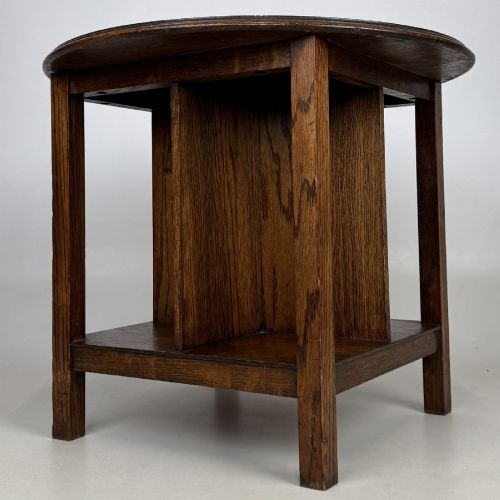
Several tables include lower tiers designed specifically to hold books or small decorative jardinières.
Judging Quality
Quality in these tables rests on the selection of timber figures, such as figured walnut or richly grained mahogany, and the precision of the marquetry inlay. Superior examples display crisp carving on stretchers and legs rather than cast or machine-moulded ornamentation.
Construction methods distinguish finer workshops, showing through tightly fitted joints, stable tiers, and the use of solid secondary woods. The balance between decorative embellishment and functional proportion determines the standing of each piece.
Trevor Page & Co·Liberty & Co·William Birch
The Edwardian Wooden Lamp Table Glossary
- Marquetry inlay
- Decorative patterns formed by fitting small pieces of veneer into a prepared wooden surface. This technique created intricate floral or geometric designs across table tops.
- Cabriole leg
- A furniture leg that curves outward and then tapers inward to a foot. The shape derived from animal limbs and appeared frequently on refined Edwardian and revival tables.
- Stretcher
- A horizontal support connecting the legs of a table to increase stability. These often featured central carvings or supported lower display shelves.
- Tripod table
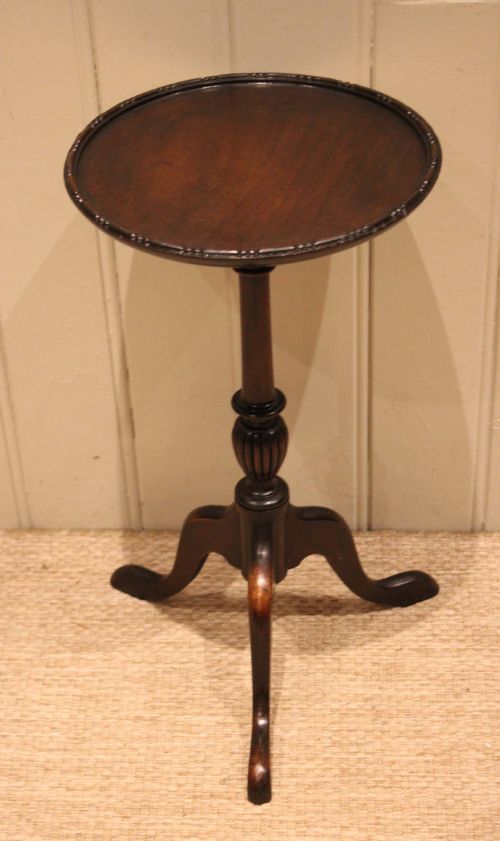
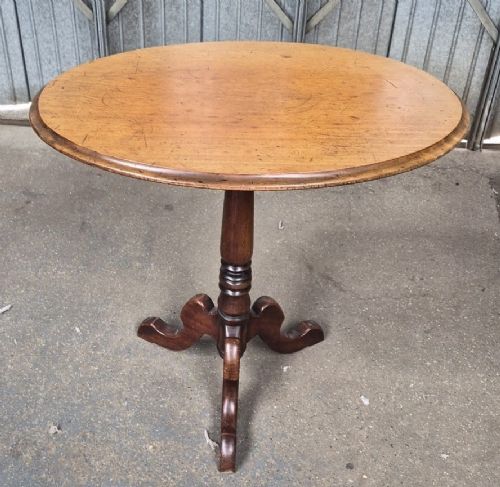
- A small round table supported by a pillar above three spreading legs. They allowed for easy placement beside chairs and sofas.
- Occasional table
- A small, movable table intended for intermittent use around a room. The term covers lamp tables, wine tables, and side tables of the period.
Edwardian Wooden Lamp Table: Frequently Asked Questions
What is an Edwardian lamp table used for?
These tables were originally produced to hold small oil lamps or portable lighting fixtures beside seating areas in the home. Today, they function effectively as bedside stands, plant supports, or small side tables in living spaces.
Their compact footprints allow them to fit into narrow spaces while providing a convenient surface for everyday items.
How do I identify an Edwardian table?
Edwardian tables generally date from between one thousand nine hundred and one thousand nine hundred and ten, displaying lighter proportions than their heavy Victorian predecessors. Look for characteristic timbers like mahogany, satinwood inlay, and tapered or cabriole legs.
Many pieces also bear stylistic influences from the Arts and Crafts movement or Georgian revival designs popular during the era.
Are these tables sturdy enough for daily use?
Constructed from hardwoods like oak and mahogany with traditional joinery, these tables were built for everyday domestic service. Their solid frames handle normal weight requirements for lamps, books, and cups without difficulty.
Regular care and avoidance of excessive moisture will keep the timber and veneer secure for continued use.
What is the difference between a side table and a lamp table?
While the terms often overlap in period furniture, lamp tables tend to have compact square or circular tops specifically proportioned for lighting. Side tables can be rectangular or elongated, intended to sit flush against walls or beside larger furniture.
Both forms utilise similar construction methods and timber types from the Edwardian period.