

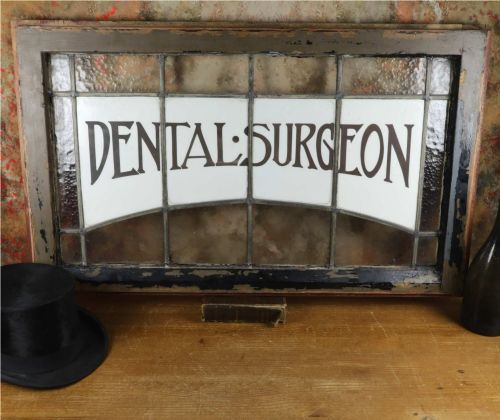


Edwardian Window Panel
These edwardian window panel examples bring coloured glass and painted leadwork into modern interiors, offering authentic period light transmission.
Edwardian Window Panel
When you search for an edwardian window panel, you encounter architectural glass pieces spanning the late nineteenth and early twentieth centuries. These panels frequently emerge as stained glass windows, leaded glass panels, and architectural salvage elements.
The selections on this page showcase distinct stylistic influences from the Edwardian period, alongside Victorian, Art Nouveau, Arts and Crafts, and Art Deco movements. Many examples incorporate hand-painted details depicting countryside scenes, birds, and floral motifs.
Framed formats range from standalone glazed sections to pairs of windows, occasionally set within timber surrounds such as pine or mahogany. Collectors select these items to preserve period character within domestic and commercial settings.
Materials and Construction
Craftsmen built these panels using sections of coloured and clear glass held together by pliable lead cames. Artisans applied hand-painted pigments and etched designs directly onto the glass surfaces before firing.
Structural integrity often depended on timber frames made from pine or mahogany, which supported the heavy leaded assemblies. Bullseyes and specialised amber glass additions provided varied texture and light refraction across the finished pieces.
Edwardian Window Panel Retail Price Guide 2026
Typical asking prices for edwardian window panel among the pieces listed under this phrase on Sellingantiques today, from the lower quarter to the upper quarter. They describe what is for sale here now, not the wider market.
Hand-painted medieval knights in full armour occasionally keep watch over Edwardian countryside scenes.
Assessing Quality and Execution
Quality rests upon the intricacy of the hand-painted artwork and the complexity of the leaded glass configuration. Panels featuring detailed pictorial scenes, such as castles or botanical studies, demonstrate higher artistic ambition than simple geometric leads.
The condition of the lead cames and the stability of the glass panels dictate the structural merit of each piece. Superior execution involves precise soldering joints and well-preserved painted pigments that withstand natural light exposure.
The Edwardian Window Panel Glossary
- Lead came
- The grooved lead strips used to hold individual pieces of glass together in a window. These pliable channels form the structural grid of the design.
- Bullseye
- A circular roundel of glass formed during the blowing process, showing a central pontil scar. These are often incorporated into leaded panels for added texture.
- Stained glass
- Glass that has been coloured by the addition of metallic salts during its manufacture. Artisans then assemble these coloured segments into decorative compositions.
- Architectural salvage
- Building materials recovered from older structures slated for demolition or remodelling. This category preserves decorative windows and fixtures for reuse.
- Etched glass
- Glass treated with acid or abrasives to remove surface material and create opaque patterns. This technique produces delicate designs against clear backgrounds.
Edwardian Window Panel: Frequently Asked Questions
How do I hang a stained glass panel?
Panels require secure chain supports fixed to the surrounding timber frame rather than hanging from the lead cames alone. Weight distribution must remain even to prevent buckling.
Professional installation inside an existing window opening ensures the leadwork is properly sealed and protected from wind pressure.
Are these windows suitable for exterior use?
Many panels originated as exterior architectural elements, but historic leadwork often requires reinforcement before facing modern weather conditions.
Placing them inside a secondary double-glazed unit protects fragile painted surfaces and older lead from environmental degradation.
What styles define Edwardian architectural glass?
Designs from this era frequently blend natural motifs like birds and floral swags with cleaner geometric layouts than their Victorian predecessors.
Art Nouveau and Arts and Crafts influences appear through stylised plant forms and integrated amber bullseyes.
How do I clean antique leaded glass?
Dust surfaces gently with a soft microfibre cloth to remove loose debris without disturbing fragile painted details. Avoid harsh chemical cleaners that can corrode old lead cames.
Use mild soapy water sparingly on a damp cloth, drying the glass and lead thoroughly immediately afterwards.