
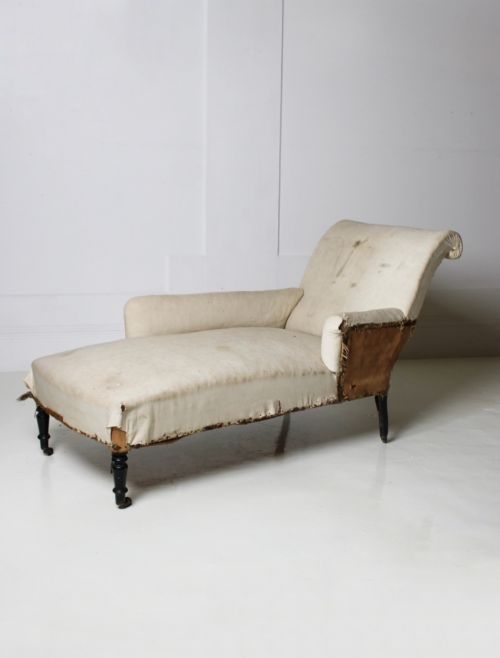
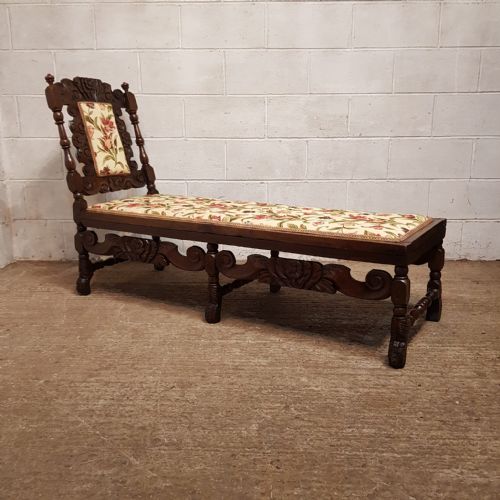


Edwardian Upholstered Daybed
These edwardian upholstered daybed pieces offer versatile lounging, combining period timber frames with comfortable seating for daily repose.
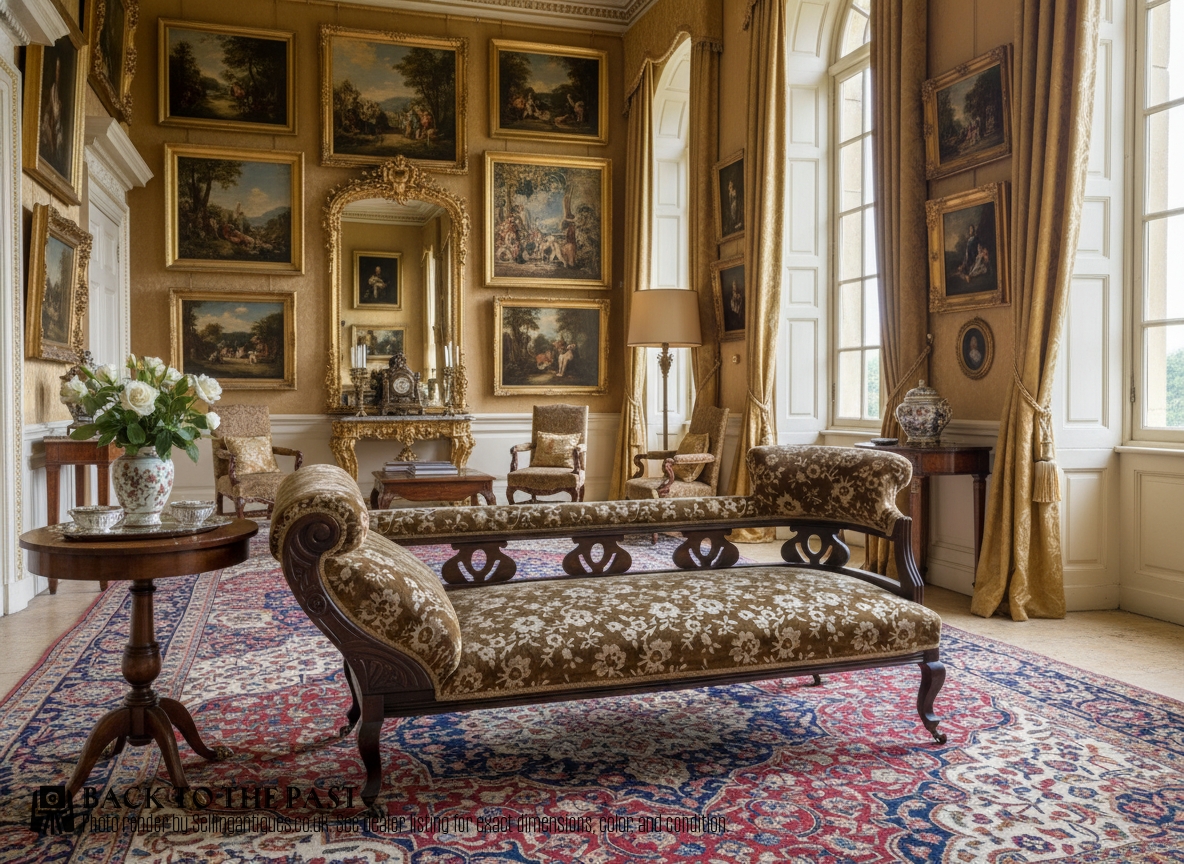
Edwardian Upholstered Daybed
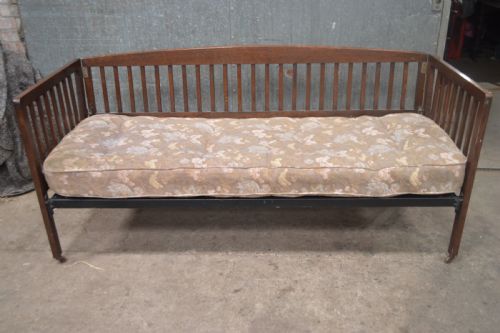
When searching for an edwardian upholstered daybed, buyers encounter an eclectic mix of daybeds, chaise longues, and salon sofas spanning the nineteenth century through to the nineteen-twenties. These pieces draw on various stylistic influences including Victorian, Regency, Arts and Crafts, and Louis XVI Revival designs.
Most examples originate from the broader nineteenth and early twentieth centuries, reflecting the evolving tastes of Victorian and Edwardian households for comfortable, multi-functional furniture. Makers and manufacturers of the period utilised sturdy hardwoods to construct frames that supported textile or velvet cushions.
How They Were Made
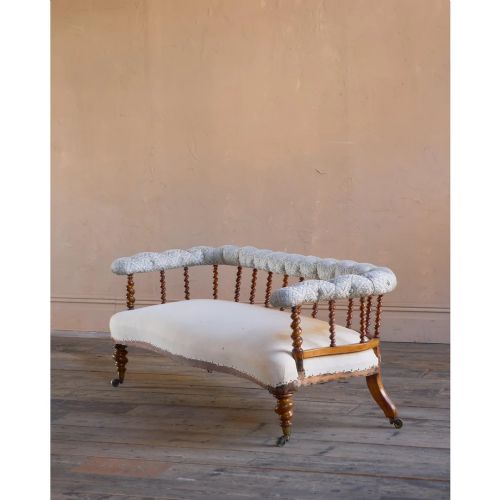
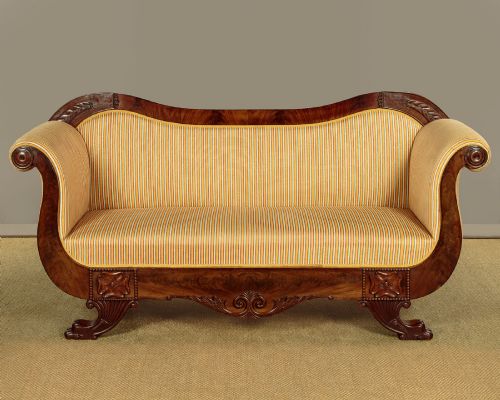
Frames are constructed from solid hardwoods such as mahogany, oak, and walnut, providing a sturdy architectural foundation for daily use. Woodworkers shaped these timbers into scrolled ends, spindle backs, and carved structural supports.
Upholstery relies on textiles and velvet, often finished with buttoning techniques to secure internal padding within the fabric. Gilt decoration and turned wooden elements frequently adorn the structural framework of later pieces.
Listings feature items built from mahogany, oak, and walnut, upholstered in velvet and various textiles.
What Varies in Quality
The integrity of the underlying wood frame sets apart sturdier examples from simpler constructions, with dense hardwoods like mahogany and oak offering greater longevity. Carved detailing and the execution of turned spindle work reflect the skill applied to the woodwork.
Upholstery finish and the retention of original textile or velvet coverings influence the overall character of each piece. Maker attribution, such as work associated with established firms, marks out distinct tiers of production.
C. Hindley & Sons·Howard and Sons·William Birch·Hampton & Sons
The Edwardian Upholstered Daybed Glossary
- Daybed
- A long seat designed for reclining, functioning as both a chair and a bed. These pieces appear frequently in nineteenth-century domestic settings.
- Chaise Longue
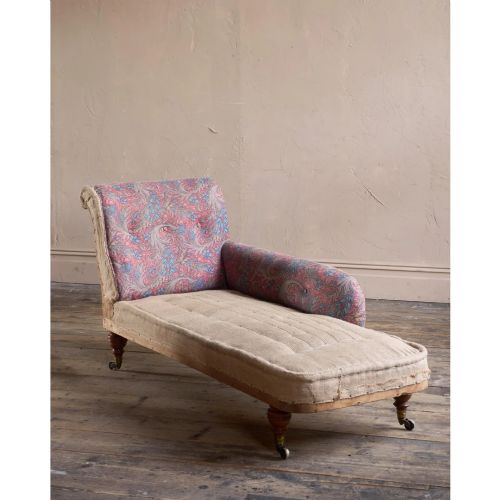
- An upholstered sofa in the shape of a chair that is long enough to support the legs. They often feature a single raised end for resting the head.
- Spindle Back
- A backrest constructed from a series of slender, turned wooden rods. This style appears on various nineteenth-century salon sofas and day beds.
- Scroll End
- A furniture arm or terminal shaped into a curving, scroll-like profile. This decorative feature is common on Regency and Victorian couches.
- Buttoned
- An upholstery technique where buttons are pulled deep into the padding to secure the fabric and create a patterned, tufted surface. Velvet and textile coverings often employ this method.
Edwardian Upholstered Daybed: Frequently Asked Questions
What is an edwardian upholstered daybed?
An edwardian upholstered daybed is a form of reclining furniture designed for daytime resting, featuring a supportive wooden frame and padded fabric surfaces.
These pieces combine the structural traditions of earlier nineteenth-century couches with the lighter aesthetic tendencies of the early twentieth century.
How were daybeds used historically?
Historically, daybeds served as versatile seating and resting furniture in parlours, bedrooms, and large country house reception rooms.
Occupants used them for daytime lounging without needing to retire to a proper bed chamber.
How do I identify an Edwardian piece?
Edwardian pieces generally exhibit lighter proportions and framing compared to heavily carved high Victorian furniture.
Materials like oak and walnut are common, often accompanied by simpler textile or velvet upholstery.
Can I use these daybeds daily?
These daybeds are built on solid timber frames of mahogany, oak, or walnut, providing robust internal structures for modern use.
Depending on the age of the upholstery, buyers may choose to refresh the fabric to suit daily living requirements.