
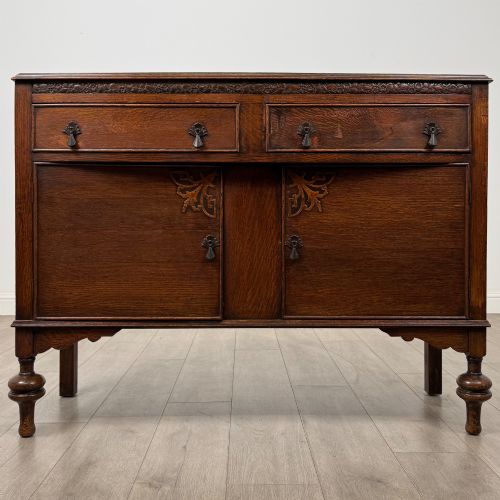
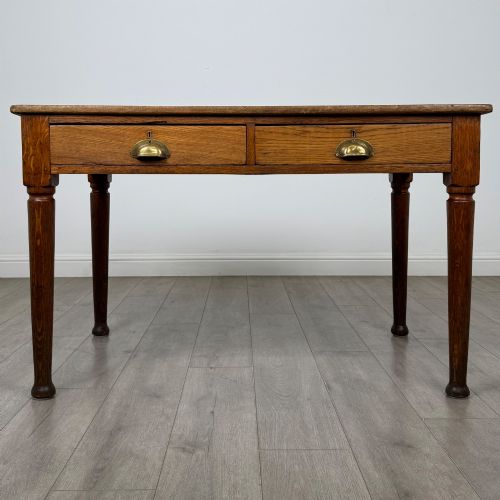
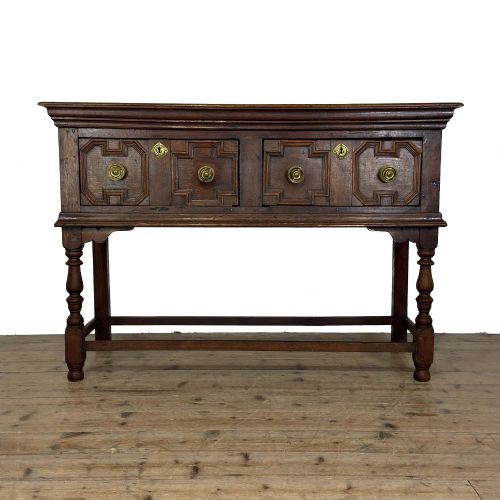
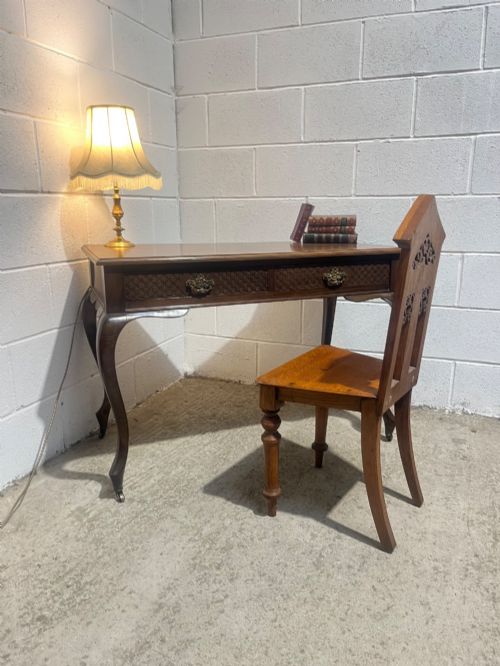
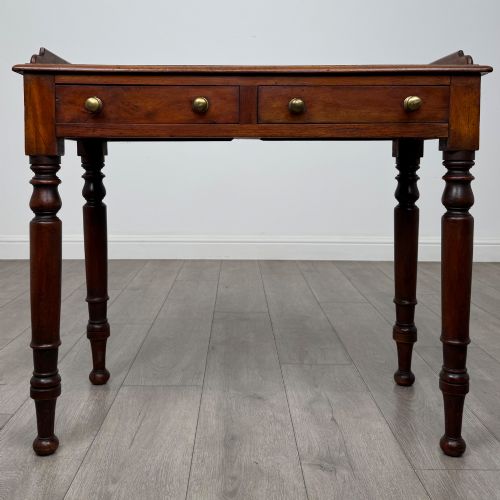
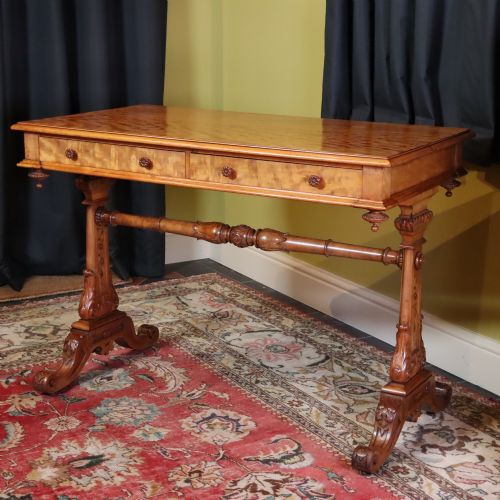
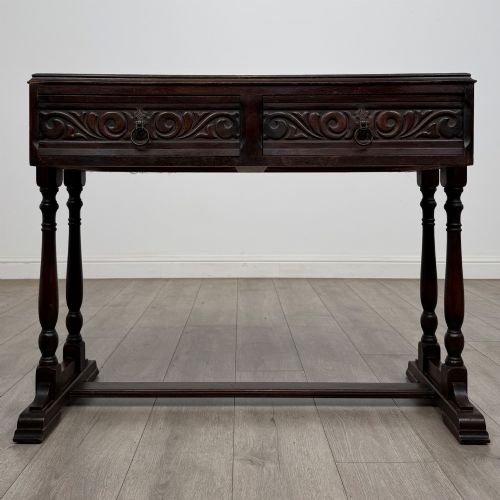
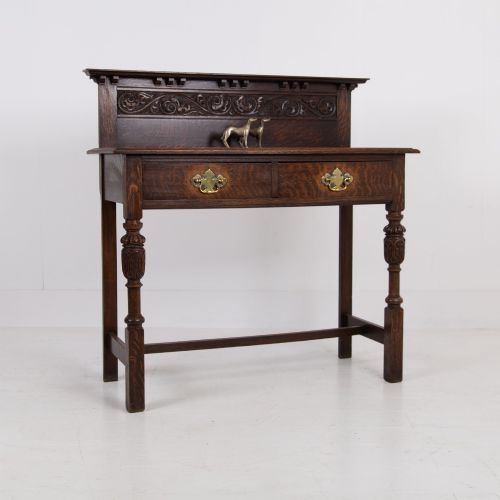
Edwardian Two Drawer Table
An edwardian two drawer table brings domestic utility and subtle timber grain into a room, offering surface space paired with hidden storage.
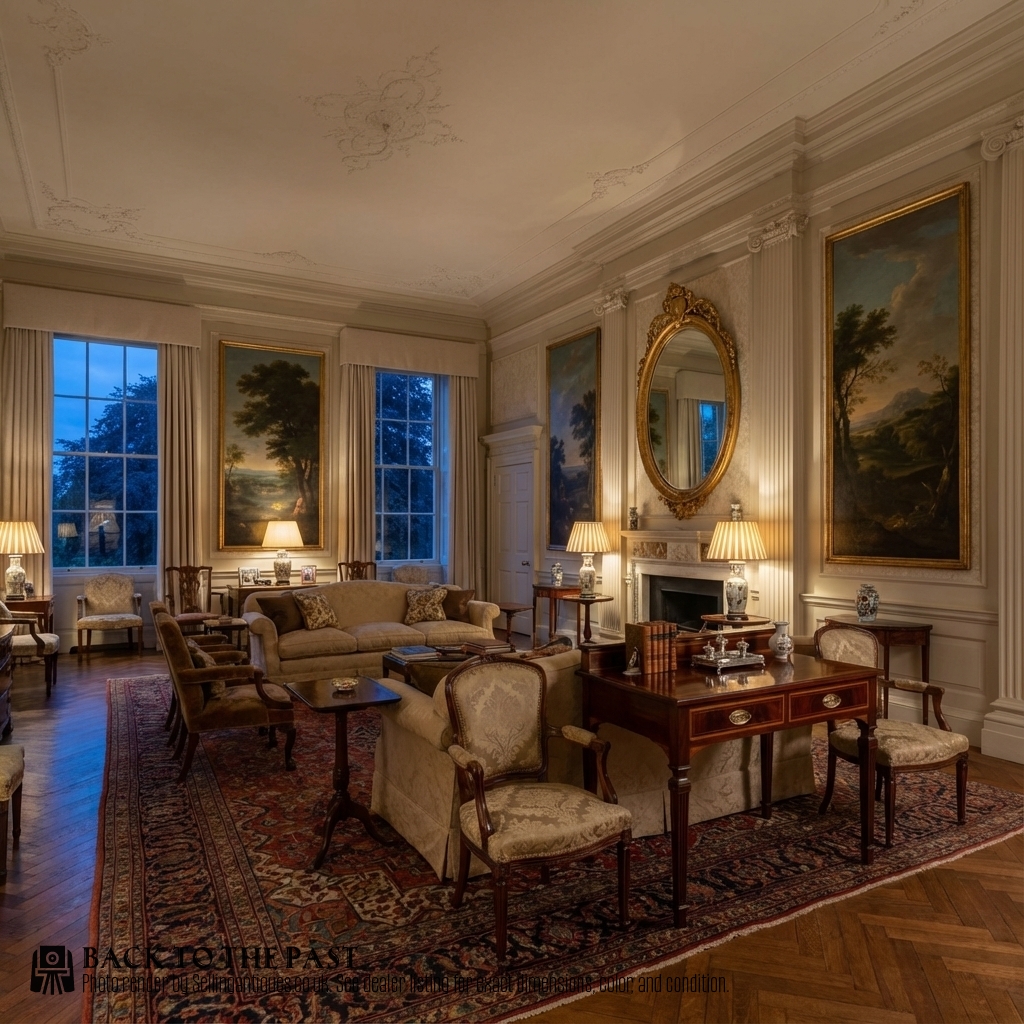
Edwardian Two Drawer Table
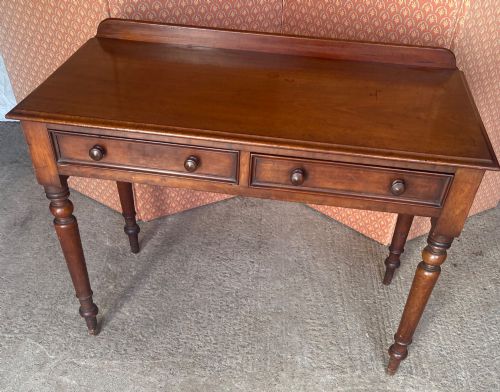
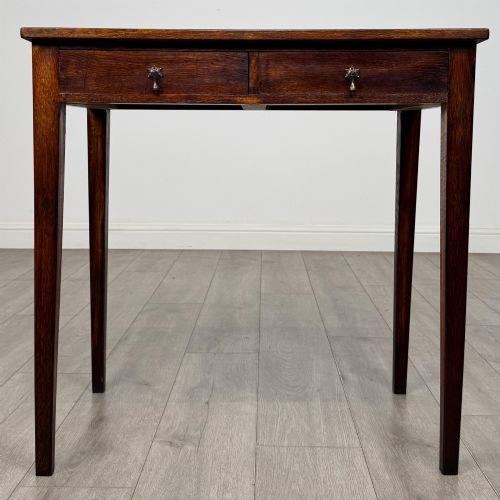
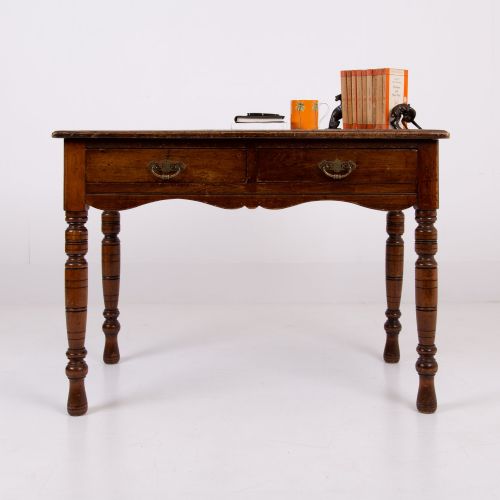
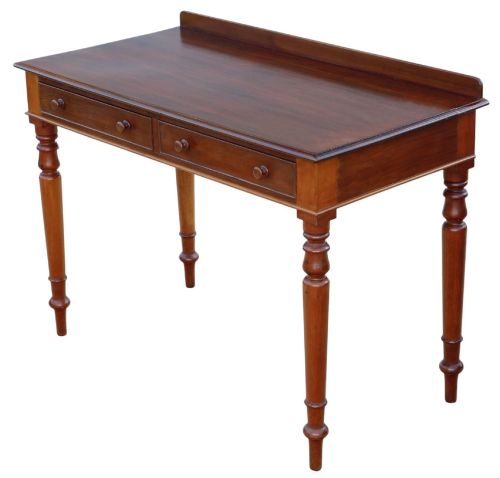
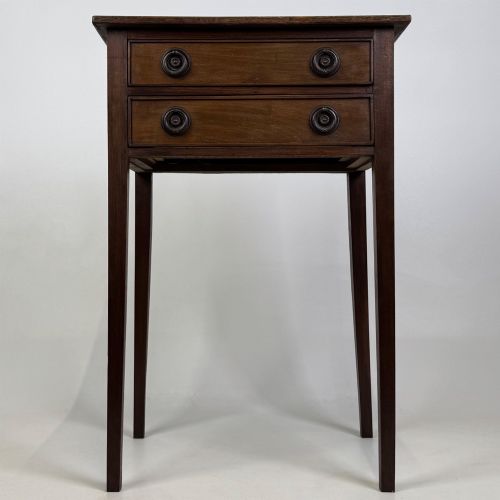
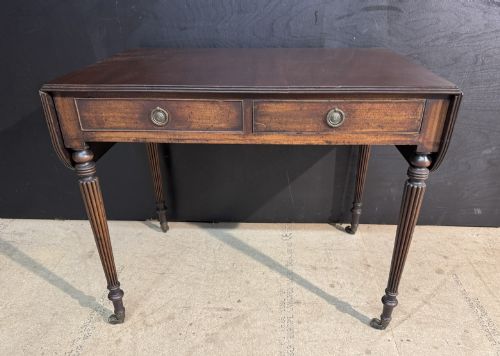
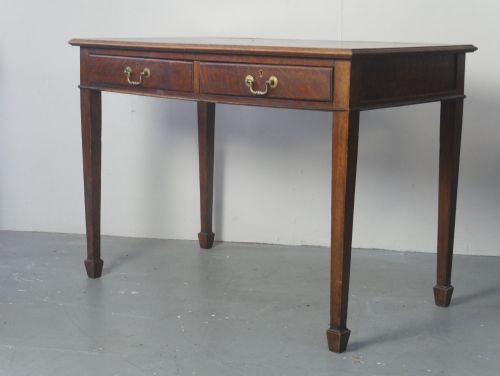
An edwardian two drawer table is typically a writing table, side table, or small desk designed for domestic use during the early twentieth century. You will most frequently find mahogany or oak examples bearing a pair of frieze drawers beneath the top surface.
The form spans straightforward utilitarian pieces and finer items featuring boxwood inlay, satinwood, or brass handles. These tables served as writing desks, dressing tables, and hallway consoles in period homes.
What varies in quality
Quality rests in the selection of the timber, particularly the choice of figured mahogany, burr walnut, or satinwood for the primary surfaces. Finer pieces demonstrate precision in the boxwood inlay and crispness in any carved details.
The standard of drawer construction distinguishes superior workshops from standard commercial production. Smooth operation of the drawers and tight dovetailing indicate careful craftsmanship.
Some Edwardian writing tables hide tiny compartments inside their drawers, designed for holding inkwells, nibs, and secret post.
Heal and Son·Andrew Thomson and Sons·Gillows·Jenners
The Edwardian Two Drawer Table Glossary
- Dovetail
- A joint used in drawer construction formed by interlocking wedge-shaped fingers. This method provides high tensile strength and resists being pulled apart.
- Frieze
- The central horizontal band beneath the upper surface of a table where the drawers are housed. It often receives decorative inlay or banding.
- Veneer
- A thin slice of figured timber applied over a secondary wood base to provide a decorative surface. This technique allows cabinet makers to display striking grain patterns.
- Inlay
- A decorative technique where contrasting materials such as boxwood are embedded into the surface of the primary timber to form patterns. It defines Sheraton Revival and Edwardian stylistic pieces.
Edwardian Two Drawer Table: Frequently Asked Questions
What rooms suit an edwardian two drawer table?
These compact tables function well as hallway console tables, bedroom writing desks, or occasional side tables in a living room. Their modest proportions allow them to fit into spaces where larger furniture overwhelms the floor plan.
Because the rear of the table is often finished, many examples can stand away from a wall rather than requiring direct support.
How do I identify an Edwardian table?
Edwardian tables typically date between eighteen ninety and nineteen twenty, showing lighter proportions than their Victorian predecessors. Look for slender legs, subtle boxwood stringing, and restrained neoclassical revival influences.
Makers of this era frequently combined mahogany or oak with satinwood banding, moving away from the heavy, dark finishes of the mid nineteenth century.
Are these tables sturdy enough for daily writing?
Most two drawer tables from this period were built for correspondence and light administrative tasks, featuring solid timber frames and dovetailed drawers. They easily withstand daily use as laptop desks or writing surfaces.
Care should be taken with polished veneer tops, where a blotter or desk pad prevents scratches and water rings from marking the timber.
What is the difference between a side table and a writing table?
Writing tables usually provide slightly more knee clearance beneath the drawers and often feature a fitted interior or a leather inset surface. Side tables focus primarily on surface display and general storage.
In practice, makers frequently blurred these distinctions, applying the term writing table to any two drawer piece intended for domestic study or parlour use.