


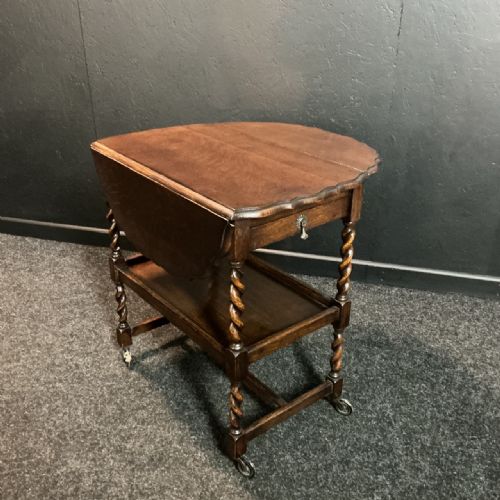
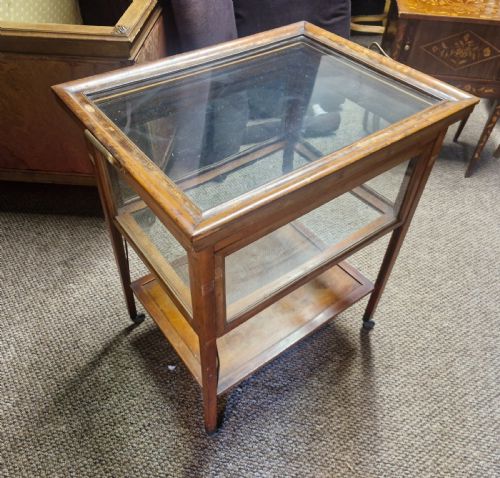


Edwardian Tea Cart
An edwardian tea cart brings portable elegance to any room, serving afternoon refreshments with folding leaves and removable trays.
Edwardian Tea Cart
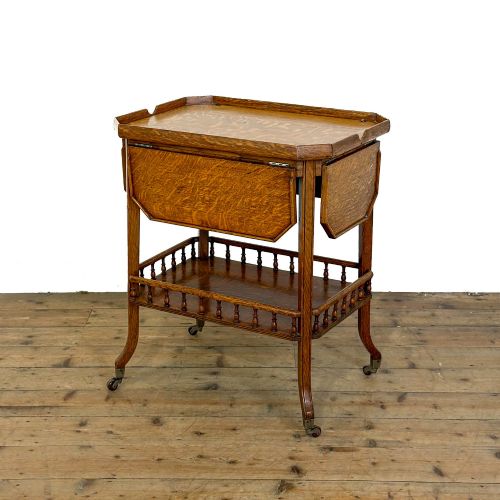
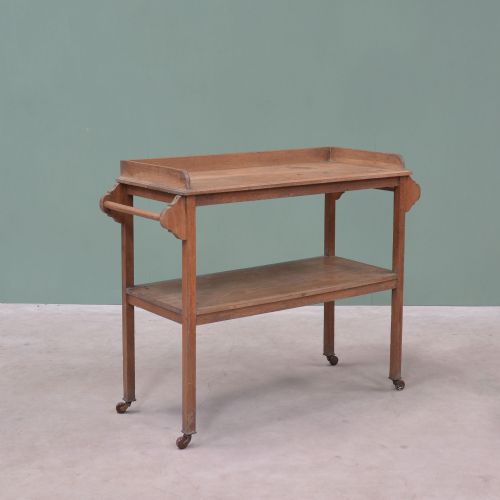
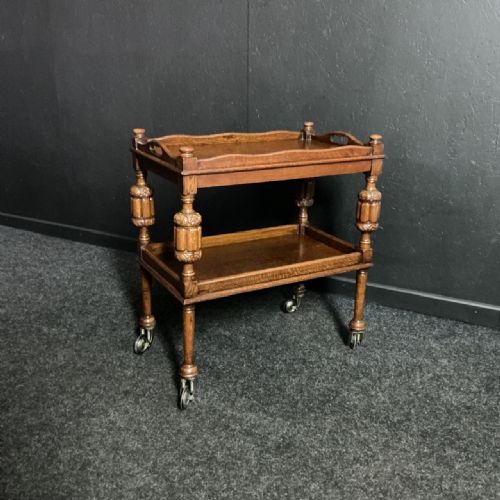
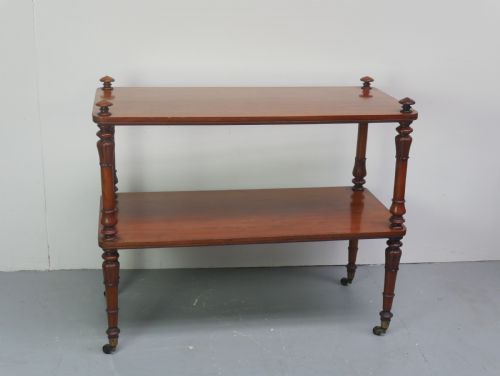
When you search for an edwardian tea cart, you find mobile pieces designed for serving refreshments and afternoon tea. These items range from simple two-tier oak tables to elaborate mahogany serving trolleys with drop sides.
Origins stretch across the Edwardian era alongside pieces from the early twentieth century, the Victorian period, and even Georgian influences. The form prioritises practicality alongside decorative woodwork, fitting easily beside seating areas.
Construction and materials
Timbers like mahogany and oak form the primary structure of these trolleys, providing sturdy frames for daily use. Inlaid details enhance the mahogany surfaces, while oak varieties frequently incorporate turned supports such as barley twist legs.
Metal components appear in brass fittings, iron elements, and silver plate or EPNS used for galleries and removable trays. Glass surfaces and ebonised finishes also feature in select tray designs, adding variety to the hardware and accents.
Edwardian Tea Cart Retail Price Guide 2026
Typical asking prices for edwardian tea cart among the pieces listed under this phrase on Sellingantiques today, from the lower quarter to the upper quarter. They describe what is for sale here now, not the wider market.
Listings feature woods like mahogany and oak alongside brass, glass, and silver plate across Edwardian and early twentieth-century periods.
Judging quality in tea carts
The refinement of the timber and the crispness of any inlay set finer examples apart from simpler utility pieces. Selecting denser woods and more deliberate decorative work elevates the overall presence of the item in a room.
Hardware choice and mechanical execution define the upper tier of these pieces, particularly in smooth drop-leaf hinges and secure removable trays. Well-turned legs and balanced proportions indicate careful workshop assembly.
The Edwardian Tea Cart Glossary
- Drop side
- A hinged leaf on a table or trolley that folds down to save space when not in use. These flaps extend the surface area quickly for serving tea.
- Two tier
- A design featuring two horizontal levels for storage or display. The lower tier provides extra room for cups and plates.
- Silver plate
- A thin layer of silver applied to a base metal object such as a tray or gallery edge. This finish offers the appearance of solid silver with practical durability.
- Barley twist
- A type of turned wooden leg shaped like a spiralling rope. This decorative feature appears frequently on oak furniture from the period.
- EPNS
- Electroplated nickel silver, a common base material for silver-plated items. It provides a bright metallic finish for handles and galleries.
Edwardian Tea Cart: Frequently Asked Questions
What is an edwardian tea cart?
An edwardian tea cart is a mobile serving table built with wheels or castors, designed to transport tea services and refreshments easily. They typically feature multiple tiers and sometimes incorporate drop leaves or removable trays.
These pieces reflect the social habits of the early twentieth century, where afternoon tea was served in various rooms of the house. Today they function equally well as drinks cabinets or side tables.
How were tea carts used?
Servants or hosts used these carts to wheel teapots, cups, cakes, and silverware from the kitchen to the drawing room. The removable top tray allowed guests to be served directly without moving the entire trolley.
Many examples include clever folding mechanisms or convertible surfaces, allowing the cart to double as a card table after tea time concluded.
How do I care for my tea cart?
Maintenance involves dusting timber surfaces regularly and polishing mahogany or oak with appropriate wax to preserve the grain. Care should be taken with moisture on unsealed wood to prevent water rings from cups.
Metal galleries and silver-plated trays benefit from gentle cleaning with specialised metal polish to maintain their brightness without damaging the underlying plating.
Are these carts sturdy enough for daily use?
Most pieces are built from solid hardwoods like oak and mahogany, designed to bear the weight of heavy ceramics and silver service. Their original construction prioritised both mobility and load-bearing strength.
Checking the joints and castor fixings ensures the trolley remains stable when moving across floors with glassware or bottles resting on the tiers.