




Three Tier Drinks Cart
A three tier drinks cart is a portable service piece providing layered display and storage, prized for mobile entertaining and classic interior style.
Three Tier Drinks Cart
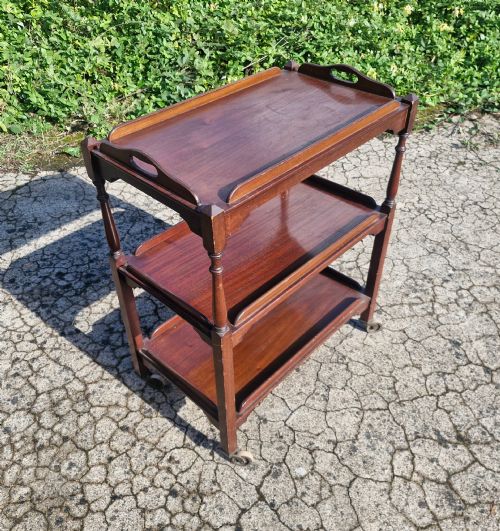
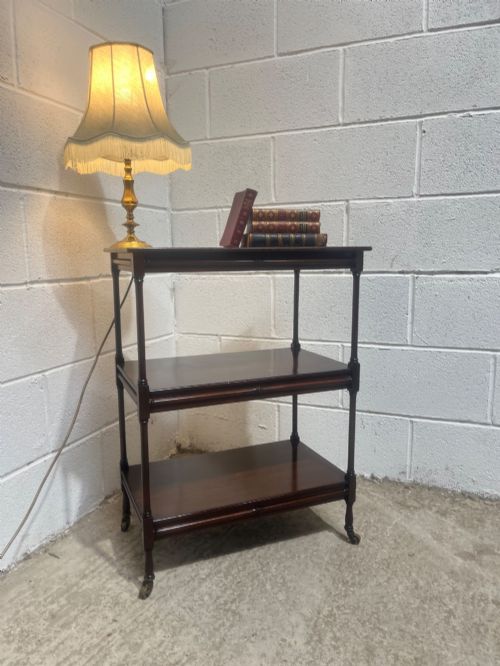
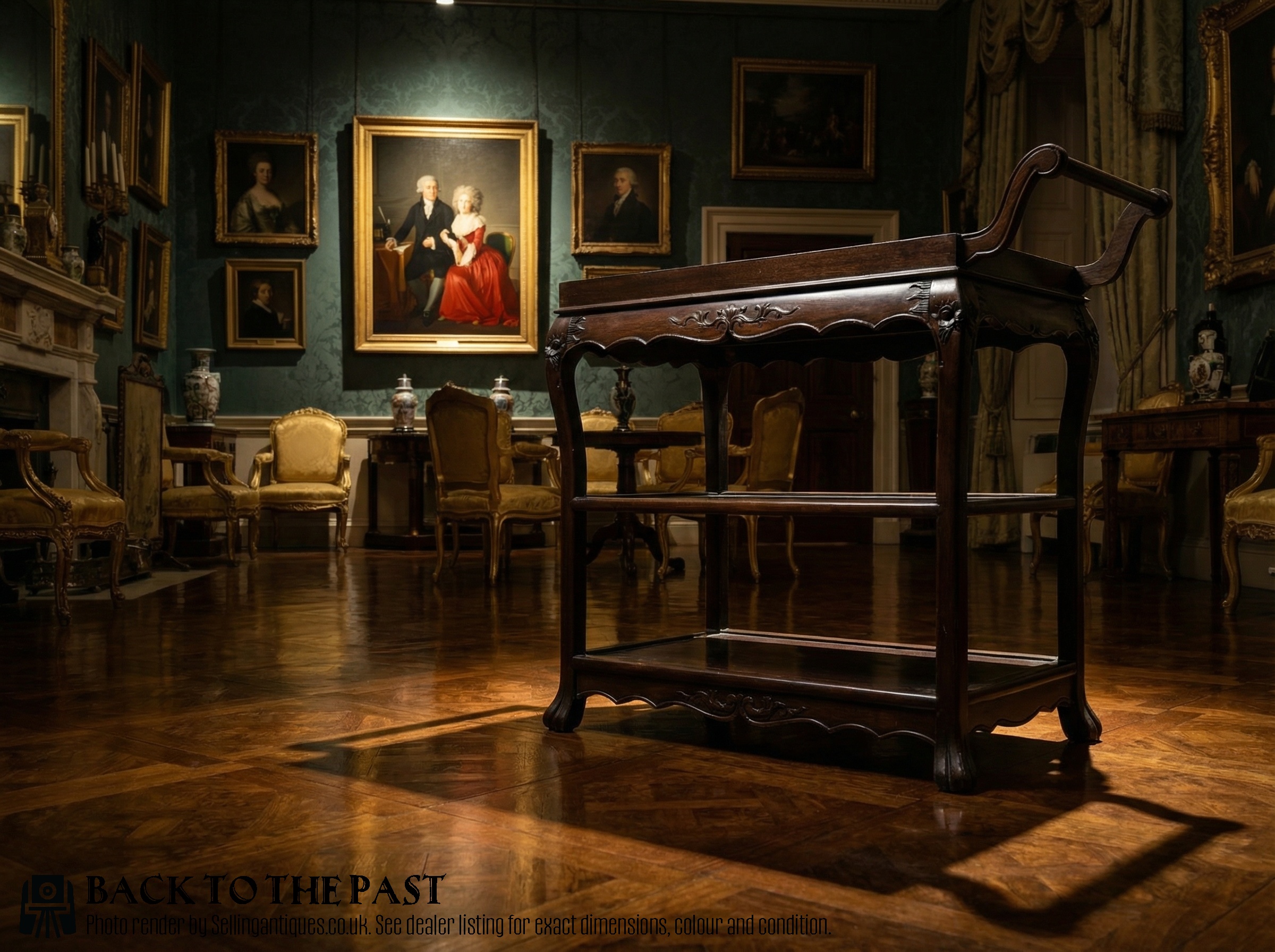
A three tier drinks cart offers stacked shelving across multiple levels, designed to transport and present glassware, bottles, and tea service items. The examples found here span from Victorian dumb waiters and Edwardian tea trolleys to Art Deco walnut bar carts and French brass display stands.
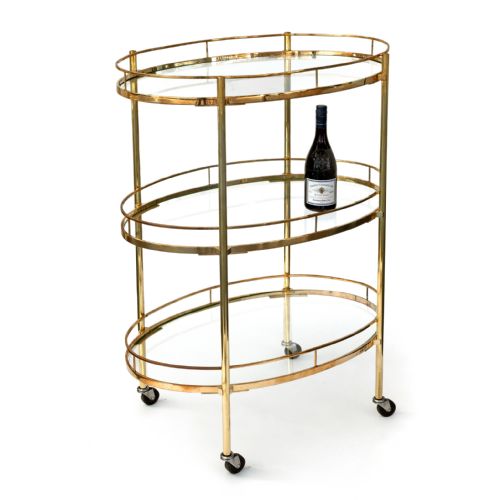
Buyers meet various formats ranging from traditional mahogany and oak constructions with barley twist legs to circular walnut Art Deco carts and brass-framed glass etageres. These pieces bridge formal dining room service and portable living room hospitality, adapting easily to modern interiors.
Materials and construction
Makers utilised timber solids and veneers including mahogany, oak, walnut, and burr walnut veneer, often shaping the wood with turned supports or carved details. Metal elements such as brass appear frequently in frames and protective galleries, paired with glass shelves.
Joinery methods reflect the period of manufacture, from heavy nineteenth-century framing to streamlined twentieth-century veneering and metal assembly. Structural integrity relies on stable tiered platforms and secure vertical supports designed to bear the weight of heavy service items.
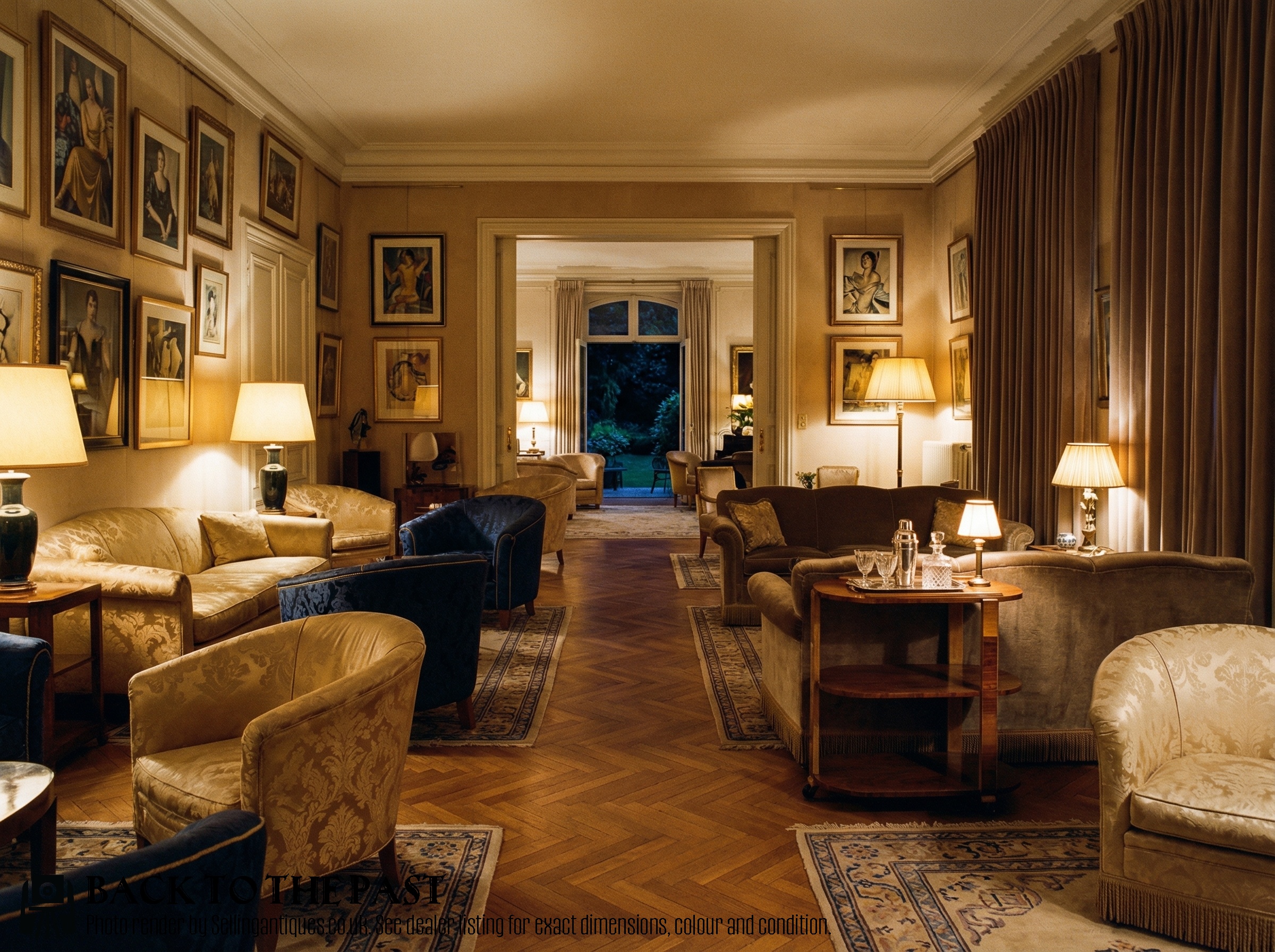
Listings feature three tier drinks carts spanning from Victorian dumb waiters to 1930s Art Deco walnut bar carts.
Evaluating quality and execution
Quality shows in the selection of materials, from figured walnut veneer and carved Chinese hardwood to standard utility timbers. Superior pieces display refined joinery, well-turned wooden elements, and substantial cast metal components that ensure smooth rolling.
Proportion and decorative restraint separate standard utility items from distinguished examples, such as French galleried brass stands or streamline Art Deco circular carts. The integration of matching tiers and original hardware defines the better specimens.
The Three Tier Drinks Cart Glossary
- Etagere
- An open piece of furniture with multiple tiers for displaying small objects. This form provides accessible open shelving on three or more levels.
- Dumb waiter
- A tiered serving table used to hold dishes or drinks without requiring a servant present. Victorian versions often feature heavy mahogany construction and graduated shelves.
- Barley twist
- A type of turning shaped like a spiral rope, popular in Edwardian and Victorian furniture supports. It adds decorative texture to the vertical legs of trolleys.
- Galleried
- Having a raised decorative border around the edge of a shelf to prevent items from sliding off. This feature is common on brass and wood serving carts.
Three Tier Drinks Cart: Frequently Asked Questions
What were three tier drinks carts used for?
These pieces served as mobile storage and serving stations for tea, spirits, and dining accompaniments in the home. They allowed hosts to move glassware and bottles between rooms without multiple trips.
Over time, their function shifted from formal dining service to stylish cocktail presentation and general display in entertaining spaces.
How do I style a drinks cart at home?
Arrange bottles on the lower or middle tiers to keep the structure stable, reserving the top shelf for glassware and active service items. Mixing materials like brass, glass, and polished wood creates visual depth.
Keep decorative objects minimal so the cart retains its practical function for serving drinks during gatherings.
How do I distinguish Victorian from Art Deco carts?
Victorian examples rely on dark timbers like mahogany and oak, often featuring turned legs, dumb waiter forms, or carved details. They reflect heavier, traditional cabinet-making traditions.
Art Deco carts from the 1920s and 1930s favour walnut veneers, circular geometries, and streamlined metal frames that reflect modern industrial design.
Are these carts sturdy enough for daily use?
Most pieces are built with solid timber or sturdy metal frames designed to support heavy ceramics, glass, and bottles. Checking the wheels and tier joints ensures the structure remains safe for moving.
Gentle handling protects older veneers and original brass fittings while maintaining everyday utility.