
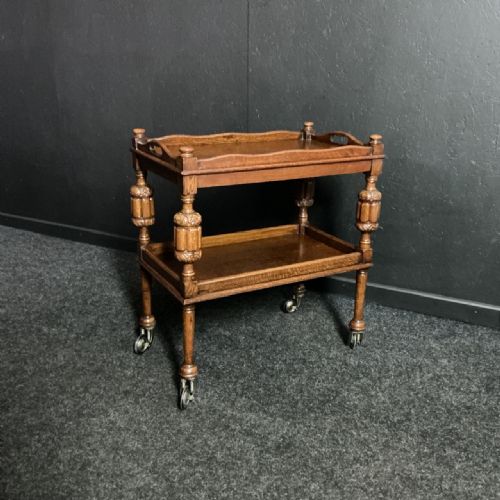

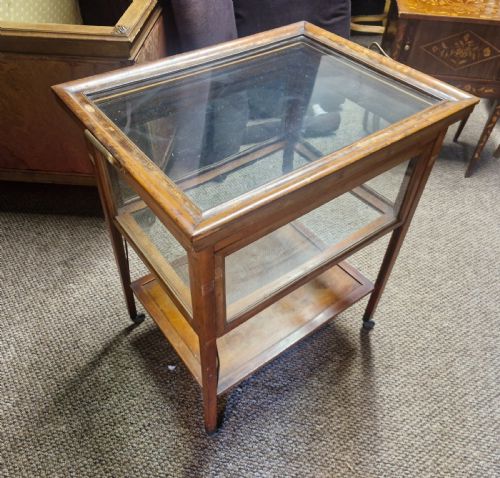


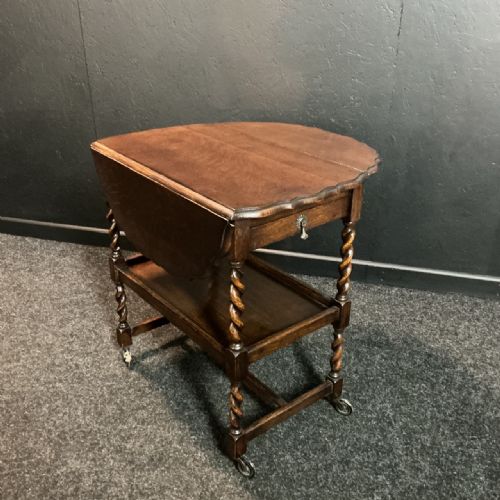


Antique Wooden Tea Cart
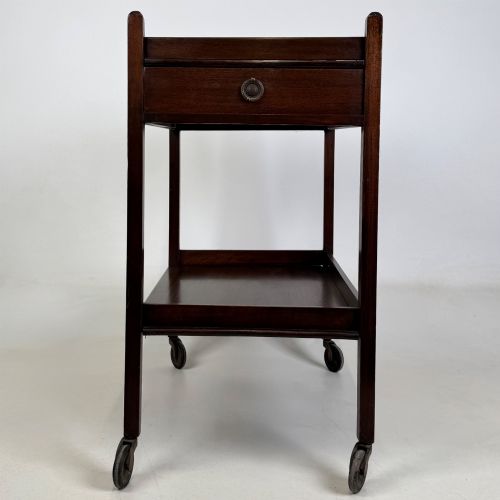
An antique wooden tea cart serves as a mobile stage for afternoon hospitality, moving effortlessly from kitchen to parlour with tiered shelving and wheeled grace.
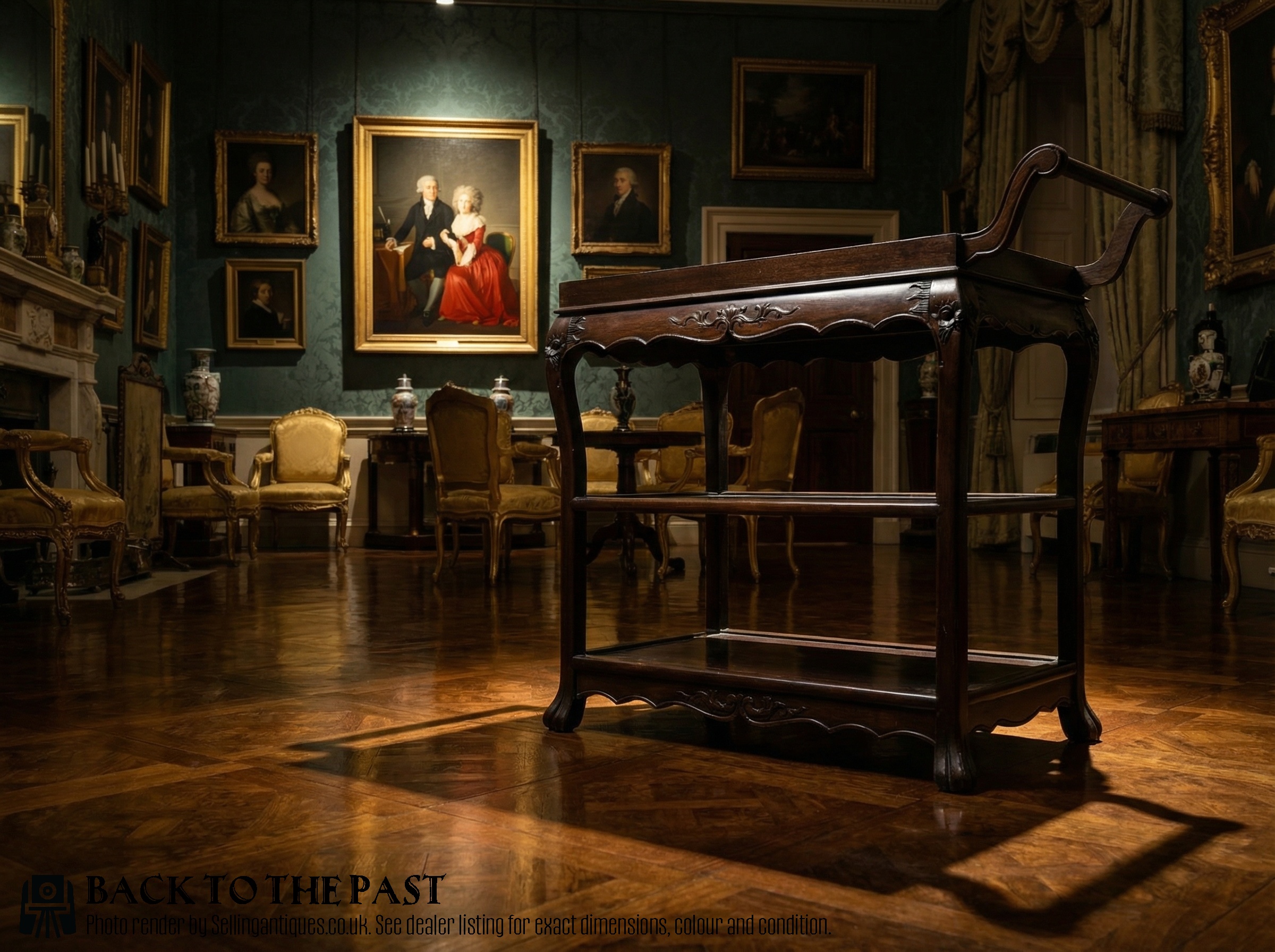
Antique Wooden Tea Cart
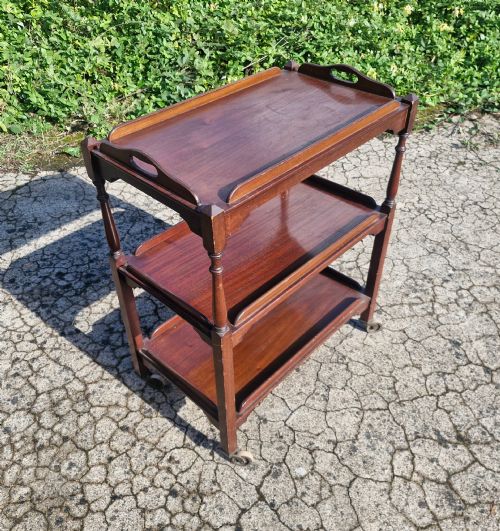
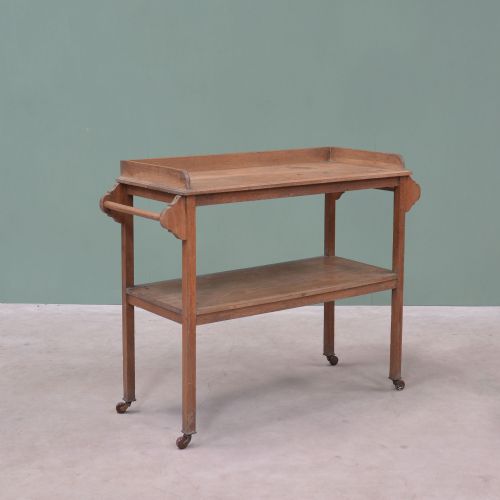
An antique wooden tea cart combines practical mobility with period furniture design, serving beverages and snacks across multiple tiers. Buyers searching for an antique wooden tea cart encounter pieces designed for hosting, ranging from simple serving surfaces to metamorphic designs.
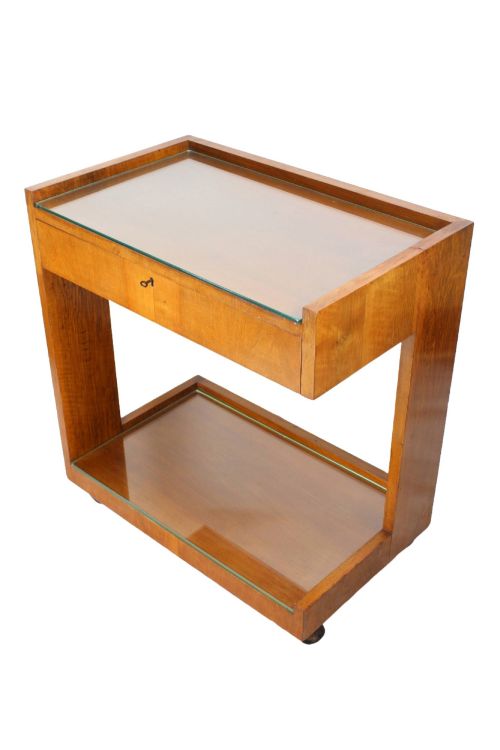
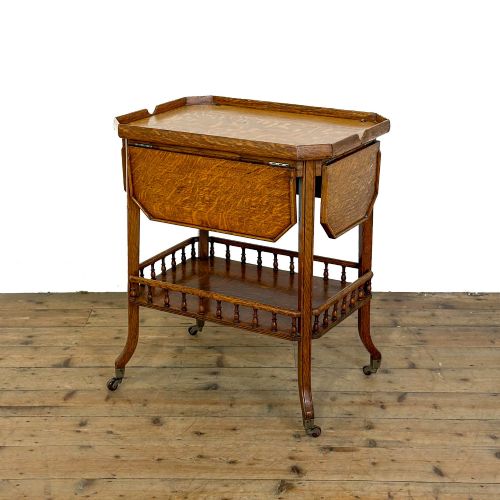
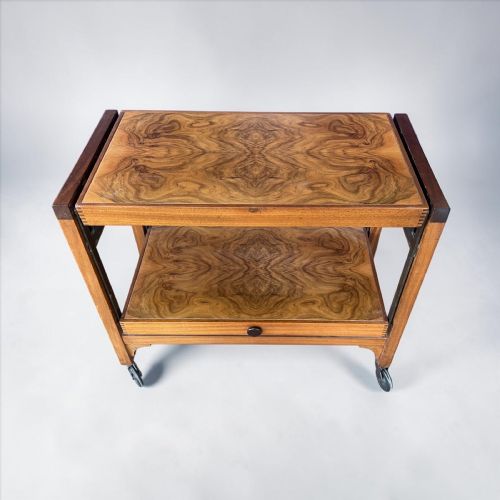
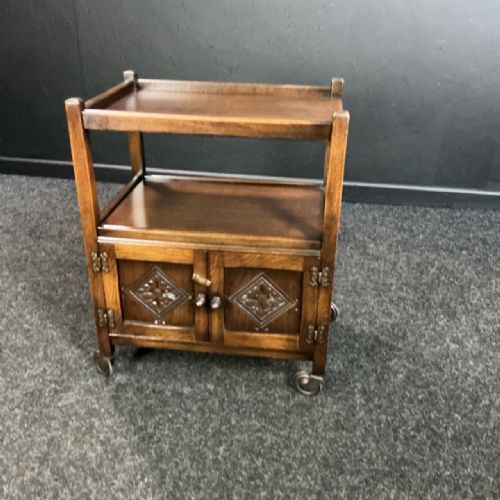
The selections span various decades and stylistic revivals, with Edwardian oak models and Art Deco walnut creations appearing frequently. These items often incorporate drop sides, removable trays, and lower shelves intended for plates and teacups.
Origins stretch from standard English workshop productions to Chinese export and Anglo-Indian carved hardwood variants. Functional forms operate primarily as tea trolleys, drinks trolleys, and bar carts equipped with wheels for transit.
Materials and construction
Metal and brass components reinforce wheel assemblies, hinges, and gallery rails, while silver plate accents appear on serving trays and mountings. Glass inserts occasionally form upper tiers or protective surfaces atop the wooden frames.
Several trolleys double as baize-lined card tables, proving that Victorian afternoon tea could escalate swiftly into serious gaming.
Distinctions in quality
Execution of timber selection and decorative detail separates standard utility pieces from finer examples. Figured walnut veneers, intricate hand carving on hardwood variants, and inlaid mahogany demonstrate superior workshop attention.
The Antique Wooden Tea Cart Glossary
- Drop side
- A hinged leaf on the side of a trolley top that folds down to save space or lifts up to expand the serving area.
- Barley twist
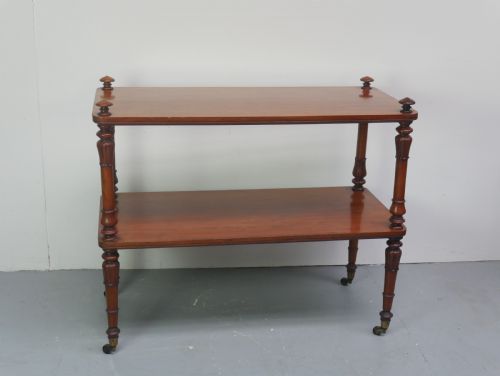
- A carved spiral wooden column found frequently on legs and supports of Edwardian and Jacobean Revival pieces.
- Removable tray
- A detachable upper section featuring handles and a raised gallery edge, designed to carry items independently from the trolley.
- Metamorphic
- A piece of furniture engineered to transform its shape or function, such as shifting from a serving trolley into a card table.
- Etagere
- A set of open shelves for displaying small objects or serving afternoon tea across multiple ascending levels.
Antique Wooden Tea Cart: Frequently Asked Questions
What is an antique wooden tea cart?
An antique wooden tea cart is a wheeled serving table featuring multiple tiers designed to transport tea sets, glassware, and refreshments between rooms.
These pieces typically date from the Victorian, Edwardian, and mid-twentieth-century periods, utilising timbers like oak, mahogany, and walnut.
How do I use a tea cart today?
A tea cart functions effectively as a mobile drinks bar, a bedside table, or a display surface for plants and books in a modern living space.
The wheels and removable trays retain their original utility for serving guests during gatherings.
What woods were used for tea carts?
Cabinetmakers constructed tea carts primarily using oak, mahogany, and walnut, alongside imported hardwoods on specific regional pieces.
Inlays, brass fittings, and silver-plate accents frequently complement the primary timber structures.
How do I identify an Art Deco tea cart?
Art Deco tea carts exhibit geometric forms, circular silhouettes, and figured walnut veneers that highlight natural grain patterns.
These models often date from the 1930s and display streamlined profiles distinct from earlier Edwardian turned-leg designs.