






Edwardian Taxidermy Mount
An edwardian taxidermy mount brings the dramatic atmosphere of the British sporting tradition directly into a modern interior.
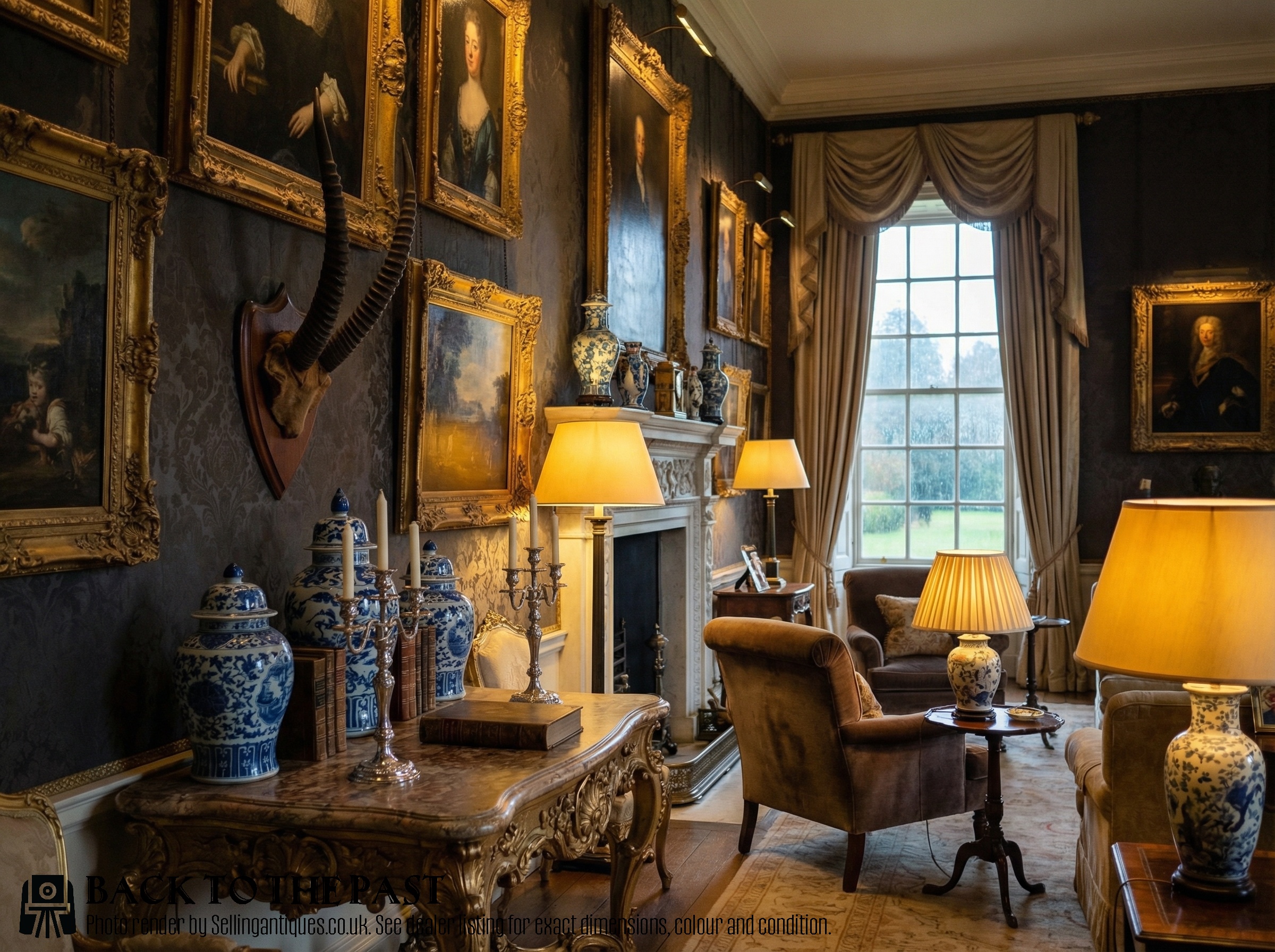
Edwardian Taxidermy Mount Types
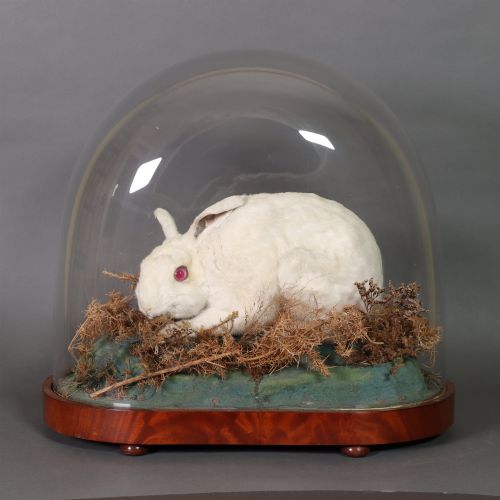
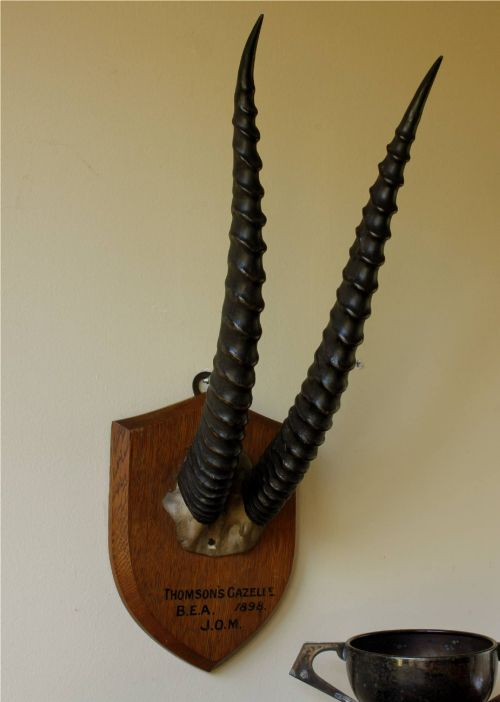
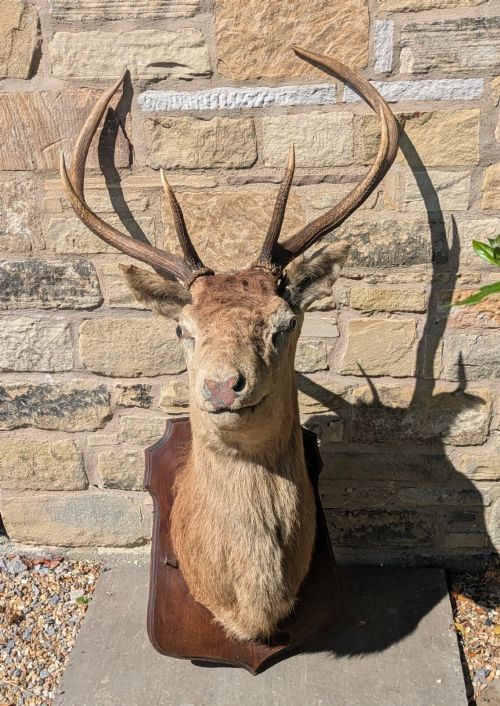
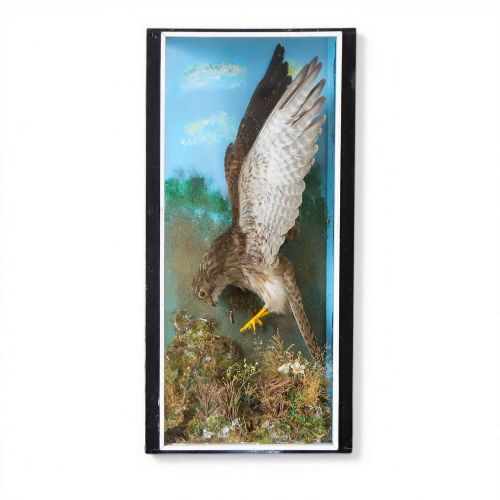
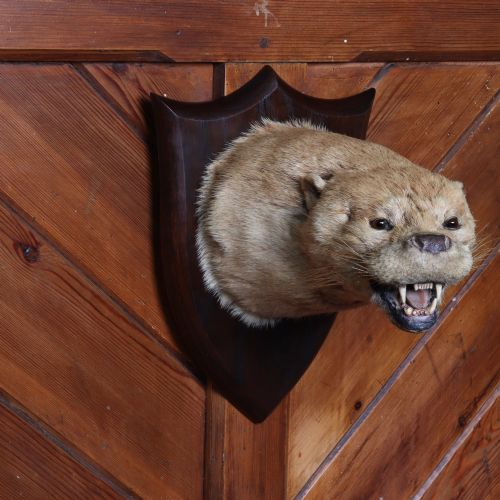
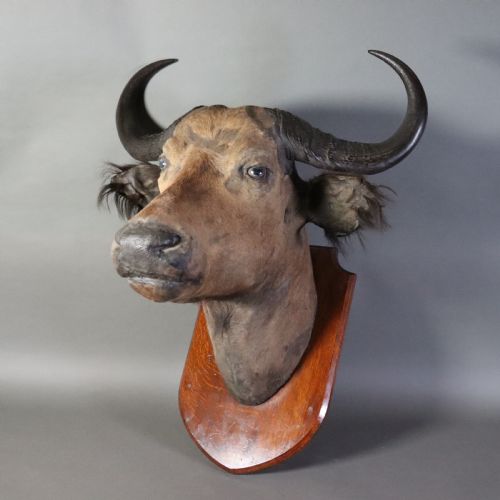
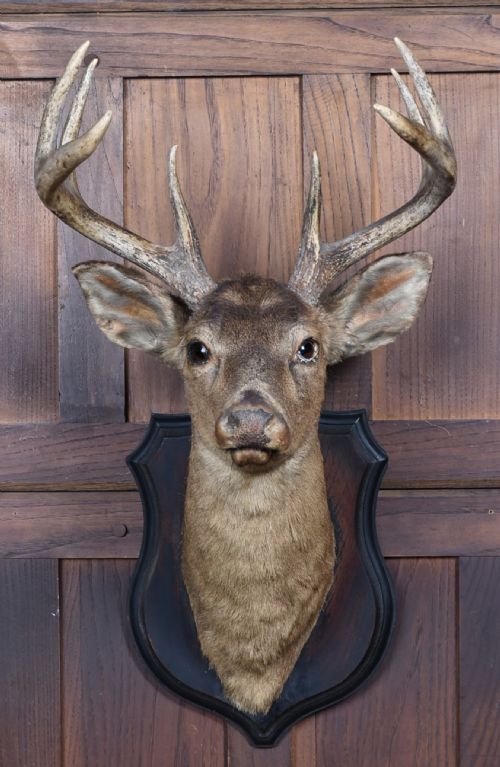
An edwardian taxidermy mount encompasses various forms ranging from wall-mounted trophy heads to distinct animal masks and horn arrangements. The selection frequently includes major African antelopes alongside native British sporting subjects like foxes and otters.
These pieces primarily date from the early twentieth century, reflecting the prevailing Edwardian and British sporting aesthetic of the era. Buyers typically encounter both full head mounts and specialised wall mounts designed for interior display.

Materials and Construction
Taxidermists utilised organic materials such as otter fur, hide, bone, and animal horn, mounted upon supportive wooden shields typically fashioned from oak. Glass was incorporated for realistic eyes, bringing a lifelike quality to the preserved specimens.
The preparation combined traditional skinning and preservation techniques with taxidermy skill to shape the hide over sculpted forms. Master workshops executed these mounts with careful attention to the natural contours and posture of each animal.
Retail Price Guide 2026
Typical UK retail prices for edwardian taxidermy mount, calculated from the Sellingantiques database of over a million retail prices indexed since 2003. This retail price guide relies exclusively on Sellingantiques data; no external sources or auction records are used, so the figures do not describe the wider market.
An inquisitive otter mask brings an unexpected touch of British river life right into your hallway.
Assessing Quality
Superior examples derive from renowned workshops where anatomical proportion and lifelike expression remain remarkably convincing over time. The skill of the taxidermist dictates whether a mount retains its spirited vitality or appears stiff and unnatural.
The choice of backing timber and the condition of the natural hide and fur significantly influence the overall appeal. Well-preserved specimens maintain their original texture and structural integrity without deterioration of the underlying materials.
Peter Spicer & Sons·Edward Gerrard & Sons
The Edwardian Taxidermy Mount Glossary
- Taxidermy mount
- A preserved animal specimen prepared for display, often incorporating a wooden wall plaque for hanging. This term covers both complete heads and smaller mounted masks.
- Mask
- The head and neck portion of an animal, frequently utilised for foxes or otters in British sporting taxidermy. These compact pieces were traditional mementoes of the hunt.
- Shield
- The shaped wooden plaque, commonly made of oak, upon which a taxidermy trophy is mounted for wall display. It provides both structural support and a finished decorative border.
- Trophy head
- A large mammal head mounted to display horns or antlers, reflecting the sporting pursuits of the period. Species such as the springbok, koodoo, and sable antelope appear in this format.
Frequently Asked Questions
What is the best way to clean historic fur and horns?
Gently dust the fur using a very soft brush or a low-suction vacuum attachment. Avoid using water or liquid cleaners on historic hides and taxidermy materials.
Natural horns can be wiped lightly with a dry cloth to remove surface dust. Keep mounts away from direct sunlight and damp environments to protect the organic materials.
How do I identify an Edwardian piece?
Examine the construction methods, mounting hardware, and the style of the wooden backing shield. Edwardian pieces often display specific taxidermy techniques and taxidermist stamps characteristic of the early twentieth century.
Comparing the species and mounting style to documented examples from the period helps confirm the date. Many pieces carry historic workshop labels on the reverse of the wooden shield.
Where should I display these mounts in a home?
These pieces suit studies, hallways, and living rooms where they complement traditional or eclectic interiors. Position them at eye level to appreciate the detail and craftsmanship of the mount.
Ensure the display location avoids direct heat sources like radiators and prolonged direct sunlight. Stable room temperatures prevent the drying and cracking of historic hides and horn.