
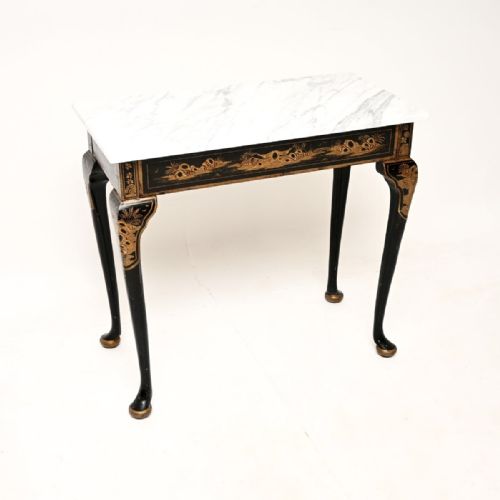
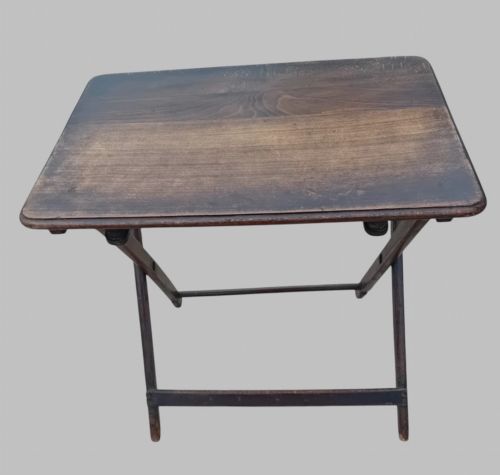
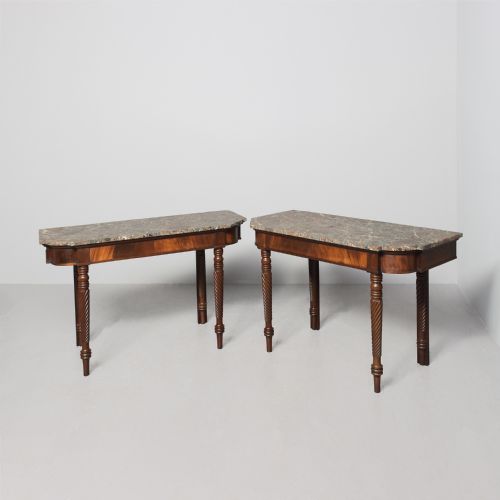
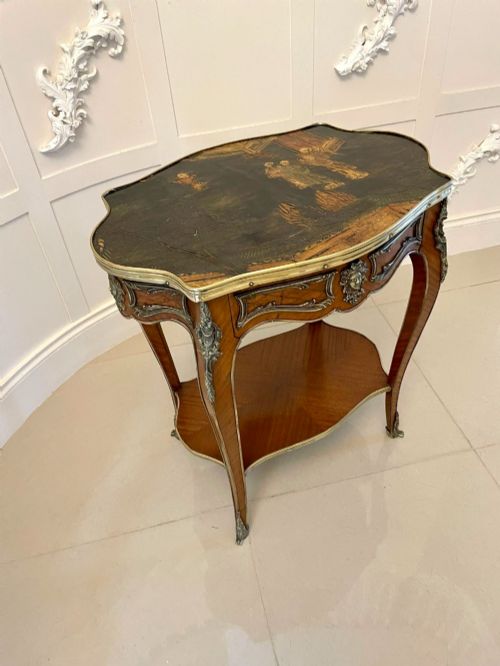


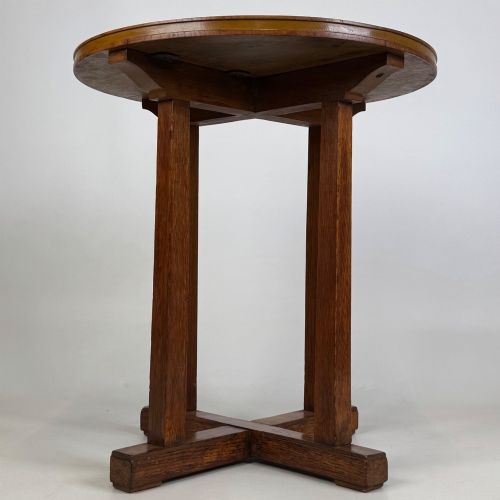
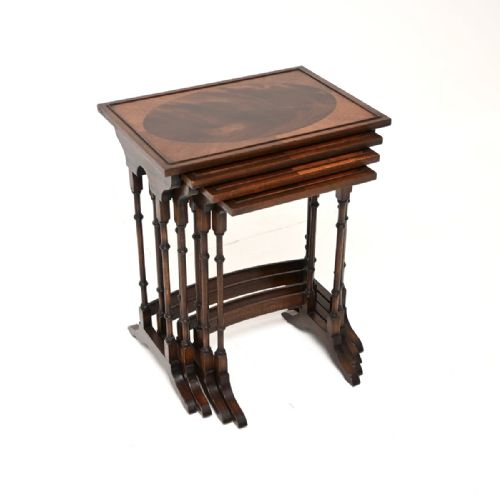
Edwardian Style Side Table
Edwardian style side table pieces offer versatile occasional furniture in mahogany, satinwood, and oak, bringing classic proportions to modern interiors.
Edwardian Style Side Table
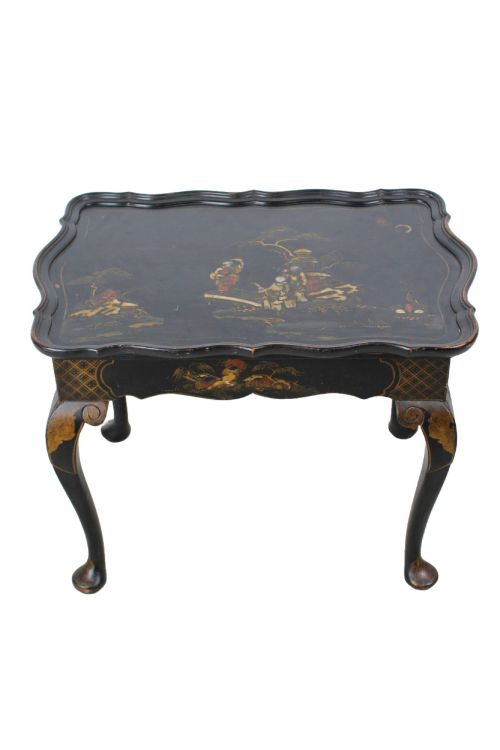
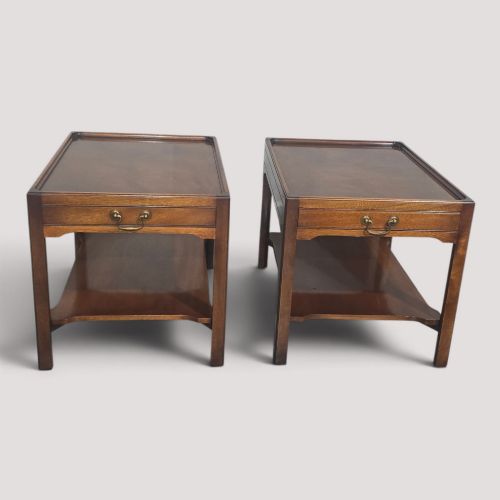
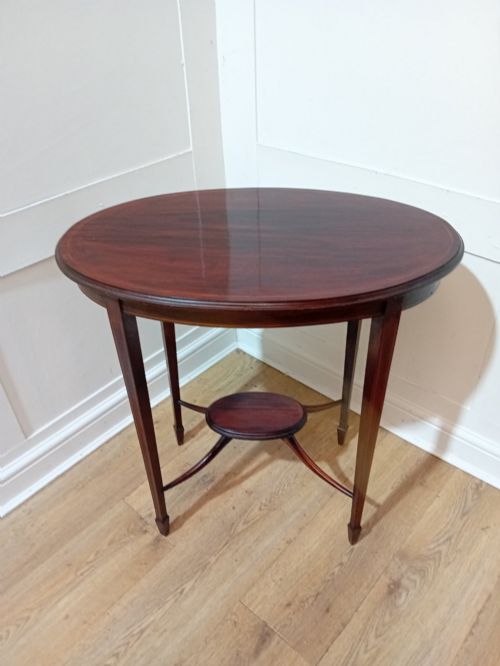
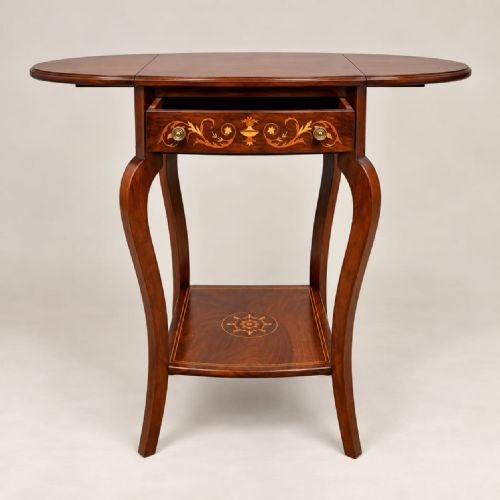
When searching for an edwardian style side table, buyers encounter compact occasional tables, nests of tables, and console tables originating across the Edwardian era, Victorian period, and early twentieth century. The forms range from simple plant stands and bedside tables to sophisticated inlaid satinwood pieces and drop-leaf tables.
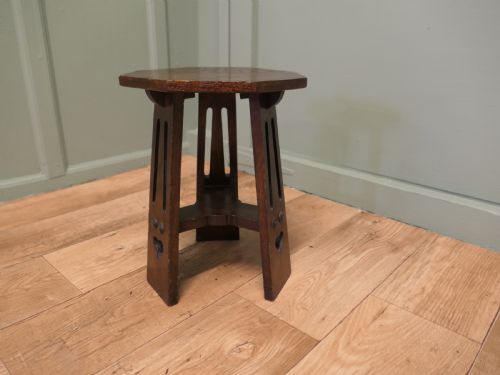
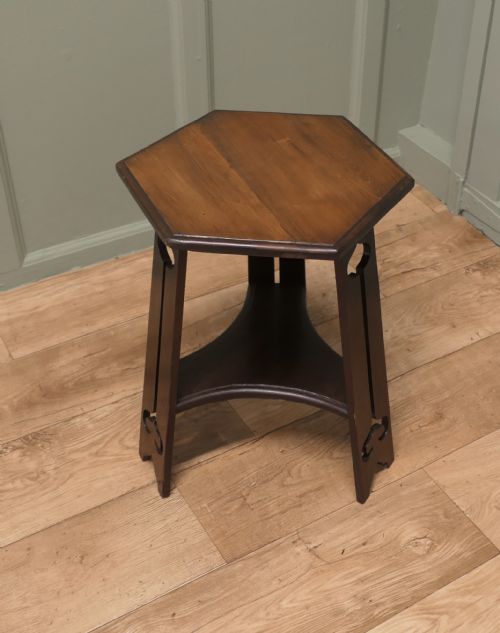
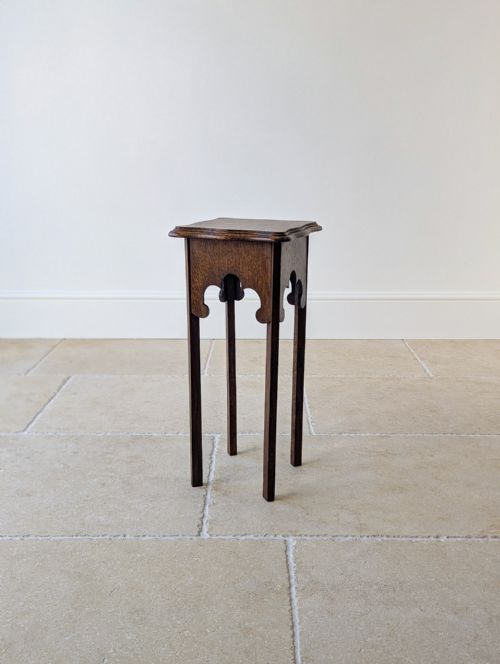
Most examples met on this page span mahogany and oak constructions, frequently reflecting Sheraton Revival, Chippendale Revival, and Arts and Crafts design influences. These tables served practical functions in hallways, drawing rooms, and bedrooms for holding lamps, books, and decorative objects.
How they were made
Cabinet makers utilised dense hardwoods like mahogany, walnut, and rosewood, often pairing them with lighter decorative timbers such as satinwood, boxwood, and harewood for cross-banding and marquetry details. Oak appears prominently in Arts and Crafts pieces, showcasing solid framing and pegged joints.
Inlaid decoration, painted floral motifs, and brass mounts define the aesthetic execution of the refined revival styles. Structural flexibility is also seen in folding mechanisms, drop sides, and interlocking quartetto nest designs.
Campaign folding tables made for travel ensure you can pack up your afternoon tea and deploy it instantly across the lawn.
What varies in quality
The degree of refinement in timber selection and inlay work marks the distinction between standard production items and superior examples. Finely figured mahogany, crisp hand-cut marquetry, and balanced proportions elevate certain tables well above plain utilitarian counterparts.
Construction integrity, such as tight joints on nesting tables and undamaged polished surfaces on satinwood and walnut tops, determines the enduring standard of surviving pieces.
The Edwardian Style Side Table Glossary
- Quartetto nest
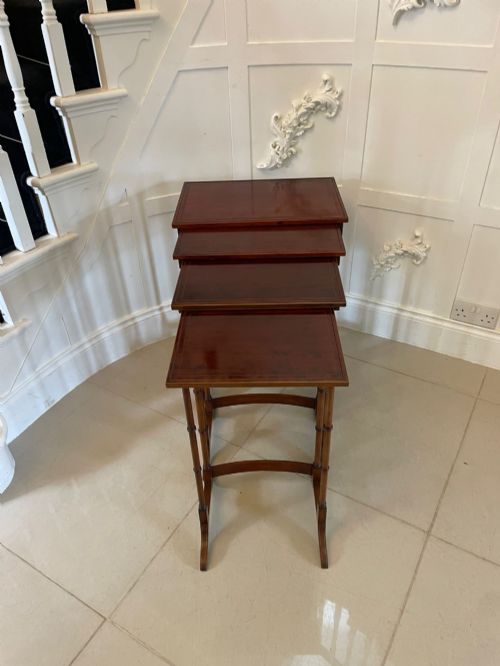
- A set of four graduating tables that fit neatly beneath one another. This design gained immense popularity during the Edwardian period for entertaining.
- Satinwood
- A light-coloured, lustrous timber frequently used for veneer and inlay. It provides a striking contrast when bordered with darker woods like mahogany.
- Marquetry
- Decorative veneer work forming pictures or geometric patterns using various coloured woods. Craftsmen cut these designs precisely to fit flush into the primary surface.
- Cross-banding
- A border of veneer laid perpendicular to the grain of the main surface. This technique frames the top of a table and adds visual depth.
- Demi-lune
- A half-moon shape characteristic of console and side tables designed to stand flat against a wall. These pieces often feature tapering legs and delicate stringing.
Edwardian Style Side Table: Frequently Asked Questions
What is an edwardian style side table used for?
These tables provide practical surfaces for lamps, drinks, and decorative items within living rooms and bedrooms. Their compact dimensions allow them to fit easily into smaller alcoves and hallways.
Historically, they functioned as movable furniture that servants or residents could shift around the house as needed for tea or writing.
How do I identify an edwardian style side table?
Look for light and graceful proportions that depart from the heavier aesthetic of the mid-nineteenth century. Common indicators include satinwood inlay, tapered legs, and revivals of eighteenth-century Sheraton and Chippendale motifs.
Construction details and secondary timbers underneath often help confirm the period of manufacture, distinguishing authentic early twentieth-century pieces from later reproductions.
Are nest of tables useful?
Nests of tables offer exceptional versatility for modern homes where floor space is limited. You can stack them compactly together when not in use and separate them when guests need resting spots for cups.
Edwardian makers excelled at producing these sets in figured mahogany and satinwood with strong interlocking frames.
What woods were used in these tables?
Mahogany remains the most common primary timber, appearing in both solid form and finely figured veneers. Other frequent materials include walnut, oak for Arts and Crafts pieces, and satinwood for high-status decorative items.
Inlays often incorporate boxwood and ebony strings to create sharp linear contrasts along the edges and table tops.