

Edwardian Style Dining Chairs
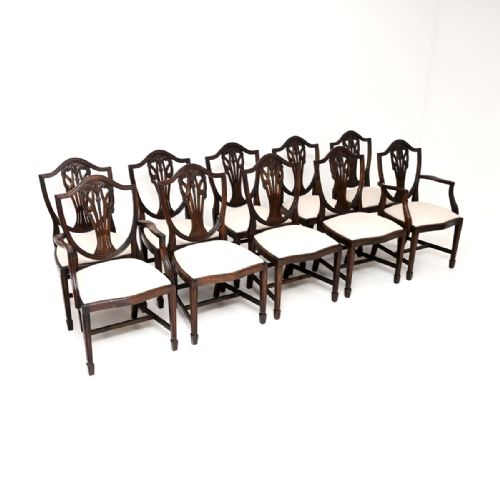
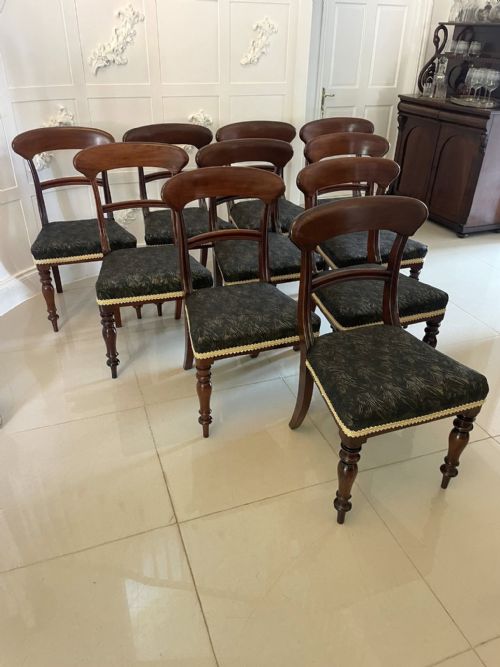
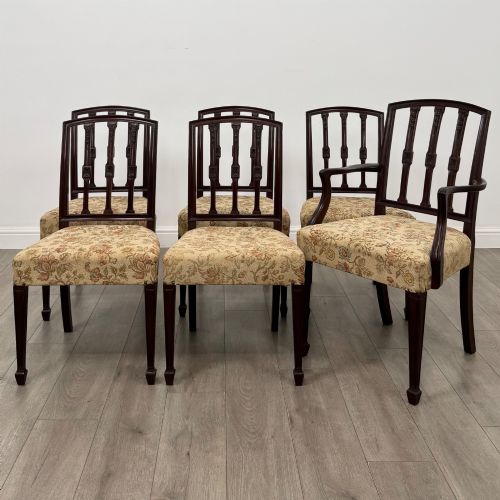
When you look for edwardian style dining chairs, you encounter substantial mahogany and oak seating influenced by earlier centuries.
Edwardian Style Dining Chairs
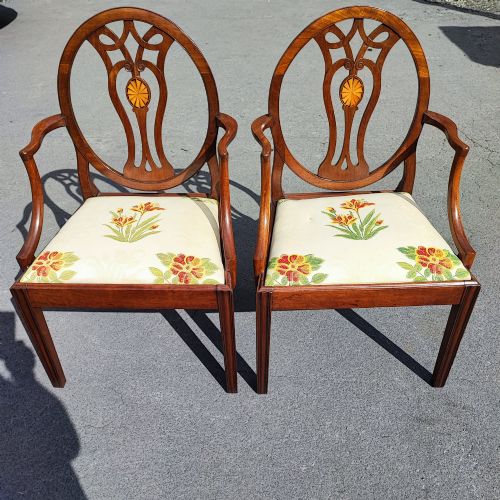
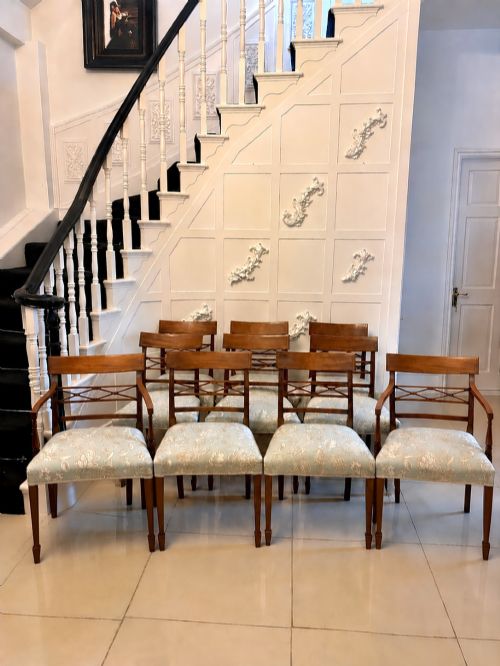
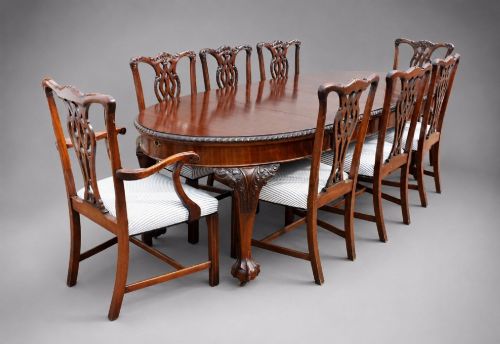
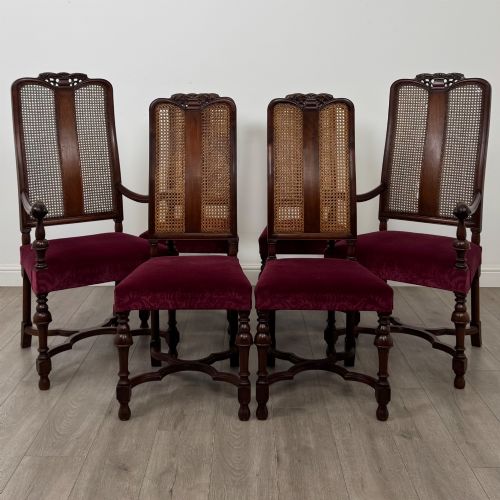
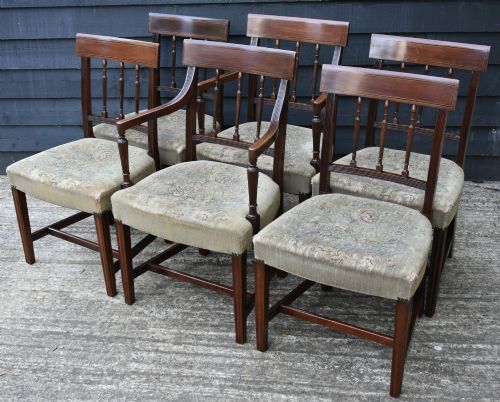
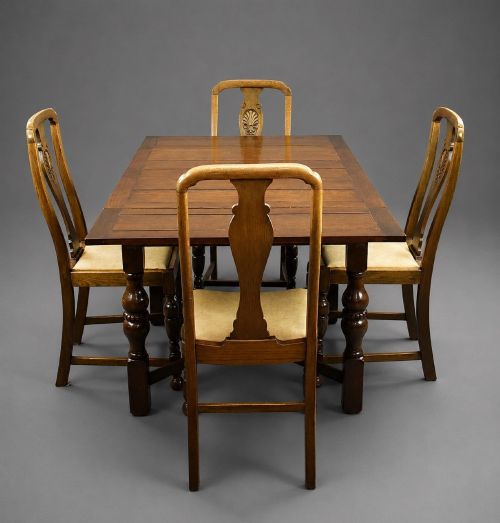
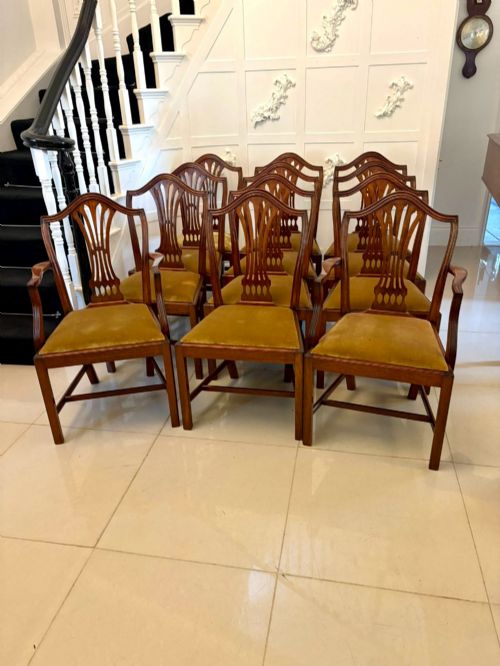
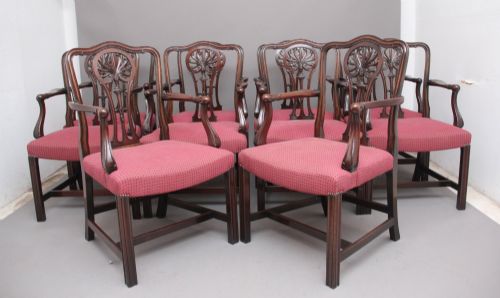
Edwardian style dining chairs encompass a variety of seating forms produced around the turn of the twentieth century, drawing heavily on earlier aesthetic movements. Buyers searching this phrase most commonly meet mahogany sets featuring revival designs such as Chippendale, Hepplewhite, and Queen Anne.
The selection ranges from smaller side chairs to larger suites complete with carver armchairs intended for the ends of a dining table. Alongside mahogany, numerous examples appear in golden oak and walnut, reflecting the diverse tastes of the period.
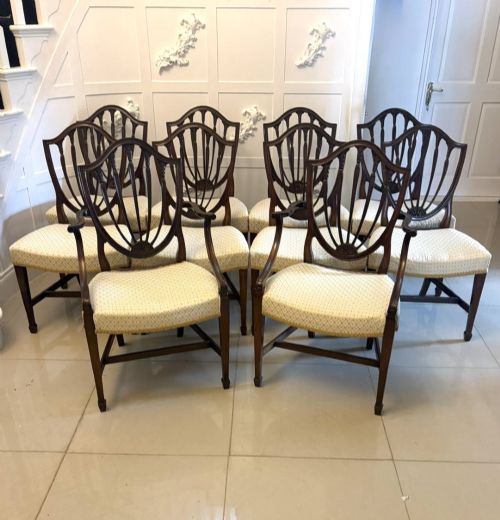
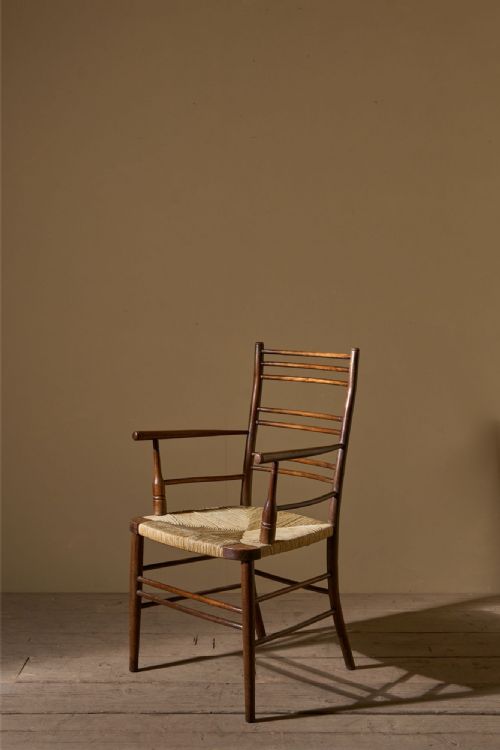
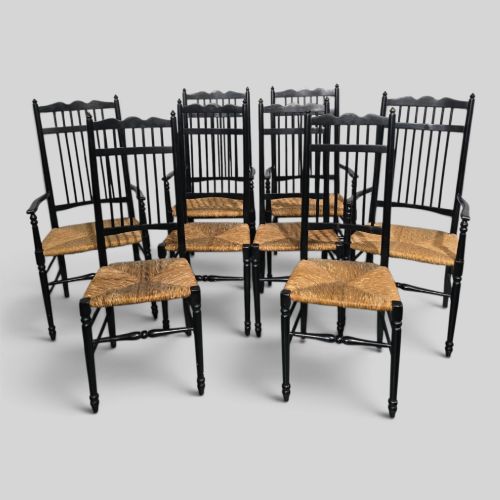
Many of these pieces adapt eighteenth-century shield back or ladder back configurations, scaled for domestic dining rooms of the era. Sets frequently span from four up to twelve or more chairs, maintaining uniformity across the dining group.
Materials and Construction
Makers utilised solid timbers such as mahogany and oak as the primary framework for these dining seats, often enhancing the polished wood with subtle inlay or carved splats. Joinery relied on traditional methods including mortise and tenon joints to ensure stability during daily use.
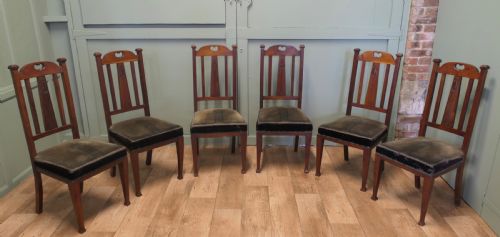
Seating portions were upholstered in materials like leather, velvet, fabric, or woven rush, secured to drop-in frames or directly to the wooden structure. Brass fittings occasionally reinforced structural points or decorated the feet and handles of associated tables.
Church style beech slat back chairs occasionally sneak into dining rooms, proving that humble seating finds a home anywhere.
Evaluating Craftsmanship
The standard of carving on the splats and legs differentiates simpler workshop production from finer examples. Crisp lines in classical motifs like ball and claw feet or pierced splats indicate skilled execution by the cabinetmaker.
Timber selection also dictates the grade of the piece, with dense, well-figured mahogany or quarter-sawn oak commanding attention. Original upholstery materials and intact internal webbing further elevate the integrity of surviving sets.
Charles Tozer·Maple and Co·Alfred Allen·Cowtan and Sons·Waring and Gillow
The Edwardian Style Dining Chairs Glossary
- Carver
- An armchair designed with elbow supports, traditionally placed at the head of a dining table.
- Splat
- The vertical wooden strip down the centre of a chair back, frequently shaped or carved.
- Shield Back
- A chair back contouring in the shape of a heraldic shield, popularised in the eighteenth century and revived later.
- Draw Leaf
- A table mechanism featuring sliding leaves beneath the main top that pull out to extend the surface.
- Rush
- Dried marsh grass twisted into cords and woven to form flexible, textured chair seats.
Edwardian Style Dining Chairs: Frequently Asked Questions
How many chairs come in a set?
Sets commonly range from four up to twelve pieces, occasionally including two matching carver armchairs for the ends of the table.
Larger dining suites sometimes accommodate fourteen or more chairs to suit expansive Edwardian dining rooms.
What wood was used most often?
Mahogany remains the dominant timber found in these dining chairs, chosen for its rich colour and durability.
Oak also appears frequently, particularly in Arts and Crafts or Jacobean revival designs alongside walnut and maple.
Are these chairs comfortable for daily use?
The supportive high backs and padded seats upholstered in leather, velvet, or fabric provide a sturdy sit for regular dining.
Armchair versions offer additional support at the sides, making them suitable for prolonged seating during meals.
How do I identify the revival style?
Design cues point directly to earlier eras, such as the pierced splats of Chippendale or the graceful curves of Queen Anne.
Maker details, timber patination, and construction traits help contextualise the piece within the Edwardian period.