

Vintage Splat Back Chairs
These vintage splat back chairs bring traditional craftsmanship and sturdy timber into everyday dining and seating arrangements.
Vintage Splat Back Chairs
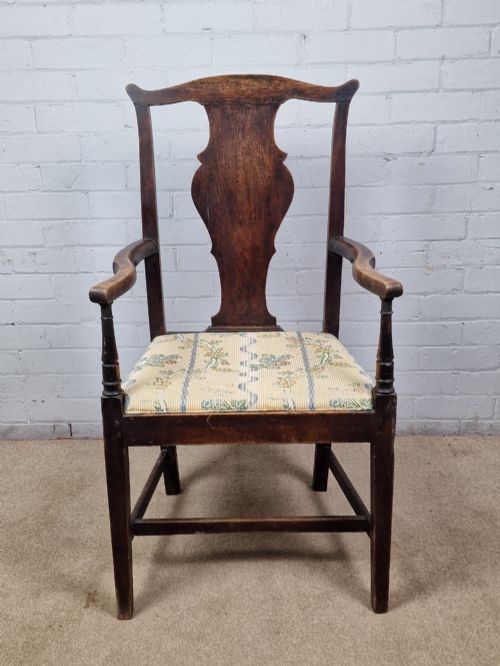
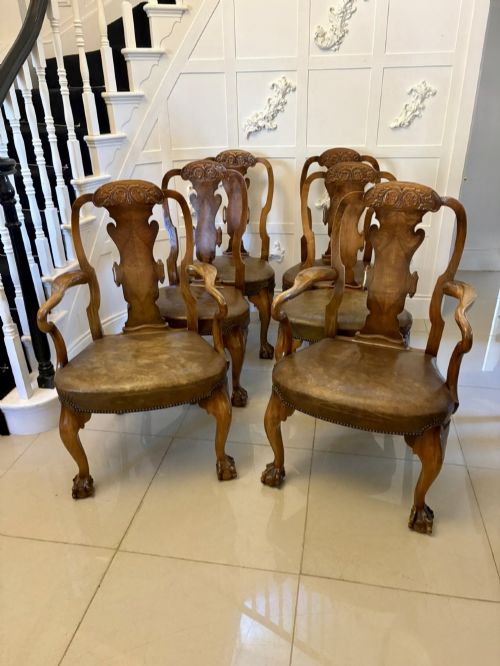
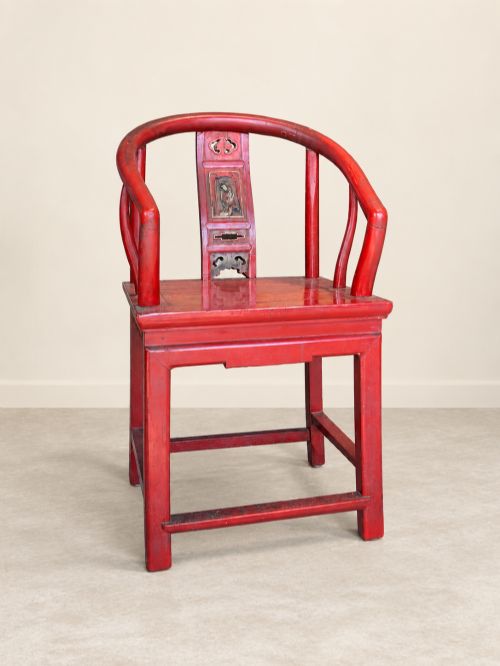
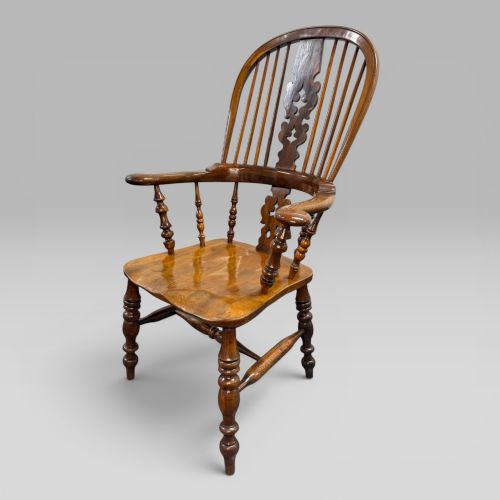
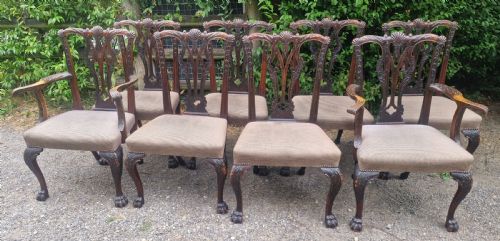
When you search for vintage splat back chairs, you encounter a wide selection of wooden seating spanning multiple centuries and regional workshops. The pieces on this page range from formal mahogany dining sets to vernacular elm and yew Windsor designs originating in the eighteenth, nineteenth, and early twentieth centuries.
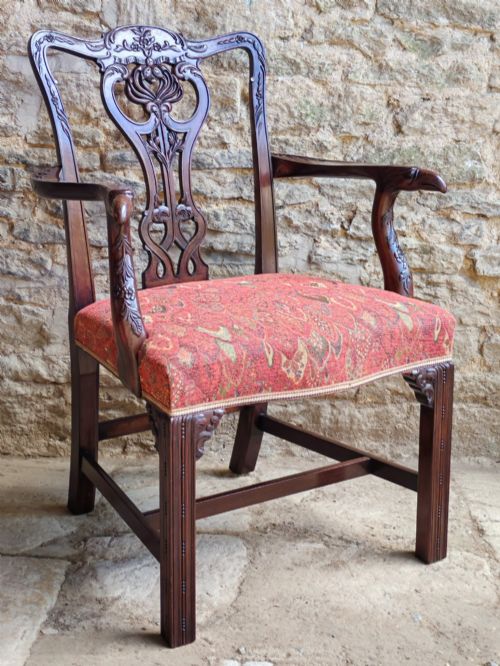
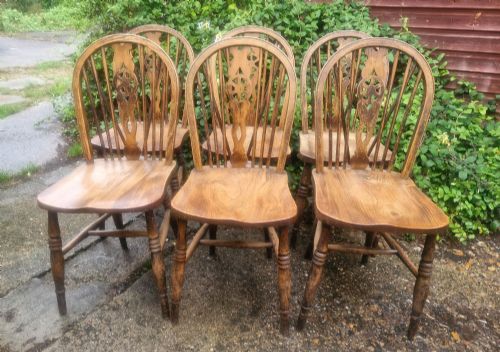
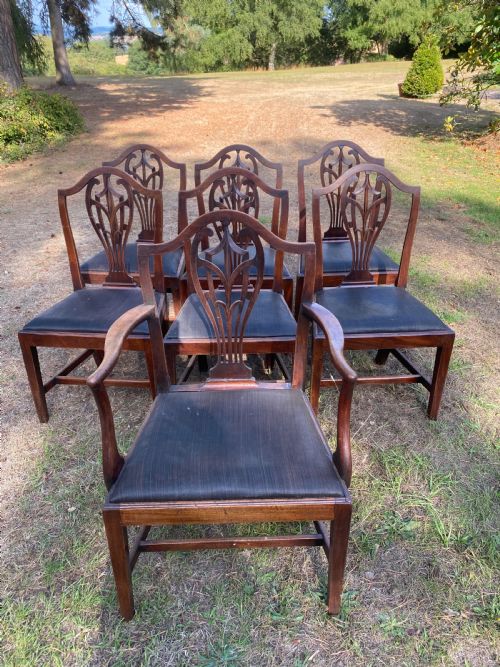
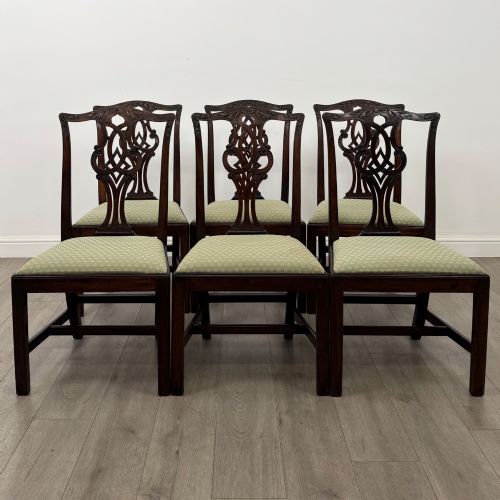
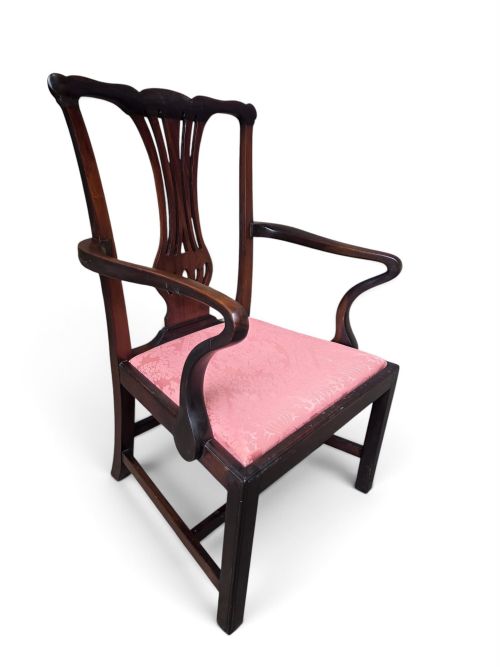
The most common forms you will meet here include sets of dining chairs, individual carvers, and side chairs influenced by Georgian, Victorian, and Edwardian tastes. Makers utilised traditional regional patterns, producing everything from wheel back kitchen chairs to ornate Chippendale style open armchairs.
How they were made
Cabinet makers and bodgers relied heavily on native timbers, turning to elm, yew, ash, beech, and oak for structural integrity and grain pattern. They combined steam bending with traditional joinery, pegging seats and spindles securely to withstand daily use in country houses and town settings.
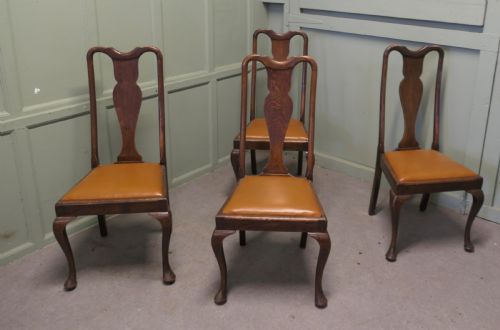
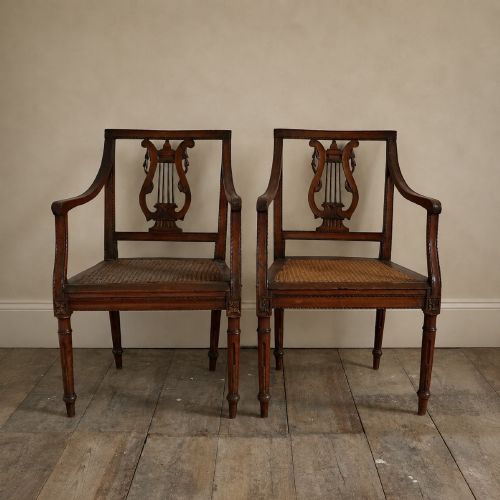
Mahogany and walnut served formal dining and desk chairs, where artisans carved intricate splats, cabriole legs, and lyre motifs. Surface treatments typically involved polishing or waxing to protect the wood while highlighting its natural figure.
Listings feature eighteenth-century Georgian items alongside nineteenth-century Victorian and Edwardian examples.
What varies in quality
The distinction between ordinary and exceptional chairs rests in the crispness of the timber carving and the integrity of the original construction. Fine examples display well-figured grain, balanced proportions, and minimal timber replacement over their long histories.
Regional vernacular pieces derive their merit from robust construction and untouched patination acquired through generations of domestic use. Sets matching in timber tone and turning detail command greater appreciation than assembled groups.
Howard and Sons·Gabbitass Worksop·Wheelers of Arncroach
The Vintage Splat Back Chairs Glossary
- Splat
- The upright central strip of wood in the middle of a chair back. It often takes a vase, fiddle, or ladder shape in Georgian and revival designs.
- Carver
- An armchair, usually designed for the head of a dining table or for desk use. These pieces feature supportive armrests integrated into the frame.
- Windsor
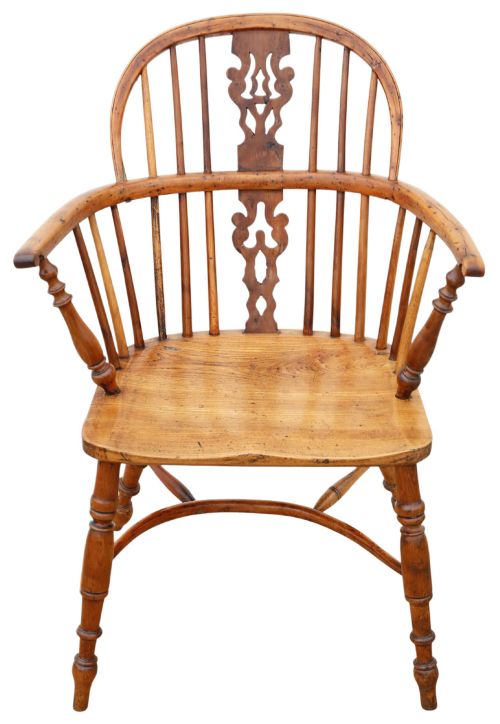
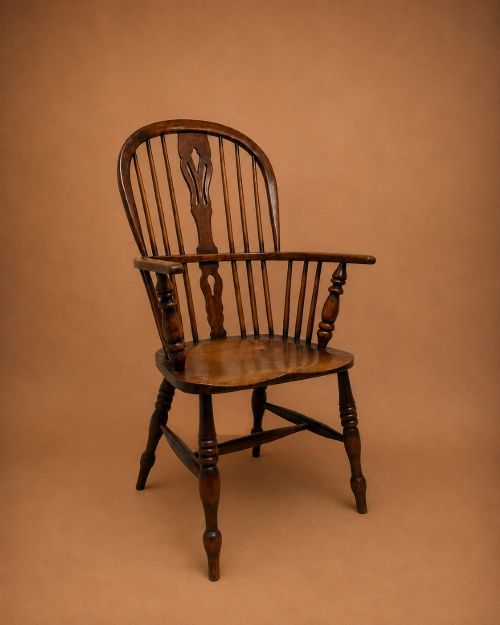
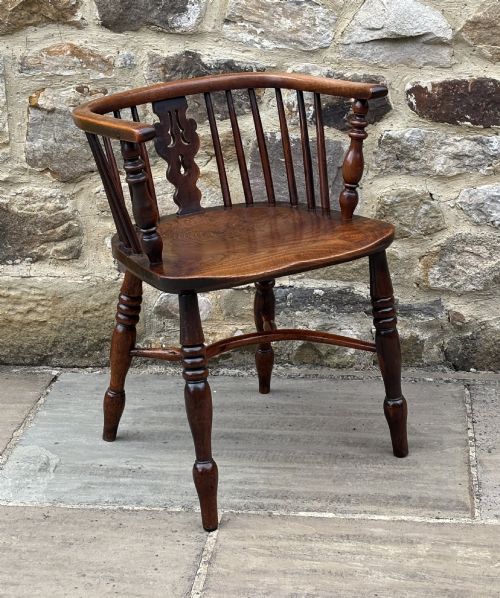
- A wooden chair constructed with a solid sculpted seat into which the legs and back spindles are directly tenoned. These chairs developed strong regional variations across England.
- Crinoline
- A curved stretcher connecting the legs of a Windsor chair to provide extra stability. This feature often doubles as a footrest in country examples.
- Lyre back
- A chair back featuring a splat shaped like an ancient Greek lyre instrument. This motif appears frequently in Regency and Edwardian seating.
Vintage Splat Back Chairs: Frequently Asked Questions
How do I identify a Windsor chair?
Windsor chairs are distinct for their solid wooden seats where the legs and back pieces insert directly into drilled holes. They frequently combine different timbers, such as an elm seat with ash spindles and a yew bow.
Traditional country makers built these chairs for strength and comfort, resulting in high backs, comb backs, and hoop back variations that suit rustic and modern interiors alike.
Can I mix these chairs around a dining table?
Mixing single side chairs with a pair of matching carvers at the table ends is a traditional way to arrange antique seating. Ensuring consistent wood tones and similar period styles helps unify an assembled set.
Many listings offer matching sets of six or ten, but individual chairs and smaller pairs also work well in smaller dining spaces or as occasional desk chairs.
How should I care for antique wooden chairs?
Keep antique chairs away from direct heat sources and dramatic humidity shifts to prevent the timber from splitting or joints from loosening. Regular dusting with a soft cloth and occasional application of traditional beeswax preserves the polish.
Avoid using modern silicone sprays, as they build up over time and dull the natural patina developed across the centuries.
What is the difference between Georgian and Edwardian styles?
Georgian chairs date from the eighteenth and early nineteenth centuries, featuring robust mahogany or walnut frames with hand-carved details and classical proportions. Edwardian pieces from the early twentieth century often revive these earlier aesthetics using beech, mahogany, or oak.
Edwardian interpretations tend to be lighter in construction while reflecting the design vocabulary of Chippendale and Queen Anne periods.