




Vasiform Splat Dining Chairs
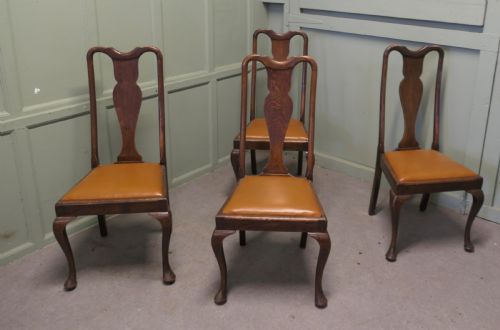
These vasiform splat dining chairs bring classic timber frames and sculpted vase backs into your dining room.
Vasiform Splat Dining Chairs
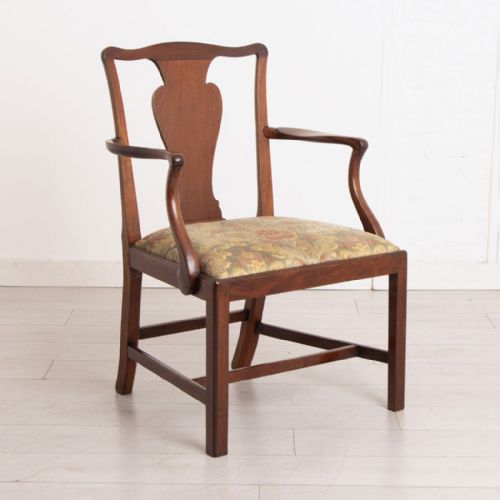
When you search for vasiform splat dining chairs, you encounter seating built around a central, vase-shaped wooden upright in the backrest. The pieces appearing here span from the 18th century through to the early 20th century, encompassing original Georgian periods alongside later revivals.
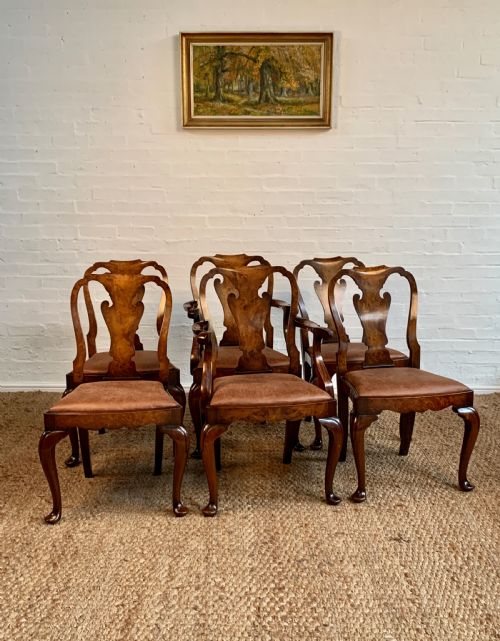
Sets range from modest pairs up to large dining groups of ten or fourteen items, including both side chairs and matching armchairs. The forms draw on George II, Queen Anne, and Chippendale designs, utilising timber frames combined with leather, fabric, or upholstered seats.
How They Were Made
Cabinetmakers constructed these frames using dense hardwoods, predominantly mahogany, walnut, burr walnut, red walnut, and oak, occasionally incorporating elm or fruitwood. Timber selection dictated both the structural integrity and the grain pattern visible across the curved splats and uprights.
Joinery techniques united solid wood frames with drop-in or fixed seats finished in leather, fabric, or modern upholstery. Black lacquer finishes and carved ornamentation appear on select examples from both the 18th century and later revival periods.
The selection includes individual armchairs, pairs of side chairs, and matched dining sets up to fourteen pieces strong.
What Varies In Quality
The distinction between ordinary and superior examples lies in the fluidity of the carved splat profile and the selection of timber veneers. Walnut and burr walnut versions often display highly figured grain, while mahogany frames showcase crispness in the edge moulding and joinery.
Completeness of a set alters the character of the grouping, as matched large sets command different attention compared to assembled pairs or single armchairs. The integration of period frames with subsequent upholstery work also shapes how the seating presents in a modern interior.
The Vasiform Splat Dining Chairs Glossary
- Vasiform splat
- The central vertical piece of wood in a chair back shaped like a classical vase. This contoured element supports the sitter's spine while defining the stylistic profile of the chair.
- George II
- An 18th-century design period associated with robust proportions, carved cabriole legs, and polished walnut or mahogany surfaces. Furniture from this era established many classic dining chair forms.
- Queen Anne style
- A design vocabulary characterised by curved lines, pad feet, and spooned backs that gently cradle the body. Revival pieces from the 19th and 20th centuries frequently replicated these silhouettes.
- Burr walnut
- A specialised wood cut from walnut tree growths that yields intricate, swirling grain patterns. Cabinetmakers utilised these veneers on prominent surfaces like chair backs to create rich visual texture.
- Side chair
- An upright chair built without arms designed specifically for use around a dining table. These pieces complement larger armchairs placed at the heads of the table.
Vasiform Splat Dining Chairs: Frequently Asked Questions
How do I date a set?
Dating relies on timber characteristics, joinery methods, and the specific styling of the splat and legs. Eighteenth-century pieces show hand-cut joinery and period timber patination, whereas 20th-century revival items often exhibit standardised manufacturing marks.
Comparing the secondary woods beneath the seat and the wear patterns on the feet helps confirm whether a chair belongs to the Georgian era or a later 1900s interpretation.
Can I mix armchairs and side chairs?
Mixing armchairs with side chairs follows traditional dining arrangements where carvers sat at the table ends and side chairs filled the sides. Many historical sets were assembled in precisely this manner to accommodate guests.
When combining pieces, matching the timber species and the outline of the vasiform splat creates visual continuity around the dining room table.
Are these chairs comfortable for daily dining?
These chairs provide upright support suited to formal dining, with sculpted backs designed to align with the posture. The curved wooden splat offers lumbar support when the seat is properly cushioned.
Many examples feature upholstered drop-in pads that can be recovered in modern fabrics to suit contemporary comfort preferences while retaining the historic timber frame.
What is red walnut?
Red walnut refers to specific variations of American or European walnut timber noted for a warm, reddish-brown hue. This material was utilised by 18th-century cabinetmakers for dining chair frames.
Over centuries of polishing and exposure to light, this timber develops a distinct patina that distinguishes it from standard mahogany or oak.