


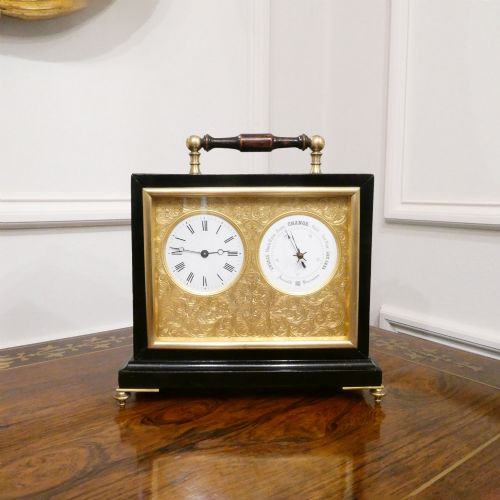
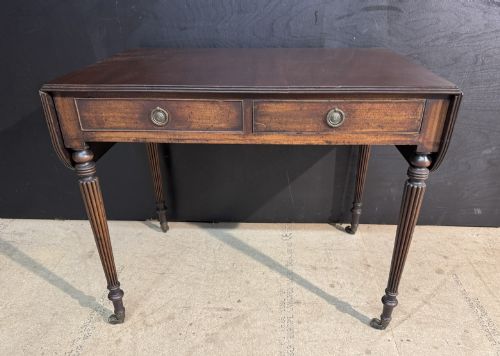
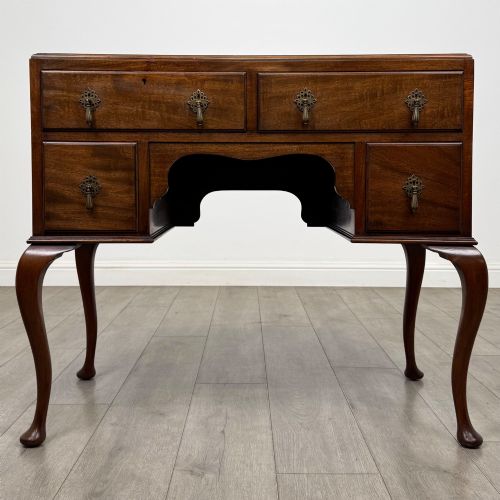
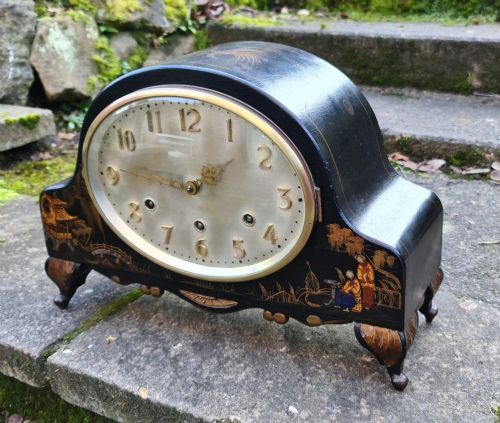
Edwardian Style Desk
An edwardian style desk brings refined practicality to a room, offering elegant proportions alongside practical surface space for daily writing.
Edwardian Style Desk
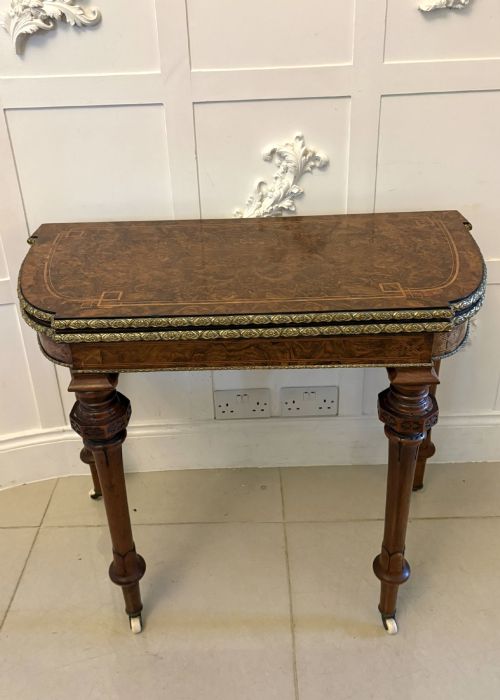
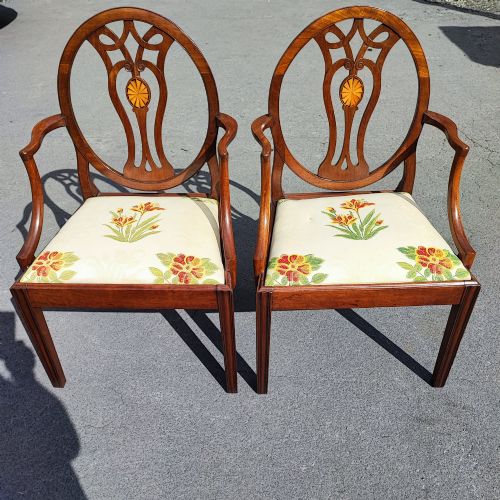
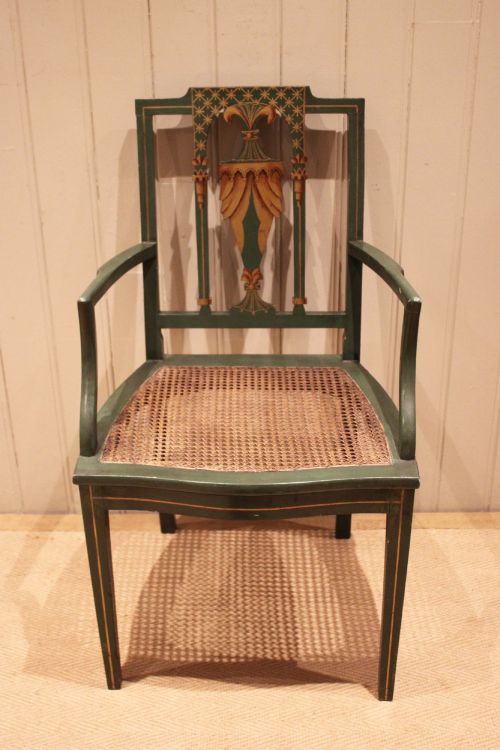
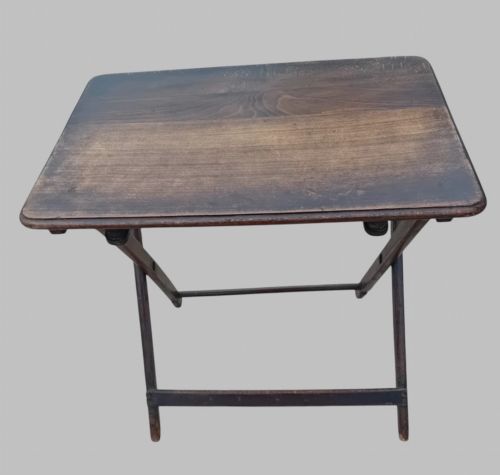
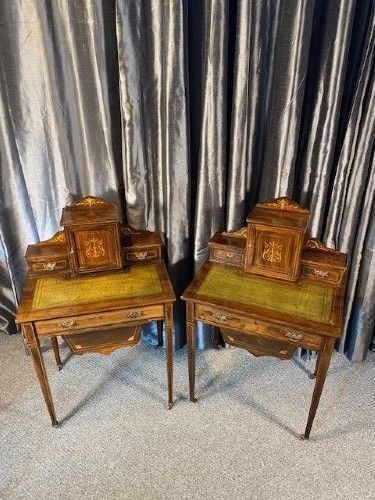
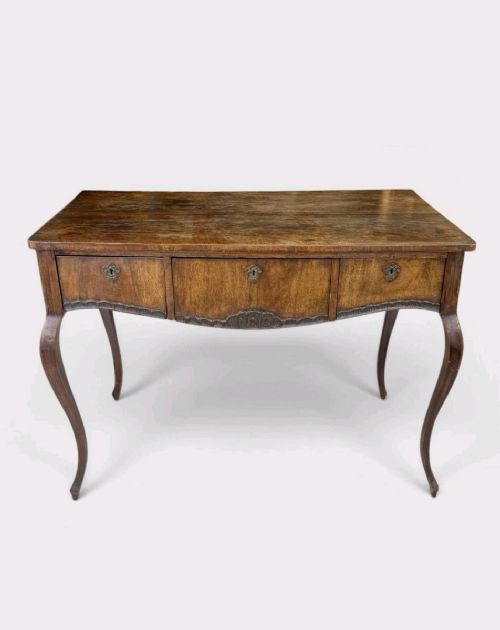
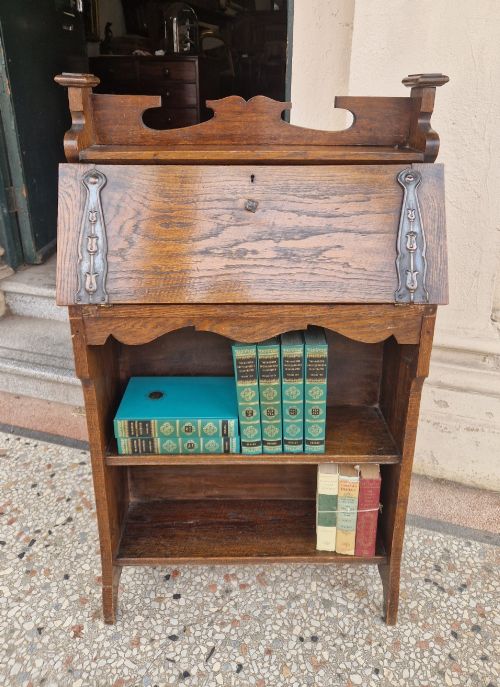
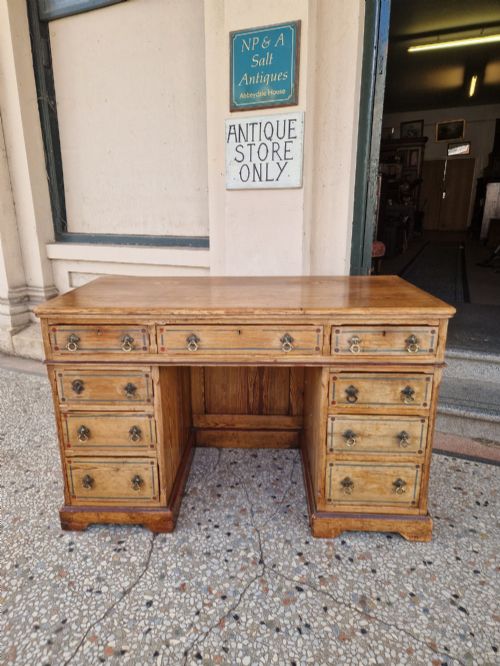
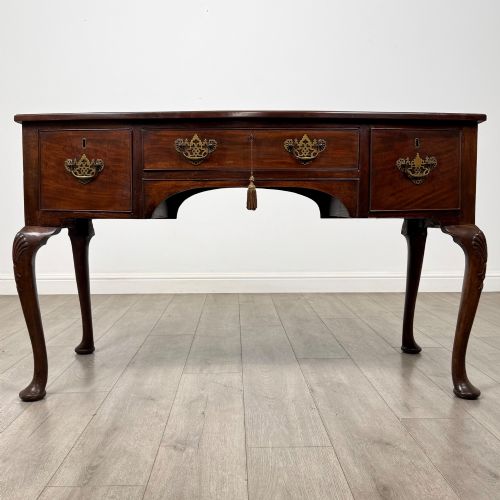
When searching for an edwardian style desk, buyers encounter compact writing tables, fall-front bureaux, and substantial twin pedestal pieces designed for domestic studies. The selection spans straightforward mahogany writing tables alongside elaborate Carlton House formats and satinwood pieces reflecting earlier revivals.
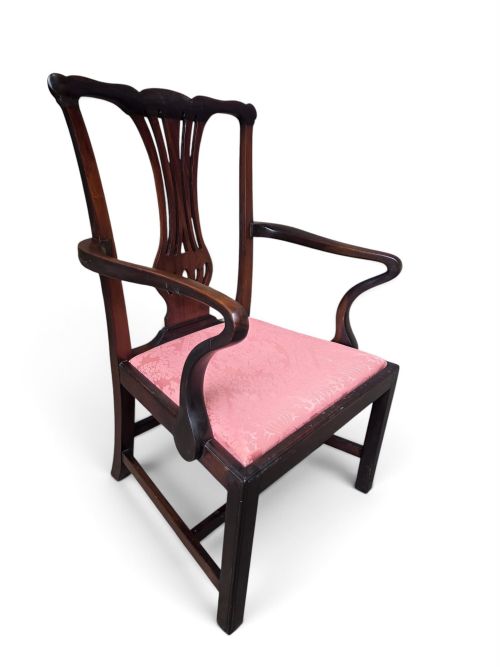
Most examples originate from the early twentieth century, drawing heavily on Georgian, Sheraton, and Chippendale design vocabulary. These pieces combine domestic utility with decorative cabinet-making traditions typical of the period.
The assortment on this page bridges functional writing furniture and decorative antique furnishings, reflecting the varied workspace requirements of early twentieth-century homes.
Materials and construction methods
Cabinet-makers relied primarily on solid mahogany, walnut, and oak as structural timbers, frequently selecting figured veneers for drawer fronts and tabletops. Secondary woods such as beech or pine appear in internal framing and drawer linings.
Surface decoration frequently incorporated intricate stringing, marquetry inlay in satinwood or boxwood, and polished leather writing inserts. Brass handles, escutcheons, and occasional ormolu mounts complete the hardware details across these pieces.
Edwardian Style Desk Retail Price Guide 2026
Typical asking prices for edwardian style desk among the pieces listed under this phrase on Sellingantiques today, from the lower quarter to the upper quarter. They describe what is for sale here now, not the wider market.
Listings feature mahogany, walnut, and oak constructions, incorporating styles from the Georgian, Sheraton, and Arts and Crafts periods.
Distinctions in craftsmanship
Quality rests on timber selection and the precision of cabinet-making, distinguishing finely figured veneer matching and hand-cut dovetail joints from simpler construction. Superior pieces maintain crispness in applied carving, flush-fitting drawers, and balanced proportions across all elevations.
Makers' marks or stamps elevate the standing of a desk, while secondary details such as original tooled leather inserts, matching brassware, and well-preserved polished finishes indicate higher workshop standards.
S & H Jewell of London·Wylie & Lochhead Glasgow
The Edwardian Style Desk Glossary
- Pedestal desk
- A freestanding office desk featuring two supporting banks of drawers beneath the work surface. These large pieces provide substantial storage capacity.
- Bureau
- A desk featuring a sloping writing flap that opens to reveal internal compartments and pigeonholes. Edwardian iterations frequently stand on slender cabriole or square tapered legs.
- Carlton House desk
- A form of writing table characterised by a curved superstructure of small drawers and compartments fitted around the rear and sides of the writing surface. This sophisticated layout originated in the late eighteenth century.
- Marquetry
- Decorative woodwork where pieces of veneer are applied to a structure to form pictorial patterns or geometric designs. Craftsmen utilise contrasting timbers to achieve tonal variation.
- Stringing
- Thin inlaid lines of contrasting wood used to outline drawer fronts, tabletops, and borders. This decorative technique accentuates the rectilinear geometry of the furniture.
Edwardian Style Desk: Frequently Asked Questions
How do I identify an Edwardian desk?
Edwardian desks are typically characterised by lighter proportions and timber choices such as mahogany, walnut, and satinwood, often decorated with Sheraton or Chippendale revival motifs.
They bridge late nineteenth-century Victorian mass production and early twentieth-century craftsmanship, frequently combining historic revival styles with practical domestic sizing.
Are these desks suitable for daily use?
Most Edwardian writing furniture accommodates contemporary working habits, providing adequate surface depth and sturdy construction for daily tasks.
Their varied configurations, ranging from compact ladies' writing tables to large pedestal desks, allow them to fit different room dimensions and functional needs.
How should I care for a walnut desk?
Walnut furniture benefits from stable indoor humidity levels away from direct heat sources and strong sunlight to prevent timber splitting and veneer lifting.
Routine maintenance requires only gentle dusting with a dry cloth and occasional application of appropriate furniture wax to preserve the polished finish.