


Edwardian Style Cane Chairs
Edwardian style cane chairs bring lightness and intricate natural weaving to rooms, offering both period charm and comfortable seating.
Edwardian Style Cane Chairs
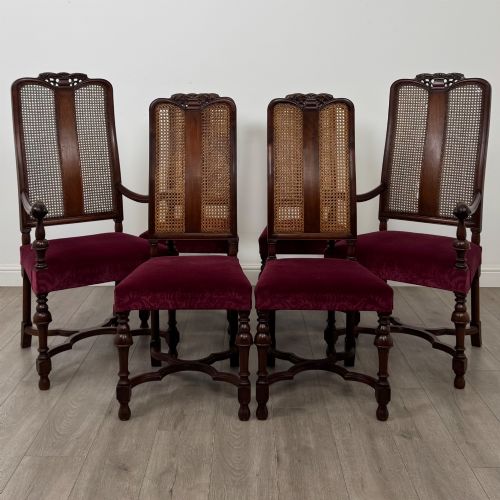
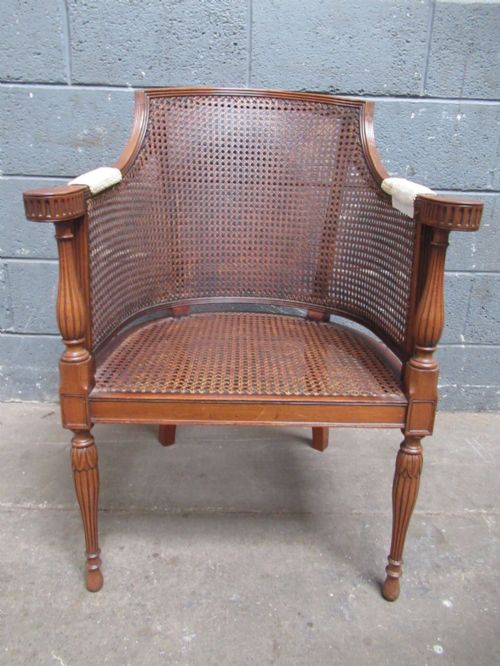
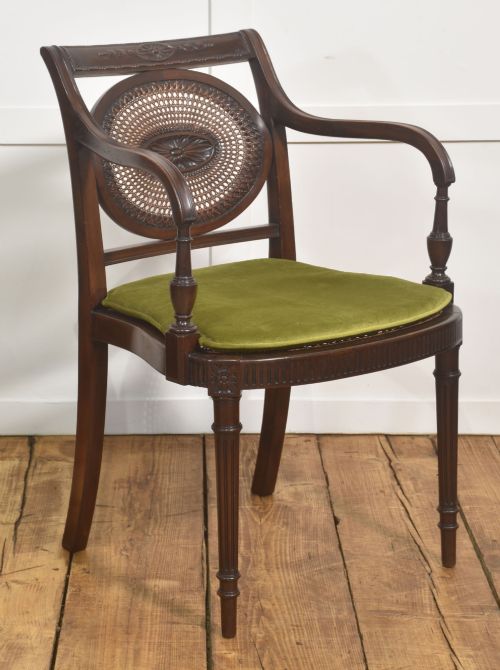
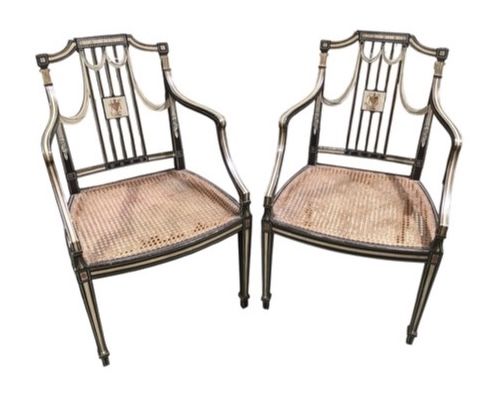
When you search for edwardian style cane chairs, you encounter seating that blends light wooden frames with woven plant material. The selection spans armchairs, library chairs, and dining sets drawn from various periods.
Most pieces date from the early twentieth century or reflect revivals of earlier classical aesthetics. You will find forms ranging from simple bedroom chairs to substantial library armchairs with padded cushions.
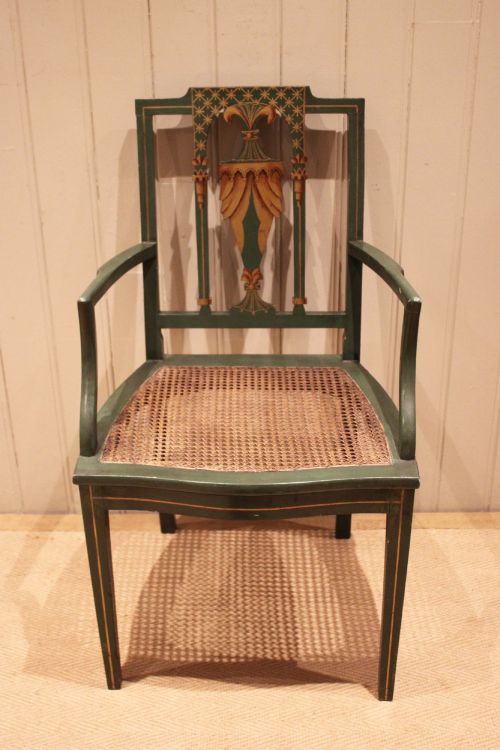
Makers often drew inspiration from Sheraton, Regency, and Hepplewhite designs while applying twentieth-century manufacturing techniques. This creates a versatile category of seating suited to both traditional and modern interiors.
How they were made
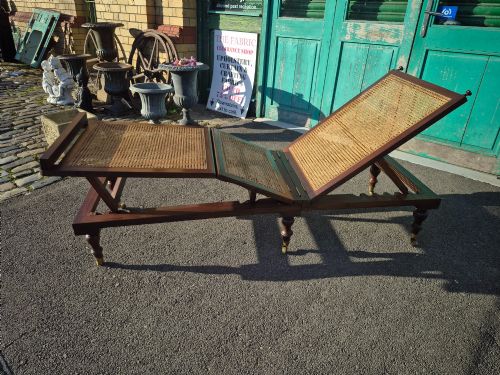
The primary woods utilised in these frames include mahogany and walnut, alongside occasional oak, satinwood, and painted finishes. Artisans shaped these timbers into tub chairs, high backs, and reclining forms.
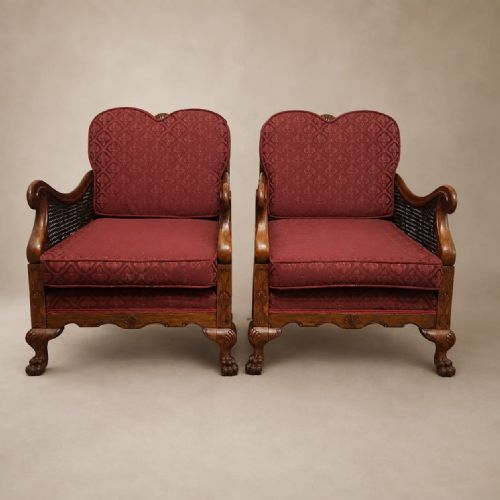
Cane panels are hand-woven through holes pierced in the wooden frames, providing a resilient yet flexible surface. Many larger armchairs incorporate squab cushions covered in velvet, leather, or fabric for added comfort.
Children also enjoyed the trend, with miniature bentwood rocking chairs fitted with tiny cane seats.
What varies in quality
Quality rests primarily on the tightness and regularity of the cane weaving across the seat or back panel. Tightly woven panels distribute weight evenly and endure decades of daily use without sagging.
The choice of timber and the crispness of frame carvings also determine the grade of the piece. Solid walnut and mahogany frames with refined inlay show superior craftsmanship compared to simpler painted or bentwood variants.
The Edwardian Style Cane Chairs Glossary
- Cane
- Woven material made from the peeled bark of rattan palm. It provides a lightweight and breathable surface for seats and backs.
- Satinwood
- A durable hardwood with a natural golden sheen often used for fine inlay work. It appears on decorative painted furniture.
- Bentwood
- Wood heated with steam and bent into curved shapes. This technique produced lightweight rocking and children's chairs.
Edwardian Style Cane Chairs: Frequently Asked Questions
How do I clean cane seats?
Wipe the cane gently with a damp cloth and mild soap to remove dust. Avoid soaking the material to prevent the natural fibres from becoming brittle.
Allow the cane to dry completely in a well-ventilated room before using the chair again.
Can I reupholster a bergere chair?
Loose cushions on these chairs can be recovered easily to match your interior decor. The fixed upholstered portions require professional skill to preserve the surrounding cane work.
Consult a specialist upholsterer if the internal padding or fabric lining needs total replacement.
Are these chairs suitable for daily use?
Most sturdy library and dining chairs handle regular seating comfortably. Lighter bedroom chairs and delicate painted pieces suit occasional sitting better.
Distribute weight evenly and avoid kneeling on the woven panels to protect the cane from snapping.
How do I date a cane chair?
Examine the timber species, joinery methods, and overall styling cues to estimate the period. Revival pieces often mimic eighteenth-century designs using early twentieth-century construction techniques.
Check beneath the seat frame for maker stamps, retailer labels, or tool marks that indicate the era.