


Edwardian Sterling Silver Inkstand
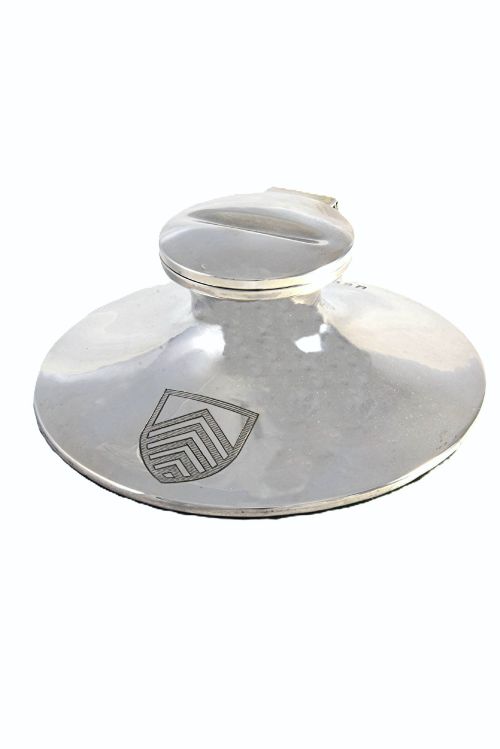
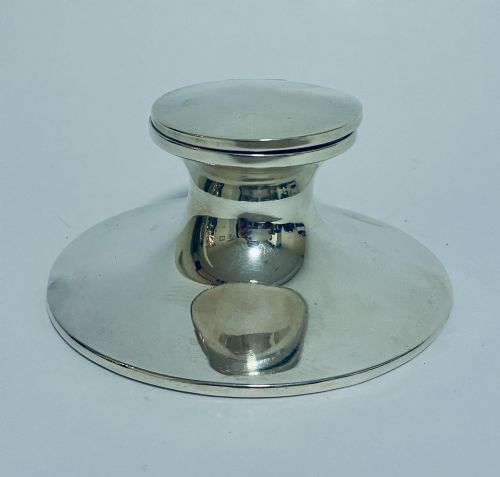
An edwardian sterling silver inkstand is a handsome desk accessory designed for correspondence, combining fine metalwork with glass.
Edwardian Sterling Silver Inkstand
When you search for an edwardian sterling silver inkstand, you find desk accessories and inkwells primarily from the Edwardian period alongside pieces from the Victorian era and the early twentieth century. These items range from simple circular or square capstan shapes to elaborate stands incorporating chambersticks, pocket watches, and clocks.
The most common version you meet on this page is the capstan inkwell, shaped like a ship's wooden barrel for rope, executed in solid sterling silver. Larger double inkstands and square models also appear, often featuring cut glass bottles or enamel medallions alongside the silver body.
Materials and Craftsmanship
Silversmiths constructed these pieces using solid sterling silver, shaping the metal into capstan, bell, and square forms before submitting them to assay offices in London, Birmingham, Chester, and Manchester for hallmarks. Many examples incorporate heavy glass or cut glass inserts to hold the liquid ink securely within the silver housing.
Decorative techniques include guilloche enamel floral medallions set into the silver lids, alongside fitted pocket watches or clocks mounted directly into the desk accessories. Some stands feature distinct cast elements such as dolphin feet to elevate the silver tray.
Object forms span simple inkwells and pocket watches to large double inkstands with chambersticks.
Distinctions in Quality
The weight and gauge of the sterling silver separate substantial desk pieces from lighter items, with heavier examples providing greater stability during use. Craftsmanship is visible in the crispness of the hallmarks, the precision of the turning on capstan models, and the clarity of the cut glass bottles.
Complexity of form also dictates the tier of the piece, moving from standard single inkwells to large stands fitted with clocks, pocket watches, chambersticks, or intricate guilloche enamel work.
Asprey·Peter Henderson Deere
The Edwardian Sterling Silver Inkstand Glossary
- Capstan inkwell
- An inkwell shaped like a naval capstan, tapering inward from a wide base to a narrower top where the hinged lid sits. This design provides a wide, stable footprint that prevents tipping on a writing desk.
- Guilloche enamel
- A decorative technique where intricate geometric patterns are engraved into the silver and covered with translucent coloured enamel. This adds rich colour and texture to the surface of the lid or medallion.
- Hallmark
- A series of official marks stamped on precious metals indicating the standard of purity, the assay office, and the date letter. These marks allow collectors to verify the exact origin and year of manufacture.
- Cut glass
- Glass decorated by cutting facets or patterns into the surface using a rotating wheel. It provides weight and sparkle when used for the internal ink bottles of a stand.
- Chamberstick
- A short portable candlestick fitted with a pan to catch drips, occasionally integrated directly into a desk inkstand. It provided wax for sealing letters before the widespread use of envelopes.
Edwardian Sterling Silver Inkstand: Frequently Asked Questions
How do I clean sterling silver inkstands?
Silver inkstands require gentle cleaning with a soft microfibre cloth and a specialist silver polish to remove tarnish without harming the metal. Care should be taken around any enamel work, glass inserts, or fitted clocks.
Residue from old ink inside the glass bottles is best cleared using warm water and a bottle brush, avoiding harsh abrasives that might scratch the interior.
Did these stands always include watches?
While most inkstands and inkwells contained only glass ink bottles, some Edwardian examples incorporated pocket watches or small clocks directly into the silver design. These multifunction desk accessories allowed writers to check the time while managing their correspondence.
Such pieces represent a more elaborate tier of desk ornamentation produced during the early twentieth century.
How do I identify an Edwardian silver piece?
Edwardian silver is identified primarily through the official hallmarks stamped into the metal by assay offices such as London or Birmingham. These marks include a date letter corresponding to the reign of King Edward VII between 1901 and 1910, or slightly later into the 1910s.
Stylistic cues such as clean lines, substantial weight, and occasional influences from the Arts and Crafts or early Art Deco movements also help date the object.