


Silver Novelty Desk Inkwell
These silver novelty desk inkwells combine utilitarian function with inventive design, capturing the Victorian and Edwardian taste for playful desktop pieces.
Silver Novelty Desk Inkwell
A silver novelty desk inkwell is a functional desk accessory shaped into an unexpected form, ranging from animals to everyday objects. When you search for this phrase, you encounter pieces designed to amuse as much as to hold ink.
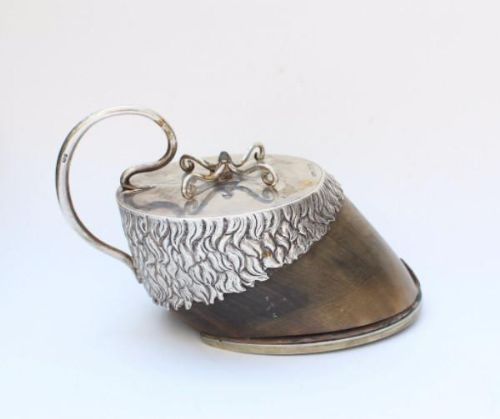
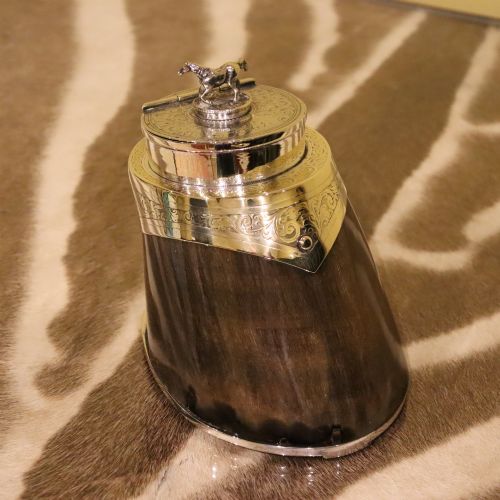
The selections span the Victorian and Edwardian periods, taking forms such as owls with glass eyes, bells, pen nibs, and cornucopias. Animal forms feature prominently, notably horse and pony hooves mounted with silver.
You also meet desk tidies and capstan inkwells combined with pocket watches, alongside silver plated horn vessels. These items originate primarily from the nineteenth and early twentieth centuries.
How they were made
Maker utilisation relies on sterling silver, silver plate, and brass for the structural mounts and collars. Glass inserts hold the ink securely within these metal housings.
Organic materials such as animal horn and horse hoof are integrated into the construction, reflecting taxidermy and equestrian interests of the period. Detailed craftsmanship is evident in the mounting of silver onto hoof and horn.
Hinged lids and fitted compartments demonstrate precise metalworking techniques required to seal the ink wells effectively.
Several pieces utilise actual horse hooves mounted in silver, letting you write your letters accompanied by the spirit of a Victorian pony.
What varies in quality
Quality rests upon the sculptural conviction of the form and the weight of the metal utilised. Pieces executed in solid sterling silver demonstrate a greater substance than those finished in silver plate.
The refinement of the taxidermy and the expressiveness of details like glass eyes separate standard items from superior works. Fully marked silver mounts with clear assay details add tangible authority to a piece.
The Silver Novelty Desk Inkwell Glossary
- Capstan inkwell
- An inkwell shaped like a naval capstan, featuring a wide base tapering upwards to a flat top. This form provides stability on a desk surface.
- Desk tidy
- A combined desk accessory holding multiple items such as ink wells, pen wipes, and paperweights. These pieces organise writing equipment in one central container.
- Silver plate
- A base metal coated with a thin layer of silver. This technique offered the appearance of solid silver at a lower cost during the nineteenth century.
- Sterling silver
- An alloy consisting of silver and other metals, typically copper, standardised for purity. British pieces often bear hallmarks indicating this standard.
- Taxidermy
- The art of preparing and mounting animal skins or parts. In desk accessories, this appears most frequently in the use of horse hooves.
Silver Novelty Desk Inkwell: Frequently Asked Questions
What materials were used for these inkwells?
Makers employed sterling silver, silver plate, brass, and glass alongside organic materials like horse hoof and horn.
Metal components were often hallmarked, while animal parts were carefully mounted to serve as durable desk containers.
How do I date a silver novelty inkwell?
Dating relies on hallmarks stamped onto the silver mounts, which indicate the assay office and year of manufacture.
Stylistic cues such as Victorian ornamentation or Edwardian proportions also help place the object within its period.
Were these items meant for daily use?
These inkwells served practical functions on writing desks in homes and offices during the nineteenth and early twentieth centuries.
Their whimsical designs simultaneously provided a conversation piece for the owner and guests.
Why are animal hooves common in these designs?
Equestrian themes held immense popularity during the Victorian and Edwardian eras, inspiring the use of actual horse and pony hooves.
Silver mounts transformed these organic elements into sophisticated desk accessories.
What is a bell inkwell?
A bell inkwell incorporates a functioning desk bell into the mechanism or shape of the ink container.
This dual-purpose design allowed writers to summon servants or keep time while tending to correspondence.