

Edwardian Sterling Silver Fob
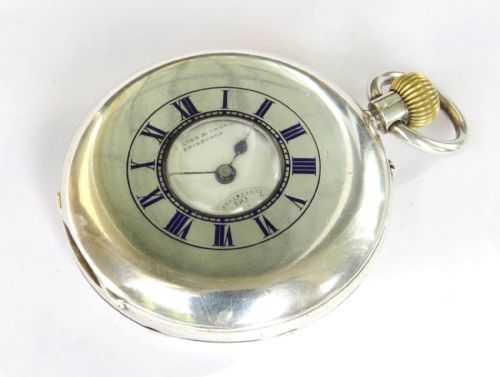
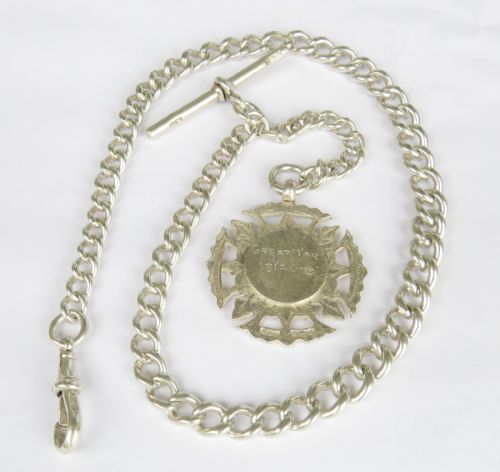
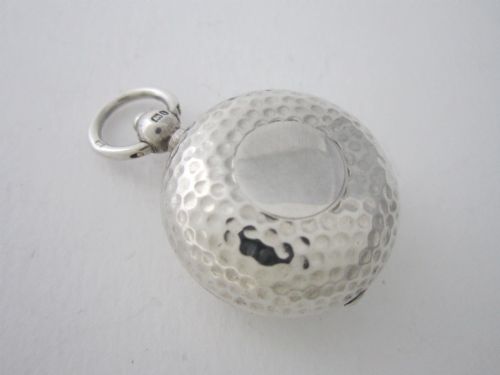
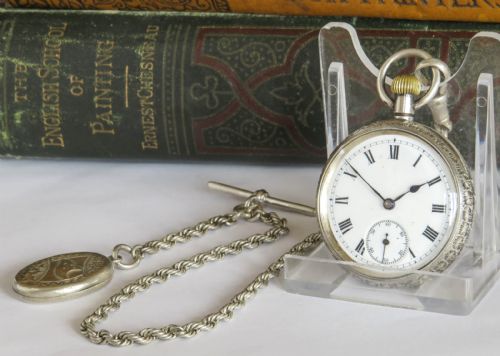
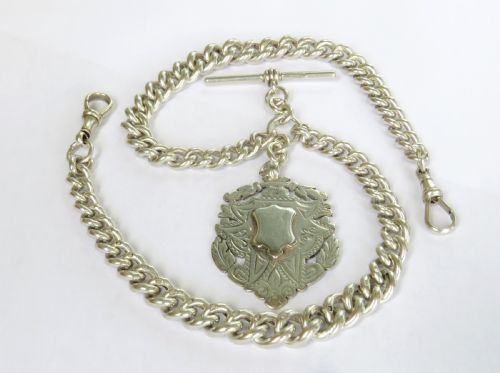
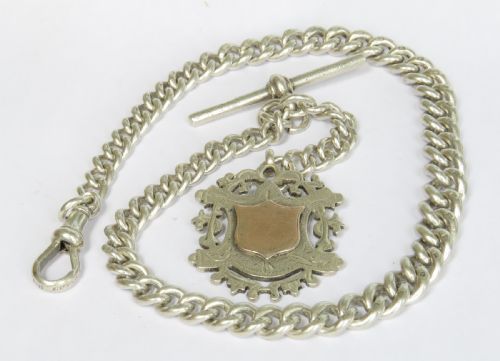
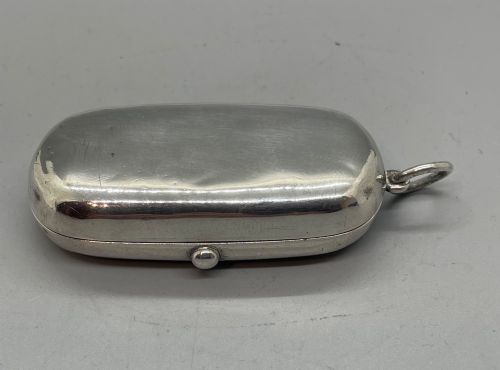
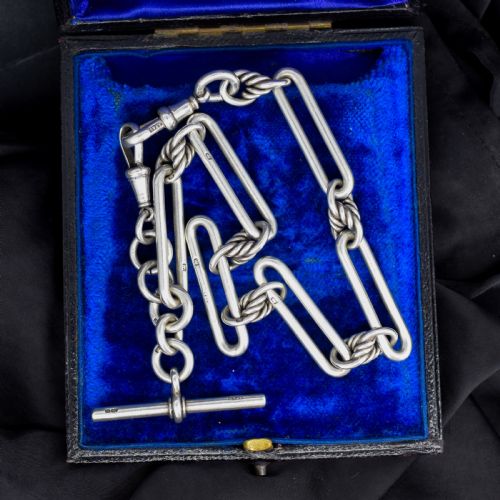
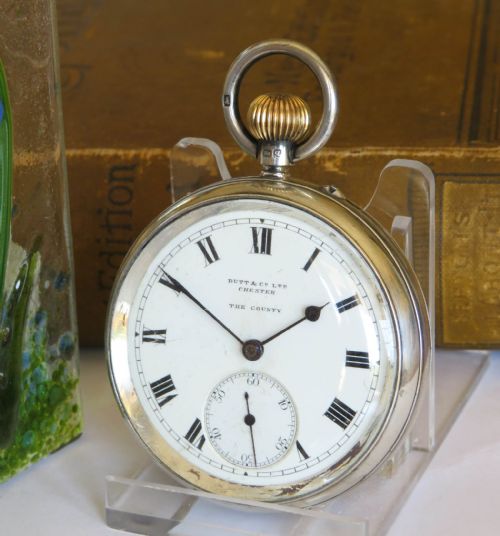
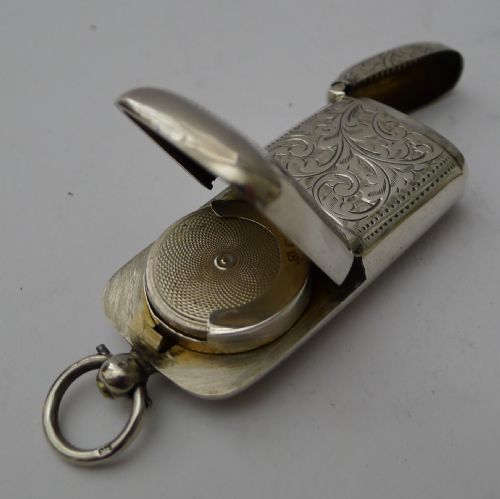
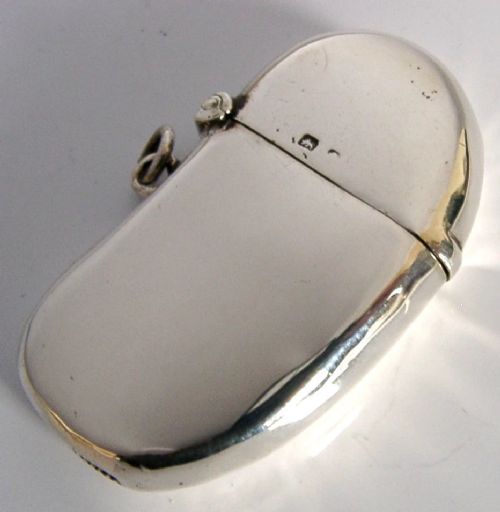
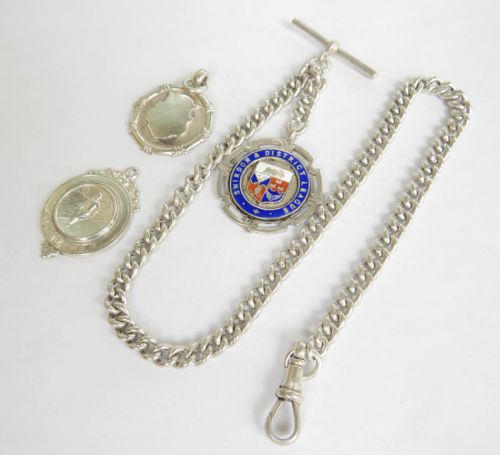
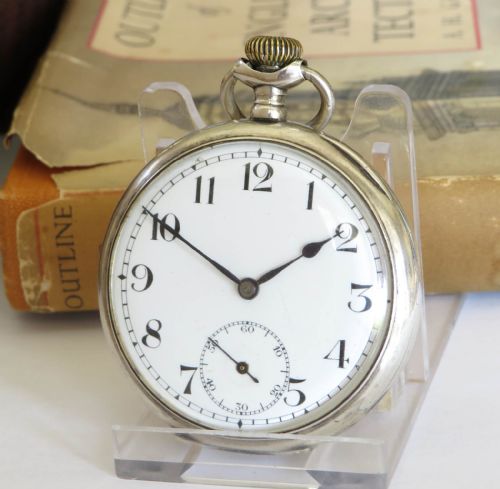
These edwardian sterling silver fob pieces include sovereign cases, pocket watch chains and vestas designed to accompany pocket watches.
Edwardian Sterling Silver Fob
When you search for an edwardian sterling silver fob, you encounter small personal accessories worn alongside pocket watches, including watch chains with attached medals, seal fobs, and sovereign cases. The pieces span periods from the late Victorian era through the Edwardian years and into the reign of George V.
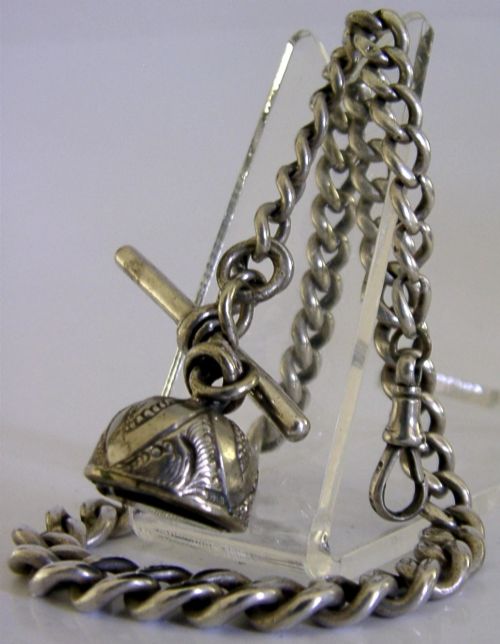
Most items you meet here take the form of albert chains, double sovereign cases, or kidney bean shaped vesta cases originating from assay offices in Birmingham and London. These objects reflect the everyday utility and ornamentation of their time, often incorporating swivel clips, T-bars, and love knot links.
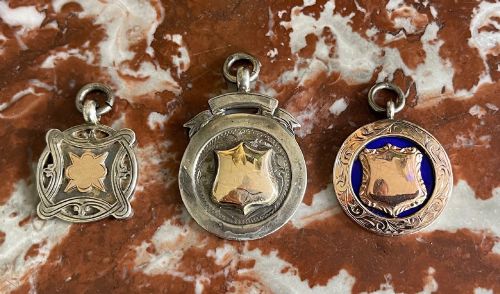
Beyond standard chains, the selection encompasses specialised items such as whistle pendants, stamp cases, and sporting award fobs associated with football and cricket. Collectors frequently find these pieces paired together as matching watch and chain sets.
Materials and construction
Makers constructed these accessories primarily from solid sterling silver, frequently incorporating gold accents, rose gold components, and coloured enamel highlights. Many items feature hallmarks stamped directly onto the metal to indicate the assay office, standard of silver, and year of manufacture.
Silversmiths utilised techniques such as link formation for curb and trombone watch chains, alongside hinged construction for double sovereign cases and book stamp cases. Details like dog clips, swivel seals, and whistle mechanisms required precision assembly by hand.
Listings feature items spanning the late Victorian period, the Edwardian era, and the reign of George V.
Assessing quality
The distinction between ordinary items and finer examples rests on the crispness of the hallmarks, the weight of the silver links, and the complexity of the design. Pieces featuring maker marks from known workshops or specific sporting and organisational engravings command greater attention.
Condition plays a central part, particularly the tightness of spring-loaded mechanisms in sovereign cases and vesta lids, and the original integrity of delicate elements like love knots and enamel surfaces.
Hamilton and Inches·Aaron Lufkin Dennison·Crisford and Norris·W and G Neal·Henry Charles Freeman
The Edwardian Sterling Silver Fob Glossary
- Albert chain
- A chain attached to a pocket watch, designed to be secured through a waistcoat buttonhole. Named after Prince Albert, these items often feature a T-bar at one end.
- Vesta case
- A small box used for carrying matches, fitted with a striker surface on the base. Many examples are curved to fit comfortably in a pocket.
- Sovereign case
- A small circular container engineered to hold gold sovereign coins securely. These cases frequently feature internal springs and double compartments.
- Dog clip
- A spring-loaded clasp used on watch chains to secure fobs and pendants. This mechanism allows the wearer to interchange charms easily.
- T-bar
- The crossbar component attached to the centre of an albert chain. It slips through a buttonhole to anchor the watch securely.
Edwardian Sterling Silver Fob: Frequently Asked Questions
How do you wear an albert chain?
An albert chain threads through a central waistcoat buttonhole, with the T-bar securing the position. The pocket watch sits in one pocket while the fob hangs from the front.
Shorter lengths suit single pocket setups, whereas double albert chains drape across both sides of the waistcoat.
What is the difference between a single and double sovereign case?
A single sovereign case holds one gold coin in a snug, spring-loaded compartment. A double case accommodates two coins, often featuring two separate spring-loaded lids.
Both types protect currency from wear while remaining portable in a pocket.
How can I date my silver watch chain?
English silver pieces feature hallmarks stamped onto the links, clips, and T-bars. These stamps indicate the assay office, the lion passant for sterling silver, and a specific date letter.
Comparing these marks against official assay office records reveals the exact year of manufacture.
What were seal fobs used for?
Seal fobs originally pressed into hot sealing wax to secure letters and documents. The base of the fob often featured engraved initials or family crests.
Over time, these pieces became purely decorative pendants hung from pocket watch chains.