
Edwardian Sterling Silver Caddy
When searching for an edwardian sterling silver caddy, you explore lidded silver vessels made to store dry leaf tea securely.

Edwardian Sterling Silver Caddy
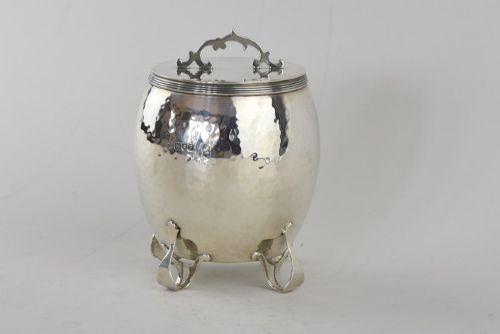
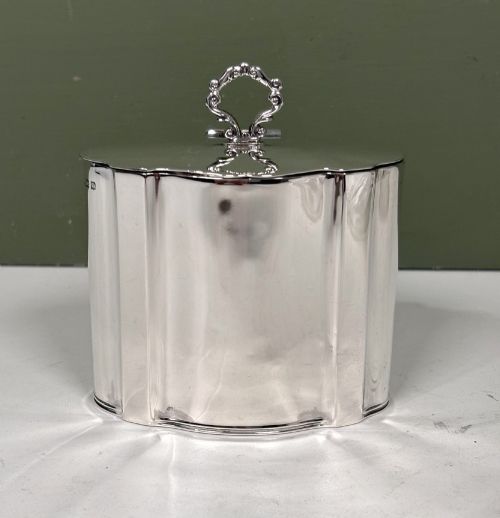
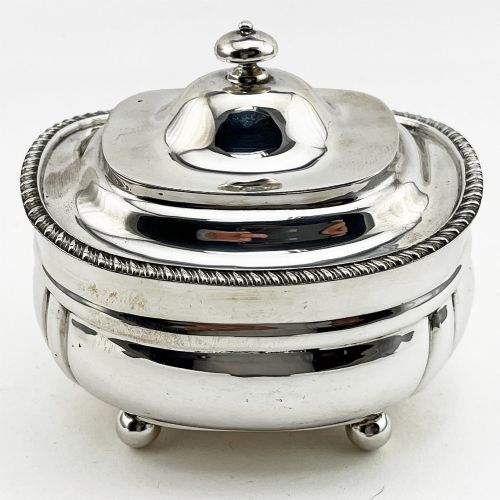
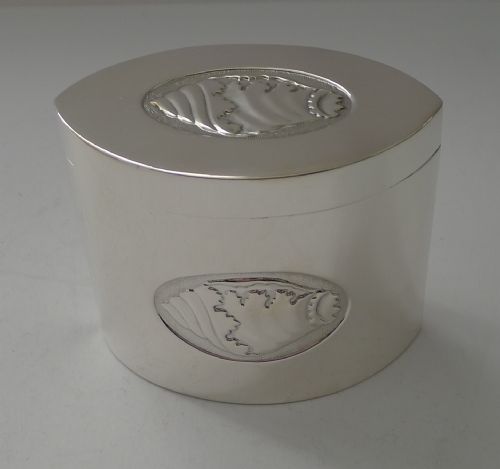
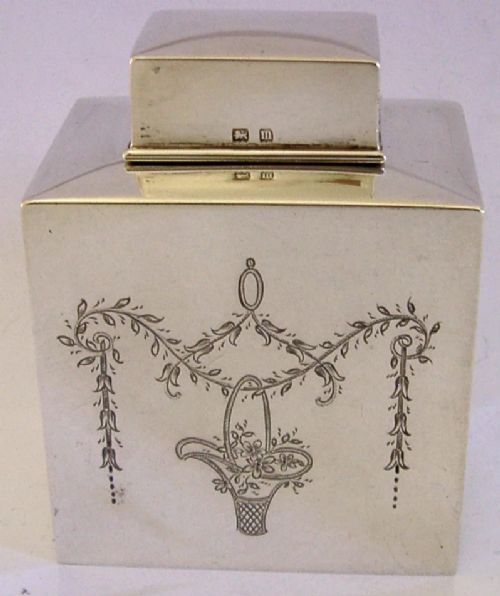
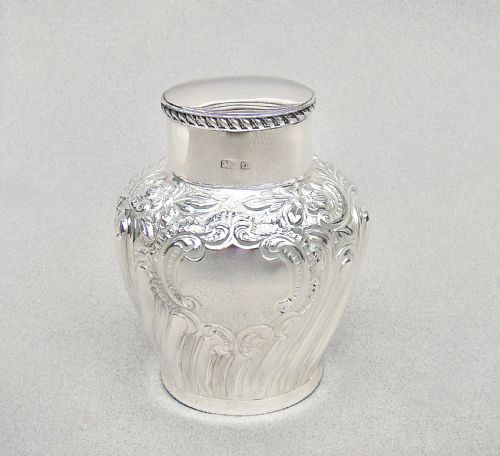
An edwardian sterling silver caddy is a lidded container shaped for holding tea leaves on the dining table or sideboard, commonly appearing from the early decades of the twentieth century alongside related tea wares. These vessels range from plain polished boxes to pieces decorated with fluted bodies, village scenes, or floral scrolls reflecting Victorian, Art Nouveau, and Arts and Crafts tastes.
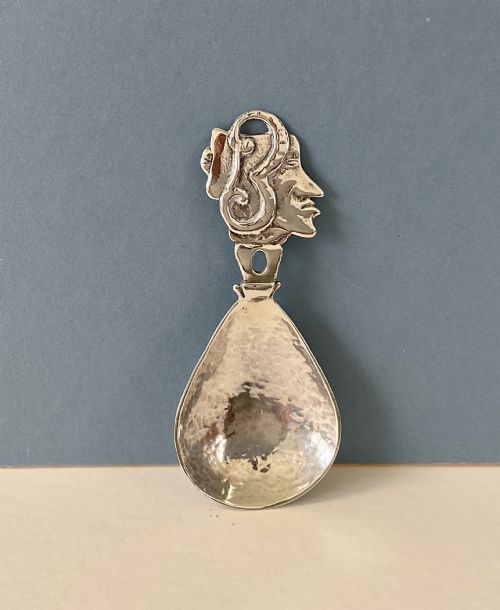
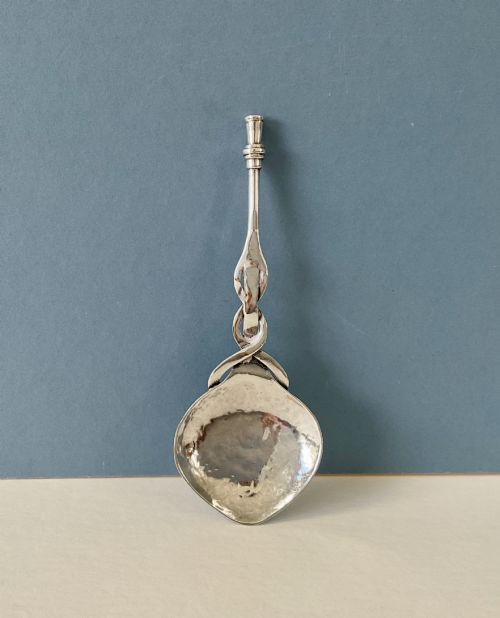
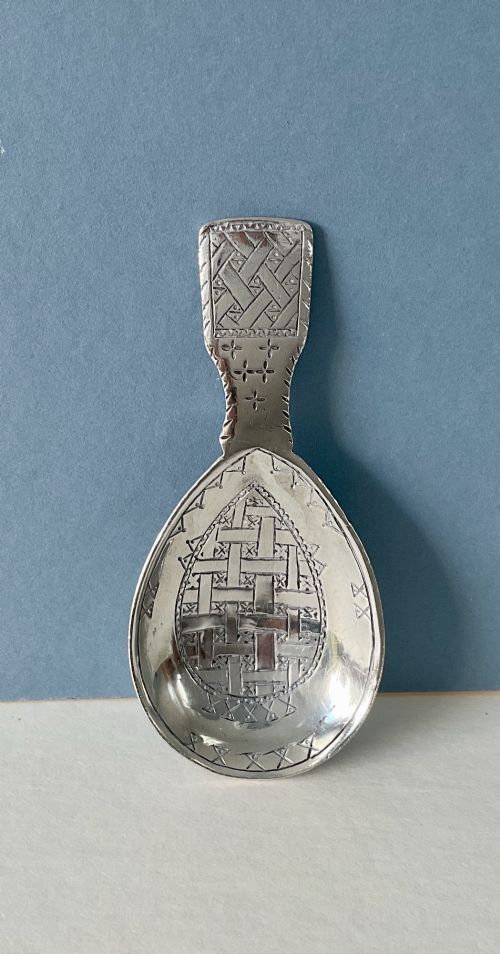
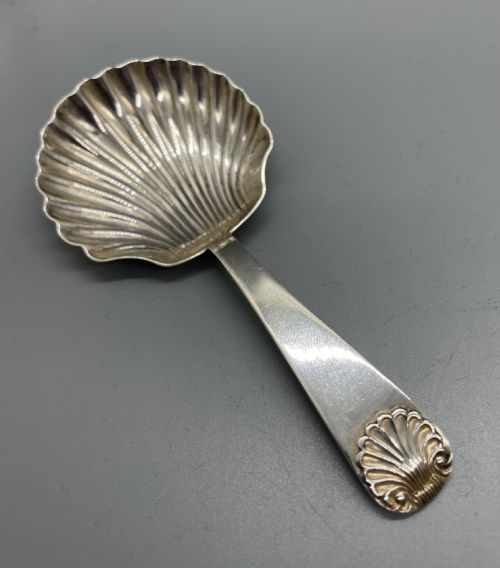
Most examples found on this page date from the Edwardian period and the reign of George V, often bearing hallmarks from London, Birmingham, Sheffield, or Chester silversmiths. Alongside traditional tea caddies, the selection includes associated objects such as caddy spoons, sugar boxes, and glass bodies mounted in solid silver.
How they were made
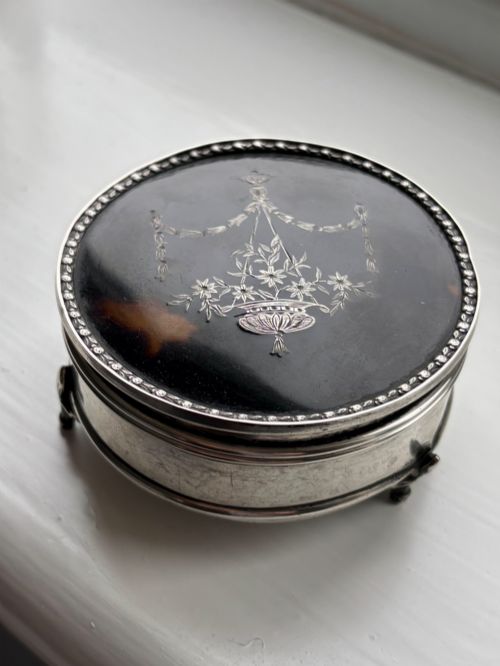
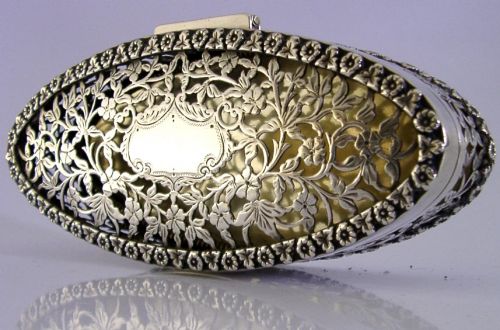
Silversmiths constructed these caddies using solid sterling silver, frequently employing techniques such as hammering, piercing, and embossing to create textured surfaces or decorative panels. Many pieces combine sterling silver with cut crystal or glass bodies, while others incorporate internal wooden linings or accents of ebony and faux tortoiseshell.
Makers shaped the metal by hand or through press-forming, finishing the surfaces with gilding on the interior or detailed floral engravings across the exterior walls. Hallmarks stamped directly into the metal record the assay office, city, and date of manufacture.
Edwardian Sterling Silver Caddy Retail Price Guide 2026
Typical asking prices for edwardian sterling silver caddy among the pieces listed under this phrase on Sellingantiques today, from the lower quarter to the upper quarter. They describe what is for sale here now, not the wider market.
Assay marks recorded on these pieces include offices in London, Birmingham, Sheffield, and Chester.
What varies in quality
The distinction between standard commercial production and finer work lies in the weight of the sterling silver and the crispness of the hand-chased or embossed detailing. Heavier gauge metal provides structural rigidity, ensuring the lid fits snugly onto the body without rocking on its hinge.
Makers known for exceptional retail output, such as specific silversmithing firms and specialist workshops, applied careful attention to interior gilding and decorative mounts. Pieces featuring complex chased scenes or integrated cut crystal show a higher degree of craftsmanship than plain, lightweight boxes.
Ollivant & Botsford·Charles Edwards·Thomas Hayes·William Hutton & Sons Ltd·William Neale·A & J Zimmerman Ltd·Goldsmiths and Silversmiths Co·Amy Sandheim·Oliver Barker·C.S. Harris & Sons Ltd
The Edwardian Sterling Silver Caddy Glossary
- Sterling silver
- A silver alloy containing 92.5 percent pure silver by weight, combined with other metals for durability. This standard is verified by official assay office hallmarks.
- Hallmark
- A set of official marks stamped on precious metal items indicating the maker, assay office, standard of purity, and year of manufacture.
- Chasing
- A metalworking technique where the silversmith punches and hammers designs into the front of the metal from the outside to create raised patterns.
- Caddy spoon
- A short-handled spoon specifically designed for measuring loose tea leaves from a caddy into a teapot.
- Piercing
- A technique involving cutting patterns through the sheet metal to create openwork designs, often seen on baskets and box galleries.
Edwardian Sterling Silver Caddy: Frequently Asked Questions
What is an edwardian sterling silver caddy?
An edwardian sterling silver caddy is a lidded container fashioned from solid silver to store loose tea leaves. These boxes kept valuable tea fresh and secure in the home.
They were produced by silversmiths during the early twentieth century, often featuring hallmarks that indicate the exact year and assay office of origin.
How were silver tea caddies used?
These caddies were kept in the dining room or drawing room to hold dry tea leaves before brewing. Servants or hosts used a small caddy spoon to measure the tea.
Because tea was a costly commodity, the caddies were fitted with secure lids and sometimes locks to prevent theft.
How do I date an edwardian silver caddy?
You date a caddy by examining the hallmarks stamped into the sterling silver. These marks typically include a date letter corresponding to a specific year at an assay office.
Stylistic clues like Art Nouveau curves or Arts and Crafts hammering also point toward the manufacturing decade.
How do I care for a silver caddy?
Silver caddies require gentle cleaning with a soft cloth to maintain the shine without wearing away fine engraved details or embossing. Avoid harsh chemical dips that strip away the natural patina.
Store them in dry environments away from direct sunlight to protect any internal wooden linings or glass elements.