
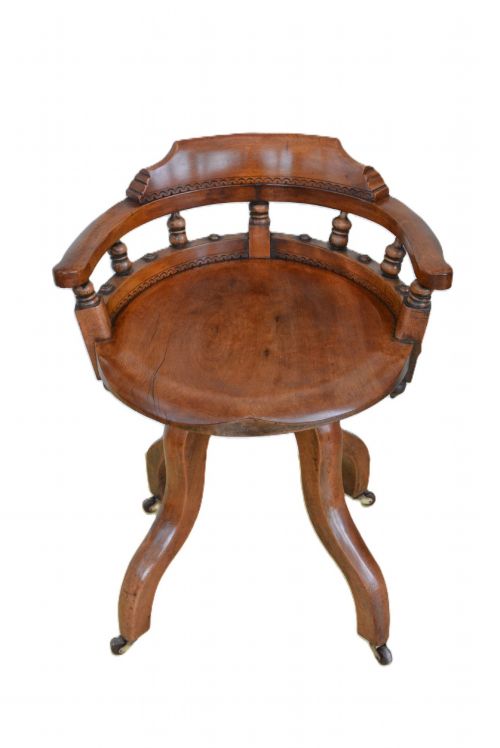
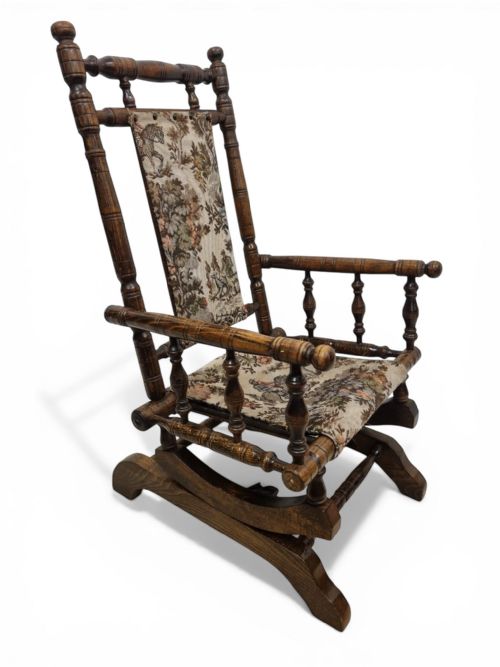


Edwardian Spindle Chair
When you search for an edwardian spindle chair, you are looking at light domestic seating built with turned uprights from the early twentieth century.
Edwardian Spindle Chair
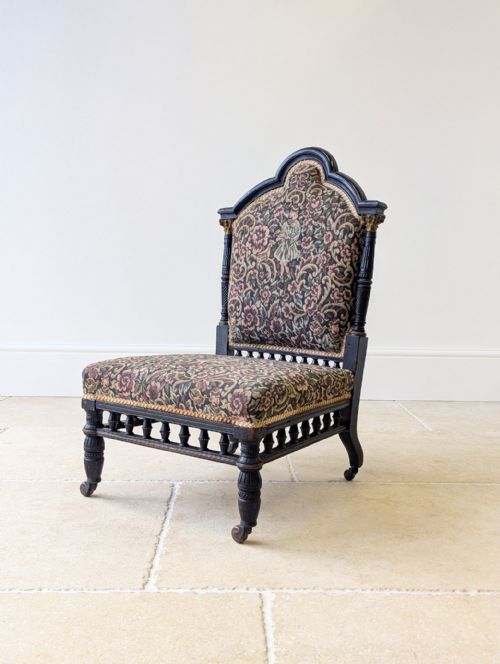
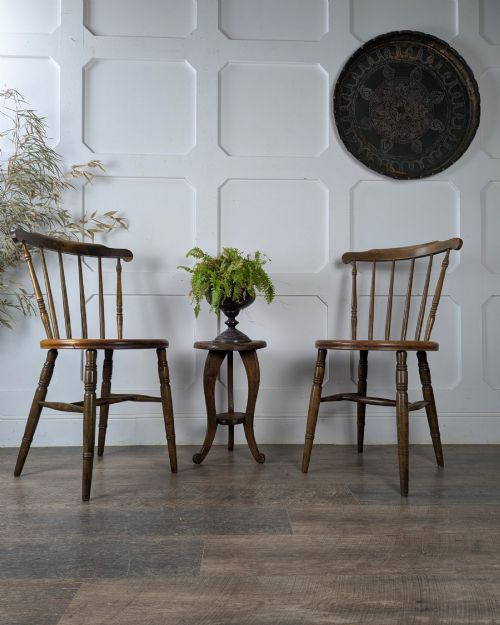
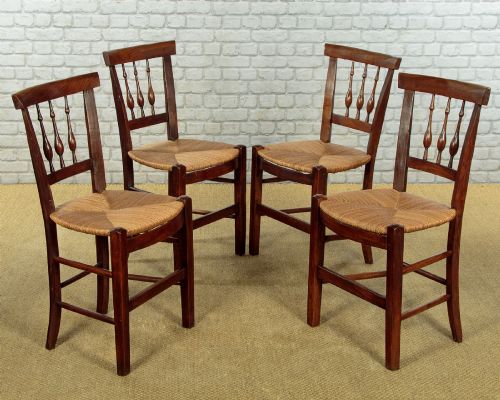
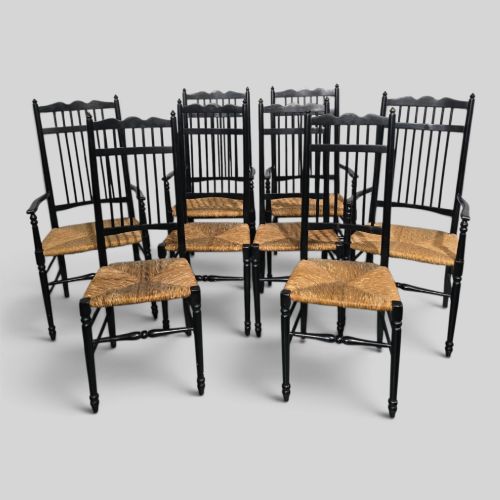
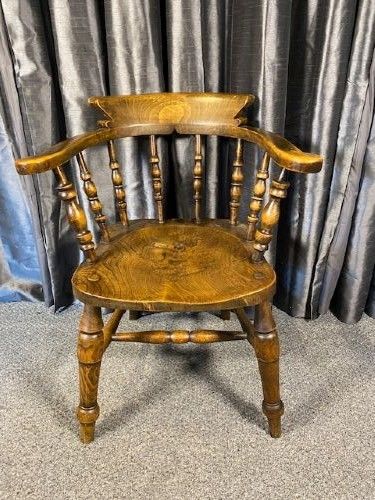
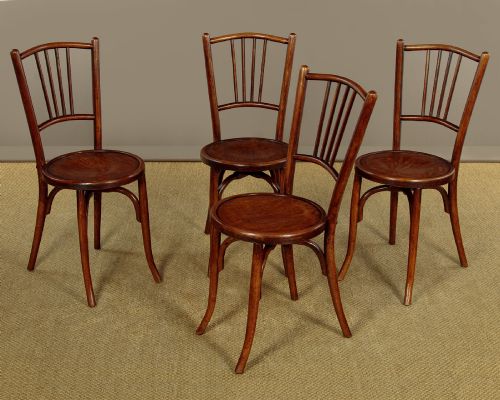
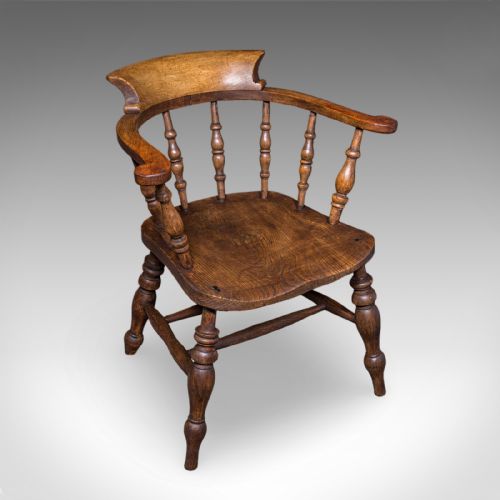
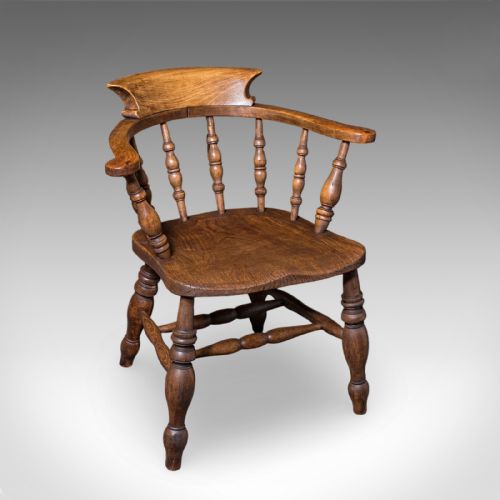
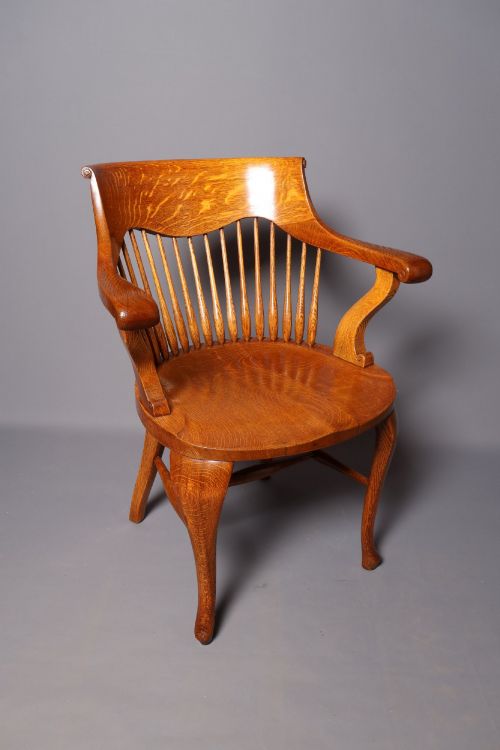
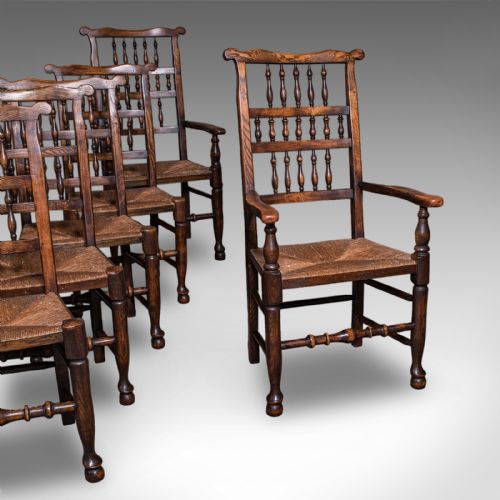
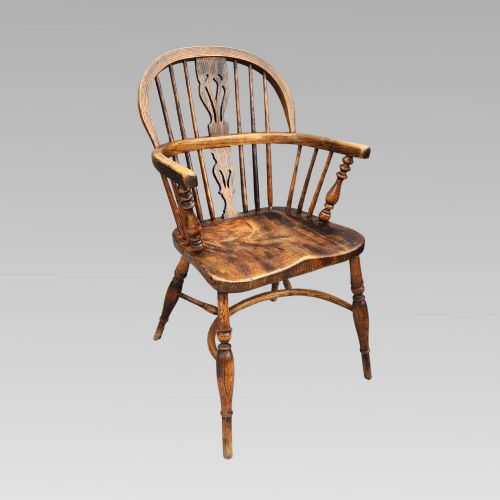
An edwardian spindle chair combines domestic comfort with slender turned vertical wooden members set into the backrest or frame. The pieces seen here span from dining sets and rocking chairs to office desk seating and occasional chairs.
The version most commonly encountered on this page originates from the early twentieth century, utilising regional English woods like beech and oak. These seats served everyday functions in country houses, kitchens, and studies.
Makers of the period adapted earlier Victorian and Arts and Crafts patterns into lighter forms. The resulting items range from rush-seated dining chairs to revolving library chairs with fitted spindle backs.
How they were made
Construction relies heavily on solid hardwoods, predominantly beech, oak, elm, and ash, shaped on lathes to form the characteristic vertical spindles. Joinery is typically pegged or dowelled to handle daily stress without heavy metal fastenings.
Seats are formed from solid timber blanks or woven from rush, occasionally receiving leather or fabric upholstery secured with brass tacks. Wood surfaces were finished with wax or polish to highlight the natural grain of oak and fruitwood.
Listings feature oak, beech, elm, and ash across Victorian and Edwardian periods.
What varies in quality
The distinction between standard utility seating and finer examples rests in the selection of timber and the crispness of the lathe turning. Heavier gauge woods and well-matched sets command greater appreciation than utilitarian replacements.
Structural integrity depends on the tightness of the joints where the slender spindles meet the rails. Chairs that retain their original finish and solid unwarped wooden seats represent the upper tier of surviving examples.
Liberty of London·Codina·Kendrick & Jefferson·Charles Bevan
The Edwardian Spindle Chair Glossary
- Spindle back
- A chair back constructed from a series of vertical turned wooden rods. This method provides sturdy support while keeping the overall frame visually light.
- Smoker's bow
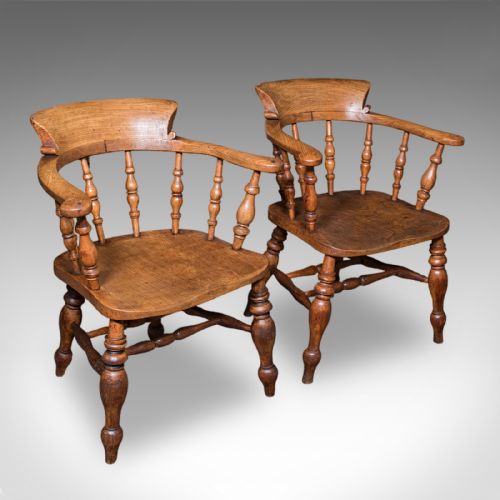
- A low sturdy wooden armchair with a rounded continuous arm rail supported by turned spindles. These were commonly used in offices, country houses, and smoking rooms.
- Rush seat
- A woven seating surface made from dried marsh grasses twisted into cords. It offers a resilient and flexible base for dining and occasional chairs.
- Swivel desk chair
- A revolving office seat often fitted with a central wooden screw mechanism. These frequently incorporate spindle backrests for ergonomic support during long periods of writing.
Edwardian Spindle Chair: Frequently Asked Questions
How do I care for an edwardian spindle chair?
Feed the timber periodically with a traditional beeswax polish to prevent the dry air of modern rooms from cracking the wood. Avoid placing the chair near direct heat sources which can shrink the joints and loosen the turned spindles.
Check the undercarriage and legs occasionally to ensure the dowels remain secure. Gentle dusting with a dry cloth is sufficient for routine maintenance.
Were these chairs used at desks or dining tables?
They served both purposes depending on the specific form and height of the underframe. Dining sets were produced in larger matched quantities while individual armchairs often served as library or desk seats.
Revolving versions with wooden bases were specifically engineered for office use. Stationary models with rush or wooden seats functioned equally well in studies and reception rooms.
How do I distinguish Edwardian pieces from Victorian ones?
Edwardian seating generally exhibits lighter proportions and less ornate carving than earlier Victorian counterparts. The wood tones tend towards brighter golden oaks and clean mahogany rather than the heavy ebonised finishes of the nineteenth century.
Craftsmen of the Edwardian era leaned towards simplified Arts and Crafts influences. This shift created cleaner lines and more functional domestic forms.
Are these chairs comfortable for daily use?
Their comfort depends on the specific seat design and whether the piece incorporates arms or upholstery. Solid elm or oak seats are firm, while versions with added leather pads or rush weaving offer more give.
Rocking and reclining variants provide relaxed seating positions suited for reading rooms. Dining models were built for upright posture during meals.