



Painted Beech Armchair
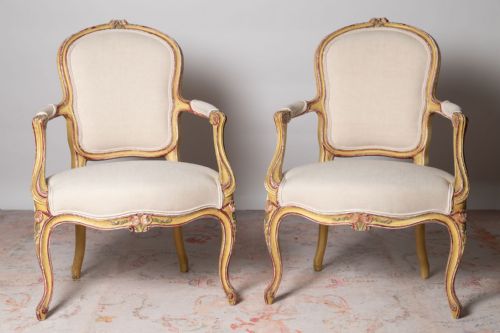
These painted beech armchairs offer character and history, bringing tactile craftsmanship and aged colour to a room.
Painted Beech Armchair
When you search for a painted beech armchair, you are looking at seating fashioned from a sturdy, accessible timber that takes pigment and gilding readily. These chairs span centuries of design, encompassing French styles, English country pieces, and later Arts and Crafts iterations.
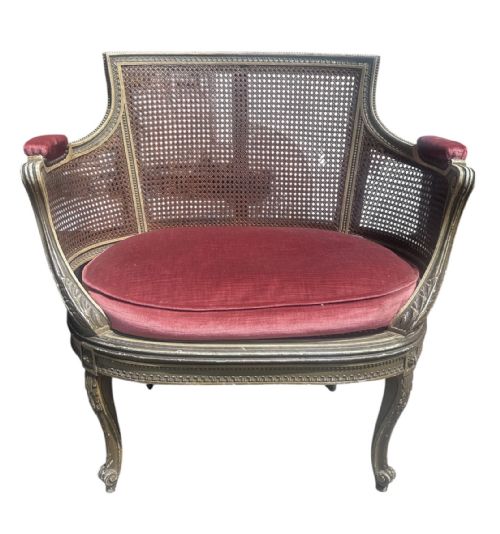
The versions you are most likely to meet on this page include French fauteuils and bergere chairs alongside English open armchairs. They arrive with painted surfaces, sometimes bearing later white finishes or polychrome decoration over the bare wood.
Makers utilised beech for its reliable grain, which allowed for curved cabriole legs and upright structural members alike. You will encounter forms ranging from eighteenth-century George III open arms to twentieth-century commemorative seating.
How they were made
Makers selected beech for its cooperative properties, shaping the timber into sturdy frames that supported intricate carving and smooth painted finishes. Artisans applied layers of paint, often enhanced with gold leaf or polychrome decoration, directly onto the wood.
Seating surfaces often incorporated natural materials such as rattan cane, rush, or woven linen and fabric upholstery. These elements were fastened to the beech frame using traditional joinery methods suited to the specific period and style.
Painted Beech Armchair Retail Price Guide 2026
Typical asking prices for painted beech armchair among the pieces listed under this phrase on Sellingantiques today, from the lower quarter to the upper quarter. They describe what is for sale here now, not the wider market.
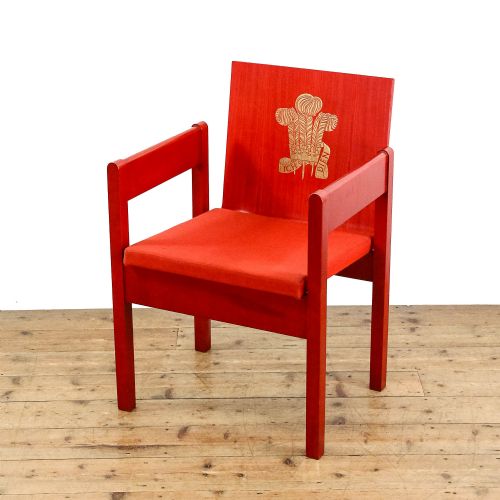
One listed chair commemorates a royal investiture from nineteen sixty-nine.
What varies in quality
The refinement of the carving on the beech frame dictates much of the distinction between standard examples and superior pieces. Fluid lines in Louis XV or Louis XVI styles require a practiced hand to achieve balance and proportion.
The integrity of the painted surface and the survival of original decorative details elevate an item significantly. Wear that reveals the history of the piece adds character, provided the underlying structural joinery remains sound.
Morris and Co·Liberty of London
The Painted Beech Armchair Glossary
- Fauteuil
- An open-armed upholstered armchair originating in France, typically featuring an exposed wooden frame. These chairs combine comfort with decorative woodwork.
- Bergere
- An enclosed upholstered armchair with solid sides and a padded back, often incorporating cane work. The design offers a snug seat while displaying exposed wooden elements.
- Polychrome
- Painted or decorated in several colours. This treatment brings vibrant surface pattern to the timber frame.
- Rush
- A marsh plant used for traditional woven seating mats and seats. It provides a durable and springy surface for upright chairs.
Painted Beech Armchair: Frequently Asked Questions
What is a painted beech armchair?
It is a wooden seat constructed from beech timber and finished with paint, often featuring upholstered pads or woven cane panels.
These chairs appear across multiple historical periods, reflecting distinct design movements from French court styles to English arts and crafts.
How do I care for the painted finish?
Keep the timber away from direct sunlight and moisture to protect the underlying paint and gold leaf layers.
Dust gently with a dry cloth and avoid harsh chemical cleaners that might lift the historic pigment.
Are these chairs comfortable for daily use?
Many include generous upholstery, padded arms, or supportive cane backs designed for sitting over extended periods.
Comfort depends on the depth of the seat and the condition of the internal webbing or original rush work.
How do I identify the period of a chair?
Examine the shape of the legs, the style of the carving, and the construction methods used in the frame.
Design motifs often point towards specific eras like the eighteenth century or the later arts and crafts movement.