


Edwardian Snake Jewellery
Edwardian snake jewellery brings together gold, diamonds and gemstones in coiled serpent forms, capturing the romantic symbolism of eternity.
Edwardian Snake Jewellery
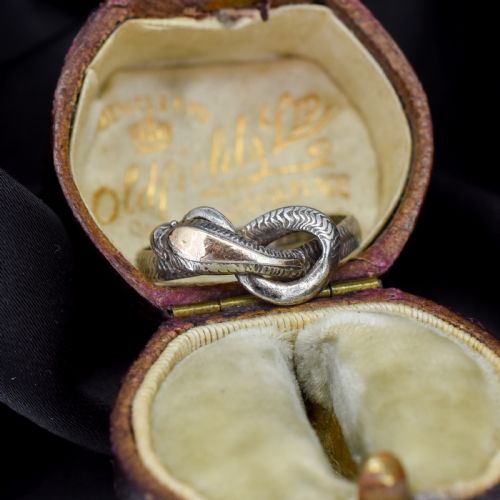
Edwardian snake jewellery encompasses rings, bangles, pendants and earrings that adapt the serpent motif into wearable ornaments. These pieces bridge late nineteenth century designs and twentieth century craftsmanship, drawing on Victorian and Art Nouveau influences.
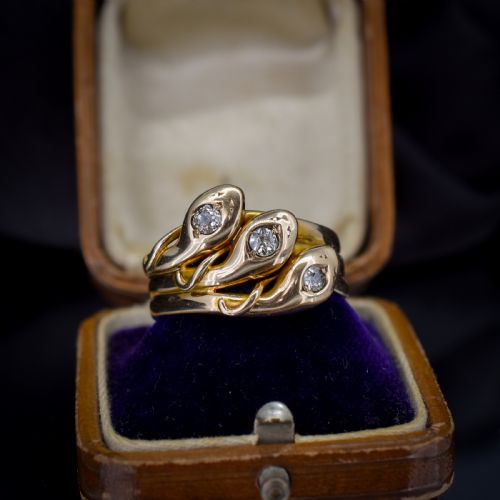
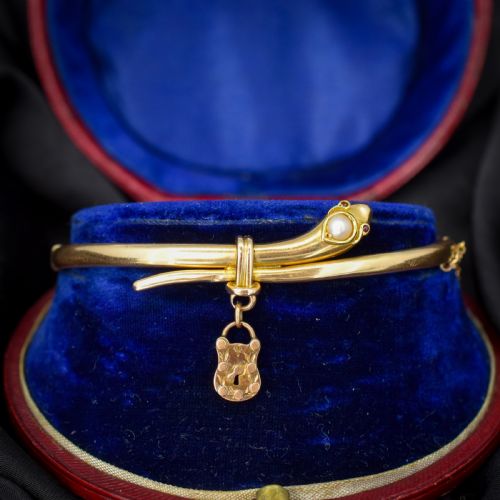
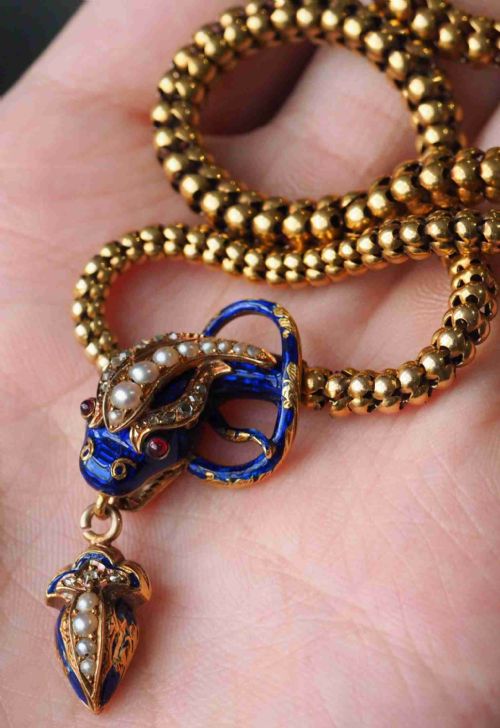
Rings emerge as the most frequent form, often featuring double serpent bands set with diamonds and sapphires. Pendants and drop earrings incorporate pearls and rubies alongside gold work, reflecting the varied output of the period.
Materials and construction
Goldsmiths utilised varying purities of gold, including 9ct, 15ct and 18ct, alongside silver for settings and structural elements. Gemstones such as old cut diamonds, rose-cut diamonds, natural rubies and seed pearls define the surface detail of the reptiles.
Techniques combine cast metal bodies with hand-set stones and enamel work, giving texture to the scales and heads of the serpents. Hallmarks stamped into the gold provide precise assay office records from cities like London and Chester.
Assay office marks from London and Chester appear frequently across the rings and bangles found in these records.
Craftsmanship and distinction
The precision of the engraving on the serpent scales and the security of the stone settings distinguish finer examples from standard production. Goldsmiths who integrated articulated joints or precise gemstone eyes achieved greater realism in the coiled forms.
The choice and matching of materials, such as the clarity of old cut diamonds and the depth of enamel, elevate certain rings and bangles above simpler metalwork.
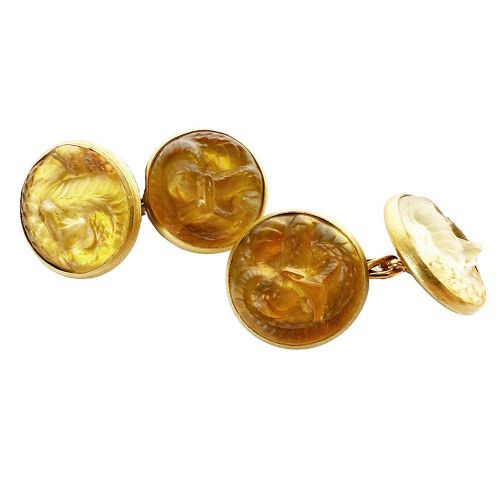
R Lalique
The Edwardian Snake Jewellery Glossary
- Serpent band ring
- A ring formed by a coiled snake body wrapping around the finger. These designs often incorporate gemstone eyes.
- Old cut diamond
- A hand-faceted diamond cut popular before modern brilliant cuts were standardised. It displays smaller tables and high crowns.
- Rose-cut diamond
- A gemstone cut featuring a flat base and a domed crown with triangular facets. This style produces a soft, translucent shimmer.
- Hallmark
- A series of stamped marks on precious metals indicating the purity, maker and assay office. These stamps verify the origin of the piece.
Edwardian Snake Jewellery: Frequently Asked Questions
What does snake jewellery symbolise?
Serpents represented eternal love and wisdom during the period, making them popular motifs for romantic gifts. Victorians and Edwardians frequently exchanged these coiled designs as tokens of enduring commitment.
Craftsmen imbued the forms with protective and sentimental meanings through the inclusion of specific gemstones and interlocking coils.
How do I identify Edwardian pieces?
Examination of the hallmarks and gemstone settings helps determine the period of manufacture. Assay office marks from London and Chester provide specific dates.
The integration of lighter filigree work and delicate pearl settings often distinguishes Edwardian examples from heavier Victorian designs.
Are these rings comfortable to wear?
Low profile bands and smooth coiled tails allow most serpent rings to sit comfortably against the hand during daily wear. The weight of the gold distributes evenly across the finger.
Pendants and earrings require standard care due to the delicate dangling drops and seed pearl elements.
What stones are used in these pieces?
Goldsmiths set old cut diamonds, rose-cut diamonds, sapphires, rubies and pearls into the heads and bodies of the reptiles. These gems provided colour contrast against yellow and rose gold.
Enamel work also appears on select items to add permanent colour to the scales.