


Antique Silver Band
An antique silver band brings together utilitarian forms and decorative metalwork, offering wearable bands and mounted household objects from the nineteenth and twentieth centuries.
Antique Silver Band
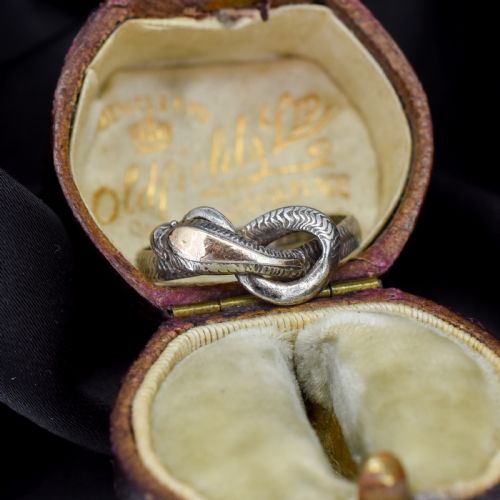
When you search for an antique silver band, you encounter two distinct categories of items: personal jewellery such as rings, wedding bands, and eternity bands, and metal-mounted household objects including napkin rings, cigar cases, and banded chests. The personal rings span simple sterling silver bands, serpent designs, and gem-set rings from the Victorian, Edwardian, and Art Deco periods.
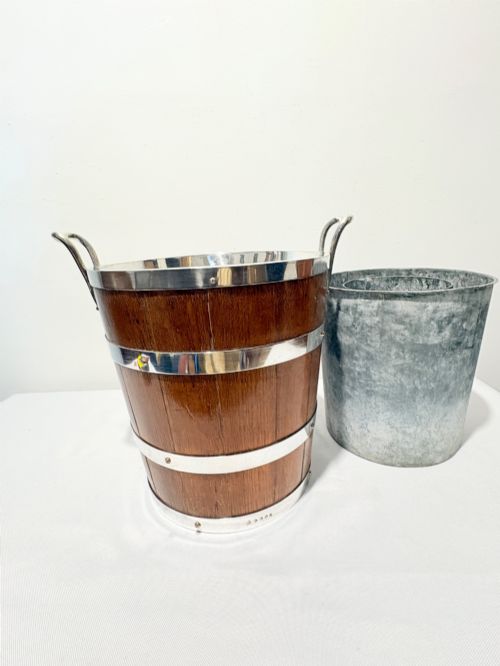
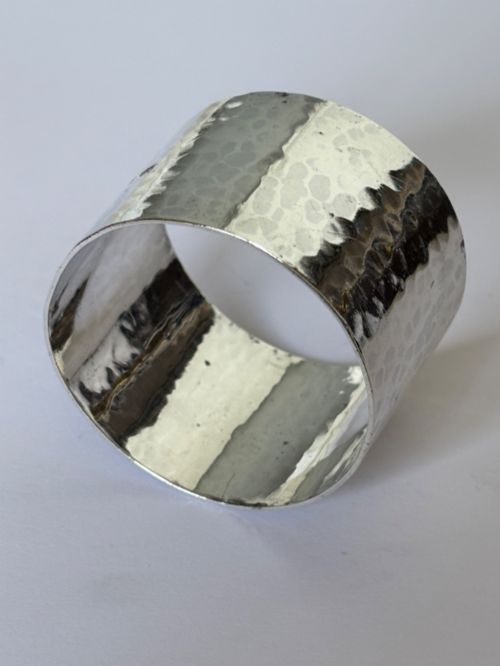
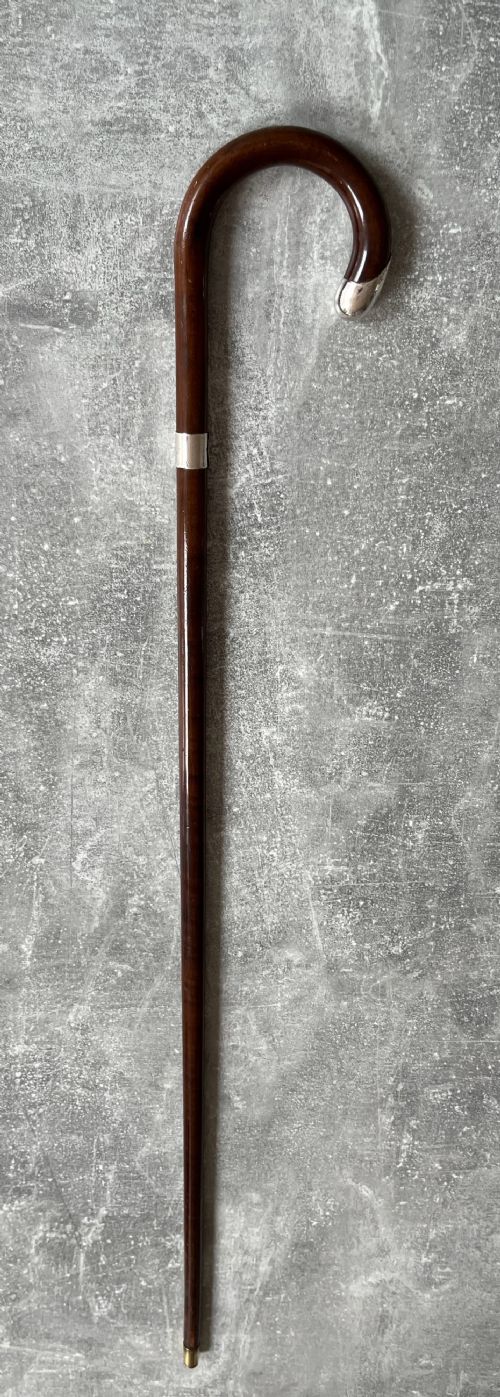
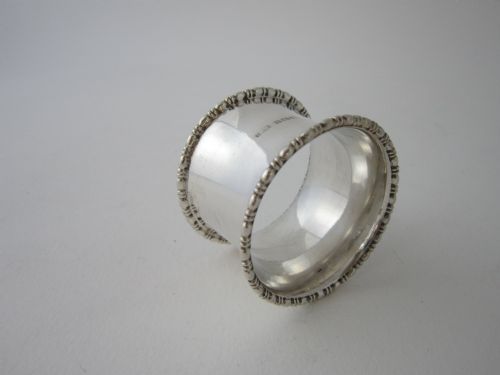
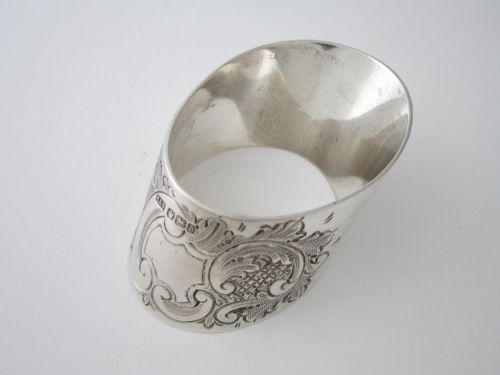
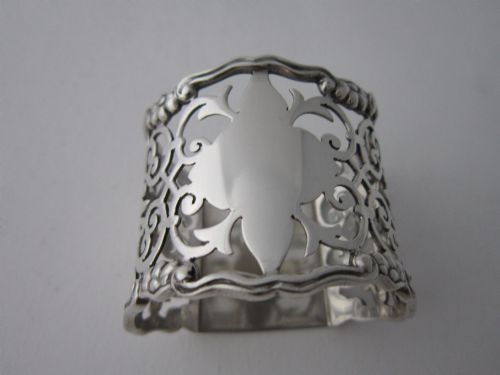
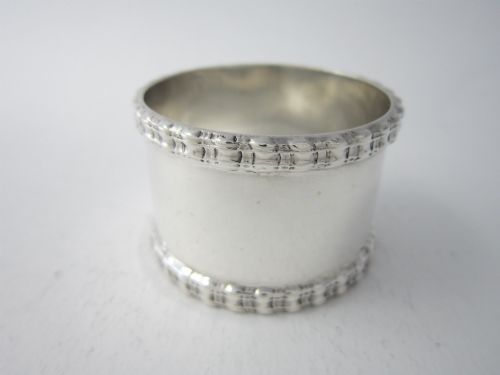
Beyond jewellery, the household pieces feature structural bands of metal around wood, treen, or leather, alongside solid silver napkin rings produced in pairs and sets. These practical table items often display hallmarks from Birmingham and London, dating from the nineteenth century through the George V and Art Deco eras.
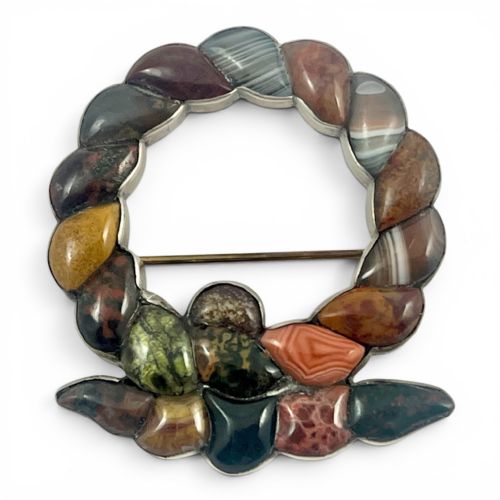
Scottish Revival pieces introduce banded agate and pebbles set in silver brooches and lockets, reflecting regional nineteenth-century lapidary work. Across all forms, the unifying element is the presence of a metal band, whether functioning as the entirety of a ring or serving as a structural mount on a larger object.
Materials and construction methods
Makers utilised sterling silver, 800 grade continental silver, and silver plate as the primary metallic foundations, often combining them with platinum, 14 carat gold, or 18 carat white gold in mixed-metal rings. Structural items incorporated organic and natural materials such as oak, iron, coquilla nut, and leatherette alongside the metal components.
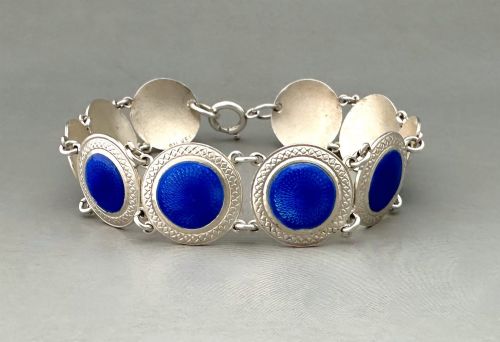
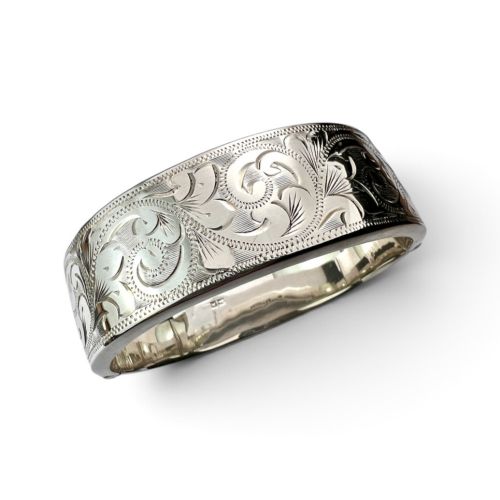
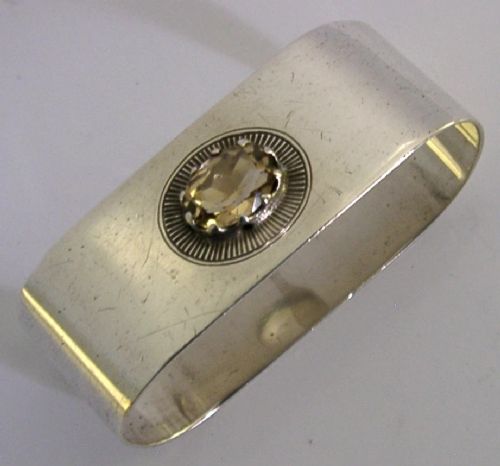
Decorative surface techniques included hand hammering, enamel work, and engraving, particularly on George V napkin rings and Art Deco bracelets. Gemstones like diamonds, moonstones, citrines, coral, and banded agate were flush-set, bezel-set, or mounted as cabochons into the silver bands.
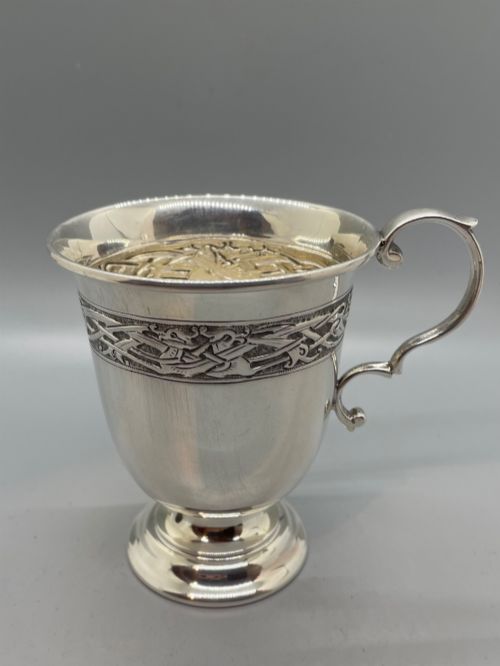
Object forms range widely from personal jewellery like eternity bands and brooches to household items including napkin rings, christening mugs, and silver chests.
Assessing craftsmanship and condition
Quality rests in the crispness of the hallmarks, the precision of hand-hammered texturing, and the security of stone settings in gem-set bands. Crisp detail on Victorian figural napkin rings or Scottish agate brooches indicates superior lapidary and silversmithing execution.
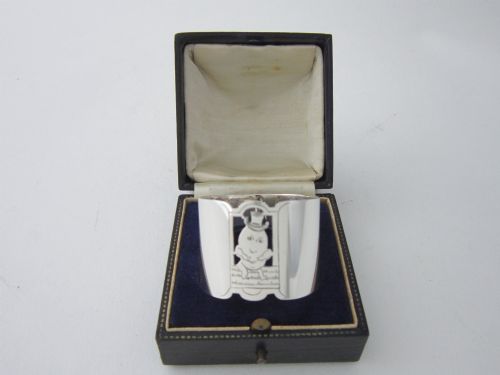
The integrity of the metal band, the preservation of original enamel or gilding, and the survival of fitted presentation cases elevate the standing of individual pieces. Heavy gauge silver yields substantial weight in napkin rings and chests, separating robust utility wares from lighter productions.
Albert Edward Jones·Crisford & Norris·Liberty & Co·Moses Brent·Cartier
The Antique Silver Band Glossary
- Sterling silver
- A standard alloy consisting of 92.5 percent silver by mass, with the remainder copper or other metals. It provides the durable foundation for the majority of these bands and mounted wares.
- Cabochon
- A gemstone polished to a smooth, convex surface rather than faceted. This cut appears frequently on moonstone and agate rings and brooches.
- Hallmark
- An official stamp applied by an assay office indicating the purity of the metal, the maker, and the year of production. British pieces often display marks from Birmingham and London.
- Eternity band
- A finger ring comprising a continuous band of gemstones set into precious metal. Art Deco examples utilise platinum and silver settings.
- Treen
- Small handmade wooden household objects. Examples include coquilla nut toddy ladles fitted with silver bands.
Antique Silver Band: Frequently Asked Questions
What is a silver band ring?
A silver band ring is a continuous circlet of precious metal worn on the finger, ranging from plain wedding bands to decorative eternity rings and serpent motifs.
These pieces span the Victorian, Edwardian, and Art Deco eras, frequently incorporating gemstones or enamel work alongside sterling silver or platinum.
How were antique napkin rings used?
Antique napkin rings were placed on dining tables at each seat to identify and hold cloth napkins between meals.
Households often owned matched sets or pairs, which were frequently engraved with initials or presentation dates for family use.
How do I date a silver band?
Dating relies primarily on official hallmarks stamped into the metal, which record the assay office, metal standard, and specific year letter.
Stylistic indicators such as Art Deco geometric lines or Victorian chased decoration also help narrow the period of manufacture.
What are banded agate items?
Banded agate items feature naturally layered chalcedony stones cut and polished into brooches, dip pens, and bookmarks.
Scottish Revival pieces from the nineteenth century frequently mounted these multicolored stones in engraved silver settings.
How should I care for antique silver?
Antique silver requires gentle cleaning with a soft cloth to preserve the patina and any delicate enamel or stone settings.
Storage in dry conditions protects organic companion materials like oak, leather, and velvet from moisture damage.