

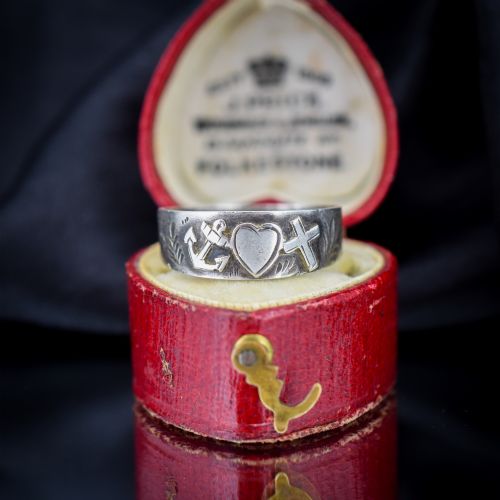
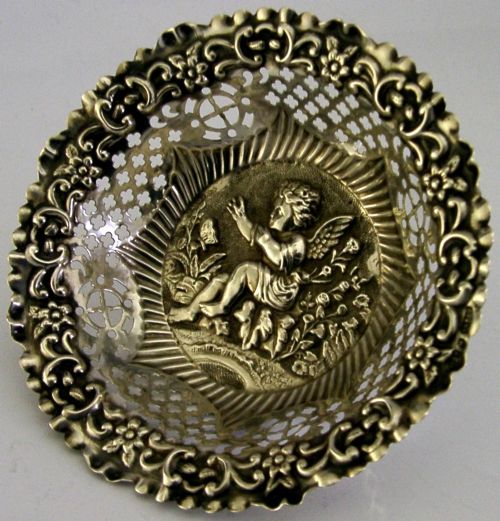
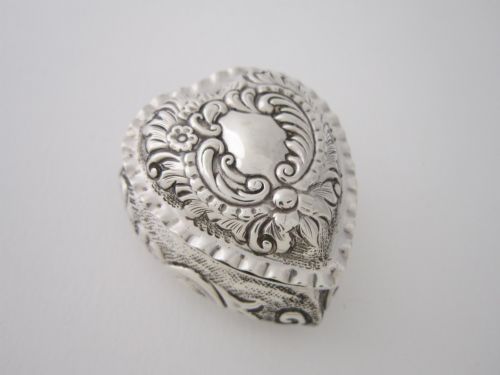
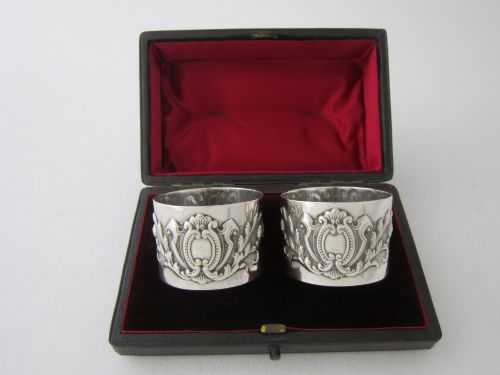





Late Victorian Sterling Silver Ring
These late victorian sterling silver ring examples are small treasures of precious metal, offering a tangible link to late nineteenth-century craftsmanship.
Late Victorian Sterling Silver Ring
When you search for a late victorian sterling silver ring, you are looking at small personal ornaments and related domestic silver objects produced during the final decade of the nineteenth century. The listings on this page span the 1890s, capturing the specific aesthetic of the Victorian period through solid metal forms.
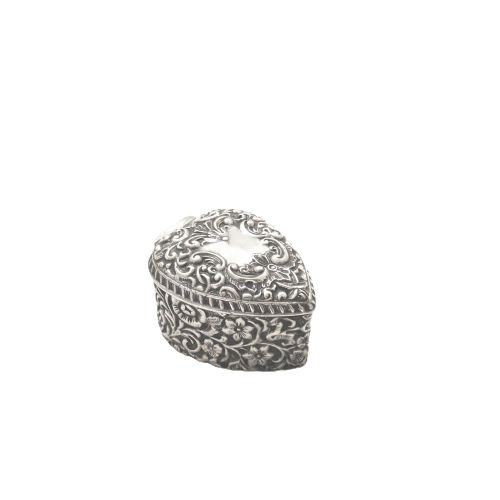
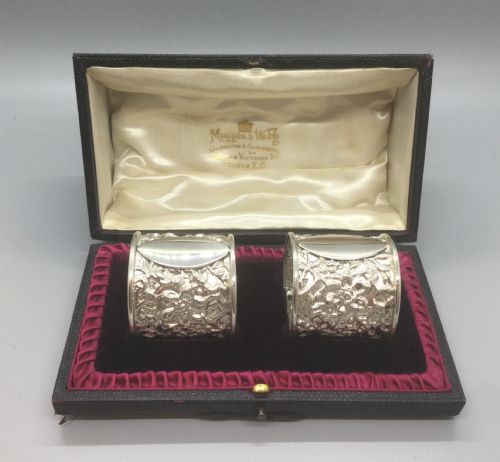
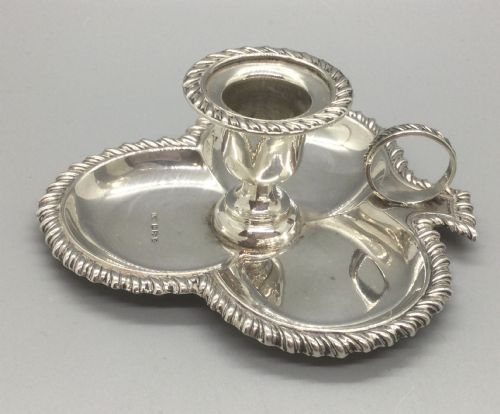
While the phrase directs attention to finger jewellery, the broader material evidence shows a wider domestic sphere encompassing napkin rings, trinket boxes, and small personal accessories in sterling silver. Buyers find these pieces valued both for their historical period and their enduring use of precious metal.
How they were made
These items are constructed from sterling silver, often utilising techniques such as piercing, engraving, and embossing to create surface pattern and decorative relief. Workshops employed traditional metalworking methods to shape bands, boxes, and small vessels.
Fitted presentation boxes associated with these silver pieces incorporate materials like velvet, silk, and leatherette to line the interiors and protect the metal surfaces. The combination of solid sterling silver and tactile interior linings defines the physical construction of the period.
Late Victorian Sterling Silver Ring Retail Price Guide 2026
Typical asking prices for late victorian sterling silver ring among the pieces listed under this phrase on Sellingantiques today, from the lower quarter to the upper quarter. They describe what is for sale here now, not the wider market.
The listings show items exclusively from the Victorian period, specifically dated between 1890 and 1899.
What varies in quality
The distinction between standard examples and finer pieces lies in the crispness of the chased or pierced decoration and the overall weight of the sterling silver. Better quality items retain sharp detail in their motifs without excessive wear from past polishing.
Construction details such as the snugness of box hinges, the integrity of internal velvet or silk linings, and clear hallmarks add to the distinction of individual items. Pieces that preserve their original fitted cases demonstrate a higher degree of initial care and completeness.
The Late Victorian Sterling Silver Ring Glossary
- Sterling silver
- A silver alloy containing 92.5 percent pure silver and 7.5 percent other metals, usually copper, chosen for durability in decorative objects.
- Hallmark
- An official stamp applied to precious metals indicating the standard of purity, the assay office, and the year of manufacture.
- Pierced
- A technique where metal is cut through to create openwork patterns, frequently seen in decorative dishes and small containers.
- Leatherette
- A simulated leather material utilised for the outer covering of fitted presentation boxes during the late nineteenth century.
Late Victorian Sterling Silver Ring: Frequently Asked Questions
How do I identify a late nineteenth-century piece?
Identification relies primarily on official hallmarks stamped into the metal, which indicate the assay office and precise year of production.
Comparing the decorative style and manufacturing technique with documented pieces from the 1890s also helps confirm the period.
Were presentation cases common for these items?
Many smaller silver items and sets from this era were originally retailed with fitted presentation boxes lined in silk or velvet.
These cases protected the sterling silver surfaces when not in use and added a layer of luxury for the initial recipient.
How should I care for sterling silver?
Sterling silver benefits from gentle cleaning with a soft cloth to remove tarnish without abrading the underlying metal or wearing down engraved details.
Storing pieces away from damp environments helps preserve both the silver and any accompanying historic textile linings.