






Victorian Silver Band Ring
A victorian silver band ring is a solid piece of history for the hand, offering tangible heritage from the nineteenth century.
Victorian Silver Band Ring
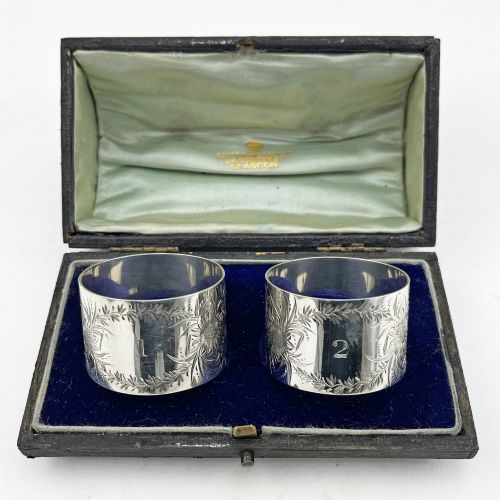
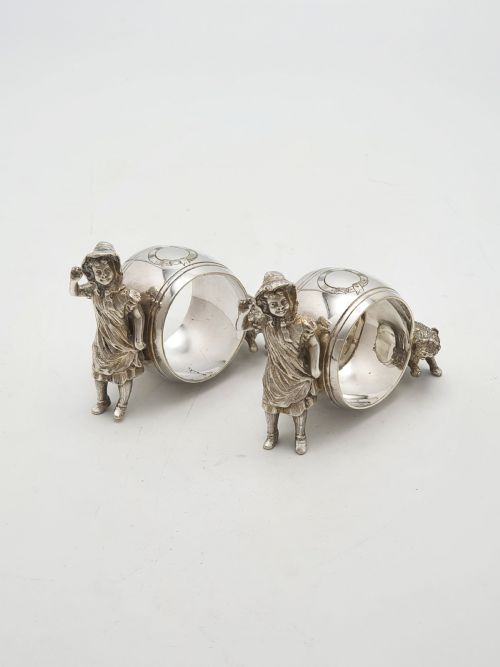
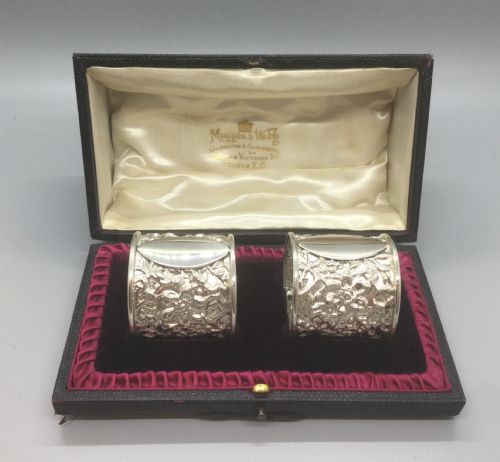
When searching for a victorian silver band ring, collectors encounter items from the Victorian period alongside napkin rings and gem-set rings sharing similar materials. The selection includes sterling silver napkin rings dated from 1890 to 1900, pairs in fitted cases, and figural silver plated napkin rings.
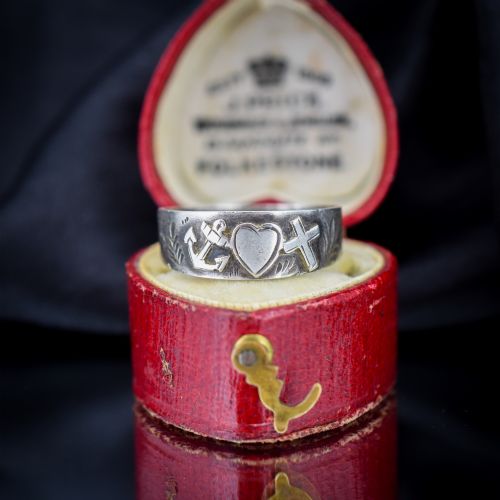
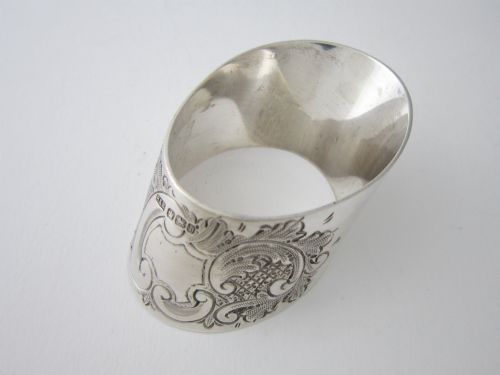
The objects span Victorian and Edwardian styles, with specific date markers such as 1899, 1898, 1894, 1892, and 1891 appearing across the inventory. Some pieces take specific forms like belt designs or symbolic motifs representing faith, hope, and charity.
Though the search names a ring for the hand, the broader evidence encompasses napkin rings in pairs and boxes lined with silk, velvet, and leatherette. Buyers must look closely at individual titles to distinguish finger jewellery from table silver.
How they were made
Silversmiths utilised sterling silver and silver plate to shape these bands, often employing figural designs or structural forms such as the Victorian belt motif. Presentation storage involved textile elements including silk, velvet, and leatherette within fitted cases.
Makers applied precise date numerals, hallmarks, and symbolic engravings directly onto the metal surface. Construction methods accommodated both single finger bands and matched pairs of domestic table silver.
Victorian Silver Band Ring Retail Price Guide 2026
Typical asking prices for victorian silver band ring among the pieces listed under this phrase on Sellingantiques today, from the lower quarter to the upper quarter. They describe what is for sale here now, not the wider market.
The inventory combines finger jewellery with sterling silver and silver-plated napkin rings from the Victorian and Edwardian periods.
What varies in quality
Differentiation lies in the preservation of original fitted presentation cases lined in silk, velvet, or leatherette alongside the metal wear. Complete matched pairs demonstrate higher coordination than single domestic items.
The clarity of engraved details, from date numerals to symbolic motifs of faith, hope, and charity, defines the execution standard. Surface finish varies between polished sterling silver and silver plate.
The Victorian Silver Band Ring Glossary
- Sterling silver
- A silver alloy containing 92.5 percent silver by mass, standard for durable British tableware and jewellery.
- Silver plate
- A layer of silver applied to a base metal core, frequently seen on figural table items.
- Napkin ring
- A small circular domestic item used at the dining table to designate cloth table linen, often produced in matched pairs.
- Leatherette
- A simulated leather material utilised to cover protective storage cases for silver items.
- Hallmark
- An official stamp applied by an assay office to indicate metal purity and origin.
Victorian Silver Band Ring: Frequently Asked Questions
How were silver napkin rings used?
Silver napkin rings served a domestic function at the dining table, identifying individual cloth napkins between meals. They were frequently produced as pairs or sets.
Families stored these items in fitted boxes lined with silk or velvet. This practice protected the polished metal from tarnish and scratches.
Are these items presented in original boxes?
Certain pieces retain their fitted presentation cases lined with materials like leatherette, silk, and velvet. These containers kept pairs secure during storage.
The presence of an original case adds context to domestic silver items. Collectors value the combination of the silver and its period container.
What motifs appear on these silver pieces?
Designs include symbolic representations of faith, hope, and charity alongside figural subjects and belt shapes. Engraved date numerals are also common.
These decorative choices demonstrate the aesthetic preferences of nineteenth-century makers. They distinguish standard bands from more elaborate examples.