


Edwardian Silver Walking Stick
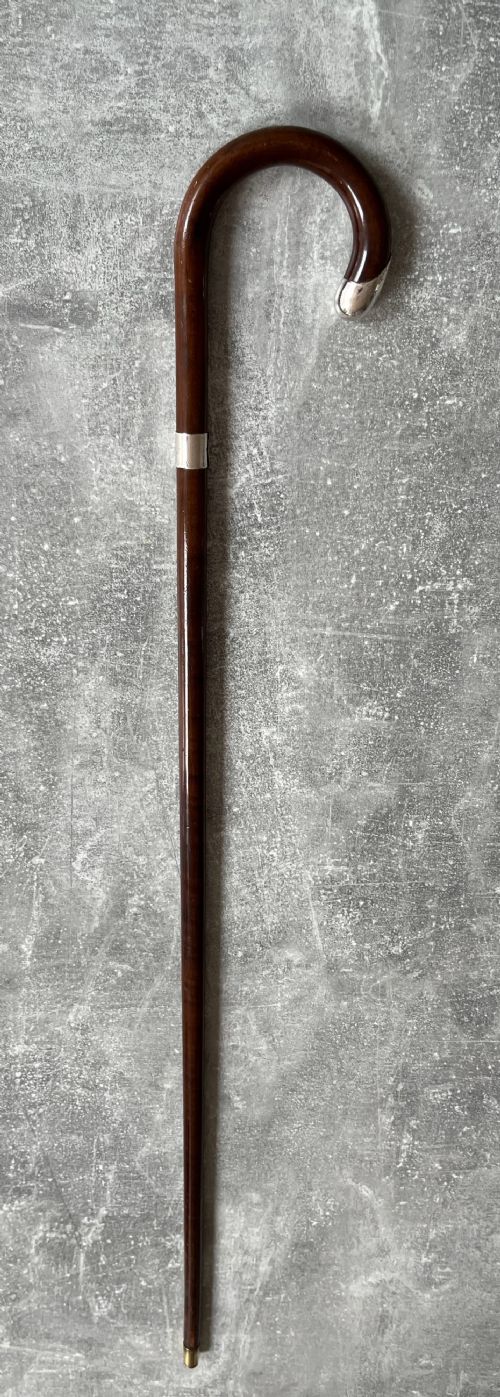
An edwardian silver walking stick brings practical gentlemanly elegance from the early twentieth century straight to your hand.
Edwardian Silver Walking Stick
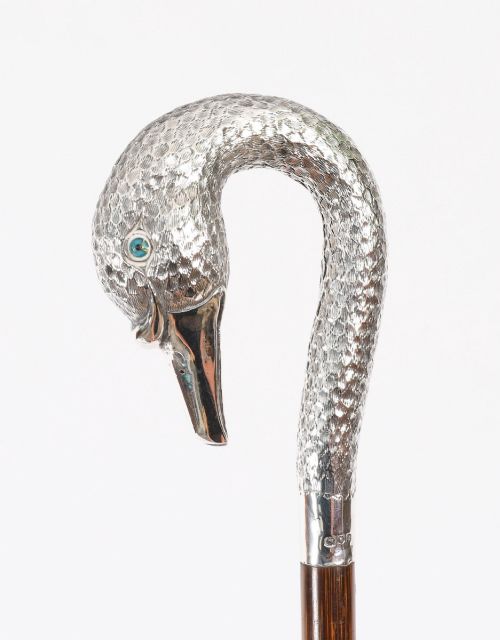
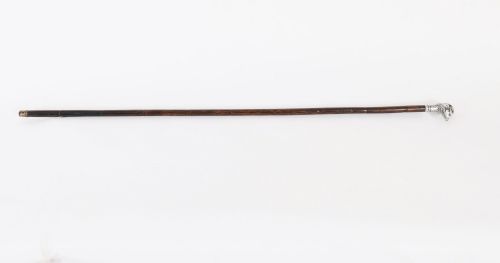
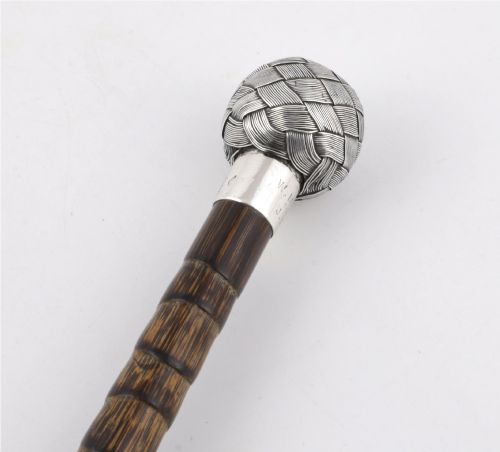
When you search for an edwardian silver walking stick, you encounter gentleman's accessories formed with silver handles, collars, or mounts paired with wooden shafts. The most frequent varieties combine silver-topped or animal-headed handles with malacca, bamboo, or ebonized wood.
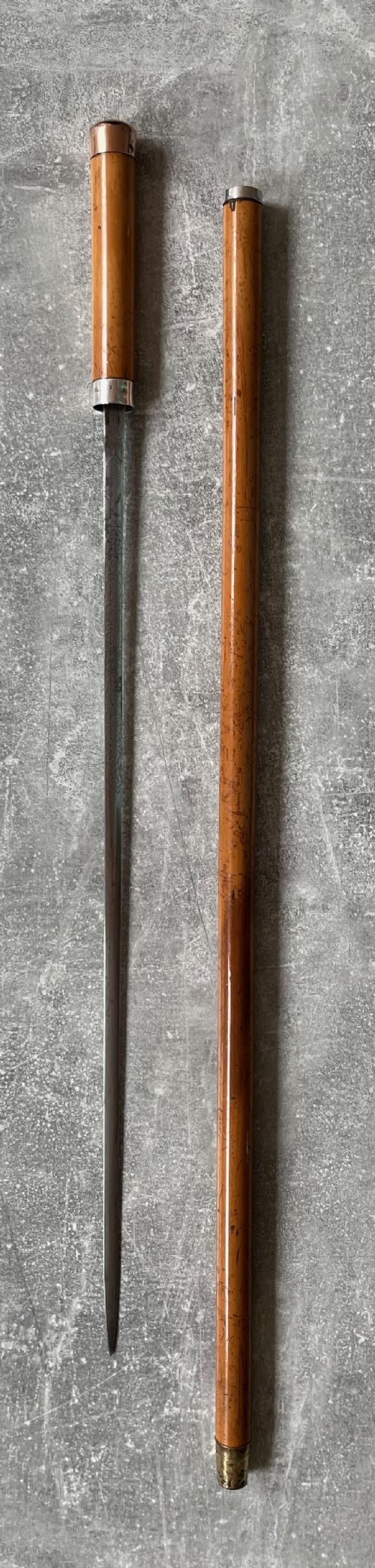
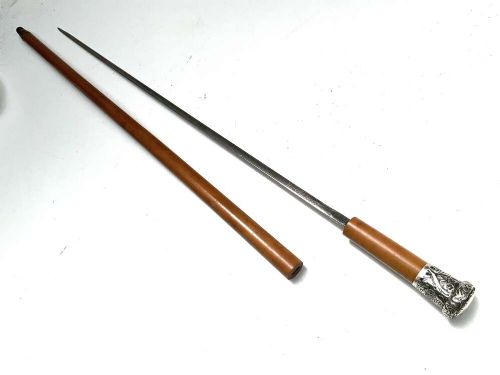
These items span periods surrounding the Edwardian era, including Victorian and early twentieth-century examples. Alongside standard walking canes, the selection includes military swagger sticks, regimental pieces, and concealed blade sword sticks.
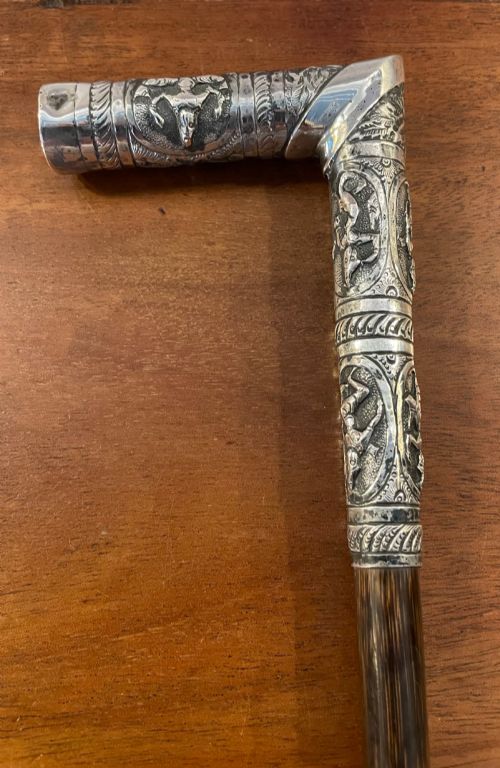
Makers utilised diverse materials for handles, incorporating horn, antler, and embossed silver alongside distinct avian and equine motifs. Shaft materials range from palm wood and rosewood to natural root ball configurations.
How They Were Made
Craftsmen joined silver mounts, collars, and cast animal heads to organic wooden shafts using secure internal fixings. Silversmiths often embossed or engraved the metal work with hallmarks denoting the assay office and year.
Shafts were formed from durable natural materials such as malacca, bamboo, and hardwood, frequently paired with steel blades in the case of sword sticks. Horn and antler were shaped and polished to create tactile handle grips.
Listings feature silver, bamboo, malacca, and horn across Edwardian and Victorian periods.
What Varies in Quality
The distinction between ordinary and superior pieces rests on the weight of the silver and the artistry of the handle. Cast animal heads with fine detail and substantial sterling silver mounts mark out the better examples.
The choice of shaft material also dictates quality, with well-finished malacca and figured hardwoods holding more distinction than basic woods. Maker attribution, such as retail marks from established houses, further elevates a piece.
The Edwardian Silver Walking Stick Glossary
- Malacca
- A type of rattan cane featuring characteristic dark rings and a smooth brown surface, frequently utilised for walking stick shafts.
- Swagger stick
- A short military cane carried by officers as a symbol of authority rather than for physical support.
- Sword stick
- A walking cane containing a concealed steel blade, often secured with a locking collar.
- Hallmark
- A stamp impressed onto silver components indicating the standard of purity, the maker, and the year of assay.
Edwardian Silver Walking Stick: Frequently Asked Questions
What is an edwardian silver walking stick?
An edwardian silver walking stick is a gentleman's accessory featuring a silver handle or mount paired with a wooden shaft, produced around the early twentieth century.
These pieces served as fashionable accompaniments for daily promenades, reflecting the style and social standing of the period.
How were sword sticks used?
Sword sticks combined the function of a standard walking cane with a concealed steel blade for personal protection.
Officers and gentlemen carried them during travel or evening walks through urban and rural areas alike.
How do I identify an Edwardian piece?
Edwardian pieces often bear silver hallmarks corresponding to the reign of King Edward VII or the surrounding early twentieth-century decades.
Examining the assay marks and the specific style of the silver mounts helps confirm the period of manufacture.
What woods were used for shafts?
Shafts were constructed from flexible and sturdy materials such as malacca, bamboo, ebonized oak, and rosewood.
Makers selected these timbers for their resilience, natural grain, and ability to support silver collars and mounts securely.