




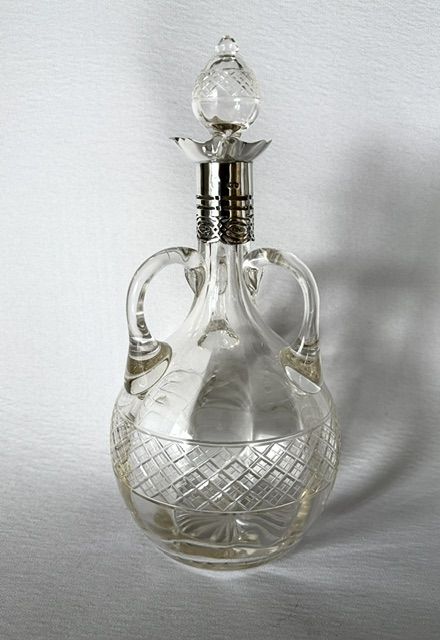
Edwardian Silver Top
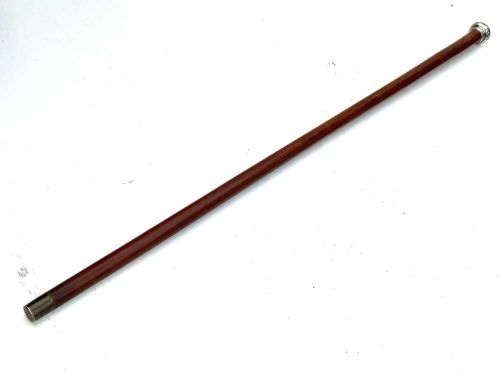
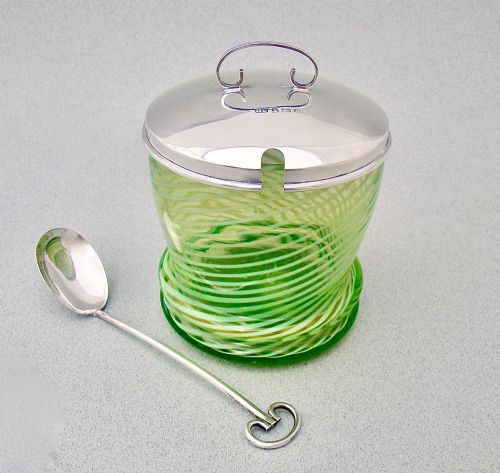
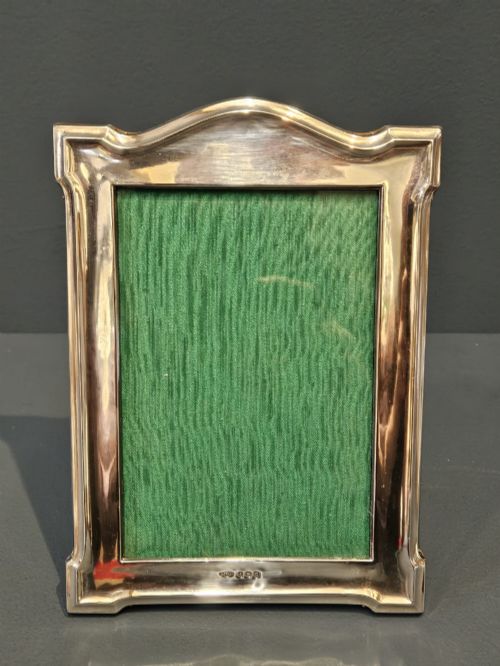
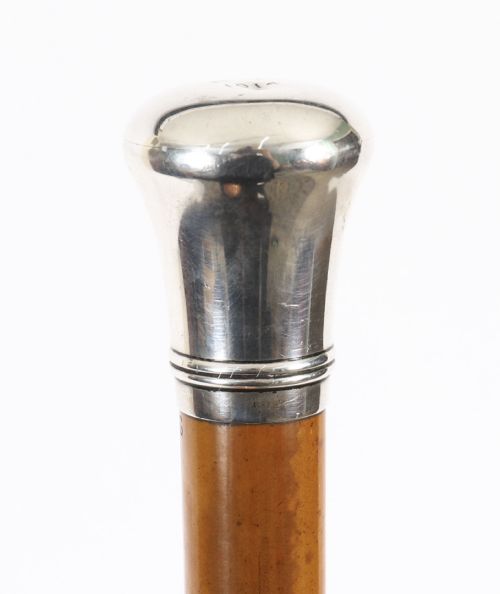
These pieces of edwardian silver top bring together solid metal mounts and clear glass for the dressing table and the dining room.
Edwardian Silver Top
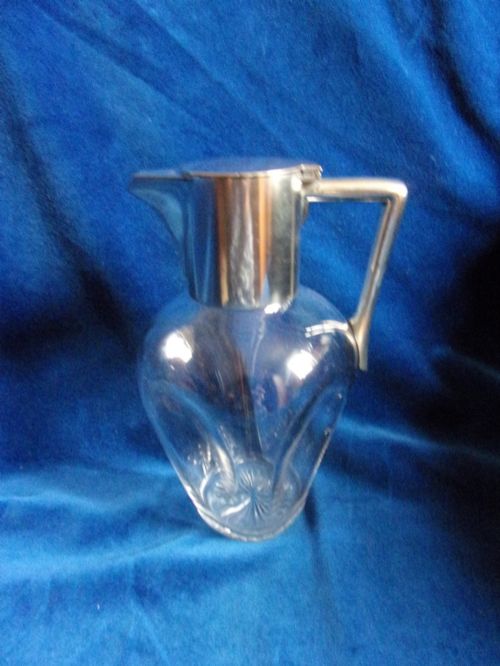
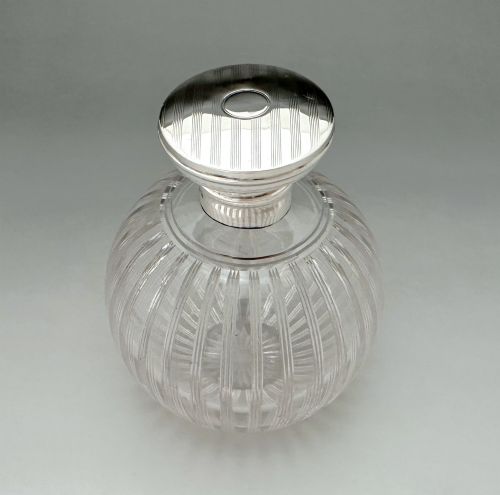
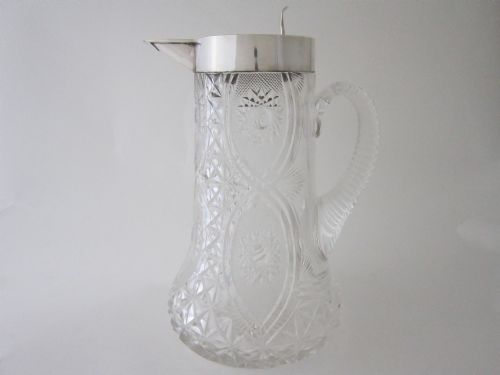
When you search for edwardian silver top, you encounter mounted glassware and vessels designed for practical daily use. The pieces span scent bottles, decanters, claret jugs, vanity jars and desk items that pair a metal lid or collar with a glass body.
Most examples originate from the Edwardian period or neighbouring decades from the late nineteenth century to the interwar years. You will frequently find sterling silver or silver plated mounts fitted to cut glass, crystal, or coloured glass vessels such as cranberry and yellow glass.
Materials and construction
Makers combined sterling silver or silver plate with blown and cut glass bodies. The metal components were shaped through casting, stamping or repoussé work, often bearing hallmarks from assay offices in London, Birmingham, Sheffield or Chester.
Glass vessels were frequently mould-blown and subsequently finished by hand, utilising deep wheel-cutting to create geometric or floral patterns. The metal mounts were then secured to the glass necks using specialised adhesives or tight mechanical collars.
Edwardian Silver Top Retail Price Guide 2026
Typical asking prices for edwardian silver top among the pieces listed under this phrase on Sellingantiques today, from the lower quarter to the upper quarter. They describe what is for sale here now, not the wider market.
Listings feature periods spanning from the Victorian era through the Edwardian years into the 1930s.
Assessing quality in mounted silver and glass
Quality rests in the weight of the silver mount and the clarity of the glass beneath it. Thicker gauge silver resists dents and bears crisp hallmarks, while heavier crystal bodies offer greater resonance and depth of cut.
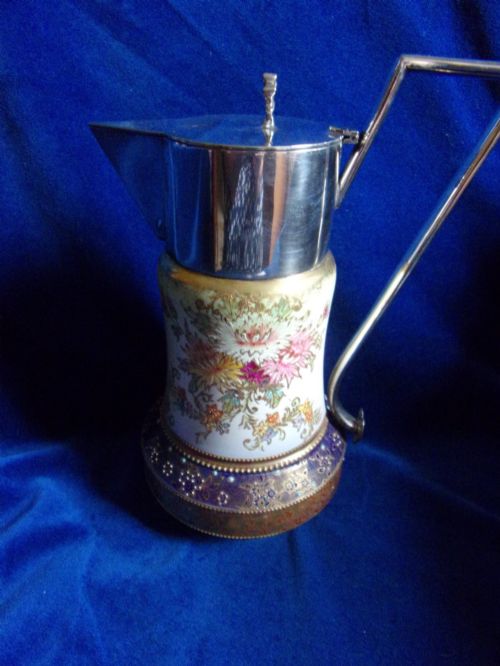
The artistry of the mount distinguishes standard items from finer works. Hand-painted porcelain plaques, guilloché enamel panels or intricate Art Nouveau organic motifs elevate the craftsmanship of the piece significantly.
George May·William Comyns·Henry Clifford Davis·Gorham·Harold Bushell & Co
The Edwardian Silver Top Glossary
- Sterling silver
- A silver alloy containing 92.5 percent pure silver and 7.5 percent other metals, usually copper, to add durability. This standard is indicated by the lion passant hallmark on British pieces.
- Guilloché enamel
- A decorative technique where a precise geometric pattern is engine-turned into a metal surface before translucent enamel is applied over the top. It appears frequently on dressing table jars and inkwells.
- Claret jug
- A large pouring vessel designed for wine, combining a glass body with a hinged silver or plated top and handle. These serve as centrepieces on dining tables.
- Whisky noggin
- A small single-serving decanter fitted with a silver mount and a matching small pouring lip. They often include a tiny silver-mounted glass lid or stopper.
- Assay office
- An official body that tested precious metals and stamped items with hallmarks to guarantee their purity. Common marks include the leopard head for London and the anchor for Birmingham.
Edwardian Silver Top: Frequently Asked Questions
How do I clean the silver mounts without damaging the glass?
Use a soft cloth and a gentle silver polish, taking care to keep abrasive creams away from the glass surface and any enamel or porcelain inserts. Apply the polish sparingly directly to the metal rather than rubbing it against the join where the mount meets the glass.
For pieces with internal stoppers or delicate glass bodies, avoid soaking the entire object in water. Wipe the silver clean while holding the glass firmly to prevent accidental drops.
Were these scent bottles meant for travel?
Many Edwardian scent bottles and vanity jars were manufactured for dressing tables rather than luggage. The glass and silver combinations were heavy and designed for static domestic settings, though some smaller pocket flasks existed.
The secure screw caps or hinged lids kept perfumes from evaporating too quickly inside the home rather than enduring the rigours of transit.
How can I date a piece without hallmarks?
Dating relies on stylistic clues such as the sweeping organic lines of Art Nouveau mounts or the cleaner geometric shapes associated with later Art Deco designs. The weight and cut of the glass also offer strong indicators of the period.
Examining the construction methods, such as how the collar is attached to the neck, helps distinguish nineteenth-century examples from later twentieth-century productions.
What is the difference between sterling silver and silver plate?
Sterling silver contains a regulated high proportion of pure silver throughout the entire metal object, confirmed by official hallmarking stamps. Silver plate consists of a base metal, such as copper or nickel brass, coated with a thin outer layer of silver.
Over decades of use, silver plate can wear down at high points to reveal the darker base metal underneath, whereas solid sterling maintains its composition right through.